REVIEW · MUMBAI
South Mumbai: Cultural Heritage Walking Tour
Book on GetYourGuide →Operated by Amaze Tours · Bookable on GetYourGuide
Mumbai’s colonial core is best on foot. In about 2.5 hours, this South Mumbai cultural heritage walk lines up the big sights with real street-level context, so you understand what you’re looking at, not just where it is. I especially loved the Gateway of India area paired with a focused explanation of the city’s architectural mix and colonial-era power.
I also liked the small-group pace, capped at 6 people, because it makes it easier to ask questions and keep moving at a comfortable rhythm. The tour’s chai stop felt like more than a break; it gave a quick taste of Mumbai street culture between monuments. One thing to plan for: this is real walking, so bring comfortable footwear and expect some uneven pavement.
In This Review
- Key highlights that make this walk worth it
- Starting at Pizza Express: meeting near Gateway of India
- Gateway of India: the landmark with context, not just photos
- Taj Mahal Palace Hotel: passing a star that still matters
- Royal Bombay Yacht Club and police HQ: power built into the streets
- Elphinstone College and David Sassoon Library: learning as heritage
- Kala Ghoda: where art, architecture, and old money meet
- Oval Maidan: the open space that anchors the view
- Asiatic Society of Mumbai and Horniman Circle: education meets city planning
- The short bus ride to CSMT: why you switch gears
- Chatrapati Shivaji Maharaj Terminus (CSMT): the UNESCO highlight
- How the chai stop fits into the heritage story
- What group size changes (and what it doesn’t)
- Price and value: why $16 can make sense
- Who should book this heritage walk
- Who should skip (or plan differently)
- Practical tips to make your morning smoother
- Should you book this South Mumbai heritage walking tour?
- FAQ
- Where is the meeting point for the tour?
- How long is the South Mumbai cultural heritage walking tour?
- What does the tour cost?
- Is the tour guide provided in English?
- What’s included in the price?
- What is not included?
- Is there a short bus ride during the tour?
- What should I bring for the tour?
- Is this tour suitable for wheelchair users or strollers?
Key highlights that make this walk worth it
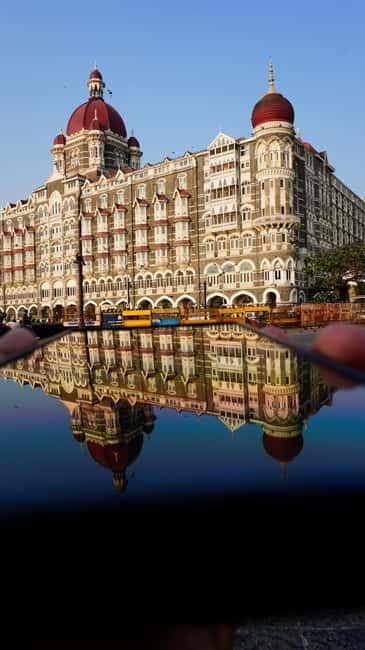
- Gateway of India to Taj Mahal Palace views without the big-tour chaos
- Chai with stories, not just a snack break
- Kala Ghoda + Oval Maidan with architecture and style explained clearly
- Asiatic Society of Mumbai and Horniman Circle area stops that connect education, trade, and design
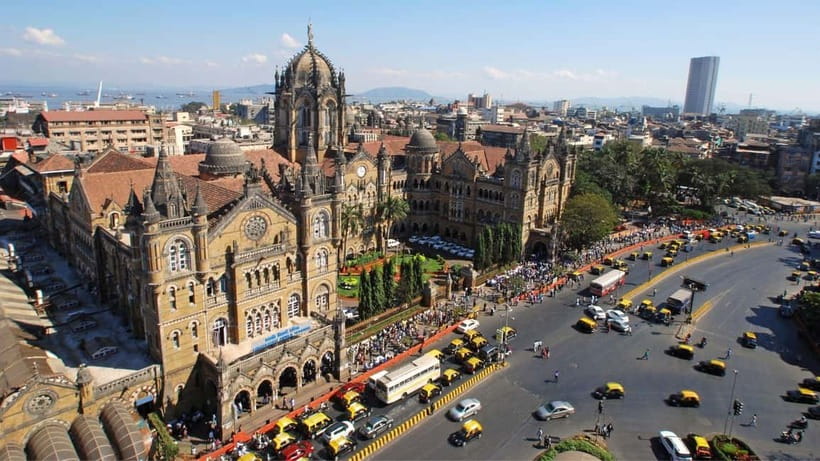
- Chatrapati Shivaji Maharaj Terminus (CSMT) visit to see a UNESCO site up close
- Small group limit (6) for questions, photos, and a smoother pace
Starting at Pizza Express: meeting near Gateway of India
Your tour starts at street level, right at the entrance of Pizza Express next to the Gateway of India. That’s useful. You don’t need to hunt for a hidden office or take multiple transfers just to begin.
Because the tour runs in English with a live guide, you can ask practical questions right away: what you’re seeing, why these buildings look the way they do, and how the neighborhood developed. It’s a format that helps you keep your bearings fast.
You can also read our reviews of more walking tours in Mumbai


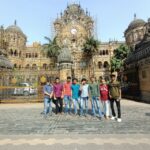
Gateway of India: the landmark with context, not just photos
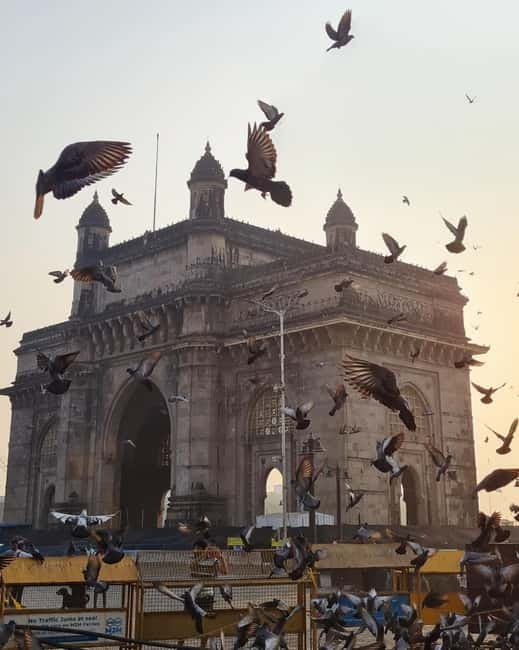
The Gateway of India stop is given the right amount of attention—about 20 minutes with guidance. You’ll see why this monument became a symbolic front door for Mumbai, and you’ll also get the broader story behind the surrounding area.
What I liked most here is the way the guide connects the landmark to the city’s role as a port. Mumbai’s heritage isn’t just about pretty facades. It’s about trade, arrival, and the way different groups shaped the city’s public spaces.
Taj Mahal Palace Hotel: passing a star that still matters
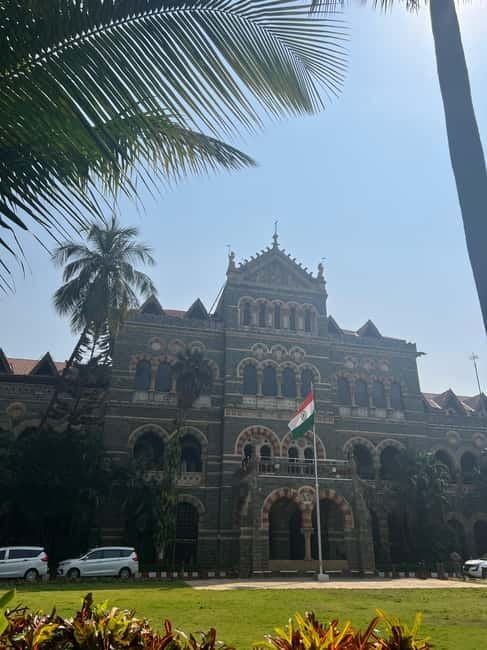
You’ll pass the Taj Mahal Palace Hotel for a quick look (around 5 minutes). You’re not stopping for long photos, so treat this moment like a visual checkpoint: notice the scale, the polish, and the setting on a grand boulevard-style street.
Even though it’s brief, this stop helps frame the contrast you’ll see later—between grand colonial-era buildings and the institutions nearby that turned the city into a working, learning place.
Royal Bombay Yacht Club and police HQ: power built into the streets
Next comes a short walk past places like the Royal Bombay Yacht Club and the Maharashtra Police Headquarters. These aren’t stops most first-time visitors think about, but that’s part of the value.
The guide ties these buildings to who had authority here and how that authority showed up in architecture and location. It’s the kind of street-level reading that turns random buildings into a story you can follow.
If you’re the type who likes to understand how cities work—who controlled what, and why certain buildings clustered together—you’ll appreciate this pacing.
Elphinstone College and David Sassoon Library: learning as heritage
You’ll pass Elphinstone College and the David Sassoon Library in quick succession. On a walking tour this short, it’s smart that these are included. Education institutions are part of Mumbai’s identity, not just background scenery.
Pay attention to details like facades and the way these sites relate to the surrounding street. The guide’s explanations help you connect style to function—how buildings for study, reading, and training became part of the city’s long-term “branding.”
You can also read our reviews of more historical tours in Mumbai




Kala Ghoda: where art, architecture, and old money meet
Kala Ghoda gets a guided moment (about 15 minutes). This area is famous for its historic character, and the tour uses it well.
Here’s what makes it click: the guide helps you look at Mumbai like a place that layered styles over time. The explanations focus on the Gothic and Art Deco ensembles of Mumbai, which makes the architecture easier to spot instead of just vaguely admiring it.
If you want one neighborhood on this walk that feels like you’ve stepped into a different era, Kala Ghoda is it.
Oval Maidan: the open space that anchors the view
Oval Maidan follows for about 10 minutes of guided time. Open space is important in cities—especially in old colonial layouts where the goal was visibility and planning, not just crowd comfort.
You’ll get a sense of how the surrounding buildings are arranged, and you’ll also understand why these kinds of big, open grounds became social and civic stages. Even if you don’t stop to sit, you’ll leave with a mental map of the area’s geometry.
Asiatic Society of Mumbai and Horniman Circle: education meets city planning
You’ll walk around the Asiatic Society area for about 10 minutes. This is one of those stops that feels more meaningful when the guide links it to Mumbai’s public life.
The Asiatic Society of Mumbai is connected to the city’s tradition of learning and documentation, and that makes it more than a pretty building. You also pass through the broader vibe of Horniman Circle, a zone where the street plan and grand structures reinforce the city’s old administrative center feel.
If you’re into cities-as-systems, this is a solid stretch. You start seeing how the port city became an organized urban hub.
The short bus ride to CSMT: why you switch gears
After the walking portion, you’ll take a short bus/coach ride (about 10 minutes) to reach Chatrapati Shivaji Maharaj Terminus. This break matters. It keeps the tour from turning into an endurance test, and it gives you a quick transition between areas.
You’ll also get to see how Mumbai’s older core connects to its major transport nodes. That connection is part of the heritage story, not an unrelated commute.
Chatrapati Shivaji Maharaj Terminus (CSMT): the UNESCO highlight
CSMT is the tour’s final big monument, with a guided visit of around 10 minutes. This is a UNESCO World Heritage Site, and the tour treats it as such—focused attention, not a rush-through.
What’s great about a short guided stop here is that you get to notice key architectural cues while someone frames them in context. Instead of staring at a building and guessing, you understand the design choices and the role this terminus played in connecting Mumbai to the wider world.
CSMT hits a different note than the earlier colonial landmarks. It’s still part of the city’s story, but it feels more kinetic—like the heritage is actively in motion.
How the chai stop fits into the heritage story
A cup of chai is included, and it’s scheduled during the walk. I love this kind of break because it gives you a small reset without losing momentum.
It’s also a smart cultural touch. You’re not only learning about architecture and institutions; you’re tasting a daily ritual that belongs to the same streets you’re walking. It helps the tour feel less like a museum circuit and more like a living city morning.
What group size changes (and what it doesn’t)
This is a small group tour limited to 6 participants. That matters for two reasons.
First, your guide can keep the pace steady without waiting for a crowd. Second, you’re more likely to get your question answered, even if it’s a detail question about architecture or the local institutions you’re seeing.
What it doesn’t do is turn the tour into a private experience. You’re still in a group, and some moments may feel like a gentle “move along” rhythm for practical timing.
Price and value: why $16 can make sense
At about $16 per person for a 2.5-hour guided walk, the value is strong when you look at the inclusions. You get a live English guide, guided stops at major landmarks, and a chai cup—plus that UNESCO-site visit at CSMT.
Most walking tours in major cities either charge more for fewer stops or leave out the guided context. Here, the guide time is spread across several meaningful buildings and neighborhoods, and the route is efficient without feeling like a skip-and-snatch itinerary.
The real trade-off is that it’s not a full-day deep dive. You’re getting a concentrated overview, designed to give you bearings and early understanding.
Who should book this heritage walk
This tour fits best if you want:
- A structured way to see South Mumbai’s major heritage areas in a short time
- A guide who explains what buildings represent, not just what they look like
- A walking tour that stays light enough for most people with reasonable mobility
- A cultural stop that includes chai and street-level rhythm
It’s especially good for first-time visitors who want to return later with a better sense of what they’re seeing.
Who should skip (or plan differently)
You may want to choose another format if:
- You use a wheelchair (this one is not suitable for wheelchair users)
- You need baby stroller access (baby strollers aren’t allowed)
- You’d struggle with steady walking on city pavement for 2.5 hours
Also note: it’s not hotel pickup and drop-off. You’ll meet at the Pizza Express near Gateway of India, and you’ll end at one of three drop-off points.
Practical tips to make your morning smoother
Bring an ID card (a copy is accepted). It’s a small requirement, but it saves hassle.
Wear comfortable footwear. The walk includes multiple short segments and close-up street navigation, and Mumbai sidewalks can be uneven.
Plan for weather. The tour is outdoors most of the time, and the short bus ride is just that—short. If it’s hot, take the chai break seriously and hydrate.
Finally, decide how you’ll handle the end of the tour. Drop-off options include Mumbai Cruise Pirs, the CSMT Viewing Stage, and Mumbai port. That’s handy if your next plan lines up with one of those areas.
Should you book this South Mumbai heritage walking tour?
If you want an easy, focused introduction to South Mumbai—Gateway of India, Kala Ghoda, Asiatic Society area, and CSMT—with a guide who keeps the explanations moving and practical, I’d book it. The small group size and included chai make it feel like a real morning out, not a rushed sightseeing checklist.
Skip it if you need wheelchair access or stroller-friendly routing, or if you prefer to sit more than you walk. For everyone else, this is a smart use of a couple of hours to understand what makes Mumbai’s built heritage tick.
FAQ
Where is the meeting point for the tour?
You meet at the entrance of Pizza Express next to the Gateway of India.
How long is the South Mumbai cultural heritage walking tour?
The duration is 2.5 hours.
What does the tour cost?
The price is $16 per person.
Is the tour guide provided in English?
Yes. The live tour guide speaks English.
What’s included in the price?
The tour includes the tour guide, a cup of chai, and the walking tour.
What is not included?
Hotel pickup and hotel drop-off are not included.
Is there a short bus ride during the tour?
Yes. You’ll take a short bus/coach ride to visit Chatrapati Shivaji Maharaj Terminus.
What should I bring for the tour?
Bring an ID card. A copy is accepted.
Is this tour suitable for wheelchair users or strollers?
No. It’s not suitable for wheelchair users, and baby strollers are not allowed.