REVIEW · MUMBAI
3 Hours Early Morning in South Mumbai Heritage Bicycle Tour
Book on Viator →Operated by Mumbai Dream Tours · Bookable on Viator
Sunrise on two wheels beats Mumbai traffic. This 3-hour South Mumbai heritage bicycle tour gets you cycling past big-name landmarks like Gateway of India before the crowds and heat fully set in. You’ll trade heavy street traffic for calmer lanes and short, guided stops that still feel like you’re seeing real Mumbai.
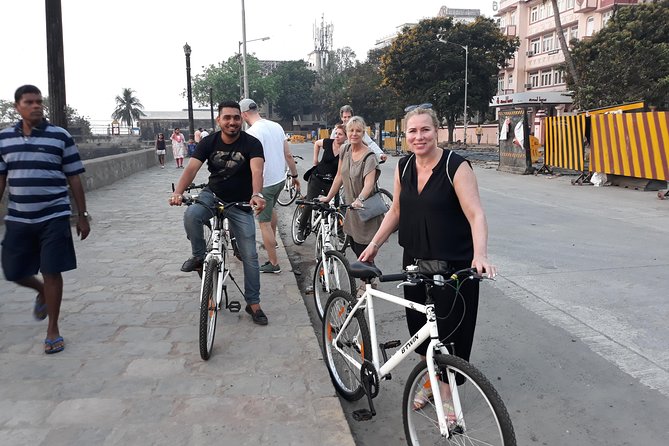
I love the cool morning pace and the fact that the tour handles the basics for you: bikes, helmet, drinks, and bottled water. Your guide keeps the ride moving so you cover more ground than you’d manage on foot, without feeling rushed in the stops themselves.
One thing to consider: the 6:00 AM start is early, and with 20–30 minute segments at each stop, you’ll need a moderate fitness level and you won’t have time to linger at just one place for long.
In This Review
- Key highlights at a glance
- Why a 6:00 AM Heritage Bike Tour Works So Well in Mumbai
- The Practical Setup: Meeting in Colaba, Then Pedaling Through the Back Lanes
- Gateway of India at the Start: British Raj Stance Meets Cooler Morning Air
- Chhatrapati Shivaji Terminus: A Rail Giant You See Up Close, Not Just From a Map
- Crawford Market: Old-Style Shopping with a Story About Electricity
- Marine Drive: The Queen Necklace View Without the Later-Day Squeeze
- Sassoon Dock (1875): When the Tour Turns Toward Work and Water
- Bombay Panjrapole: Cow Donations, Milk Prasad, and a Temple System Explained
- Mumba Devi Temple: A Local Goddess Story in Marathi Roots
- Zaveri Bazaar: Jewelry Shopping Time You Control
- Price and Value: Is $36.29 Worth It for a Three-Hour Heritage Bike Tour?
- Who This South Mumbai Heritage Bike Tour Suits Best
- Should You Book This Early Morning Heritage Bicycle Tour?
- FAQ
- How long is the South Mumbai heritage bicycle tour?
- What time does the morning tour start?
- Where does the tour begin and end?
- Are bikes and helmets included?
- Are admission tickets included for the stops?
- Is free cancellation available?
Key highlights at a glance
- Less crowd time at iconic spots like Gateway of India and Marine Drive
- Two early morning sessions so you can pick what fits your day best
- Bikes and helmets included (upon request) plus bottled water and drinks
- A guided loop across major history and daily-life stops, from stations to markets
- Short guided visits (mostly 20–30 minutes) that keep the tour moving
- Small group size with a maximum of 15 people
Why a 6:00 AM Heritage Bike Tour Works So Well in Mumbai
Mumbai has a way of turning your day into a gridlock puzzle. This tour sidesteps that problem by going out early, when streets feel more breathable and the city is still waking up. You get that rare combo: big sights plus quieter vibes, with less time spent stuck in traffic.
Another win is that it’s only about three hours. That’s long enough to feel like a real mini-journey across South Mumbai, yet short enough that you keep your afternoon free—great if you want to add a museum visit, a beach stop, or just wander on your own later.
And the loop is built around variety. You’ll see a mix of monuments, transportation architecture, markets, docks, and temples. It’s not one long photo stop list; it’s a chain of scenes that explain how the city works.
You can also read our reviews of more historical tours in Mumbai
The Practical Setup: Meeting in Colaba, Then Pedaling Through the Back Lanes
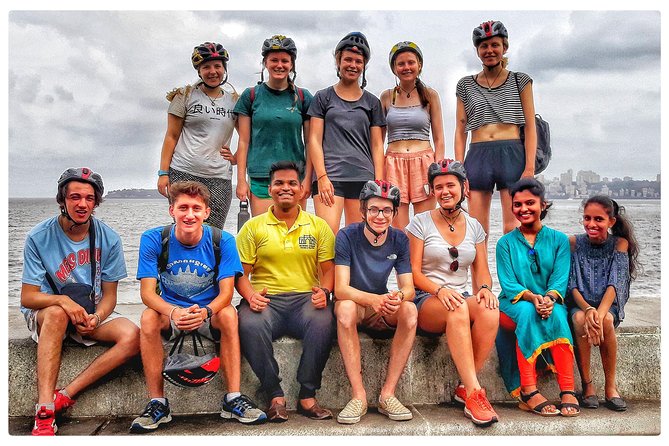
You’ll start and end back at Kailash Parbat Restaurant in Colaba. The meeting location is listed as Sheila Mahal Society Shop no 5, 1st Pasta Ln, Apollo Bandar, Colaba. Ending at the same spot makes this easy to plug into your trip rhythm—no figuring out a second pickup.
The tour operates every day and uses a mobile ticket, which keeps things simple. Expect a small group of up to 15 people, which matters because it’s much easier to ride and stop when everyone is on the same schedule.
You’ll want moderate physical fitness. The itinerary times are short at each stop, but you’re still cycling. This is also a morning ride, so dress for cool temps up front (they can change fast after sunrise).
Gateway of India at the Start: British Raj Stance Meets Cooler Morning Air
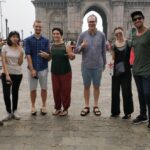
The first stop is Gateway of India, where the British Raj era left a famous landmark. It’s the kind of place people recognize instantly, but it can also be hectic later in the day. Early morning helps you experience it with a calmer pace.
What I like about starting here is that it sets the tone. You’re at a major symbol of Mumbai, and then the tour moves into other layers of the city—transport, markets, sea views, and worship spaces. Even if you’ve seen photos before, it helps to get your bearings fast in person.
You’ll have about 30 minutes at this stop. The area is known for ferry activity and entertainment, so going early means those attractions are present, but the momentum feels gentler.
Chhatrapati Shivaji Terminus: A Rail Giant You See Up Close, Not Just From a Map
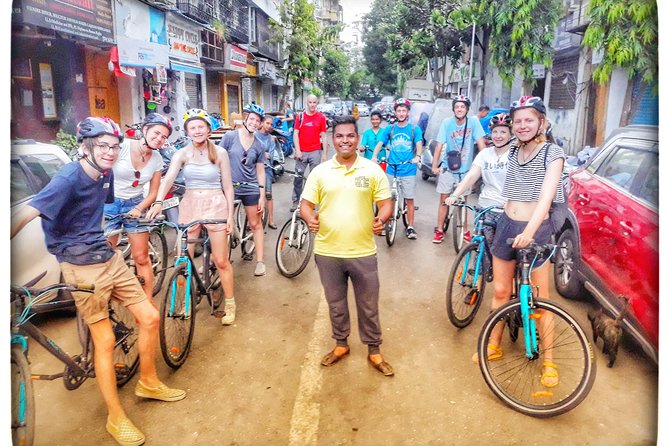
Next up is Chhatrapati Shivaji Terminus (CST). This isn’t just another building photo. The place is described as having excellent connectivity—linking to central, harbor, and outstation trains—and the exterior reflects the perseverance of its ancient colonial structure.
Even with only 20 minutes here, you can appreciate why CST is such a defining landmark. It’s architecture tied to movement, and you feel that when you’re near it.
A small caution: CST is visually busy. If you’re the type who likes to read every detail, 20 minutes can feel short. Still, for a guided early ride, it’s a solid introduction point that keeps the tour flowing.
Crawford Market: Old-Style Shopping with a Story About Electricity
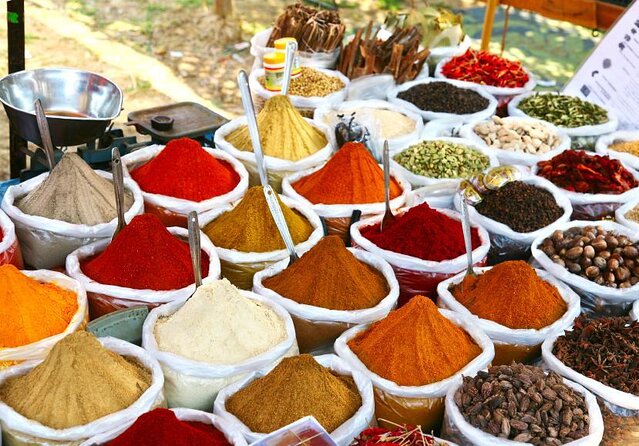
Then you’ll stop at Crawford Market for about 20 minutes. This is where the tour leans into daily life. The market is described as the first shopping destination that ran on electricity, and the interesting part is how that early-adoption story connects to the present-day feel.
This stop works well if you like seeing commerce woven into a place’s character. You’re not just looking at a landmark; you’re checking out how a historic market still functions.
The downside of a market stop on a bike tour? You may want more time if you find yourself actually browsing. With only 20 minutes, treat this as a guided taste-and-orient moment rather than a full shopping session.

Marine Drive: The Queen Necklace View Without the Later-Day Squeeze
Marine Drive is next, and you’ll get around 20 minutes. It’s known by the nickname queen necklace, and the appeal here is the view toward the Arabian Sea.
What’s smart about doing Marine Drive on a bike tour is that you’re not stuck on foot trying to find the best angle while crowds build. In the morning, the sea-facing stretches feel more relaxed, and you can enjoy the line of the promenade without fighting for space.
Quick tip for your photos: the best angle can depend on where you stop, so listen to your guide about where to position yourself. You’ll only have a short window here, so plan for fast snapshots.
Sassoon Dock (1875): When the Tour Turns Toward Work and Water
At Sassoon Dock, you’ll see a major working-port piece of Mumbai’s story. The dock is described as one of the oldest and was constructed in 1875. It’s a different mood from the monuments and markets—more functional, more industrial, more rooted in the city’s trade.
You get about 20 minutes at this stop. That’s enough time to notice details like the age of the dock and how it frames the water view, even if you’re not spending an entire afternoon in the area.
If you’re hoping for a deep dive into maritime history, this is likely more “quick guided perspective” than “full education.” Still, in a three-hour loop, it adds real texture.
Bombay Panjrapole: Cow Donations, Milk Prasad, and a Temple System Explained
Now the tour shifts into a spiritual-and-social tradition with Bombay Panjrapole. You’ll have around 30 minutes here.
The concept is tied to villages where cows were donated so milk could be used for preparing temple prasad—often kheer, and sometimes mava and other sweets. It’s a practical way to understand how care for animals links into food offerings and religious routine.
I like this stop because it explains how culture runs on simple systems. It’s not only about the building or the view; it’s about the logic behind the place.
One consideration: prasad and temple culture can feel personal and not everyone wants to watch from the edges. Keep a respectful distance and follow your guide’s instructions about what’s appropriate during the visit.
Mumba Devi Temple: A Local Goddess Story in Marathi Roots
After that, you’ll visit Mumba Devi Temple (Mumba Devi Mandir) for about 20 minutes. The temple is dedicated to the goddess Mumbā, described as the local incarnation of Devi.
You’ll also learn the Marathi name मुंबा is said to derive from Sanskrit. It’s a quick language-and-belief connection that adds depth without turning the tour into a lecture.
Temple stops can come with unspoken expectations—quiet voices, respectful behavior, and paying attention to what’s happening inside. The time here is short, but it’s enough to understand the place’s role in the local religious landscape.
Zaveri Bazaar: Jewelry Shopping Time You Control
The final stop is Zaveri Bazaar, a famous jewelry market. You’ll have around 20 minutes here, and the focus is on items like gold and diamonds, artificial necklaces, zhoomka, rings, and other ornaments.
This stop is best for people who enjoy browsing and comparing rather than people who need a structured itinerary with no shopping. Since jewelry markets can pull you in, decide ahead of time how much time you want to spend looking versus just soaking in the atmosphere.
If buying isn’t your plan, you’ll still get value by watching how the market operates—signage, display styles, and the energy of a place that’s built around craft and trade.
Price and Value: Is $36.29 Worth It for a Three-Hour Heritage Bike Tour?
At $36.29 per person, the price isn’t just paying for a ride. You’re also paying for a guide, plus the included practical gear and refreshment setup.
Here’s what adds value in plain terms:
- The tour includes a professional guide
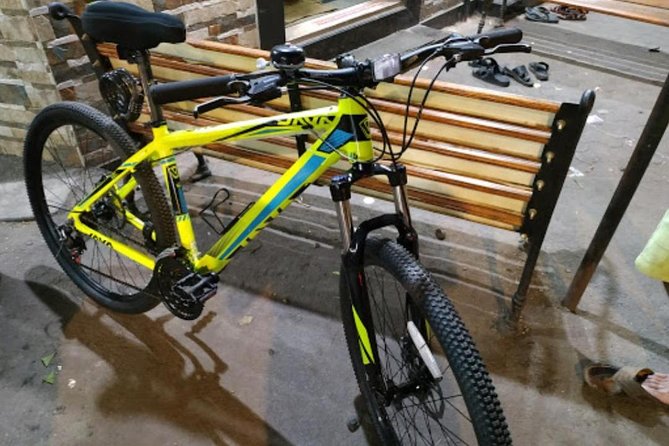
- Bicycle and helmet are included (upon request)
- Drinks and bottled water are provided during the tour
- The listed stops show free admission for each segment
Because the attractions don’t require paid entry (based on what’s listed), more of your money stays tied to what you’re actually buying: guided interpretation, smooth logistics, and the ability to cover multiple parts of South Mumbai fast.
You’re also getting a small-group experience, capped at 15 people. That usually makes it easier to keep momentum and still get answers.
One note: tips are not included. Plan a bit of extra cash if you want to reward the guide for the effort.
Who This South Mumbai Heritage Bike Tour Suits Best
I’d book this if you want a morning plan that feels like you’re moving through the city’s layers—monuments, markets, temples, and docks—in a short window. It’s also a good match if you’re staying around Colaba or Fort, because starting and ending nearby makes your day easier to manage.
It’s less ideal if you hate early mornings or if you’re looking for long stays at each site. This is a loop with short, guided stops, not a slow museum-style pacing.
Also, if you enjoy practical culture—how places work day to day—this itinerary makes sense. You’ll see how transportation architecture (CST), sea areas (Marine Drive), working infrastructure (Sassoon Dock), and religious sites (Panjrapole, Mumba Devi Temple) all sit inside the same geographic experience.
Should You Book This Early Morning Heritage Bicycle Tour?
Yes, you should book it if you can handle a 6:00 AM start and you want to see South Mumbai efficiently without roasting in the midday sun. The mix of stops is practical, and the guided ride helps you find the kinds of places you’d likely miss or struggle to organize on your own—especially when you’re trying to cover a lot in only three hours.
Book it with realistic expectations: you’ll get smart orientation and guided context, but you won’t linger for hours at every stop. If that balance sounds right, this is a strong way to start your day in Mumbai.
FAQ
How long is the South Mumbai heritage bicycle tour?
It’s about 3 hours.
What time does the morning tour start?
The morning session starts at 6:00 AM.
Where does the tour begin and end?
It begins and ends at Kailash Parbat Restaurant in Colaba (Sheila Mahal Society Shop no 5, 1st Pasta Ln, Apollo Bandar, Colaba, Mumbai).
Are bikes and helmets included?
Yes. Bicycle and helmet are included upon request.
Are admission tickets included for the stops?
The listed stops show admission ticket free for each segment.
Is free cancellation available?
Yes. You can cancel for a full refund up to 24 hours in advance of the experience start time.