REVIEW · NEW DELHI
15-Day Private Rajasthan Heritage Tour– Safari, Desert, Taj Mahal
Book on Viator →Operated by Taj Mirror Tours · Bookable on Viator
Forts and sand, then the Taj, fast. This 15-day private Rajasthan heritage drive ties together Delhi’s Mughal and modern icons, Shekhawati havelis in Mandawa, and the desert-to-palace route to Agra, with an easy private AC car and professional local guides at each stop. One heads-up: monument and safari fees are not included, about USD 200 per person.
I like how the pacing mixes big-name sights with smaller, more interesting details like step-wells, family museums inside forts, and temple stops you’d miss if you were winging it. If your priority is comfort plus culture (not just photo stops), this format fits well. The only thing to plan around is temple footwear and dress—yes, you really will take your shoes off often.
In This Review
- Key highlights worth planning around
- The big idea: one private road trip, many Rajasthan worlds
- Delhi first: Humayun’s Tomb, Qutub Minar, and the feel of two eras
- Mandawa’s haveli “open-air museum” energy
- Practical note for Mandawa
- Bikaner: fort history, royal museums, and temples with a twist
- Food and pacing in Bikaner
- Jaisalmer: the golden city, then the Thar at sunset
- Sam Sand Dunes: the camel ride plus real cultural stops
- Jodhpur: Mehrangarh, blue city views, and a stepwell morning
- One of my favorite “small but special” stops in Jodhpur
- Ranakpur to Udaipur: Jain architecture and lake-city romance
- Udaipur: palaces, temples, and boat time
- Chittorgarh: UNESCO scale plus towers, temples, and legends
- Pushkar’s mix: Brahma Temple, 52 ghats, and vegetarian daily life
- Jaipur day: Jantar Mantar, Hawa Mahal, forts with practical views
- Ranthambhore: early safari timing and the fort inside the park
- Agra finale: Taj Mahal sunrise, Agra Fort, and Baby Taj serenity
- Price and logistics: what USD 1,013 buys you, and what to budget extra
- Who this tour fits best (and who should pick something else)
- Should you book this 15-Day Rajasthan heritage route?
- FAQ
- What is included in the tour price?
- Are monument and safari fees included?
- Is pickup available in Delhi?
- Is the Taj Mahal open every day?
- What happens if Lotus Temple is closed?
- Do I need a photo ID for the tour?
- Is there an optional desert camp in Jaisalmer?
- When is the Pushkar Camel Fair?
Key highlights worth planning around
- Private AC car all the way from Delhi to Agra so you’re not constantly re-booking transport between cities
- Mandawa’s haveli artwork with mural-heavy stops like Tarkeshwar Goenka and Murmuria Haveli
- Sam Sand Dunes camel ride plus desert culture shows including Kalbelia performances and a puppet show
- Ranthambhore early-morning safari for the best shot at spotting tigers in one of India’s top tiger reserves
- Pushkar’s Brahma Temple and lake ghats with a rare mix of spiritual sites and local daily life
- Taj Mahal sunrise timing for mood and light, with a key rule: it stays closed on Fridays
The big idea: one private road trip, many Rajasthan worlds
This tour works because it strings together several Rajasthan “modes” in one clean loop. You’ll shift from Delhi’s grand monuments to desert artistry, then to fort culture, lake romance, and finally Mughal masterpieces in Agra. The travel style matters: a private uniformed chauffeur plus a live local guide means you don’t spend the day figuring things out.
The price also makes more sense when you break down what you’re actually buying. Yes, it’s USD 1,013 per person, but you’re covering a long, multi-day car journey with guides and (when you choose the hotel option) 5-star accommodation with breakfast. You’re not just paying for entry tickets.
You can also read our reviews of more private tours in New Delhi
Delhi first: Humayun’s Tomb, Qutub Minar, and the feel of two eras
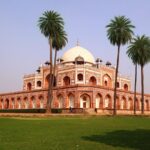
Your Delhi portion starts with a pickup and hotel check-in, then a sightseeing day that balances Mughal classic with modern-day faith and city life. Humayun’s Tomb is a strong opener: UNESCO-listed, Persian-and-Mughal in style, and set inside calm gardens that make it less hectic than many major sights.
Later, you’ll also see Swaminarayan Akshardham, which is a modern temple complex built with serious craftsmanship and storytelling through architecture. It’s a different vibe than Humayun’s Tomb, and I like that contrast—old empire design followed by newer religious spectacle.
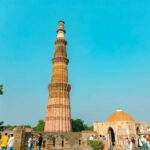
The next day adds the “Delhi postcard” trio: Qutub Minar, India Gate, and Lotus Temple. Qutub Minar’s height and history set a dramatic tone, India Gate gives you a moment of national remembrance, and Lotus Temple adds a clean, geometric calm. If you’re traveling on a Monday, note that Lotus Temple is listed as closed; in that case, you’ll be taken to Iskcon Temple or Shri KalkaJi Temple.
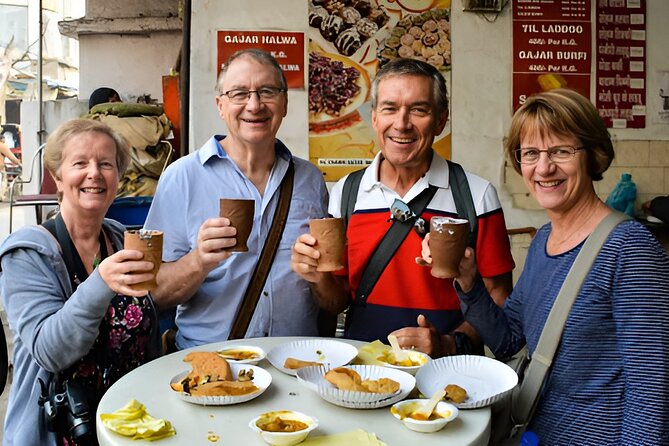
Then you’ll swing into real street-food energy at Chandni Chowk for lunch. This stop matters because the day isn’t only about monuments—it’s also about learning what people actually eat when they’re not doing sightseeing.
Mandawa’s haveli “open-air museum” energy
Mandawa is where the tour quietly turns interesting. Instead of just forts and palaces, you spend time with Shekhawati mural culture—painted walls that act like history books for the region. That’s why Mandawa earns its reputation as the open art gallery of Rajasthan.
You’ll explore multiple havelis, each with a distinct flavor. Tarkeshwar Goenka Haveli is known for mythological scenes mixed with surprising details like British soldiers, steam locomotives, and even gramophones. Murmuria Haveli leans into colonial-era visual jokes and timelines, including paintings of trains and European kings. Gulab Raj Ladia Haveli is famous for some of the best-preserved fresco work.
This is one of the smartest parts of the itinerary because it’s not the same set of stops everyone posts. It also gives you a break from driving long hours every day. You’ll finish with an easy local-food moment in the town for lunch, then a visit to Harlalka Well—an ancient stepwell that’s simple, peaceful, and visually different from the crowded photo spots.
Practical note for Mandawa
Expect to do a fair bit of walking and looking up at details. If you want great photos, bring a smartphone with good camera stability (or a small tripod if you use one). Also keep your expectations realistic: these are functioning heritage homes and interiors, not a perfectly lit museum.
Bikaner: fort history, royal museums, and temples with a twist
Bikaner is both desert-edge and royal. Junagarh Fort is the anchor stop. It’s not just a wall of stone—it’s a whole complex with the Prachina Museum inside, where you can see royal costumes, portraits, decorative arts, and family heirlooms. That makes the fort feel personal, not just monumental.
Then you’ll also visit Lalgarh Palace and its museum. The Indo-Saracenic style is eye-catching, and the museum format helps you understand what the royal household looked like in daily terms.
What I like most here is the way Bikaner blends animals, religion, and everyday snacks. You’ll stop at Karni Mata Temple in Deshnoke, where sacred rats roam in large numbers—this isn’t a side show; it’s a living religious site. You’ll also see Jain Temple Bhandasar with detailed interior decorations, including gold leaf paintings and delicate fresco work.
You can also read our reviews of more historical tours in New Delhi



Food and pacing in Bikaner
Lunch is built around Bikaner favorites like dal bati churma, gatte ki sabzi, and ker sangri with buttermilk. If you’re a foodie, this is the kind of regional specificity that makes a long road trip worthwhile.
Jaisalmer: the golden city, then the Thar at sunset
Jaisalmer is the “Golden City” moment. You’ll get the Jaisalmer Fort first, built of yellow sandstone, and then the fort palace museum inside. That palace museum adds context by showing royal quarters, weapons, and artifacts of the Bhati Rajputs, plus views over the city that look especially good late in the day.
You’ll also visit several haveli complexes in town—Kothari’s Patwon Ki Haveli, Patwa Haveli, Salim Singh-ki Haveli, and Nathmal Ji Ki Haveli. These aren’t duplicates. Each one has a different kind of design signature: jharokhas, carved screens, mirror-studded interiors, and symmetry that feels almost engineered.
From there, you’ll go to Gadisar Lake, which helps reset your brain after dense architecture. It’s tranquil and surrounded by shrines and ghats. Then the tour turns outward into desert life at Sam Sand Dunes.
Sam Sand Dunes: the camel ride plus real cultural stops
At Sam, you get the camel ride as the sun dips and light turns the dunes into waves. You’ll also see cultural performances, including Kalbelia dancers. After that, the Desert Cultural Centre puppet show adds something practical: it’s a small museum-style visit with tools, textiles, and desert-life artifacts, plus puppet performances tied to local storytelling.
There’s also an optional overnight desert camp in a Swiss tent setting. Tent availability is limited and subject to confirmation, so if this is a must-do, ask early.
Jodhpur: Mehrangarh, blue city views, and a stepwell morning
Jodhpur’s story is less about color for the sake of color and more about scale and survival. Mehrangarh Fort dominates everything, and Jaswant Thada adds a quieter, white marble contrast. Umaid Bhawan Museum rounds out the royal theme in a modern way, since the palace was built during a famine to create employment and today includes a museum and other uses.
After that, you’ll spend time with Jodhpur’s street life around the Sardar Market near the Clock Tower. It’s where you can browse spices, tie-dye fabrics, and handcrafted goods, and it’s also a good place to test local taste with makhaniya lassi.
Then you’ll move to Mandore Garden, where royal cenotaphs are built in a Hindu temple style and the setting is calmer than most major fort grounds. If you enjoy walking with fewer crowds, it’s a nice shift.
One of my favorite “small but special” stops in Jodhpur
On the next day’s morning portion, you’ll do Rao Jodha Desert Rock Park at sunrise, and then Toorji Ka Jhalra, the step well. I like these because they’re not about monuments-as-a-photoshoot; they’re about understanding how people built life around water and land.
Ranakpur comes right after, via scenic Aravalli hills.
Ranakpur to Udaipur: Jain architecture and lake-city romance
Ranakpur is about temples in a forested-hill setting, and that changes the whole tone of the trip. You’ll visit Ranakpur Jain Temple, and then Surya Narayan Temple nearby. The area’s stop at Sadri also adds depth with a cluster of temples in a small town setting.
Muchhala Mahavir Jain Temple is listed as a more hidden gem, and I like that it’s described as tucked into forested terrain with a distinctive iconographic detail: Lord Mahavir shown with a moustache. That kind of detail is exactly why a guided visit matters; without context, you’d miss why it’s unusual.
Before moving on, there’s also a short stop at Ranakpur Dam for nature photography and quiet time.
Then you drive into Udaipur, the classic City of Lakes. The tour settles you in at a lakeside heritage hotel, which matters because Udaipur’s best moments come when you have time to slow down.
Udaipur: palaces, temples, and boat time
City Palace is a centerpiece, with courtyards, balconies, and towers. Jagdish Temple adds an active spiritual stop, and Sahelion Ki Bari is a garden designed for the queen and her attendants, with marble pavilions, fountains, and lotus pools. You can feel the shift from royal power to everyday leisure.
Then you go to Lake Pichola, where a boat ride is highlighted as a real payoff, especially near sunset. Jagmandir on the island adds a Mughal-prince-refuge vibe, accessed only by boat. Bagore Ki Haveli Museum is another good “interpretation” stop: it’s a haveli turned museum and it hosts evening Rajasthani puppet or folk shows.
You’ll also take time at Fateh Sagar Lake and go up to Sajjangarh Monsoon Palace for panoramic views. The trip ends with Bharatiya Lok Kala Mandal, a museum focused on Rajasthani folk arts—costumes, masks, instruments, and traditional puppetry.
Udaipur is the point where the tour feels like a full story, not just a list of sites.
Chittorgarh: UNESCO scale plus towers, temples, and legends
Chittorgarh is one of India’s largest forts, spread across 700 acres. It carries the weight of courage, sacrifice, and Rajput pride, and the ruins make it feel like history has physical gravity.
Within the fort, Rana Kumbha Palace is a major stop, and Padmini’s Palace comes next by a lotus pool. Even if you already know the broad legend, guides help you understand what you’re looking at and why it matters.
Vijay Stambh is another highlight. It’s a 9-story tower built to celebrate victory, and you have the option to climb its 157 steps if you want the higher views. Tower of Fame (Kirti Stambh) is smaller but covered in Jain carvings and symbols. Meera Temple and Kalika Mata Temple add two more spiritual layers, and Gaumukh Reservoir rounds things out with a sacred tank fed by a spring.
Then you drive to Pushkar for the night.
Pushkar’s mix: Brahma Temple, 52 ghats, and vegetarian daily life
Pushkar starts with the Brahma Temple, one of the few temples dedicated to Lord Brahma. The stop around Pushkar Lake is also key: it’s surrounded by 52 ghats, and pilgrims perform rituals and holy dips. The description of early morning calm is practical—timing here affects your experience.
You’ll also visit Shree Savitri Mata Mandir, reached by cable car or short trek, which gives panoramic views. Varaha Temple adds ancient charm with a white sandstone idol. Old Rangji Temple adds a blend of South Indian, Mughal, and Rajput architecture, which helps you see how cultural styles mix in Rajasthan.
Lunch is vegetarian and noted as often prepared without onion or garlic due to the town’s spiritual significance. That’s a useful detail because it explains what you’ll taste and why.
You can also stop at Gurudwara Singh Sabha, a peaceful Sikh place of worship connected to Guru Nanak Dev and Guru Gobind Singh’s visits. And then there’s the Camel trade fair stop: the big annual fair runs from October 30 to November 5. If your travel dates don’t line up, the field still gives a glimpse of camel-based local life.
Jaipur day: Jantar Mantar, Hawa Mahal, forts with practical views
Jaipur is the Pink City chapter, and the tour includes UNESCO Jantar Mantar with its world’s largest stone sundial plus 19 astronomical instruments. If you like science history, this is a strong stop. If you’re more into streets, you’ll still appreciate it because it’s outdoors and built for observation.
Then you see Hawa Mahal, the five-story pink facade with 953 jharokhas designed so royal women could watch city life unseen. Nahargarh Fort provides panoramic views, while Jaigarh Fort focuses on military strength and connection to Amber Fort via subterranean passages. Jaigarh also houses the world’s largest cannon on wheels, Jaivana.
Jal Mahal is another practical photo moment. You’ll enjoy it at sunset, but it’s noted that entry isn’t allowed, so keep your expectations to reflections and views.
From Jaipur, you drive to Ranthambhore.
Ranthambhore: early safari timing and the fort inside the park
This is your wildlife day. The tour schedules an early morning safari in Ranthambhore National Park, listed as one of India’s premier tiger reserves over 1,300 sq km. There’s no guarantee of seeing a tiger, but the safari timing is the big factor you can control, and this itinerary leans into that.
Ranthambhore Fort is a UNESCO site set within forested areas. It includes temples inside, and it gives you a sense of how old settlement patterns sit right in the wild today. The mix here is smart: you get the thrill of the jungle and the context of the fort.
Agra finale: Taj Mahal sunrise, Agra Fort, and Baby Taj serenity
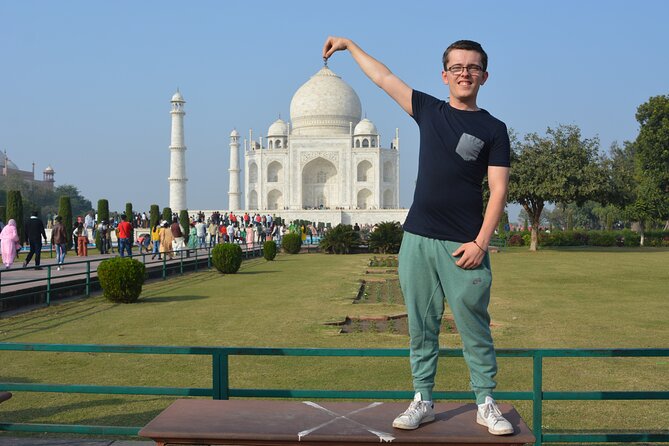
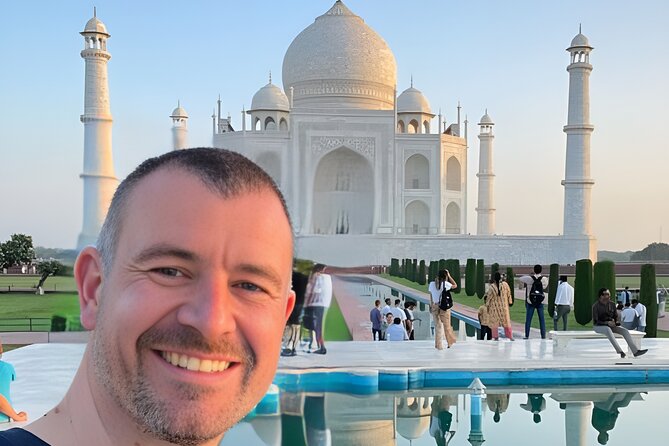
The last day is built around the Taj Mahal at sunrise. That matters because the light changes how the marble looks and how the crowd energy feels. Just remember: the Taj Mahal remains closed on Friday, so plan your calendar around that.
After the sunrise visit, you’ll explore Agra Fort, a red sandstone seat of Mughal power built by Akbar and later embellished by Shah Jahan. Then you’ll visit Itmad-ud-Daula, often called the Baby Taj, known for intricate inlay work and pietra dura.
You finish with lunch in Agra, then drive back toward Delhi. The route is described through the Chambal region, known for rugged landscapes and quieter cultural pockets.
Price and logistics: what USD 1,013 buys you, and what to budget extra
At USD 1,013 per person for 15 days, the best way to judge value is to look at what’s included versus what isn’t.
Included:
- private uniformed chauffeur
- live tour guide with various foreign languages
- sightseeing by private air-conditioned car/tempo traveler
- pickup and drop in Delhi (airport, railway station, or desired location)
- parking, tolls, taxes, allowances, fuel, and interstate taxes
- 5-star hotel accommodation with breakfast if you choose that option
Not included:
- monument and safari fees (approx USD 200 per person)
- any activities not mentioned
So you’re paying for time, organization, and comfort. For a road trip this long, a private car plus guides can easily be the difference between a calm trip and a stressful one. The only financial surprise to avoid is the monument and safari budget—set aside that extra amount and you’ll feel in control.
Two more logistics notes that matter in real life:
- You’ll need a valid photo ID to check in at monuments.
- Shoes-off rules apply at temples and sacred sites, so wear comfortable footwear you can remove quickly.
Who this tour fits best (and who should pick something else)
This is a great fit if you want:
- a private itinerary where you don’t share a car with strangers
- a road trip that includes both Rajasthan heritage cities and a serious wildlife safari
- comfort from an air-conditioned car for long drives
It may not be the best choice if you:
- only want one or two marquee sights (because this itinerary is packed)
- dislike early starts (Ranthambhore safari and Taj sunrise are scheduled early)
Should you book this 15-Day Rajasthan heritage route?
Yes, consider booking if you want a well-paced mix of forts, stepwells, desert culture, lake-city sightseeing, and an actual national-park safari, all handled with a private chauffeur and live guides. I’d also book it if your trip style is comfort-first but not “only big monuments.” The Mandawa-to-Jaisalmer haveli route and the stepwell mornings are the kind of details that make the trip feel earned.
Skip or rethink it if your dates fall on a Friday for Agra, because the Taj Mahal stays closed that day. And if you’re budgeting tightly, remember to factor in monument and safari fees of roughly USD 200 per person.
If your schedule is flexible, check whether you want the optional desert camp in Jaisalmer, since tent availability is limited and needs confirmation at booking time.
FAQ
What is included in the tour price?
The tour includes a private uniformed chauffeur, a live tour guide with various foreign languages, sightseeing by private air-conditioned car/tempo traveler, pickup and drop in Delhi (airport/railway station/desired location), and all parking fees, tolls, taxes, allowances, fuel, and interstate taxes. If you choose the hotel option, 5-star hotel accommodation with breakfast is included.
Are monument and safari fees included?
No. Monument and safari fees are not included and are listed as approximately USD 200 per person.
Is pickup available in Delhi?
Yes. Pickup and drop are included in Delhi at the airport, railway station, or your desired location.
Is the Taj Mahal open every day?
No. The Taj Mahal remains closed on Friday.
What happens if Lotus Temple is closed?
Lotus Temple is listed as closed on Monday. In that case, you’ll be taken to Iskcon Temple or Shri KalkaJi Temple.
Do I need a photo ID for the tour?
Yes. You’ll need a valid photo ID to check at the monument.
Is there an optional desert camp in Jaisalmer?
Yes. An optional overnight stay in a Jaisalmer desert camp is available. Tent availability is limited and subject to confirmation at the time of booking.
When is the Pushkar Camel Fair?
The Pushkar Camel Fair takes place every year from October 30 to November 5.