REVIEW · NEW DELHI
New Delhi: Guided Night Photography & Heritage Tour of Delhi
Book on GetYourGuide →Operated by Explore Routes · Bookable on GetYourGuide
Delhi at night is when the monuments start talking. This guided Delhi night photography and heritage tour mixes lit-up Mughal architecture with food and easy transport, all in a tight 3 hours. You’ll walk, stop for photos, and get context so your shots look intentional, not just accidental.
I really like the small group size (max 6). It makes it easier to move through night streets without feeling lost, and you get time to ask questions about what you’re seeing. I also like the practical focus: you can use a smartphone or a digital camera, even if you’re not a “real photographer.”
One drawback to consider: it’s not suitable for people with mobility impairments, and the tour includes walking plus a couple of tuktuk rides. Also, you’ll need to follow the dress rules (no short skirts, no sleeveless shirts).
In This Review
- Key things that make this Delhi night tour worth it
- Why Delhi’s night monuments feel different (and photograph better)
- Getting started at Jor Bagh Metro Gate No 2
- Safdarjung Tomb after dark: your first big “wow” frame
- The tuktuk rides that keep the tour from feeling like exercise
- A 16th-century monument park with UNESCO sites (and how to shoot it)
- Sabz burj roundabout and the power of one landmark moment
- Nizamuddin area dinner: Seekh kebabs with Rumali rotis
- A “secret” photo stop and the value of fewer, better frames
- Gurudwara Bangla Sahib at night: the calm finish
- Drop-off near Hazrat Nizamuddin Aulia Dargah
- Price and value: why $38 can make sense for a 3-hour night tour
- Who should book this Delhi night photography and heritage tour
- Should you book this tour? My honest take
- FAQ
- How long is the Delhi night photography and heritage tour?
- Where do I meet the guide?
- What’s included in the price?
- Are hotel pickup and drop-off included?
- What language is the tour guide?
- Is the group size small?
- What should I bring and what should I wear?
- Is this tour suitable for people with mobility impairments?
Key things that make this Delhi night tour worth it
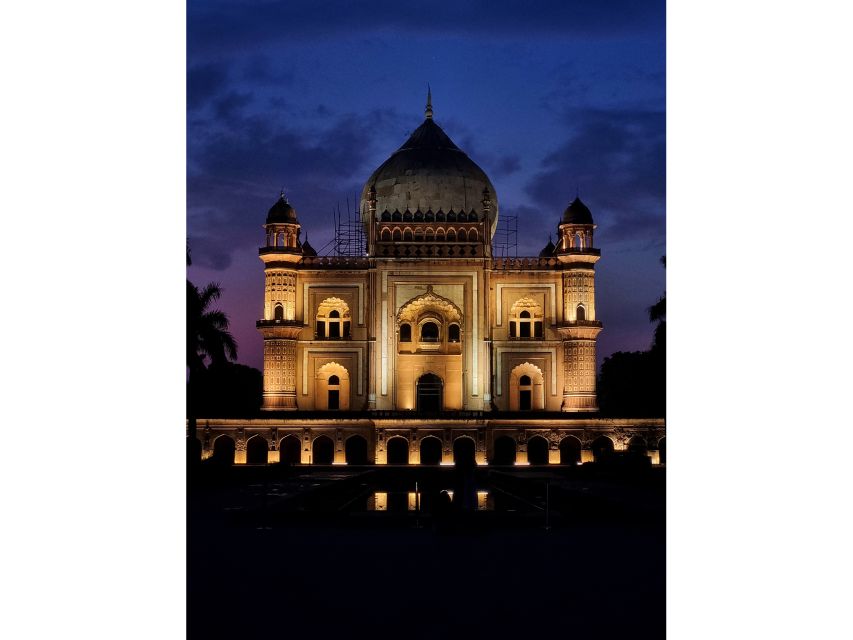
- Night-lit monuments: see major tombs and shrines glowing after dark, when shadows and colors change fast.
- Smart photo guidance: you’ll get prompts that work for both smartphone and digital cameras.
- Food built into the plan: you’re not just photographing—there’s a proper kebab dinner with Rumali rotis and a soft drink.
- Tuktuk time: short rides help you cover ground without turning the night into a marathon.
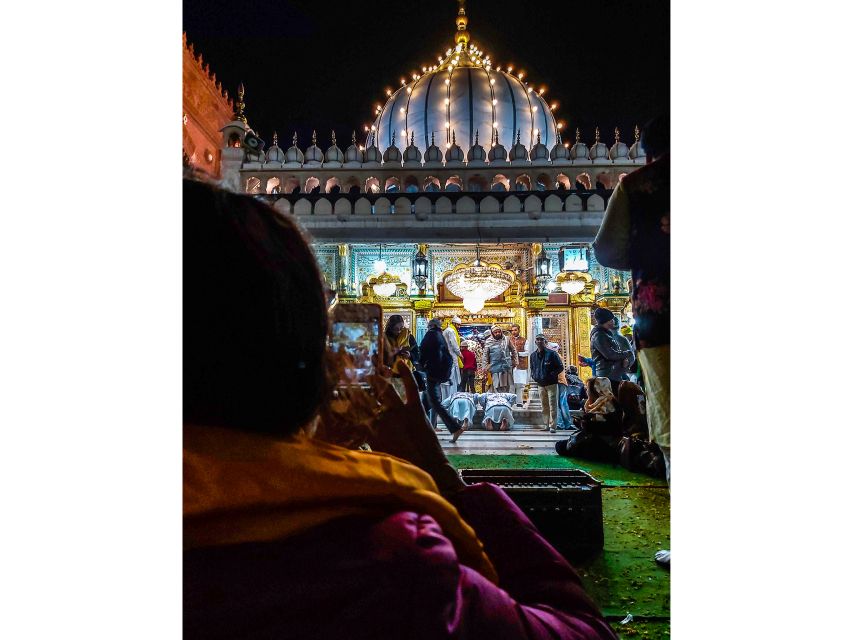
- Stops in two worlds: Mughal tomb areas and Sufi/faith landmarks, plus the calm energy of Gurudwara Bangla Sahib at night.
- Real guide attention: guides like Shahzeb and Faizy are noted for historical context and making the experience feel safe and organized.
Why Delhi’s night monuments feel different (and photograph better)
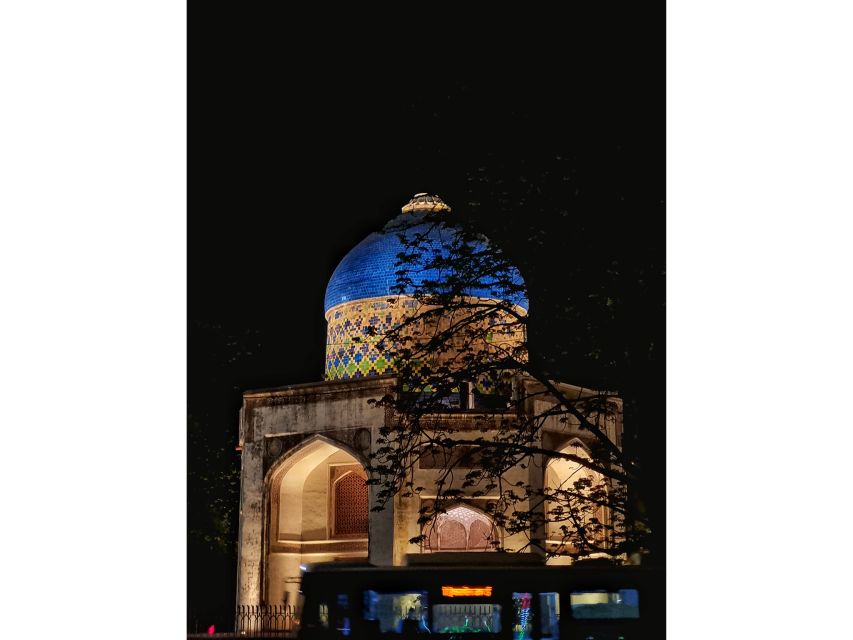
Delhi can look chaotic in daylight. At night, it slows down. Street lighting, monument floodlights, and the contrast between old stone and moving traffic create a totally different mood—one that’s easier to frame and harder to forget.
This is one reason I like that this tour is built around photo stops rather than rushing from one “checklist” sight to another. You get time to stand still, aim your camera, and actually notice details like arches, domes, and the way light pools on carved surfaces. Even if your phone is your main camera, your guide’s prompts help you avoid the classic night-photo problems: blurry shots from shaky hands and over-bright highlights.
There’s also a human side. Night tours can feel awkward if you’re walking alone. Here, the group stays small, and the guide keeps the pace friendly. On routes like this, guides such as Shahzeb are especially good at giving the why behind what you’re seeing, not just the what.
You can also read our reviews of more guided tours in New Delhi
Getting started at Jor Bagh Metro Gate No 2
You meet at Jor Bagh Metro Station, Gate No 2. Bring your booking QR code so your guide can spot you quickly. If you’re coming from elsewhere in Delhi, plan to arrive a few minutes early—night starts work best when everyone is together before you head into quieter lanes.
What surprised me when I looked into this kind of tour setup: it asks for a passport to be brought along. That’s not typical for every walking tour, so don’t skip it. Also, keep your clothing in line with the rules: no short skirts and no sleeveless shirts. The last thing you want is to feel tense at shrines or religious sites.
Once you’re with the group, the guide keeps the energy moving. The tour is only 3 hours, so you’ll want to keep your camera ready and your shoes comfortable from the first stop.
Safdarjung Tomb after dark: your first big “wow” frame
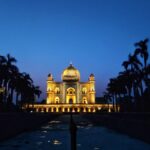
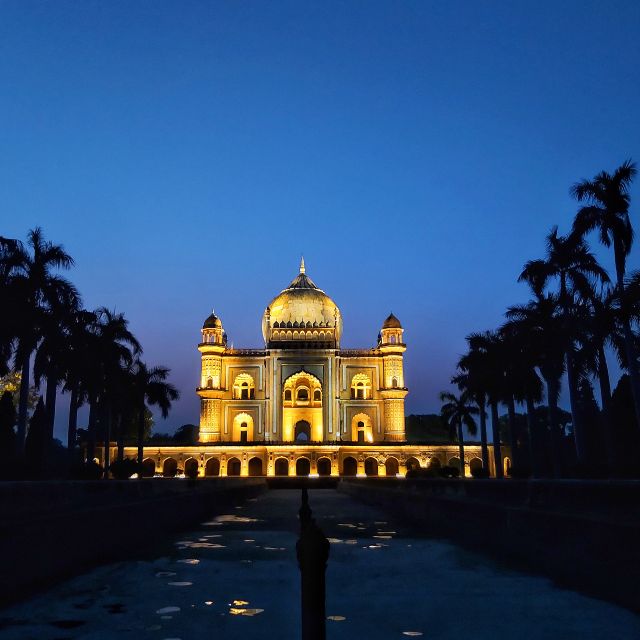
The tour’s first main photo moment is Safdarjung Tomb (about a 30-minute block including guided context and time to photograph). This is a strong opener because tomb architecture reads clearly at night: domes hold their shape under lighting, and the surrounding glow helps your camera separate the monument from the darker background.
Expect a guided walkthrough and enough time for photos. The best part of starting here is that you set your “night photography rhythm” early—check your framing, test your exposure, and learn what your guide wants you to capture before the night gets busier.
Practical tip: if you’re using a smartphone, switch to a mode that helps with night shots (many phones have one). If you’re using a digital camera, keep your settings steady for a few frames rather than constantly changing them. Your guide’s prompts are designed for this kind of patience.
The only downside is that the first stop includes walking time and a bit of standing around. If you hate being outside after dark, this tour might feel a little “more night” than you expect.
The tuktuk rides that keep the tour from feeling like exercise
You’ll hop into a tuktuk ride more than once (short segments, roughly 15 minutes each). In Delhi, tuktuks aren’t just fun. They’re a practical tool for getting between clusters of monuments and shrines without burning your energy on long night walks.
These rides also matter for photography. Instead of constantly recalculating directions, you can focus on what you’ll shoot next. Your guide helps the group stay together, which is a big deal at night.
One small comfort note: safety matters on night tours. On this route, there’s a specific example of the guide Faizy helping a participant with getting an Uber back to their hostel. You should still treat night streets with normal caution, but it’s reassuring that the guide mindset includes responsible logistics.
A 16th-century monument park with UNESCO sites (and how to shoot it)
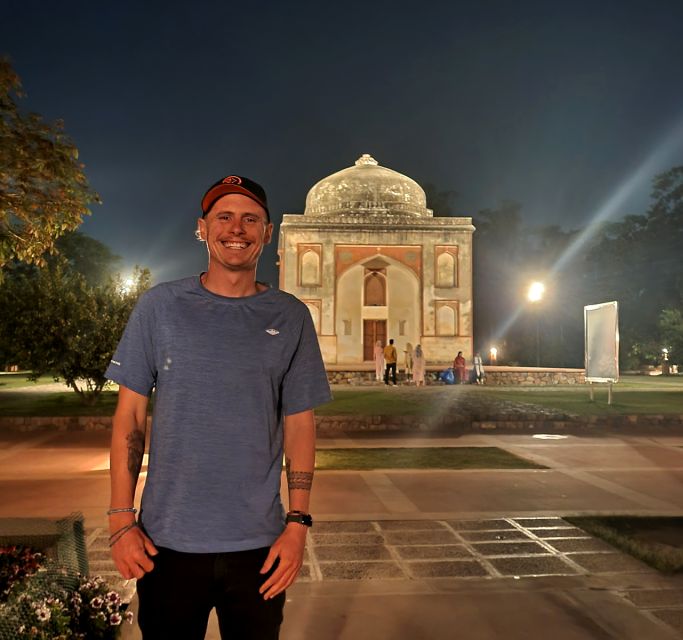
The heart of the tour includes a 16th-century heritage park complex with 15 Mughal-era monuments, including 6 UNESCO World Heritage sites. That’s a lot of visual information for a 3-hour window, so your guide’s job becomes critical: helping you choose what to photograph and giving the historical context so the shapes make sense.
This is where night lighting helps again. Multiple monuments in one area means your camera can work in “layers”:
- wider shots that show the complex layout,
- medium shots that isolate arches and domes,
- and close-ups that catch carved detail and shadows.
The guided part matters because Mughal monuments are built with patterns, symmetry, and specific design language. When someone explains what you’re looking at, your photo choices improve fast.
This is also one of the best places to ask questions. If you’re new to photography, don’t worry about getting perfect technical shots. Focus on creating a clear story in your frame.
You can also read our reviews of more historical tours in New Delhi

Sabz burj roundabout and the power of one landmark moment
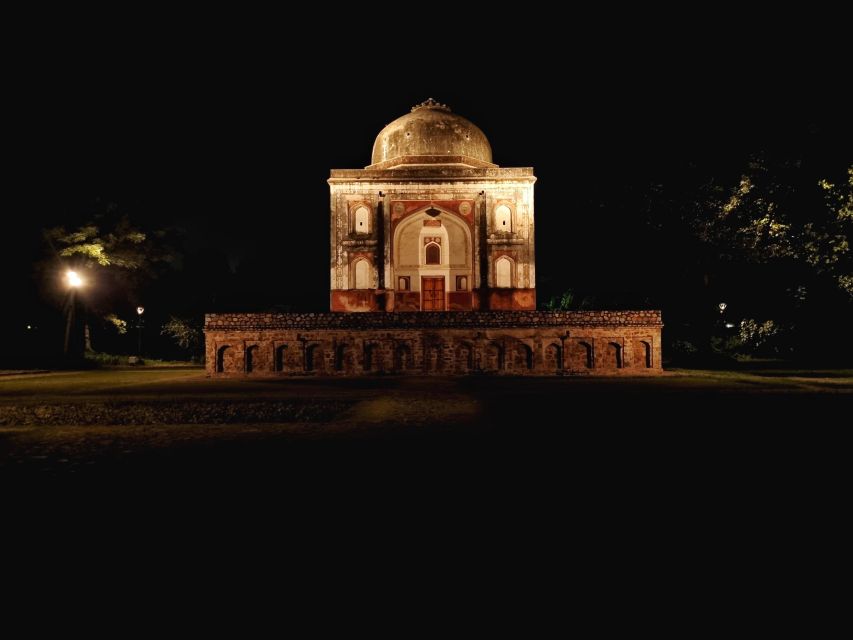
After the heritage park area, there’s a stop at Sabz burj roundabout. A roundabout landmark might sound like a random dot on a map, but at night it can be a gift for your photos. Roundabouts create natural “circles” and movement lines around the monument.
This kind of stop also helps you see Delhi beyond tombs and shrines. It’s city texture. It’s how Delhi actually lives around the monuments, not just how it looks in daylight brochures.
Nizamuddin area dinner: Seekh kebabs with Rumali rotis
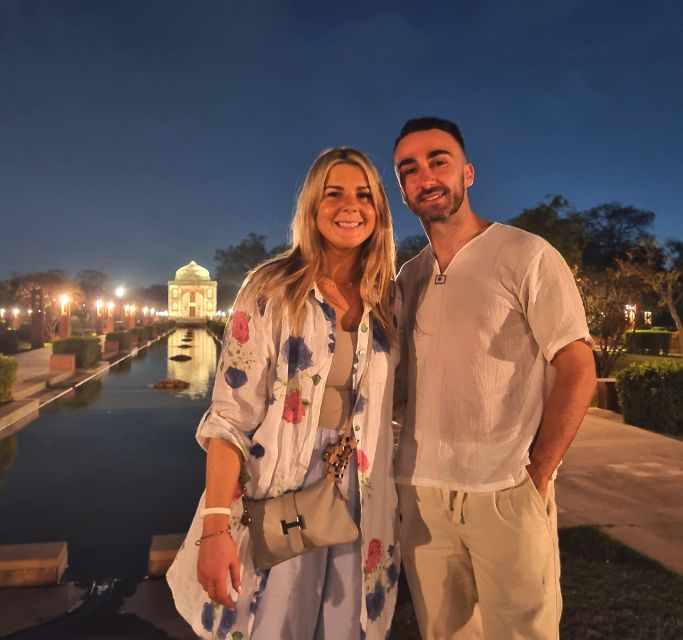
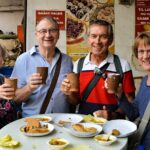
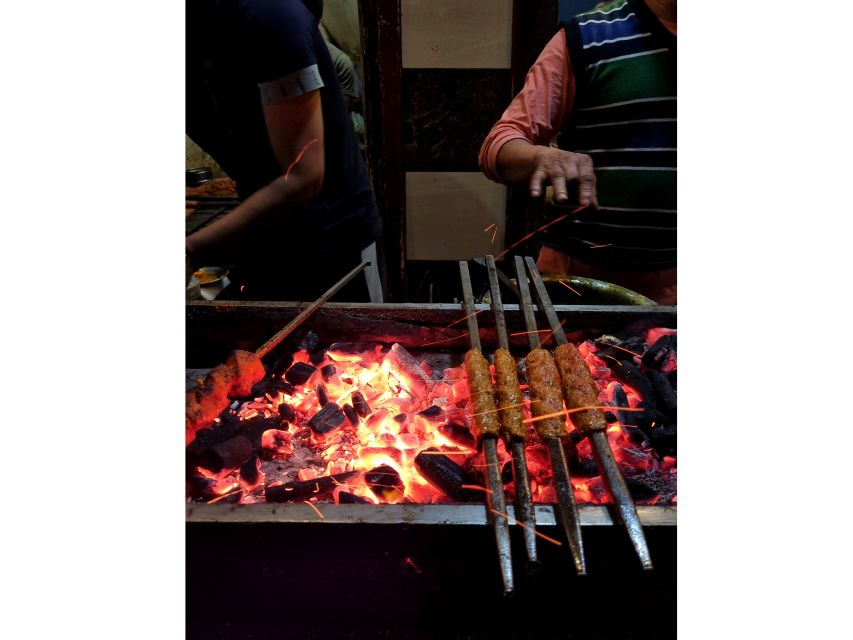
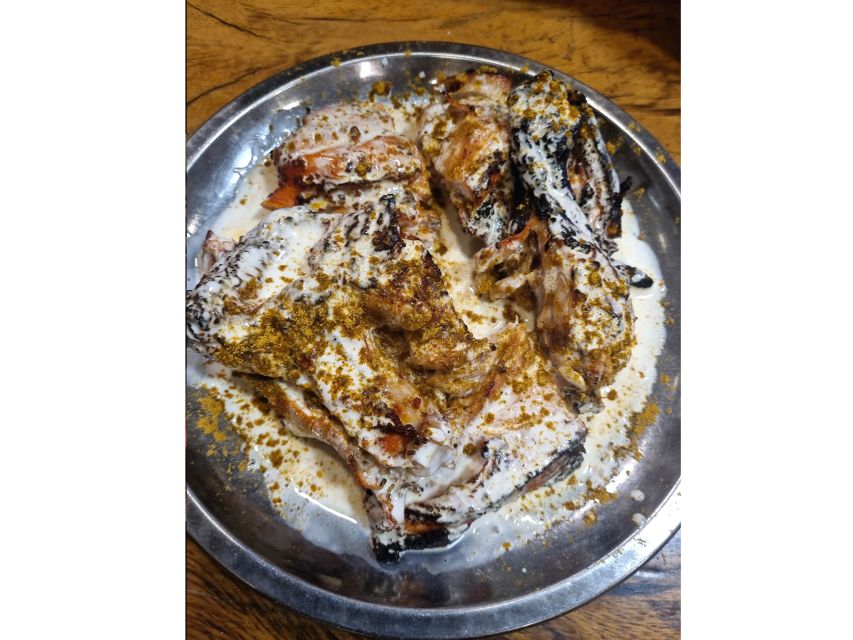
Next comes one of the best parts of the tour: eating where Delhi’s night life already has a rhythm. You’ll explore the Nizamuddin area, then have dinner centered on Seekh kebabs served with Rumali rotis, plus a soft beverage.
This is more than a food break. It’s a cultural reset. Night photography can make you feel wired—camera in hand, head full of details. Then you eat, talk with the guide, and slow down just enough to notice the neighborhood feel.
If you’re picky about spice, kebabs can still work with a simple request to keep it milder. The guide should help you navigate what’s being served. And if you’re hungry after standing in the cold for photos, you’ll love having dinner built into the schedule instead of figuring out where to go on your own.
A “secret” photo stop and the value of fewer, better frames
There’s a secret stop with guided touring and a longer photo window (about 40 minutes). This is where the tour feels less like a standard “hit the highlights” walk and more like curated street-level looking.
Why I think this is valuable: in a short tour, the real difference comes from how you use your time. A secret-feeling location (even if you don’t know it in advance) often means fewer tourists, more varied angles, and a chance to photograph without constant background distractions.
If you’re the type who wants fewer photos but better ones, lean into this stop. Try a wide shot, then a close one, then one “in-between” frame. Your guide’s prompts help you decide which angle tells the story.
Gurudwara Bangla Sahib at night: the calm finish
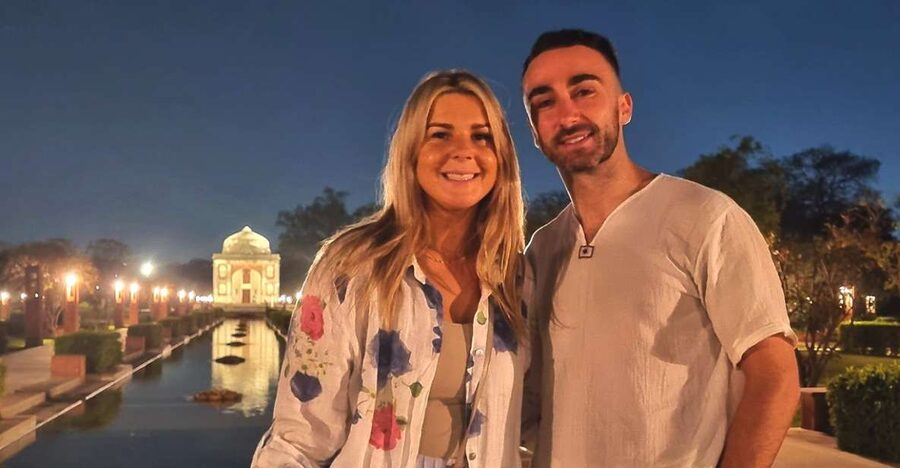
The tour wraps with Gurudwara Bangla Sahib for a photo stop and guided visit (around 30 minutes). This is a shift in atmosphere—from tomb architecture and street food energy to a quieter, more reflective space.
At night, places of worship often feel even more respectful and intentional. The lighting is softer, the crowd patterns are different, and it’s easier to notice how people move through the space. Even if you don’t capture a perfect photo, you’ll likely leave with a clearer sense of Delhi’s spiritual geography.
Practical note: because this is a religious site, your outfit matters. Keep your shoulders and legs covered. It’s not about strictness—it’s about showing respect and staying comfortable.
Drop-off near Hazrat Nizamuddin Aulia Dargah
After Gurudwara Bangla Sahib, you’ll be dropped off at two possible locations: Hazrat Nizamuddin Aulia Dargah and Nizamuddin Dargah Sharif. This drop-off placement is smart if you want to continue your night on foot or by app-based rides, because it puts you close to major Sufi-area landmarks.
It also helps with logistics. Instead of returning to where you started, you end in a meaningful area where you can plan your next step.
Price and value: why $38 can make sense for a 3-hour night tour
At $38 per person for about 3 hours, the value here is mostly about what’s included:
- monument/sight time at night,
- tuktuk rides,
- dinner (Seekh kebabs, Rumali rotis),
- a soft beverage.
Many “cheap” walking tours save money by leaving out transport and food, then you pay for those items separately. Here, the plan tries to bundle the expensive bits—night logistics and dinner—into the ticket price.
Two things you should still keep in mind:
- Hotel pickup and drop-off are not included, so you’ll handle getting to Jor Bagh Metro Gate No 2.
- The tour isn’t built for slow, lingering pacing. You’ll get guided time, photo time, and meals, but it’s still a compact night loop.
If you want a structured night experience with food and transport included, this price feels reasonable.
Who should book this Delhi night photography and heritage tour
This tour is a strong fit if you:
- want a night-focused Delhi experience (not just a daytime monuments checklist),
- like photography but don’t want to figure out settings alone,
- enjoy guided historical context and guided looking,
- want a food stop that’s part of the plan, not an afterthought,
- prefer small groups (max 6) and a guided pace.
It may not suit you if:
- you have mobility limitations (it’s not suitable for that),
- you strongly dislike walking or standing outdoors,
- you want total freedom to wander on your own schedule.
If you’re traveling solo and want safety and guidance, this kind of small-group night tour is often the easiest way to feel confident moving around after dark.
Should you book this tour? My honest take
Book it if you want Delhi at night with structure: lit monuments, photo stops that help you frame better shots, and dinner where you’re not hunting for food after a long day. The small group size and inclusion of tuktuk rides are the difference between a fun plan and a tiring one.
Skip it if walking at night is a problem for you, or if you’d rather plan your own route without anyone timing your stops. For everyone else, this is a practical way to see Delhi’s heritage in a very photogenic light, with food that keeps the night feeling human.
FAQ
How long is the Delhi night photography and heritage tour?
The tour lasts 3 hours.
Where do I meet the guide?
Meet your guide at Jor Bagh Metro Station, Gate No 2.
What’s included in the price?
It includes monument visits at night, a tuktuk ride, dinner, and a soft beverage.
Are hotel pickup and drop-off included?
No. Hotel pickup and drop-off are not included.
What language is the tour guide?
The live guide is available in English and German.
Is the group size small?
Yes. The group is limited to 6 participants.
What should I bring and what should I wear?
Bring your passport. Avoid short skirts and sleeveless shirts.
Is this tour suitable for people with mobility impairments?
No. It is not suitable for people with mobility impairments.