REVIEW · ACCRA
4 Days Trip in Accra, Cape Coast,Kumasi culture & heritage tours
Book on Viator →Operated by Bilson Tours Gh · Bookable on Viator
Ghana hits you fast, and it keeps going. In just 4 days, you’ll move from Accra’s museums and markets to Kakum’s 40-meter canopy walk, then on to the Cape Coast slave-trade sites, plus hands-on cloth traditions in the Ashanti region.
What I really like is the way the tour blends emotion and energy without turning it into a theme park. I love the focus on the W.E.B. Du Bois Center and Independence Square for context, then the hands-on crafting later. And I especially like the naming experience at Adanwomase, which is the kind of cultural moment you remember long after the photos fade.
One thing to plan for: the itinerary includes serious, sobering stops at Elmina and Cape Coast, and Kakum’s canopy route involves a steep trek before the walk. If you’re short on stamina—or you prefer your history lighter—this schedule will still be powerful, but it may feel like a lot.
In This Review
- Key highlights to look for
- Accra in a Day: National Museum, W.E.B. Du Bois, and Independence Square
- Makola Market and the Centre for National Culture: Buy Craft, Learn Daily Life
- Kakum National Park Canopy Walk: Tree-Top Nerves and Great Views
- Elmina and Cape Coast Castles: Slave-Trade Stops With Real Weight
- Bonwire Kente and Ntonso Adinkra: Cloth Art You Can Try
- Adanwomase Naming Ceremony and Cocoa Farm: Identity, Then Chocolate’s Source
- La Pleasure Beach Finale in Accra: Beach Time After Heavy Days
- Price and Value for a Private 4-Day Heritage Route
- Who Should Choose This Accra to Cape Coast and Ashanti-Region Tour
- Should You Book This 4-Day Ghana Culture and Heritage Experience?
- FAQ
- What is the total duration and start time?
- Does the tour include pickup?
- What’s included in the price?
- Is this tour private?
- Which major activities and stops are part of the 4 days?
- Is there free cancellation, and does weather affect the tour?
Key highlights to look for
- Private, guide-led days covering Accra, Kakum, Elmina, Cape Coast, and Ashanti-region craft experiences
- Kakum Canopy Walk with a steep approach and treetop views around 40 meters up
- Elmina and Cape Coast Castles tied to the Atlantic slave trade, including Cape Coast’s Door of No Return area
- Bonwire kente weaving lesson using traditional looms with a practical feel
- Ntonso Adinkra process with stamping using carved calabash gourds and dye work
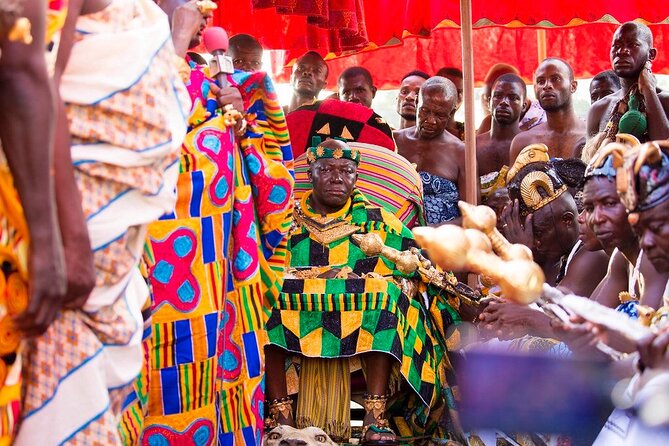
- Adanwomase naming ceremony with a Ghanaian name and certificate plus a cloth adornment tailored for you
Accra in a Day: National Museum, W.E.B. Du Bois, and Independence Square
Accra is the kind of city that rewards structure. You start with the National Museum of Ghana in calm grounds, which is a solid way to get your bearings before you go looking at street life. The museum’s displays cover Ghanaian culture and history, including local crafts and material culture. It’s not just “look and walk away.” You come out with terms and ideas that make the rest of the trip easier to understand.
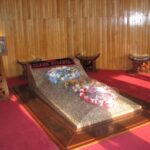
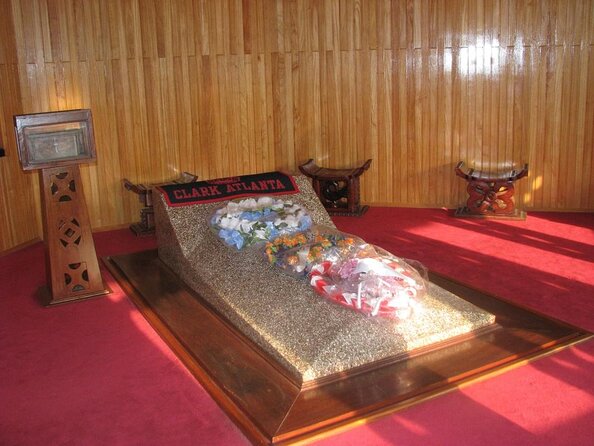
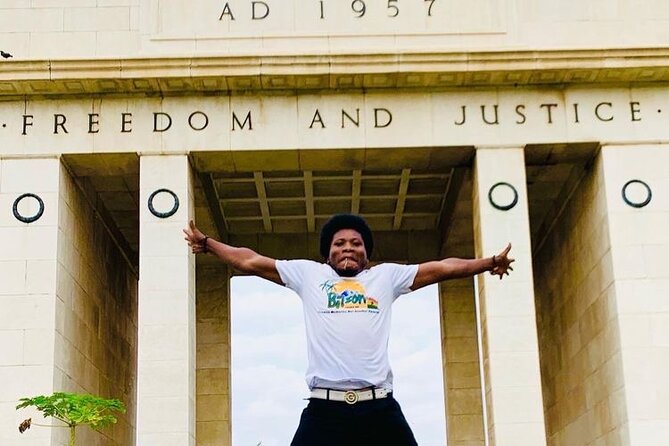
Next is the W.E.B. Du Bois Center, a place that ties Ghana to Pan-African history. You’ll see a small museum with part of Du Bois’s personal library and collections of his works. There’s also an adjacent shrine that shelters his grave and the ashes of his second wife, Shirley Graham Dubois. Even if you don’t come in as a history buff, this stop helps you grasp why so many people describe Ghana as more than a destination—it’s a connection point.
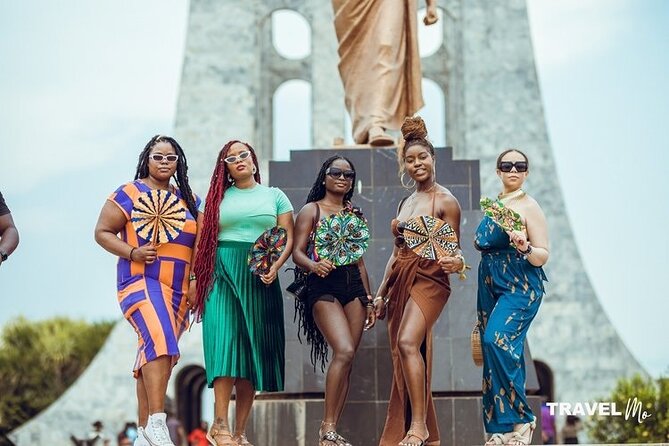
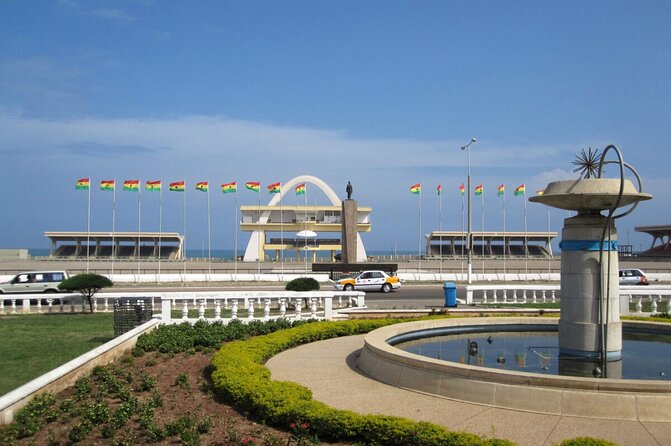
Then you finish the day at Independence Square, one of Accra’s biggest ceremonial spaces. You’ll see major monuments tied to Ghana’s independence struggle, including the Independence Arch and Black Star Gate. The guide-led context matters here: you learn what this space represents, not just what it looks like. There’s also a practical detail I appreciate—this square can hold about 30,000 people, and it’s used for public gatherings like Independence Day parades on March 6.
Tip for your own pacing: If you like taking photos, do it at the edges of the stops where you have room to stand and breathe. In places like museum grounds and Independence Square, you’ll get better angles without blocking anyone.
You can also read our reviews of more historical tours in Accra


Makola Market and the Centre for National Culture: Buy Craft, Learn Daily Life
After the museums, you go straight to the real daily rhythm of Accra at Makola Market. This is an open-air space where you feel the city as sound, movement, and smell. You’re not meant to treat it like a mall. Instead, you’re there to watch how people trade, how sellers set up, and how the market supports social life. It’s the kind of stop that makes you slow down and pay attention—even if you’re just walking for an hour.
A helpful detail is the mention of Transaid’s project around transport and trade for market women. That context gives the market more than “shopping energy.” You start to understand how infrastructure and safety can shape livelihoods in Ghana’s most important trading spaces.
From there, you head to the Centre for National Culture, which is a calmer (and more purchase-friendly) follow-up. Here you’ll see kente cloth, wood sculptures, beadwork, leather bags, earrings, and other fashion accessories. It’s basically an arts and crafts marketplace you can navigate with a guide, which matters because not every stall is priced the same or tells the same story.
This is also where you can buy souvenirs with confidence, since the stop is focused on Ghanaian-made crafts and textiles. If you want kente and Adinkra-style items, this is a good moment to pick what you like early—then you can compare later when you’re in craft communities.
One small reality check: markets and craft centers can tempt you into last-minute buying. If you plan to do weaving and dye work later in the trip, you may not need to buy everything on Day 1. Do some browsing now, and keep your main purchases for when you’ve seen the process up close.
Kakum National Park Canopy Walk: Tree-Top Nerves and Great Views
Day 2 swings toward nature at Kakum National Park. The headline is the canopy walk, where you’re above the tops of trees—about 40 meters from the ground—on a rope-and-wood walkway. If you’ve ever wanted to feel your stomach do a small dance, this is the place. It’s also not a flat, easy stroll. The trek to the canopy walk start is steep, and the route can test visitors who aren’t used to climbs.
But I like that the tour doesn’t pretend it’s effortless. You’ll get a real sense of what the park feels like physically: the uphill approach, the air change at height, and the chance to spot wildlife and birdlife from above. Even if you only do one nature activity in Ghana, this one has a “wow” factor that doesn’t depend on shopping or crowds.
Practical advice: wear shoes with grip and plan to hold steady on any uneven sections. This is the kind of attraction where a good footing plan makes the experience more enjoyable for everyone.
Once you’re back on the ground, you’re ready for the emotional shift that comes next. That contrast—breath of air up high, then history on the coast—works better if you take a moment and hydrate before moving on.
Elmina and Cape Coast Castles: Slave-Trade Stops With Real Weight

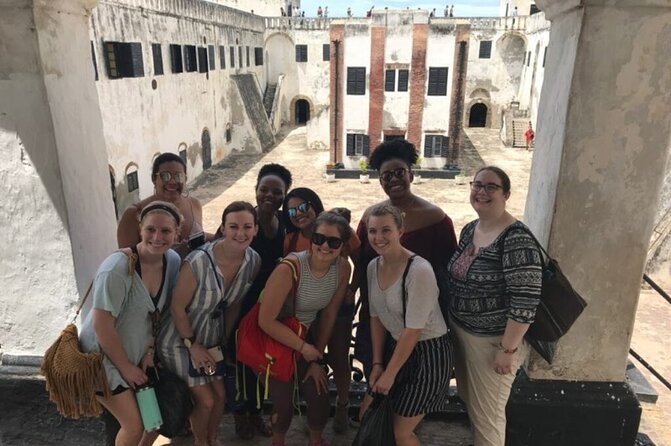
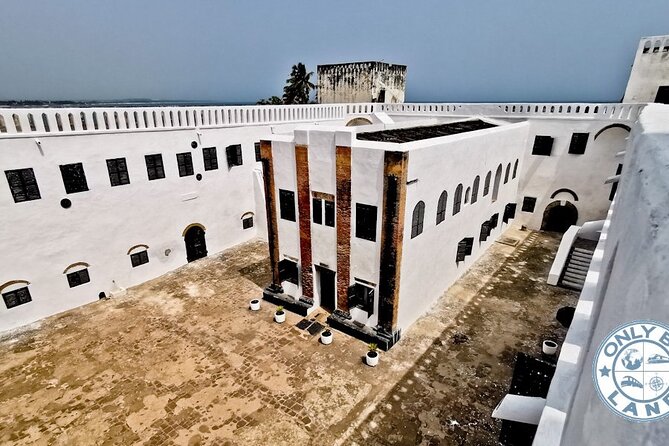
If you do this tour, understand this part clearly: Elmina and Cape Coast are not “quick photo stops.” They’re places tied to the Atlantic slave trade, including the final points where enslaved people were held in dungeons before being transported. You’ll visit both Elmina Castle and Cape Coast Castle, and the tour guide framework is what keeps it respectful and meaningful.
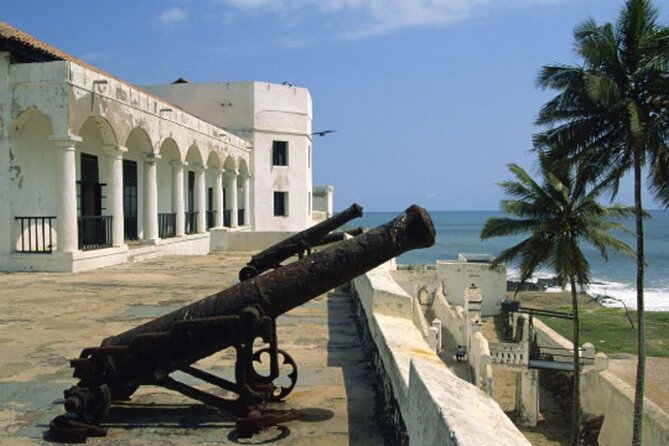
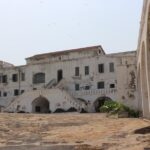
At Elmina Castle, you’ll see the white-washed medieval fortress on the coast and learn how it functioned as a trading site. The story includes how humans were processed through official slavery over many years, and how the building’s role connected to Atlantic trade. Standing inside these walls can feel unreal, even when you’ve read the history before.
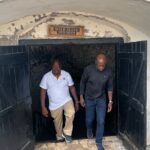
Then you move to Cape Coast Castle. This one adds another layer: it started as a Portuguese trading post established in 1555. You’ll go through the castle areas and dungeons, and you’ll also spend time around the museum and fort areas. One detail that locals and repeat visitors talk about is the Door of No Return. In this kind of guided visit, it becomes a moment where you stop moving and just take in what the place represents.
What I value here is the balance of structure and time. You’re not rushing through rooms. You get enough time to look, read, and sit with the weight of what happened. You also get a chance to connect the history to the people, not just the architecture.
Consideration before you go: this is heavy. If you know you’ll get overwhelmed, tell your guide early and take breaks when you need them. You can still show up and honor the sites without forcing yourself into “strong silence” mode.
Bonwire Kente and Ntonso Adinkra: Cloth Art You Can Try
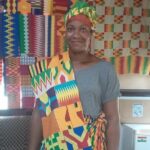
Day 3 is where the trip becomes hands-on, and that’s a big reason the tour feels different from a standard sightseeing route. You start at Bonwire Kente Weaving Centre, often described as the birthplace of popular kente. The focus here is practical learning: you’ll explore how kente is made on ancient looms operated with hands and tools. There’s a weaving lesson component that takes you along the steps, so you understand what you’re seeing instead of just watching artisans work.
Then you head to Ntonso Adinkra Craftsmen for Adinkra cloth-making. This stop is especially memorable because the tour explains the meaning behind the symbols and also shows how the dye and stamping work happens. You’ll learn about Adinkra symbols—the messages and wisdom carried by each design—then see the process that turns ideas into marks on cloth.
The technique is described in step-by-step detail:
- the pounding of the buddy tree into dye
- drawing lines on cloth to divide it into squares
- carving symbols into calabash gourds
- pressing the gourd into dye and stamping the cloth like a local
That’s the kind of process that sticks in your mind, because it feels tactile and logical. You can almost imagine repeating the method yourself later.
Also, you’ll likely notice how the culture is carried through the materials. Kente and Adinkra aren’t random patterns here. Each design communicates name, meaning, or social practice tied to specific communities.
If you’re buying later, this is when you’ll have the best shopping judgment. After learning the work, you can tell when an item looks more like “just souvenirs” versus cloth tied to a real making tradition.
Adanwomase Naming Ceremony and Cocoa Farm: Identity, Then Chocolate’s Source
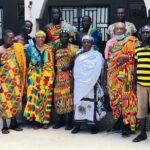
Adanwomase is a standout day, and it’s also the reason this tour gets glowing feedback. The program here is purposely for African Americans and the Caribbean, and it centers on Ghanaian naming. You’ll be given your date of birth and then receive a Ghanaian name and a certificate as recognition. You’ll also get an adornment of Ghanaian cloth tailored for you in the traditional way for naming.
What I like about this setup is that it’s not only symbolic. You’re guided through the meaning of naming as a cultural practice, then you get follow-on activities that keep the day from feeling like a one-off ceremony.
After the naming portion, you’ll visit Adanwomase kente weaving for a practical weave experience, which is described as weaving kente as local. Then you also visit the Ntonso Adinkra village for crafts on clothing. The day ends with a cocoa farm visit, focusing on the beginning of cocoa—how it’s nursed and harvested.
This is a surprisingly good flow. Ceremony, then craft, then food source. It helps you see culture as more than art on walls. It’s identity, labor, and everyday production.
One practical note: since your date of birth is used for the naming, bring it carefully and be ready for a meaningful, not-too-fast pace.
La Pleasure Beach Finale in Accra: Beach Time After Heavy Days
After castles and canopy nerves, Day 4 gives you space to breathe at Labadi Pleasure Beach, also called La Pleasure Beach. This is one of Accra’s coastal beaches and is described as the busiest on the coast. The vibe here is relaxed, and you get a chance to enjoy the sea shore with fun activities.
The tour includes options like horse rides and quad experiences around the beach area. It’s a lighter ending, and it works well because you’ve already carried emotional weight earlier in the trip.
If you’re the type who likes a clear finish, this is it. You get sun, movement, and a chance to process what you learned while you’re not standing in stone rooms.
Tip: if the weather is hot, use your included water and snack breaks. This is the kind of day where heat can sneak up and make you feel slower than you planned.
Price and Value for a Private 4-Day Heritage Route
At $750 per person for a 4-day private experience, the question isn’t just cost—it’s what you’re getting for the money. Here’s the practical math of value based on what’s included:
- transportation for the full multi-stop route
- entrance fees and all taxes
- bottle water and snacks
- a tour guide service
- 3 included lunches, and the listing also notes lunch (4)
That’s a lot of expenses that can add up quickly if you DIY it—especially when you’re stacking major stops like museum time, Kakum canopy logistics, and two castle entrances, then finishing with structured weaving and dye activities.
Also, you get pickup offered and a mobile ticket. Those details matter more than you might think. When you’re bouncing across different regions and attractions, simple logistics reduce stress and help you stay on schedule.
The tour is private, meaning only your group participates. That generally translates into a smoother pace, fewer “move along” moments, and more time for your guide to answer questions.
If you’re traveling with family or in a small group, this kind of private structure can feel like a bargain compared to paying separate taxis, separate guides, and separate entrance tickets.
Who Should Choose This Accra to Cape Coast and Ashanti-Region Tour
This tour is a great match if you want three things in one trip:
- Meaningful Ghana context (museum, Du Bois Center, Independence Square)
- Emotion you can’t swipe away (Elmina and Cape Coast slave-trade sites)
- Hands-on cultural making (kente weaving at Bonwire, Adinkra stamping and symbol work at Ntonso, and the naming ceremony at Adanwomase)
It also fits people who appreciate a guide who can connect dots. The reviews highlight Bilson as a knowledgeable and respectful guide, and they also call out the company leadership—owner-operator & CEO Isaac Clouds Bilson—and driver Mr. BISMARK. That kind of continuity tends to matter, especially when the schedule includes both physical activities (like Kakum’s steep approach) and sensitive history.
If you’re traveling with kids, the schedule may still work, but you’ll want to judge your group’s stamina and emotional comfort level for the castles.
Should You Book This 4-Day Ghana Culture and Heritage Experience?
Yes—with one honest condition: book it if you’re ready for a trip that mixes joy with real weight.
This is not only about seeing places. The value here is how the guide-led flow helps you understand what you’re looking at—then lets you touch the craft side through kente and Adinkra techniques, and close with a calmer beach day.
If you prefer an itinerary that avoids heavy historical sites, you might want a lighter route. But if you want a trip that feels like Ghana—identity, creativity, and memory—this one is hard to beat.
FAQ
What is the total duration and start time?
The tour lasts about 4 days and starts at 9:00 am.
Does the tour include pickup?
Yes. Pickup is offered.
What’s included in the price?
The price includes transportation, entrance fees, all taxes, bottled water, snacks, lunch, and a tour guide service.
Is this tour private?
Yes. It’s a private tour/activity, so only your group participates.
Which major activities and stops are part of the 4 days?
You’ll visit the National Museum of Ghana, W.E.B. Du Bois Center, Makola Market, Independence Square, and the Centre for National Culture in Accra. Then you’ll do Kakum National Park canopy walk, Elmina Castle, Cape Coast Castle, Bonwire Kente Weaving Centre, Ntonso Adinkra craftsmen, Adanwomase (including a naming ceremony), and end at La Pleasure Beach.
Is there free cancellation, and does weather affect the tour?
Yes. You can cancel for a full refund up to 24 hours in advance. The experience also requires good weather; if it’s canceled due to poor weather, you’ll be offered another date or a full refund.