REVIEW · NARA
Nara Heritage Walkabout from Nara Park to Todaji-ji temple
Book on GetYourGuide →Operated by Pinpoint Traveler · Bookable on GetYourGuide
Deer, lanterns, and a giant Buddha in four hours. This walkabout strings together the best-known corners of Nara—Nara Park’s shika deer, the Todai-ji Great Buddha, and Kasuga Taisha’s famous lantern grounds—using a simple, guided flow that keeps things easy.
I love that it’s not just photo stops. You get practical explanations at each site, and the English guides can really bring Nara into focus (Ferdinand and Angelito are names I saw in past groups, and both were praised for clear English and helpful tips).
One possible drawback: you cover several areas and you will walk. If you’re even a little tight on mobility, bring your best walking shoes and plan for a steady pace through the parks and temple grounds.
In This Review
- Key highlights to look forward to
- From Nara Station area to Nara Park: a simple setup that works
- Nara Park’s shika deer: fun, but respect the rules
- Todai-ji: the Great Buddha Hall, the gate, and the “try it” detail
- Kasuga Taisha: vermilion shrine buildings and thousands of hanging lanterns
- Naramachi old town: machiya lanes, shops, and a snack you actually want
- Price and value: why $102 can make sense for a 4-hour guided route
- Pace, comfort, and who this is best for
- Should you book the Nara Heritage Walkabout from Nara Park to Todai-ji?
- FAQ
- How long is the Nara Heritage Walkabout?
- Where do we meet for the tour?
- What places does the tour include?
- Is the tour guided in English?
- Is lunch included in the price?
- What’s included in the tour price?
- What should I wear?
- Is the tour wheelchair accessible?
- Can I cancel and get a full refund?
- How much does it cost per person?
Key highlights to look forward to
- Shika deer meet-and-greet at Nara Park, plus guidance on feeding with shika senbei
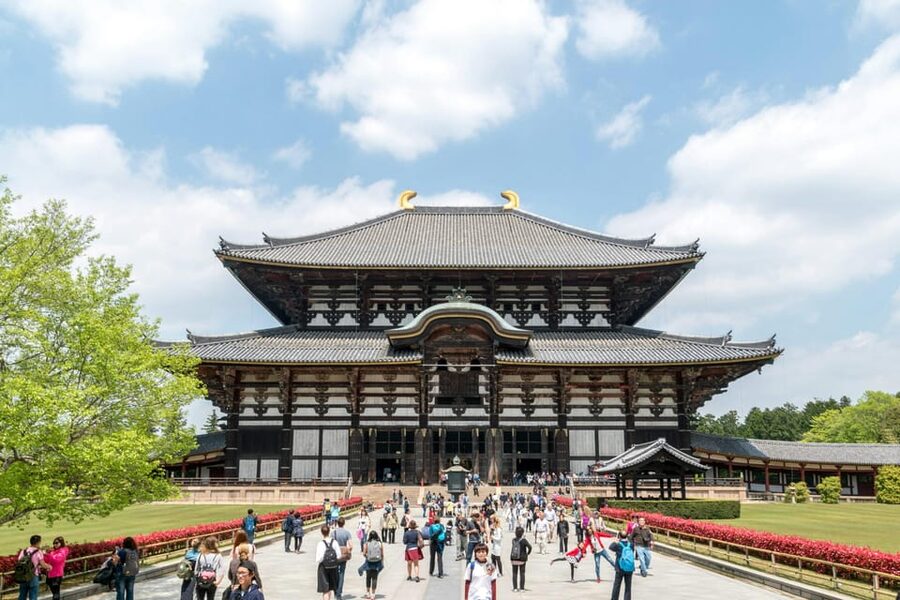
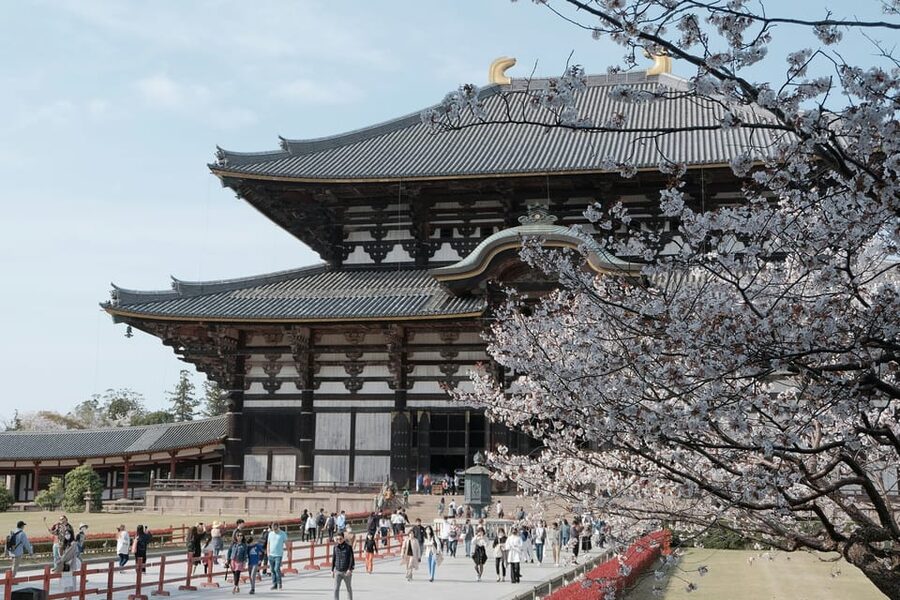
- Todai-ji’s Great Buddha Hall (Daibutsuden) and the details worth seeking beyond the main statue
- Kasuga Taisha’s thousands of lanterns in a UNESCO World Heritage setting
- Naramachi old-town lanes for shopping and a food-market stop in limited time
- Traditional snack included so you’re not guessing where to grab something between stops
From Nara Station area to Nara Park: a simple setup that works
You’ll meet at a Lawson convenience store directly outside Kintetsu Nara Station. From there, the group heads out by public transportation and on foot, keeping the route straightforward. The walk to Nara Park is about 20 minutes at the start, which is just enough time to reset your energy after getting there.
If you like touring that feels organized but not rigid, this format is a good match. You’re not stuck on a bus the whole time, and you’re not responsible for solving transit puzzles with your luggage and jet lag.
I also like that the timing is built around seeing Nara’s big sights in one block. Four hours sounds short until you remember how far these places are from each other and how often you’ll pause for photos or explanations.
You can also read our reviews of more historical tours in Nara



Nara Park’s shika deer: fun, but respect the rules
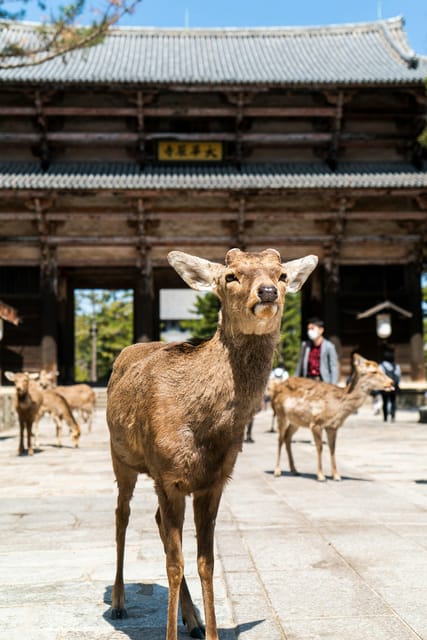
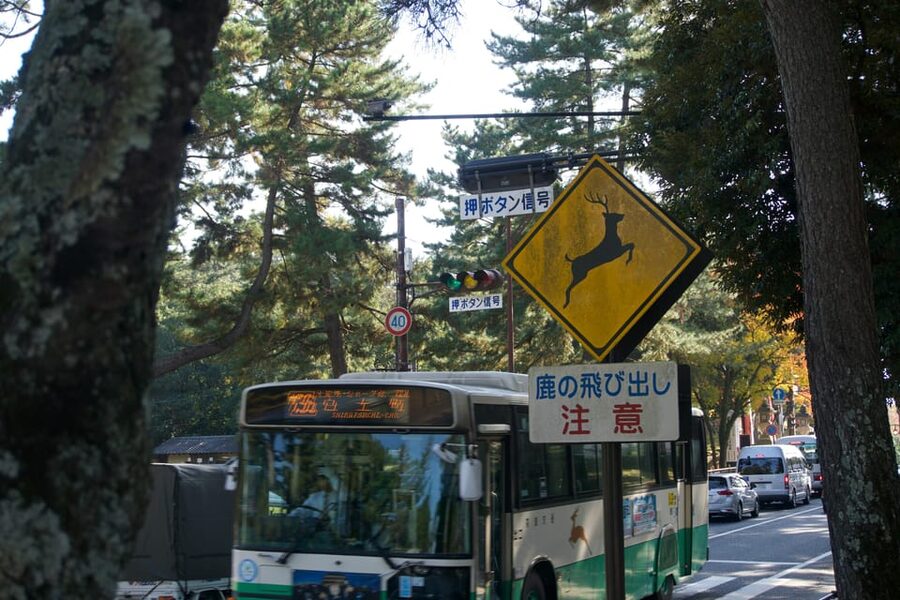
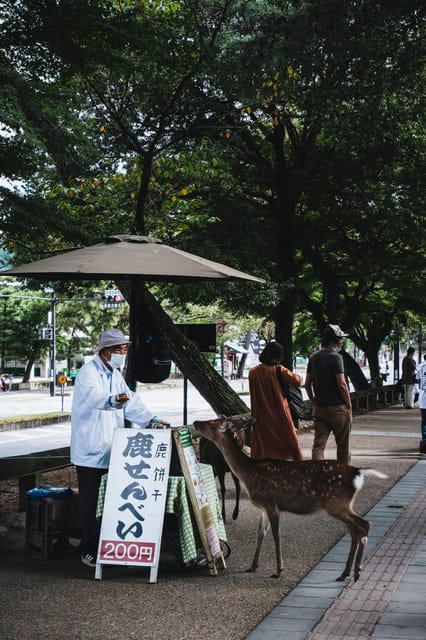
Nara Park is famous for its shika deer, and you’ll see them right away once you step into the park area. They’re inquisitive, bold in a very Nara-way, and culturally important in local tradition. The deer are often treated as divine messengers tied to Shinto beliefs, so the interaction isn’t just “wildlife for selfies.”
Here’s what you’ll actually do: you’ll have time for wildlife viewing and scenic views on the route, and you can buy shika senbei (deer crackers) and feed the deer. That feeding moment is one of the most memorable parts of the whole tour because it turns Nara Park from a background scene into an active experience.
Practical advice:
- Keep your crackers secure until the guide gives the go-ahead, since deer notice fast.
- Don’t wave food around wildly—think calm and controlled.
- Watch your footing in crowded areas where people stop and start.
A small note on vibe: some deer will approach you more than others. That can feel funny, even chaotic, until you realize the guide is helping you keep the interaction safe and respectful.
Todai-ji: the Great Buddha Hall, the gate, and the “try it” detail
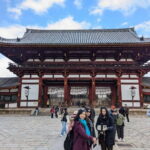
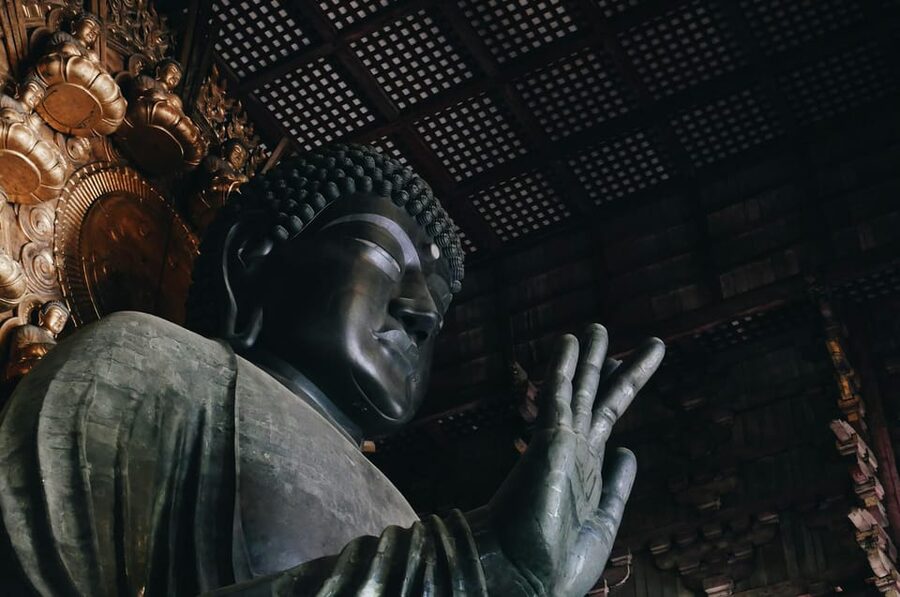
Next comes Todai-ji, and yes, it’s the heavyweight stop. You’ll get a guided tour and sightseeing time here for about an hour. The star is the Great Buddha (Daibutsu) inside the Daibutsuden, the Great Buddha Hall. What grabs you first isn’t just the statue—it’s the scale of the hall and the sheer mass of the bronze figure.
But the guide-led part matters. Todai-ji has key landmarks where you’ll get context, so it’s not just standing in front of a single object and moving on.
When you’re there, focus on these:
- The Daibutsuden setting and the Great Buddha itself
- The Nandaimon Gate, guarded by fierce Nio guardian statues
- A pillar toward the rear with a hole said to grant enlightenment to those who can squeeze through
That last one is the kind of detail you might miss if you were visiting on your own. With a guide, you know what to look for and why it’s a thing people talk about.
Is there a downside? With an hour, you won’t have time for slow museum-style wandering. If you’re the kind of visitor who wants to read every sign and take your time with every artifact, you may feel slightly rushed. For most people, though, the guided structure is exactly what makes this work in one afternoon.
Kasuga Taisha: vermilion shrine buildings and thousands of hanging lanterns
Kasuga Taisha is the UNESCO World Heritage stop that changes the feel of your walk. Instead of one monumental statue, you get a spiritual space shaped by architecture and repeated visual elements—especially the hanging lanterns.
You’ll have guided time here for about 45 minutes. The grounds are known for vermilion-lacquered structures and thousands of hanging lanterns, which create that classic Nara effect: warm light, crowded symbolism, and a sense of ritual even on a normal day.
A useful way to think about it: this isn’t just a pretty place. The shrine dates back to the 8th century, and it’s been tied to Shinto rituals for over a millennium. That long continuity is why the lanterns and the carved details matter. They’re not random decoration; they’re part of a living tradition.
What to look for while you’re walking:
- The shrine buildings and how the red tones set the mood
- Lantern arrangements and the way they frame pathways
- Carved wood details and the calm garden-like feel around the site
If you’re sensitive to crowds, pick your moments to pause. Lantern areas can get busy, but the time is planned so you get the core experience without turning it into a full-day wait.
Naramachi old town: machiya lanes, shops, and a snack you actually want
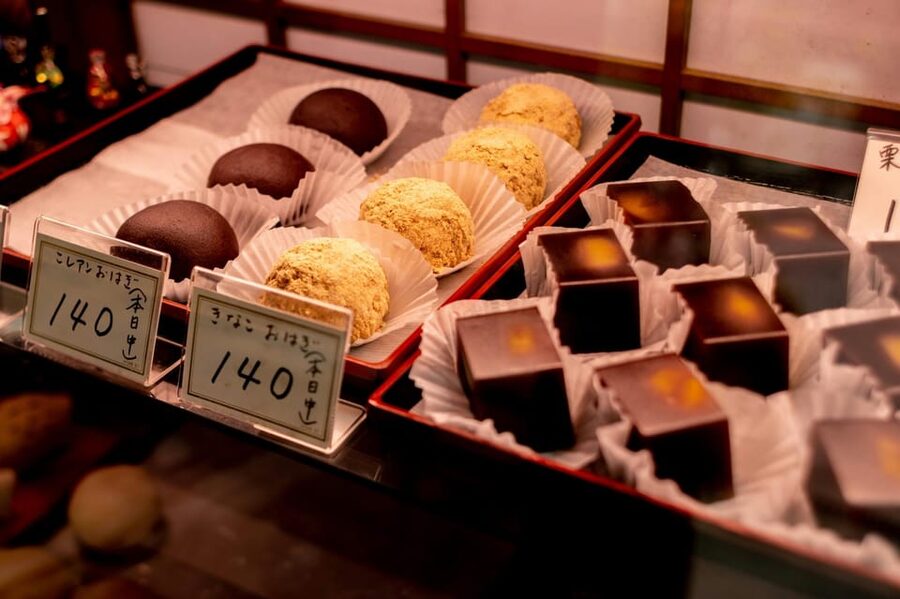
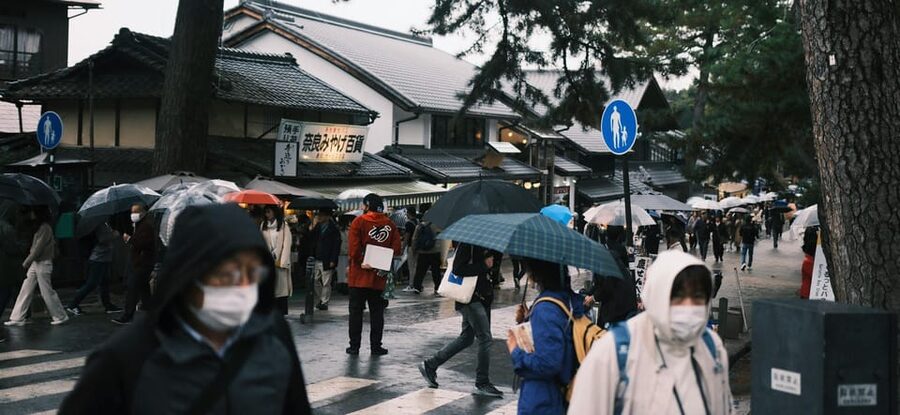
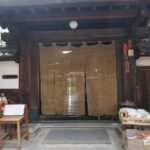
After the temples, you shift to Naramachi, the old town district known for traditional architecture—especially machiya (old wooden townhouses). This section is where the tour becomes more like strolling with direction instead of a structured museum run.
You’ll have about 45 minutes for shopping, sightseeing, and a food-market visit. It’s not just a walk-by. There’s time to browse shops offering traditional crafts and local-style goods, and there’s also time to eat something small.
The tour includes a traditional Japanese snack on you. That’s a real value add because it reduces the chances you’ll end up spending your whole break deciding what to eat. You can use that snack as a bridge until dinner later.
Practical shopping tip: if you like souvenirs, this is where you’ll find more “normal-life” Nara items. If you’re hunting for something specific (tea, sweets, small crafts), this is also the moment to ask the guide for practical pointers—past guides have shared advice on where to browse and where to go for dinner.

Price and value: why $102 can make sense for a 4-hour guided route
At $102 per person for a 4-hour experience, the headline number might look steep at first. But the value improves when you break down what’s included:
You get:
- A professional English guide
- Public transportation
- Entrance fees
- Guided tours and commentary at each main stop
- A traditional snack during the Naramachi time
What’s not included is lunch and personal spending on extra snacks or souvenirs. That’s normal for a short walking tour. Still, the included snack helps you avoid the “empty stomach, wrong time” problem between major attractions.
The best way to judge value: ask yourself whether you want a guide for interpretation. At Todai-ji and Kasuga Taisha, the guided context is what turns “I saw it” into “I understand what I saw.” For many visitors, that’s worth paying for—especially when you only have half a day.
Pace, comfort, and who this is best for
This route is designed to be efficient. It’s also designed to be doable if you’re reasonably mobile, since you’ll be walking through parks and temple grounds.
A good match if you:
- Want the big Nara highlights without planning
- Like commentary that helps you notice the right details
- Enjoy a mix of nature (deer), major temples, and old-town atmosphere
- Prefer English guidance and a small-group feel (private or small groups are available)
A potential mismatch if you:
- Need very slow pacing or lots of breaks
- Want hours of unstructured wandering at only one site
- Are traveling with constraints that make temple-line walking hard
One reassuring detail: guides have been praised for adapting to walking issues. That doesn’t remove the fact that you’ll walk, but it suggests the group experience can be adjusted when needed.
Should you book the Nara Heritage Walkabout from Nara Park to Todai-ji?
If you’re doing Nara as a half-day stop, I’d say yes—this kind of route is built for people who want the essentials, plus the meaning behind them. The mix of Nara Park, Todai-ji, Kasuga Taisha, and Naramachi keeps you moving through different sides of the city instead of repeating the same type of sight.
Book it if you want:
- A guided introduction that helps you get more out of each location
- A smooth route with entrance fees handled
- A deer interaction that feels fun and not random
- A manageable 4-hour commitment
Skip it if you’re the type who needs long, quiet time in one temple complex, or you’re looking for a full day of independent exploring with no structure.
FAQ
How long is the Nara Heritage Walkabout?
It lasts about 4 hours.
Where do we meet for the tour?
You meet at the Lawson convenience store directly outside of Kintetsu Nara Station (the meeting point is listed as 3 Higashimuki Nakamachi).
What places does the tour include?
It covers Nara Park, Todai-ji, Kasuga Taisha Shrine, and Naramachi.
Is the tour guided in English?
Yes, it has an English live tour guide.
Is lunch included in the price?
No. Lunch is not included.
What’s included in the tour price?
Entrance fees, public transportation, and guided tours/commentary at each stop are included, along with a professional guide and a traditional Japanese snack.
What should I wear?
Wear comfortable shoes, since the tour includes a fair amount of walking.
Is the tour wheelchair accessible?
Yes, it is wheelchair accessible.
Can I cancel and get a full refund?
You can cancel up to 24 hours in advance for a full refund.
How much does it cost per person?
The price is listed as $102 per person.