REVIEW · NEW DELHI
5-Day Golden Triangle Tour with Cultural Heritage-Taj & More
Book on Viator →Operated by Magic Carpet Tours · Bookable on Viator
Five days can feel like a sprint. That’s the point here: you get a tight Golden Triangle route through Mughal and Rajput landmarks with private car comfort and guide-led storytelling.
I especially like the door-to-door pickup plus private, air-conditioned vehicle, so you spend less time wrestling traffic and more time looking up at marble, domes, and city-planning genius. I also like the small “extra” touches like bottled water and light snacks in the car, and the guides’ energy—names like Ali, Aman, Raj, and Mehraj come up in reviews for being attentive and great at answering questions.
One consideration: the itinerary is packed. If you hate moving every day or prefer slow museum pacing, this tour’s pace will feel busy.
In This Review
- Key things to know before you go
- Delhi begins with peace, spice, and monuments you can actually walk to
- Taj Mahal and Agra Fort: the marble payoff and the empire backbone
- Fatehpur Sikri to Jaipur: from Akbar’s dream city to royal city planning
- Jaigarh, Jal Mahal, and Chokhi Dhani: Jaipur views plus a cultural evening
- City Palace, Jantar Mantar, and Hawa Mahal: the Jaipur trio you’ll remember
- Price and logistics: is $325 good value for this route?
- Who this Golden Triangle tour suits best
- Should you book this Magic Carpet Golden Triangle tour?
- FAQ
- What’s the price of the 5-day Golden Triangle tour?
- How long is the tour?
- Do I get pickup from my hotel in Delhi?
- Is the transport private and air-conditioned?
- What’s included with the tour besides transportation?
- Are admission tickets included for the major sites?
- Are meals included?
- Is accommodation included?
- Is gratuity included?
- What’s the cancellation policy?
Key things to know before you go
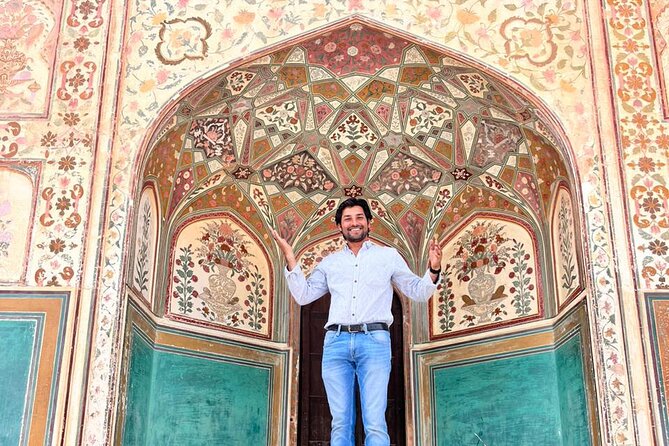
- Private AC transport with pickup keeps the big drives between Delhi, Agra, and Jaipur from turning into a full-day chore.
- Major highlights included across Delhi and the Taj belt, plus paid sights in Jaipur.
- Guide-led context makes Mughal and Rajput sites easier to place and remember.
- In-car water and light snacks help you keep going between stops.
- Accommodation and meals aren’t included, so you’ll need a plan for hotel and food.
Delhi begins with peace, spice, and monuments you can actually walk to
Delhi can overwhelm fast. This route helps you get your bearings without turning your day into logistics homework.
You start at Gurudwara Bangla Sahib, a calm Sikh temple built in memory of Guru Har Krishan. It’s a great opening because it sets a softer tone right away—temple life, community space, and a place that feels less like a sightseeing box.
Next is Khari Baoli, Delhi’s huge spice market. The sensory hit is real: dried chilies, cardamom, saffron, and that thick “spice air” that makes you understand why people come here even if they’re not shopping. Pair it with a light snack and you’ll be glad you did—spice market walking can be surprisingly tiring.
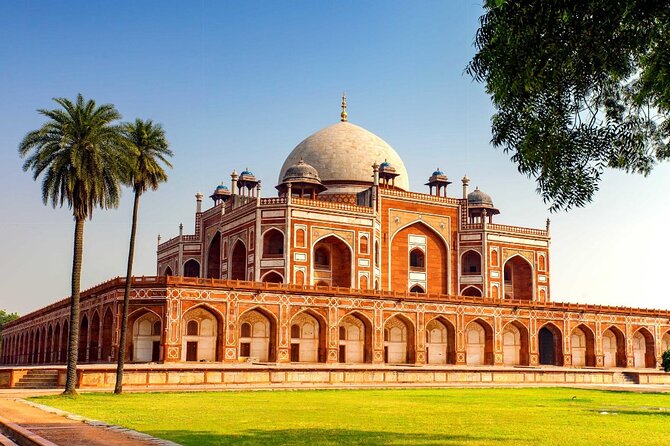
From there you hit India Gate, a World War I memorial in the capital’s central area. It’s short, but it gives you context for how the city memorializes its past. Then you move into Mughal architecture with Humayun’s Tomb, widely considered a key early step in the Mughal tomb style.
Finally, Lotus Temple offers a visual reset: the flowerlike shape, quiet atmosphere, and open-to-all-feelings vibe. It’s a nice counterbalance after the market and monuments.
Practical note for Delhi day: wear shoes that handle crowds and uneven pavement. You’ll likely be doing a mix of walking and short transfers, so comfort matters more than fashion.
You can also read our reviews of more historical tours in New Delhi



Taj Mahal and Agra Fort: the marble payoff and the empire backbone
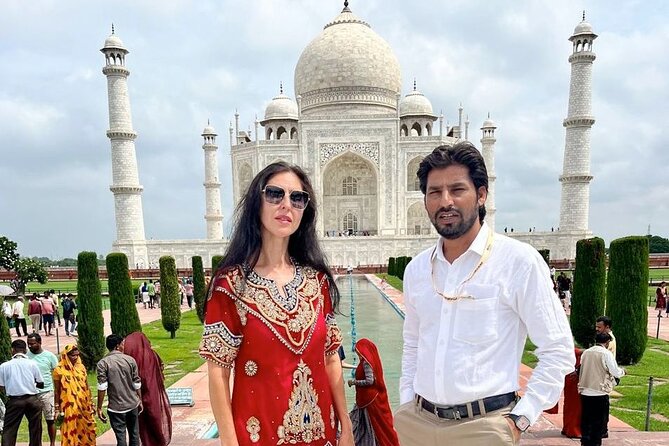
Agra is where the tour earns its name. The big draw is the Taj Mahal, and you’ll have it on the schedule along with a second major stop that explains the bigger Mughal story.
The Taj Mahal is included, and the value here is obvious: even if you’ve seen photos, seeing it in person is a different level of scale and detail. You’ll want time to step back, then move closer again. Don’t rush the surface work—marble patterns and the way the monument catches light are part of the experience.
Right after, the route shifts from love-story beauty to the tougher side of Mughal power with Agra Fort. This is the red-sandstone stronghold feel—thicker walls, defensive layouts, and a stronger sense of “this is where control happened.” It’s a helpful pairing because it turns Taj Mahal from a standalone icon into one piece of an empire machine.
A thoughtful pacing choice is that Agra gets a dedicated chunk on the first day as well. That helps if you need a breather after the Delhi sightseeing burst.
My practical advice for your Taj day: plan for bright conditions. The tour gives you the structure; you still need sun protection and a hat. And bring patience—Taj-area areas can get busy, so staying calm makes everything better.
Fatehpur Sikri to Jaipur: from Akbar’s dream city to royal city planning
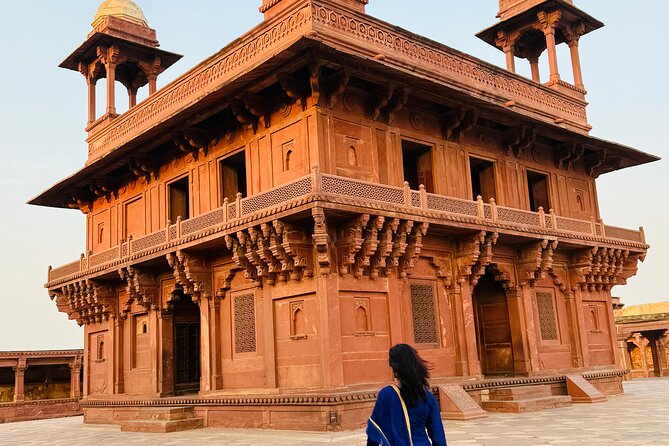
If you’re curious how rulers shaped not just buildings but whole systems, Fatehpur Sikri is one of the best “watch closely” stops on the trip. It’s on the way to Jaipur and included as a free admission stop.
Fatehpur Sikri sits near the Aravalli hills, and the layout has that “planned city” sense—courtyards, arches, and a feeling of how a ruler could project power and belief in one place. This is the kind of site where a guide makes a real difference. In reviews, guides like Raj are highlighted for patiently answering questions and explaining history clearly, and that style fits this stop perfectly.
Then you roll into Jaipur. The tour gives you time there (a free admission stop with a solid block), which matters because Jaipur sites often feel best when you’re not seeing them while exhausted. If you’ve only got one chance to appreciate Jaipur’s palette and palace scale, it helps to arrive with energy.
In other words: the route isn’t just a check-list. It’s trying to connect ideas—imperial vision in one place, Rajput city identity in the next.
Jaigarh, Jal Mahal, and Chokhi Dhani: Jaipur views plus a cultural evening
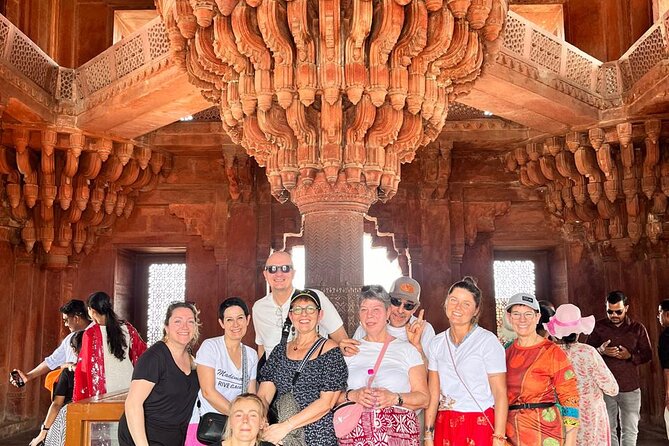
Jaipur on this itinerary isn’t only forts and palaces. You get a mix of military architecture, a lakeside pause, and a cultural show.
First up is Jaigarh Fort, built in 1726 by Maharaja Jai Singh II. This fort sits high on the Cheel ka Teela, so you get those strong “Rajput military planning” vibes. It’s the kind of place where you can see why defense mattered, and why royal treasuries needed protection.
Next, there’s Jal Mahal at Man Sagar Lake. It’s short, which is good—you get the visual idea without turning the day into a long hike. The effect is still memorable: that floating-palace illusion on the water, plus the quiet around it.
Then the itinerary shifts into Chokhi Dhani, a cultural evening stop that’s included. This is where you’ll see folk dances, puppet-style entertainment, and fire performances, plus bazaar-like shopping areas. If you like cultural context—how people stage tradition for visitors—this stop can be a fun change of pace after forts and stone.
My take on Chokhi Dhani value: it’s not for everyone. If you want purely historical monuments with quiet contemplation, you might treat it as optional energy. But if you want the social side of Rajasthan along with the architecture, it fits well.
City Palace, Jantar Mantar, and Hawa Mahal: the Jaipur trio you’ll remember
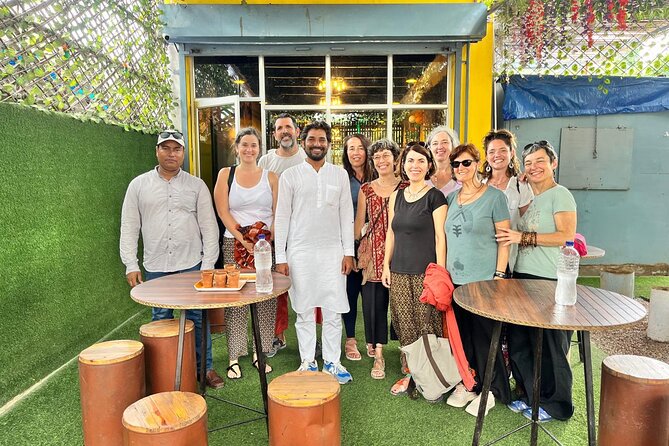
Jaipur’s “wow” factor is not just pretty facades. This day leans hard into design: power expressed through space and even through math.
Start at City Palace, a royal complex dating back to the early 18th century under Maharaja Sawai Jai Singh II. Inside, you get ornate halls and courtyards—more than just rooms, it’s a sense of how ruling families lived with their authority on display.
Then you go to Jantar Mantar, a UNESCO World Heritage site and an open-air observatory. Here’s the useful angle: this stop helps you understand Jaipur beyond art. It’s a window into how rulers used astronomy and measurement. It’s one of the best “stand and look” places on the route if your brain likes patterns.
Finally comes Hawa Mahal, the Palace of Wind. Built in 1799 by Maharaja Sawai Pratap Singh, it’s famous for its honeycomb façade with many small windows. The best way to experience it is slow: study the façade, then think about why those windows existed for airflow and visibility.
Quick comfort tip: these three stops are close enough to manage, but you’ll still be standing and walking. Water helps, and you’ll enjoy the day more if you wear breathable layers.
A few more New Delhi tours and experiences worth a look
Price and logistics: is $325 good value for this route?
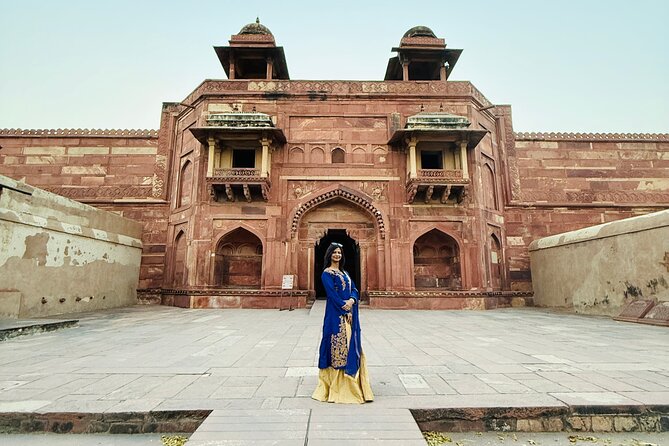
For $325 per person, the biggest value isn’t just the sites—it’s what’s wrapped around them.
You get private tour setup where only your group participates, plus an air-conditioned vehicle and pickup from your Delhi accommodation. You also get in-car refreshments (bottled water and light snacks) and “all fees and taxes” included. For many people, that cuts down the hidden costs and confusion that can happen with DIY.
What’s not included is equally important: accommodation and meals are not part of the price. So you’ll likely spend extra on hotels each night and on food each day. Also, gratuities for guides and drivers aren’t included, so keep some cash aside for that.
The other trade-off is pace. A route like this works because it stacks highlights tightly. That’s great for first-timers who want maximum impact in a short time. If you prefer long breaks, you’ll need to make space for downtime on your own (and maybe choose a hotel that gives you easy recovery after big sightseeing days).
Who this Golden Triangle tour suits best
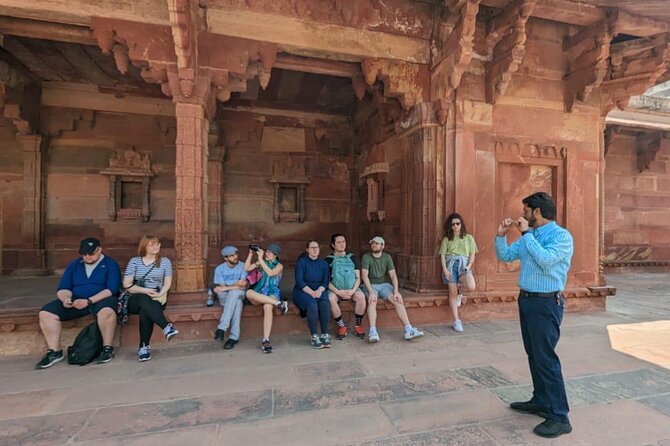
This 5-day Golden Triangle experience is a good fit if you want:
- A focused route through Delhi, Agra, and Jaipur without arranging transport yourself
- A mix of top icons like Taj Mahal and Humayun’s Tomb, plus Jaipur’s design brain (City Palace, Jantar Mantar, Hawa Mahal)
- A guide who can answer questions—reviews mention guides like Ali, Aman, Raj, and Mehraj for being attentive and fun, which is exactly what helps at sites with complex layouts
- Comfort between stops: private AC vehicle and door-to-door pickup reduces stress fast
It may not be ideal if you:
- Want a slower rhythm with fewer stops
- Plan to spend lots of time shopping or lingering at one site for hours
- Hate feeling time-boxed (this tour keeps the schedule moving)
Should you book this Magic Carpet Golden Triangle tour?
If you’re doing the Golden Triangle for the first time and you want a clean, organized way to hit the headline sights plus the key supporting stops, this is an easy yes. The combo of private AC transport, major inclusions, and strong guide attention is what makes the value feel real.
I’d book it especially if you like learning as you go—when a guide answers patiently and keeps things lively, sites like Fatehpur Sikri and Jantar Mantar make a lot more sense. Just be honest with yourself about pace, and plan your hotel and meals budget so the trip feels smooth instead of stressful.
If your ideal travel style is slower and more independent, you might want a more flexible plan. But for most first-timers who want efficiency without chaos, this route is a strong choice.
FAQ
What’s the price of the 5-day Golden Triangle tour?
The price is $325.00 per person.
How long is the tour?
It runs for approximately 5 days.
Do I get pickup from my hotel in Delhi?
Yes. Pickup is offered, with door-to-door service from your Delhi accommodation.
Is the transport private and air-conditioned?
Yes. You travel in a private, air-conditioned vehicle.
What’s included with the tour besides transportation?
Included items are in-car refreshments (bottled mineral water and light snacks), all fees and taxes, and a mobile ticket. Personalised attention is also part of the service.
Are admission tickets included for the major sites?
Many admissions are marked as included, and some stops are listed as free. Accommodation and meals are not included.
Are meals included?
No. Meals and beverages are not included.
Is accommodation included?
No. Accommodation is not included.
Is gratuity included?
No. Gratuities for guides and drivers are not included.
What’s the cancellation policy?
You can cancel for a full refund up to 24 hours in advance. If you cancel less than 24 hours before the start time, the amount paid is not refunded.