REVIEW · ROME
Ancient Rome: Archeological area Largo Argentina
Book on GetYourGuide →Operated by TOURISTATION · Bookable on GetYourGuide
Rome turns deadly fast.
At Largo di Torre Argentina, you’re looking at some of the oldest ruins in the center of the city, and the story has teeth: the assassination of Julius Caesar on the Ides of March in 44 BC. I especially love how this experience mixes big-picture context with hands-on looking, and how the site’s layers show Rome living on for over 2,000 years.
I also like the practical setup: a short 30-minute multimedia video before you head into the excavations, plus an English audio guide experience so you can keep moving at your own pace. The one drawback to consider is that a lot is visible from the outside, so if you’re only after a quick peek, the value may feel thinner than you expect.
In This Review
- Key things to know before you go
- Largo di Torre Argentina: Rome’s dark courtyard with the oldest bones
- The 1-hour flow: how the timing works at Piazza d’Aracoeli
- The multimedia primer and the audio guide: making ruins easier to read
- Walking the excavation area: the four temples (4th to 1st centuries BC)
- Pompey’s Curia tuff base and the Ides of March, 44 BC
- The “ancient island” feeling: why this site doesn’t vanish into the streets
- Price and value at about $23: when it’s worth it, and when it isn’t
- What you get (and don’t get): included extras that change the experience
- Practical tips that keep the visit smooth
- Who this works best for (and who may prefer something else)
- Should you book Ancient Rome: Archeological area Largo Argentina?
- FAQ
- Where do I redeem my voucher for this experience?
- How long is the experience?
- What language is the audio guide in?
- What’s included in the ticket?
- Is a guided tour included?
- What do I need to bring?
- Are pets or large bags allowed?
Key things to know before you go
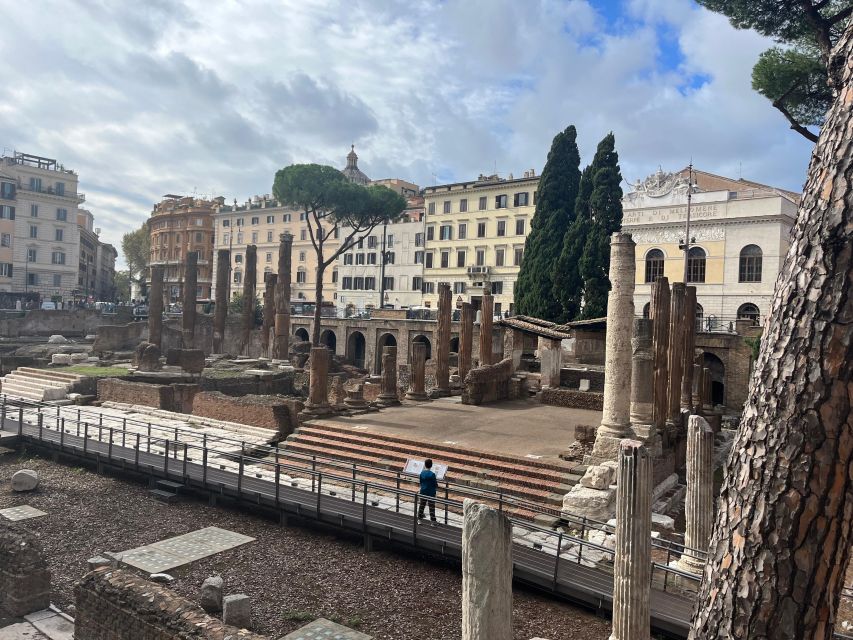
- Caesar’s assassination area: you’ll stand near the tuff base remains connected with the event reported by ancient sources.
- Four temples (4th–1st centuries BC): the sacred area preserves architecture from multiple centuries.
- A 1-hour plan: compact timing that’s easier to fit into a busy Rome day.
- Multimedia first, then ruins: a short film helps you recognize what you’re seeing.
- Modern Rome, ancient island feeling: excavations sit like an “island” in the city’s fabric.
- Audio + app support: you get an audio component and a paper map to orient yourself.
Largo di Torre Argentina: Rome’s dark courtyard with the oldest bones
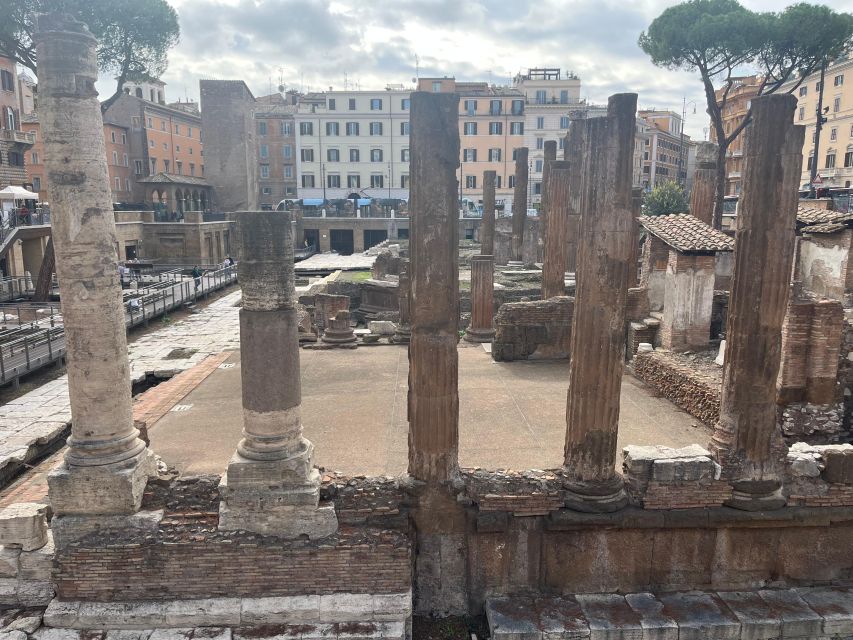
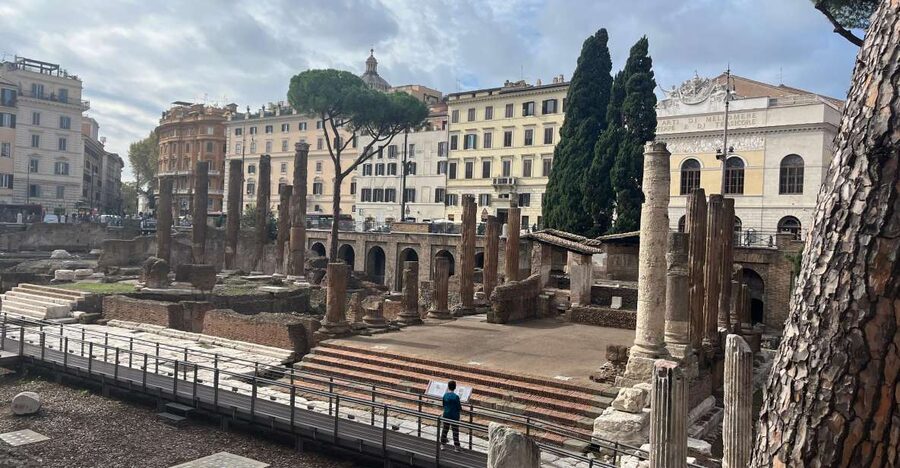
Largo di Torre Argentina doesn’t feel like a typical museum stop. It’s more like stepping into a pocket of Rome where centuries stacked on top of each other, and the air still carries the weight of politics. This is the sacred area where some of the earliest temple structures are tied to the city’s long religious life, and it’s also closely associated with the moment Julius Caesar was killed.
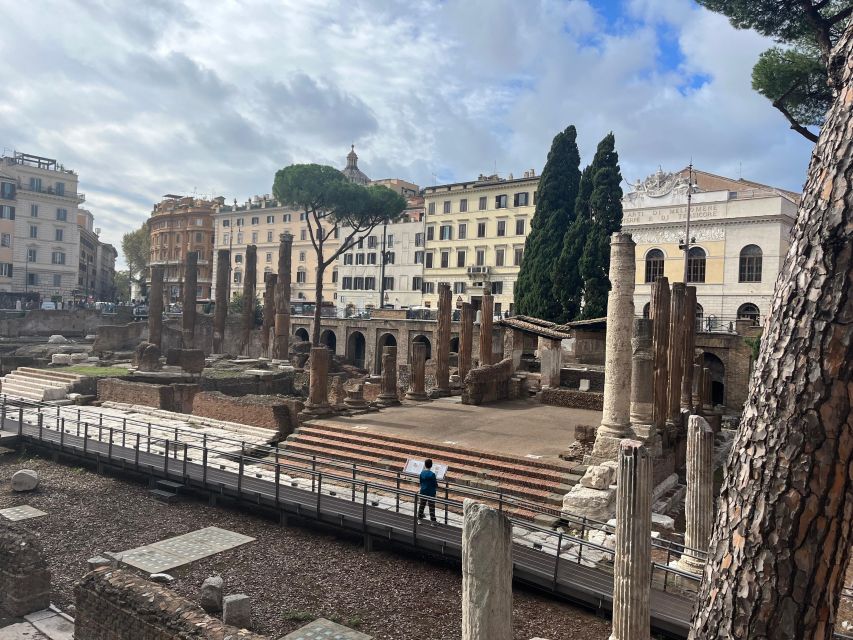
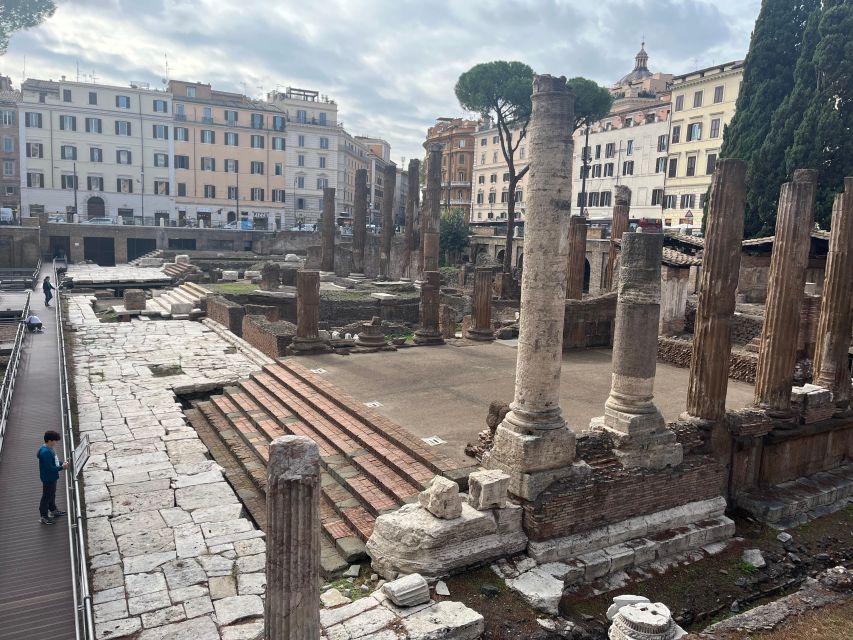
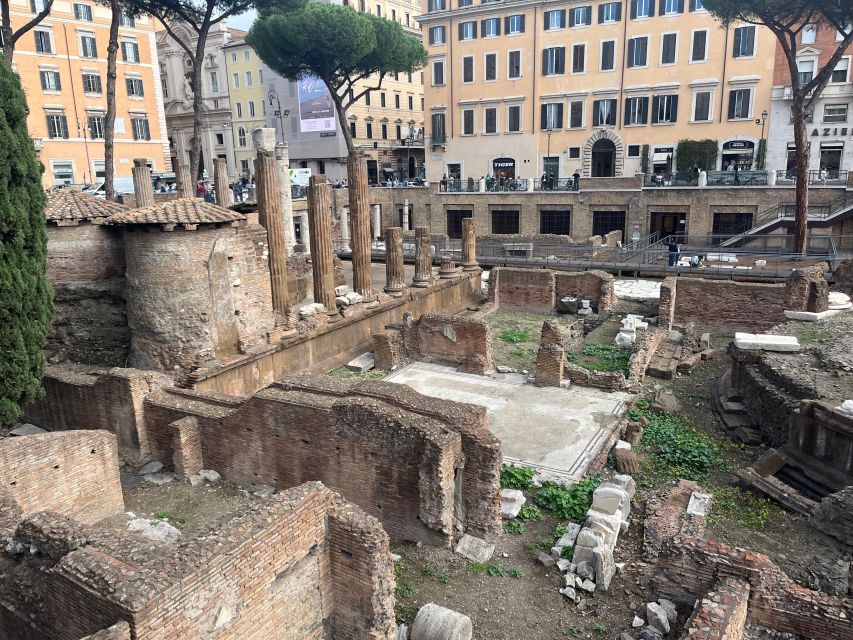
What makes the place so interesting for a visitor is the contrast. You’re in modern Rome, surrounded by streets and buildings, yet the excavations preserve an “island” of ancient remains. The atmosphere comes from the way the ruins form a courtyard-like space, and because the site includes evidence of uninterrupted use across time—imperial phases, then medieval structures later.
And yes, the theme is grim. The assassination on the Ides of March (reported as 44 BC) is part of what makes the site famous, but the experience is bigger than the drama. You’re looking at architecture that was built, repaired, reused, and reinterpreted as Rome changed. If you like history that leaves physical fingerprints behind, this stop delivers.
You can also read our reviews of more tours and experiences in Rome.
The 1-hour flow: how the timing works at Piazza d’Aracoeli
This isn’t a long guided excursion. The duration is 1 hour, and the key detail is that your selected time refers to your arrival at the meeting office, not the moment you’re physically standing in the excavations.
You redeem your voucher at TOURISTATION ARACOELI, Piazza d’Aracoeli 16. There’s a fountain and orange flags near the entrance, so you can orient quickly. From there, you transition into the experience, with the multimedia portion designed to prep you for what’s in front of you once you enter the excavation area.
Why this matters: a short format can be great value if you plan your day smart. You don’t need to carve out half a day, but you still get enough explanation to make the ruins feel legible. If you’re the type who hates rushing through sites without context, the film + audio combination is a strong match.
The multimedia primer and the audio guide: making ruins easier to read
Included with your ticket is a 30-minute ancient Rome multimedia video, shown in the tourist area before you enter the excavation space. This matters more than it sounds. Ruins can look like random stone and grass until someone helps you connect what you’re seeing to what it used to be.
The multimedia format is also timed for this specific site, so you’re not working from generic Rome explanations. The goal is to help you recognize the scale and layout of the structures, so when you reach the excavations you spend more time looking closely and less time guessing what everything is.
On top of the video, you get an Audioguide of Rome app, plus WiFi support for the audio experience. You also receive a paper city map. I like this combo because it gives you two ways to stay oriented: the audio helps with interpretation, while the map helps you connect the stop to your wider Rome route.
If you learn best by mixing narration with visuals, this is one of the smarter ways to do Largo Argentina—especially when you only have an hour.
Walking the excavation area: the four temples (4th to 1st centuries BC)
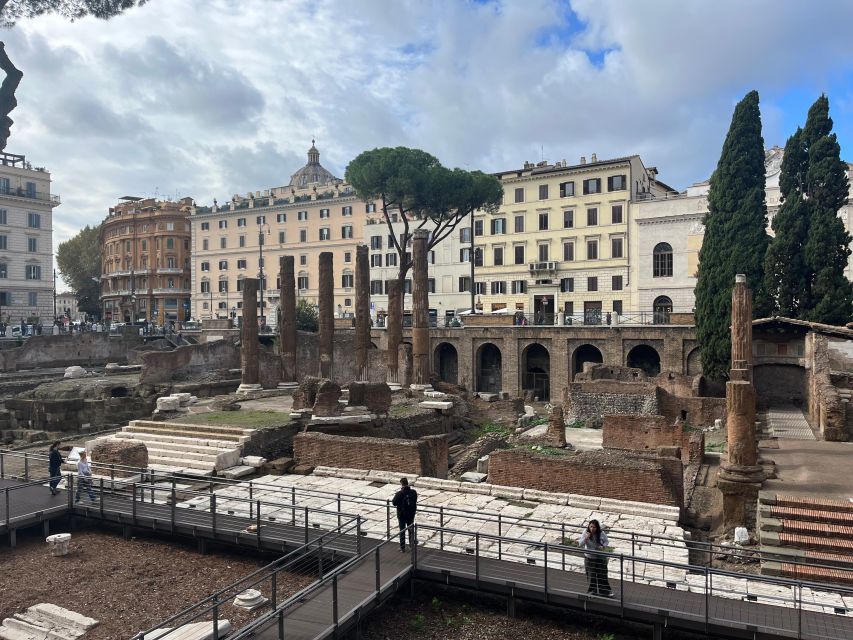
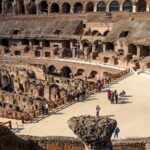
Once you’re in the sacred area, the core architectural focus is the set of four temples, dating between the 4th and 1st centuries BC. That range is important. It means you’re not looking at one single building phase; you’re seeing how sacred Rome evolved over time.
Expect to spend time observing how the temples relate to the excavation layout. Even if you’re not a Roman architecture specialist, the site is built for you to notice edges, bases, and structural rhythm. The multimedia video helps you interpret what those remnants suggest about original form and use.
One practical thing I appreciate here: the site is compact. You’re not trying to cover acres. So you can look slowly, check the audio as you go, and still finish within the one-hour window.
Also, the sacred area preserves signs of later life. The experience notes the imperial phases of the temples and even medieval-age structures. That is what turns a ruin into a story. Rome didn’t switch off; it adapted. You’re looking at a place that kept being meaningful, even after the original purpose shifted.
Pompey’s Curia tuff base and the Ides of March, 44 BC
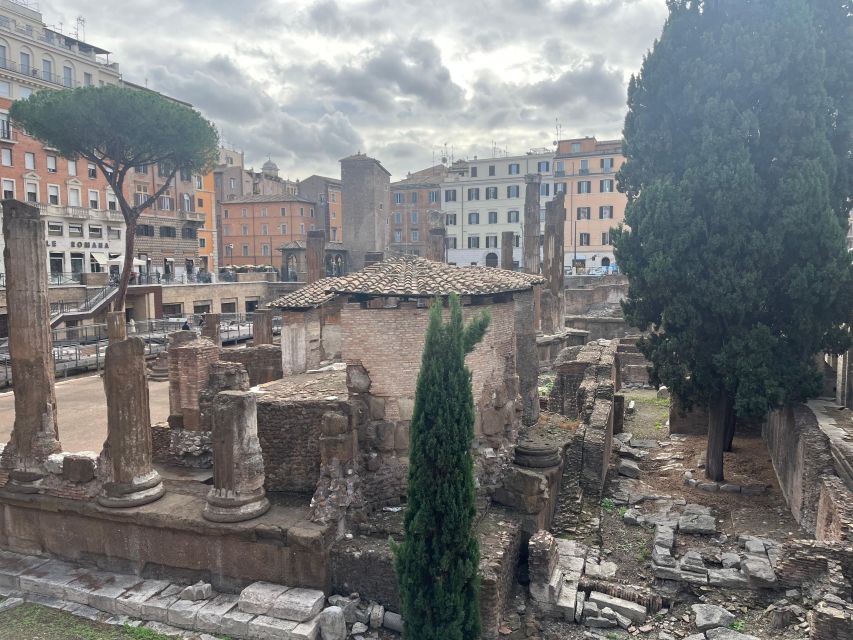
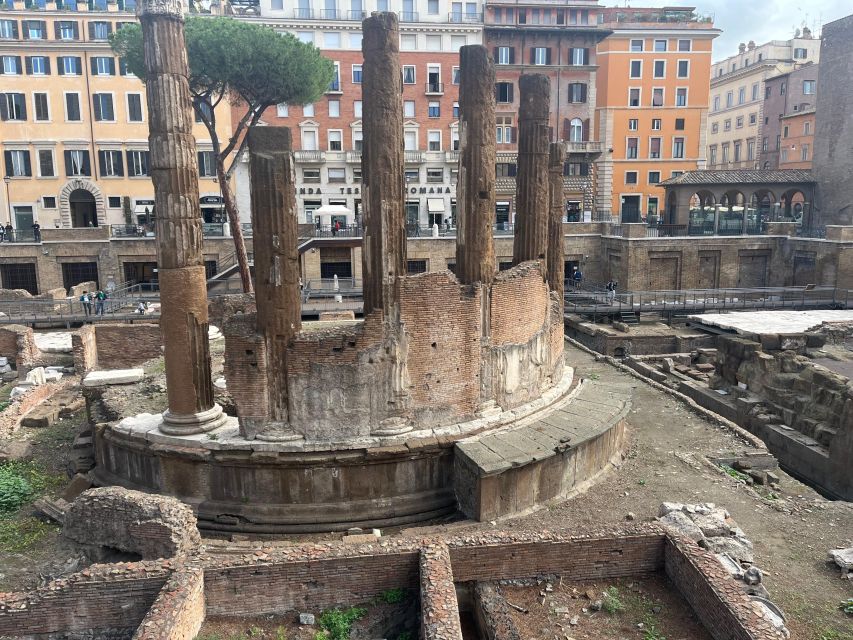
The centerpiece of Largo di Torre Argentina for many visitors is the connection to Julius Caesar’s assassination on the Ides of March, 44 BC. The experience specifically points you toward the remains that guard the tuff base of the Curia of Pompey, reported by ancient sources.
You won’t be staring at a theatrical reenactment. Instead, you’re looking at a physical base and surrounding remains, and the audio explanation helps you translate that into the event. This is history through place, not through props.
Why it’s powerful: the event becomes more than a date you’ve seen in textbooks. Standing near the remains tied to the Curia setting gives you a sense of how political violence played out in a real civic environment. Rome’s power struggles weren’t abstract. They had rooms, thresholds, and crowds.
It’s also a useful reality check. Caesar’s death is famous, but the sacred area around it preserves much more than one moment in time. The temples, later phases, and the long occupation emphasize that this spot held meaning before and after the assassination.
If you like your history grounded in geography, this is one of the best ways in central Rome to connect narrative with stone.

The “ancient island” feeling: why this site doesn’t vanish into the streets
Here’s the part that surprises many people: the ruins feel like a pocket of time. The excavated sacred area sits within modern Rome in a way that can make you feel slightly removed from traffic and noise. That’s not just atmosphere—it’s a spatial clue.
The experience highlights an “ancient island” in the middle of the city. And once you’re there, you’ll likely understand what that means by walking around the perimeter and noticing how the excavation area holds itself together visually. The tuff base area and temple remnants create a defined boundary, which makes the ruins feel enclosed even while you’re surrounded by contemporary buildings.
This is a big reason the site works well for an hour-long stop. You get the satisfaction of seeing something visually distinct without the effort of trekking across multiple neighborhoods.
I also like that the site preserves traces across time, including medieval structures. That keeps it from becoming a one-note Caesar stop. You’re seeing a place that continued to be used and reinterpreted, which makes it more human and less like a closed chapter.
Price and value at about $23: when it’s worth it, and when it isn’t
The ticket price is listed as $23 per person, with a one-hour experience. That’s not cheap-cheap, especially in a city where many Roman ruins are visible from sidewalks.
Here’s the balanced take: if you want the interpretations—multimedia prep, reserved entry, and the audio context—the price starts to make sense. The reserved access to the Largo Argentina excavations is a real benefit because you’re not just passing by; you’re entering and using the included tools to understand what you see.
But if your goal is only a quick visual hit, you should know that the site is easy to spot and much can be appreciated from outside. The cost can feel more optional if you’re mainly interested in photos and broad shapes rather than the deeper explanation.
So the value question is really about your style. If you like structure, narration, and knowing what each ruin line means, this ticket pays off. If you’re a casual passerby who wants to look from the street and move on, you might feel the price is more than you need.
What you get (and don’t get): included extras that change the experience
Included:
- 30-minute multimedia video
- Reserved entrance for the Largo Argentina excavations
- English audio guide via app
- Assistance at the meeting point
- Paper city map
- WiFi
Not included:
- Guided tour
- Transport
- Food and drink
I like that it’s not pretending to be a full guided tour. Instead, you’re guided by the content and audio, which fits a one-hour timeframe. You control pacing, and you can pause and replay audio segments if you want.
Also, the paper map is more helpful than it sounds in Rome. In a city of winding streets and overlapping sights, it’s nice to have something physical while you’re also listening.
Plan on handling your own transit. Plan on bringing water and a snack only if it fits your day, since food isn’t provided.
Practical tips that keep the visit smooth
A few rules are clearly listed, and it’s worth respecting them so you don’t waste time:
- Bring your passport
- Pets aren’t allowed
- No glass objects
- No luggage or large bags
- No alcohol and drugs
Time-wise, you’ll want to show up at the office time you booked for, since that’s what your selected slot is tied to. The site itself is different from the redemption point, so don’t treat your booking time as the moment you reach the ruins.
Finally, think about your expectations. This is a short visit focused on archaeology and interpretation. If you come expecting a long museum experience, you might feel the timeline is tight. If you come ready for a focused, high-context walk, the hour will feel just right.
Who this works best for (and who may prefer something else)
This experience fits best if you:
- Want a high-impact Rome history stop without committing to half a day
- Like audio-guided context that turns ruins into a story
- Care about Caesar’s assassination but also want the bigger temple-and-reuse timeline
- Prefer compact plans that fit into crowded sightseeing days
You might not love it as much if you:
- Only need quick exterior views and plan to photograph then leave
- Expect a live guide walking you step-by-step
- Want multiple hours of roaming through a large complex
In short: this is for people who want meaning with their ruins, not just a location pin.
Should you book Ancient Rome: Archeological area Largo Argentina?
Book it if you want your one-hour Rome time to count. The multimedia start plus the reserved access and English audio make this one of the more “understandable” ways to visit Largo Argentina. You’ll walk away with the layout of the four temples, a clearer sense of the sacred area’s long life, and a better grasp of the Curia of Pompey tuff base connection to Caesar’s assassination.
Skip or reconsider if you mostly want a quick photo stop. Since much of the site can be appreciated from outside and there’s no full guided tour included, the $23 ticket may feel like overkill for a casual look.
If you’re choosing between “see” and “get it,” this one leans toward get it.
FAQ
Where do I redeem my voucher for this experience?
You redeem your voucher at TOURISTATION ARACOELI, Piazza d’Aracoeli 16. A fountain and orange flags are in front of the office entrance.
How long is the experience?
The duration is 1 hour.
What language is the audio guide in?
The audio guide is in English.
What’s included in the ticket?
Included items are a 30-minute ancient Rome multimedia video, reserved entrance for the Largo Argentina excavations, an app audioguide of Rome, assistance at the meeting point, a paper city map, and WiFi.
Is a guided tour included?
No. A guided tour is not included.
What do I need to bring?
You need to bring your passport.
Are pets or large bags allowed?
No pets are allowed, and luggage or large bags aren’t allowed. Glass objects are also not allowed, and alcohol and drugs are not allowed.