REVIEW · SIEM REAP
Angkor Wat Sunrise & Ancient City Discovery
Book on Viator →Operated by Angkor Cycling Tour · Bookable on Viator
Sunrise over Angkor is a real early-morning payoff. This Angkor Wat sunrise cycling tour gets you moving at 5:00am, then keeps the momentum going with an English-speaking guide, a quality bike, and time to explore major temples afterward.
I especially like the mix of temple time on foot and cycling through trails that help you see more than you would by waiting around on tuk-tuks. One thing to consider: the temple pass is not included (listed as $37 for 1-day entry) and the start is very early, so it helps to be ready for a long, active morning.
In This Review
- Key things I’d circle before you book
- Why biking Angkor beats the usual temple shuffle
- The 5:00am sunrise plan and how to dress for sacred spaces
- Food and drinks: the part that actually makes the long day easier
- Angkor Wat morning: chambers, shadows, then pedal into the complex
- Angkor Thom gates and Prasat Chrung: views that make the biking worth it
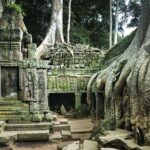
- Bayon, Preah Khan, Tanei, Tapron, and what to look for next
- Your guide matters more than you think (and here’s why)
- Bikes, helmets, and the pace you should expect
- Price: $70 is the good part, but plan for the temple pass
- Who this tour fits best (and who should skip it)
- Should you book Angkor Wat Sunrise & Ancient City Discovery?
- FAQ
- What time does the tour start?
- How long is the experience?
- Is the bike and helmet included?
- Are meals included?
- Do I need to buy the temple pass separately?
- Is hotel pickup included?
- What should I wear at Angkor?
- How big is the group?
Key things I’d circle before you book
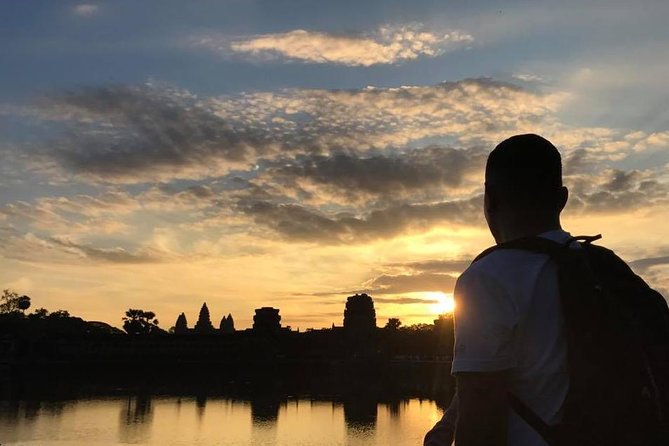
- 5:00am start means you’re at Angkor when the light is best and the crowds are still manageable
- Quality Giant/Trek hardtail-style bikes + helmets take the stress off you
- Breakfast, lunch, water, and fresh coconut juice keep the ride from turning into a hangry sprint
- An English-speaking guide adds context at every stop, not just photos and pointing
- Max 10 travelers keeps the group feeling small and lets the guide manage timing well
Why biking Angkor beats the usual temple shuffle
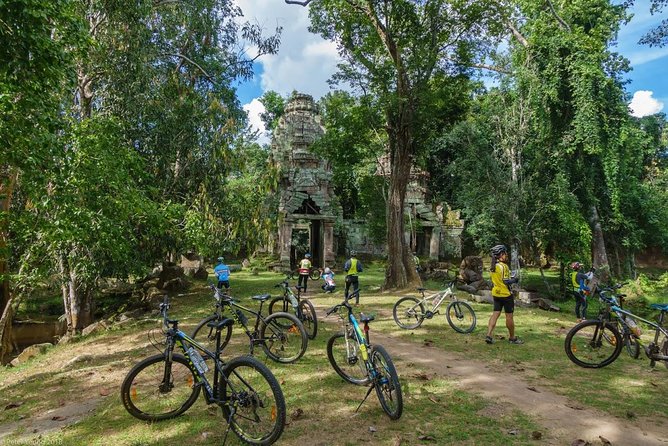
Angkor Wat isn’t just one temple. It’s a whole archaeological complex that rewards people who move efficiently and don’t rely on one single viewpoint. Cycling does that for you. You get the best of both worlds: you can stop to walk into temple chambers, then hop back on the bike to reach the next site without burning the whole day in transit.
It also changes your rhythm. By bike you’re not stuck in one slow lane of traffic or one slow line of pedestrians. You’re traveling across different kinds of surfaces and paths, which makes the day feel like discovery rather than a checklist.
And there’s another practical win: with a small group (maximum 10), your guide can adjust pacing and keep you from feeling rushed the second sunrise ends.
You can also read our reviews of more tours and experiences in Siem Reap.
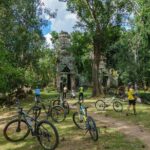
The 5:00am sunrise plan and how to dress for sacred spaces
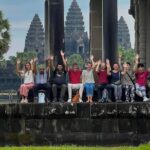
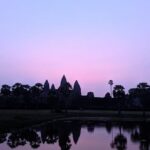
This tour begins at 5:00am, with the big moment timed for sunrise over Angkor Wat. Expect early darkness to give way to golden light across the temple’s architecture, with dramatic shadows that make carvings and shapes pop.
Because Angkor is an active spiritual site, the tour also comes with clear dress expectations. Revealing clothing is prohibited in sacred palaces—no shorts or skirts above the knees, and bare shoulders are a no-go. If you want the day to feel smooth (instead of stressful), wear something respectful from the start. Think breathable long pants or a skirt below the knee, and a top that covers your shoulders.
Bring what the day will actually need: sunglasses and sunscreen are practical, and a camera helps because sunrise photo angles are time-sensitive.
Food and drinks: the part that actually makes the long day easier
A lot of temple tours sell the sights and forget the fuel. This one doesn’t. You’ll get breakfast and lunch, plus pure drinking water and fresh coconut juice.
That matters because you’re doing a full 9-hour morning, starting before the sun is fully up. If you’ve ever tried to bike or walk in the heat on an empty stomach, you know how quickly the experience stops being fun. Here, at least the basics are covered, so you can focus on the temples and not on tracking down snacks.
Angkor Wat morning: chambers, shadows, then pedal into the complex
The sunrise portion starts at the heart of the experience: watching light arrive at Angkor Wat, then moving into the temple’s complex chambers. Sunrise at Angkor isn’t just pretty. The lighting changes how you read the carvings and reliefs—details that can look flat in midday light turn into shapes with real depth.
After that, the day shifts gears into cycling. Your guide leads the route through a hidden rainforest trail, which is a big reason this tour feels different from a standard temple-only visit. You get a break from constant stone-and-heat exposure, and the green, earthy trail gives you a reset before the next group of temples.
Then you step back into the Angkor story through a defensive-wall perspective:
- You’ll pass the South gate of Angkor Thom, described as one of the most appealing defensive-wall spots of Angkor Thom.
- You’ll also climb up to a protection wall area for a view toward Prasat Chrung.
Those wall viewpoints are useful because they help you understand the scale of the city layout. Angkor can look like scattered monuments unless you get at least one elevated moment that shows how it all connects.
Angkor Thom gates and Prasat Chrung: views that make the biking worth it
Once you’re into Angkor Thom territory, the cycling route becomes part of the education. Gates aren’t just entrances here—they’re part of the city’s defensive geometry and ceremonial flow. Seeing them from different angles while you move around (instead of only from one fixed bus stop) makes them easier to remember.
Prasat Chrung is a highlight because you get a climb to the protection wall for a view. When you’re up there, you’re not just taking a picture—you’re mapping what you saw earlier. You’ll understand why people kept building and rebuilding across centuries in a landscape full of spiritual and political meaning.
Also, the pacing is designed so you don’t lose the day after sunrise. Instead of rushing straight into a pile of temples, you get a sequence: sunrise → temple chambers → cycling trail → defensive-wall perspectives. It keeps attention sharp.
A few more Siem Reap tours and experiences worth a look
Bayon, Preah Khan, Tanei, Tapron, and what to look for next
After the Angkor Wat and Angkor Thom segments, the guide takes you to other major temples, including:
- Bayon
- Preah Khan
- Tanei
- Tapron
- Prasat Chrung (also tied into the wall-view moment earlier)
Here’s the practical way to get value from this part of the morning. Don’t just look for one famous feature. Use your guide’s timing and explanation to spot patterns—how iconography repeats, how space changes as you move from one temple complex to the next, and how the architecture supports worship and community life.
This is where an English-speaking guide makes a real difference. With enough context, a temple stops being a backdrop and becomes a place with purpose. And since you’ve already warmed up with sunrise light and elevated views, you’ll be more ready to notice the subtler details during the rest of the circuit.
Your guide matters more than you think (and here’s why)
Angkor sunrise can go two ways: either you get a frantic sprint through monuments, or you get a calm, meaning-filled route where photo spots and historical context are planned. This tour leans toward the second option.
The guides highlighted in feedback—like Azude Seng, Bobo, Vannarath, Seyha, and Sihal—are repeatedly praised for history knowledge, attention to small details, and smart photo timing. One of the best advantages of that is avoiding the worst of the crowds around sunrise, so you’re not stuck elbowing people for a clear shot.
You can also expect guides who will help you read what you’re seeing while cycling—what to notice, where to stop for the best angles, and how to move through the area with fewer interruptions.
Bikes, helmets, and the pace you should expect
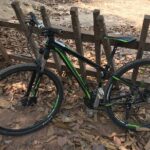
This tour provides a mountain bike and helmet, with bike models listed as Giant/Trek. That’s a big deal because it means you’re not hunting down a random rental that might feel sketchy at sunrise on mixed paths.
The ride itself is described as varied—more than just smooth pavement. Expect a mix of asphalt, dirt roads, elevated trail sections, and single-track style segments. In other words, it’s not a gentle sightseeing cruise the whole time. You’ll be pedaling, steering, and staying alert.
If you’re comfortable riding a hardtail touring-style bike and you don’t mind a bit of uneven terrain, you’ll likely feel right at home. If biking feels intimidating, you’ll still learn fast because the day is guided and paced for a small group.
Price: $70 is the good part, but plan for the temple pass
At $70 per person, the price is easier to judge when you look at what’s included. You’re getting:
- an English-speaking guide
- a quality bike and helmet
- breakfast and lunch
- water and fresh coconut juice
- hotel pickup (and transfers are described as round-trip in the overview)
What’s not included is the temple pass (listed as $37 for 1-day entry). That’s the main extra you’ll need to budget. Also note the listing says hotel drop-off isn’t included, even though transfers are referenced in the overview—so it’s worth clarifying how the return segment works for your exact hotel.
Bottom line: the $70 fee is strong value because it bundles food, guidance, and equipment. Most of what can otherwise cost you extra in time and logistics is handled for you. The temple pass is the one clear add-on you should plan for.
Who this tour fits best (and who should skip it)
This is a great match if you:
- like being active early and want the sunrise moment instead of arriving after the best light
- enjoy cycling through trails as part of the sightseeing
- want history explained in English, not just a map and a schedule
- appreciate a small-group vibe (maximum 10)
You might want to choose a different Angkor plan if you:
- don’t feel comfortable cycling on mixed surfaces
- prefer to keep temple walking only, with no biking segments
- are not ready for the early start time and full morning pace
Should you book Angkor Wat Sunrise & Ancient City Discovery?
I think you should book it if your ideal Angkor day looks like: sunrise first, then movement through temples and paths, with a guide who helps you understand what you’re seeing. The included bikes, helmets, meals, and drinks are the practical reasons it’s worth it.
Just go in with two expectations set: the temple pass costs extra, and 5:00am is genuinely early. If you can handle that, this is one of the more efficient and memorable ways to experience Angkor without feeling stuck in a slow, repetitive routine.
FAQ
What time does the tour start?
The meeting time is 5:00am.
How long is the experience?
It runs for about 9 hours.
Is the bike and helmet included?
Yes. You’ll be provided with a quality mountain bike (listed as Giant/Trek) and a helmet.
Are meals included?
Yes. Breakfast and lunch are included, along with pure drinking water and fresh coconut juice.
Do I need to buy the temple pass separately?
Yes. The temple pass is not included and is listed as $37 for 1-day entry.
Is hotel pickup included?
Hotel pickup is included. The overview also mentions round-trip transfers, but hotel drop-off is listed as not included, so confirm how the return works for your exact lodging.
What should I wear at Angkor?
Angkor is an active spiritual site. The tour notes that shorts/skirts above the knees and bare shoulders are prohibited in sacred palaces, so dress respectfully.
How big is the group?
The tour has a maximum of 10 travelers.