REVIEW · ANURADHAPURA
Anuradhapura: Tuk Tuk Tour – Ancient City with Audio Guide
Book on GetYourGuide →Operated by Anuradhapura Ancient City Tuk Tuk Tour · Bookable on GetYourGuide
Ancient ruins, on a comfy tuk tuk. I like how this route links 14 major sites in Anuradhapura with an English audio guide app, plus hotel pickup so you don’t waste time figuring out rides. My one caution: heritage entry tickets aren’t included, so you’ll want to budget for those on top of the tour price.
This is built for small groups (up to 3 in a private tuk tuk), which makes it easier to set your own pace. The stops are short and timed, but the driver and audio guide make it feel more like a guided walk than a quick grab-and-go.
In This Review
- Key things to know before you ride
- Anuradhapura by tuk tuk: why this route works
- Price and the real cost: what $30 covers
- Audio guide app in English: how to make it work on the day
- Your 5-hour plan: timed visits across Anuradhapura
- Stop-by-stop: what to see and how to pace each site
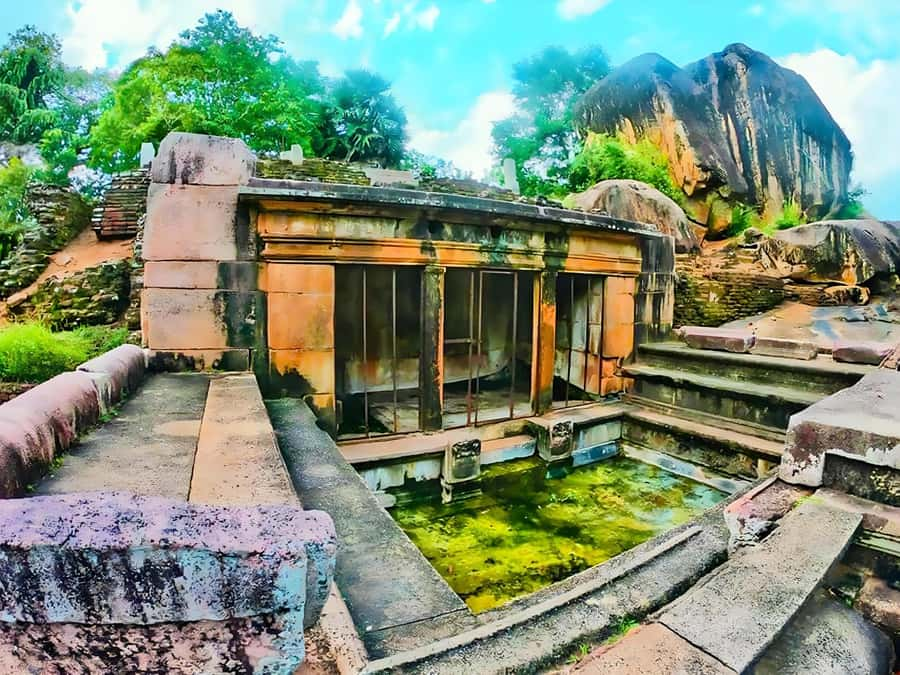
- Isurumuniya Rajamaha Viharaya (about 20 minutes)
- Ranmasu Uyana, Royal Park (about 40 minutes)
- Lankaramaya (about 10 minutes)
- Jaya Sri Maha Bodhi (about 20 minutes)
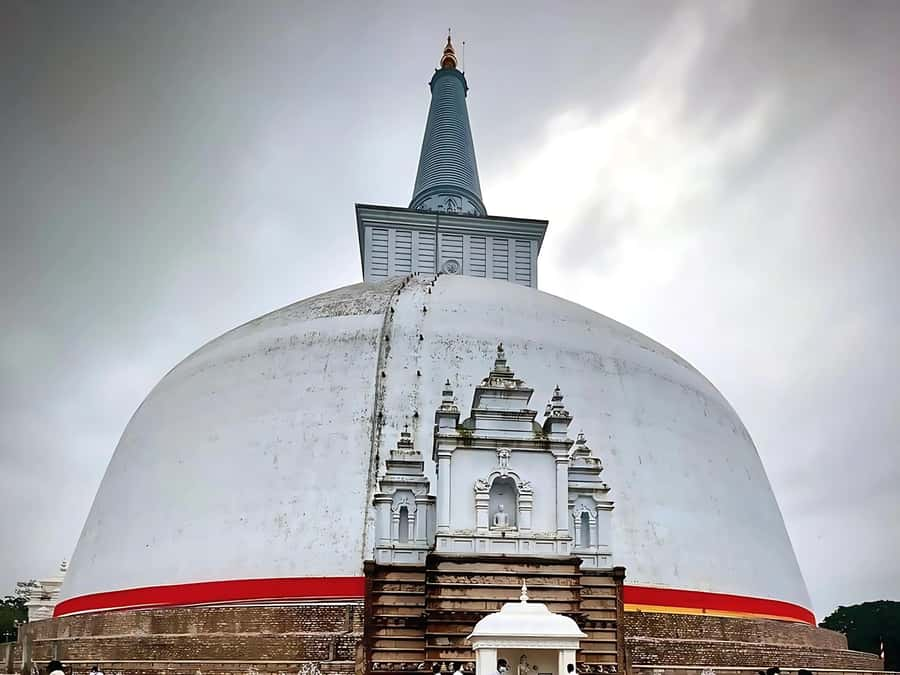
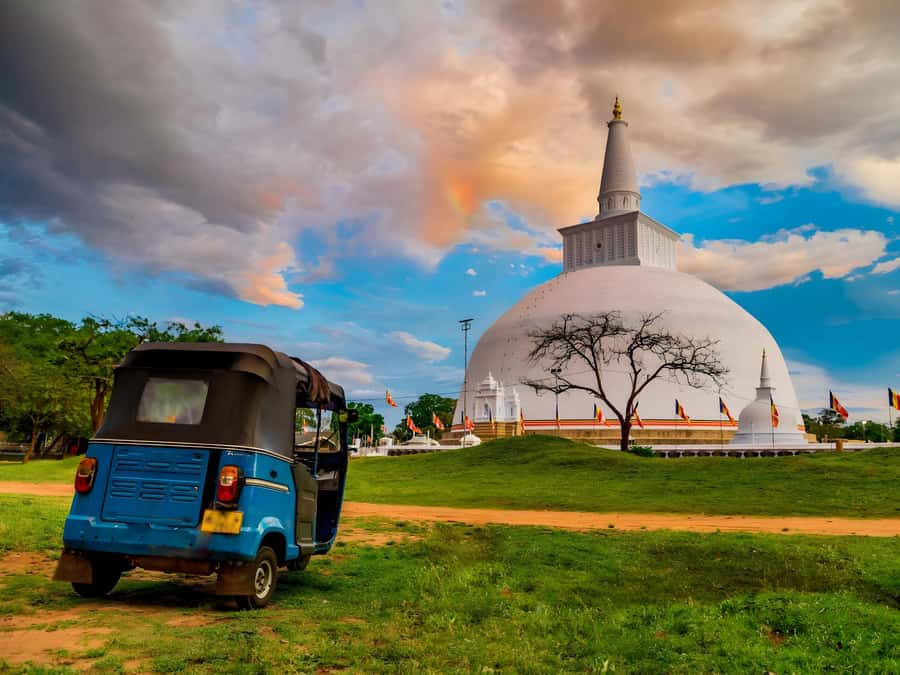
- Ruwanweli Maha Seya (about 20 minutes)
- Thuparama Seya (about 10 minutes)
- Mirisavetiya Stupa (about 10 minutes)
- Anuradhapura Moonstone (about 10 minutes)
- Jethawanaramaya (about 10 minutes)
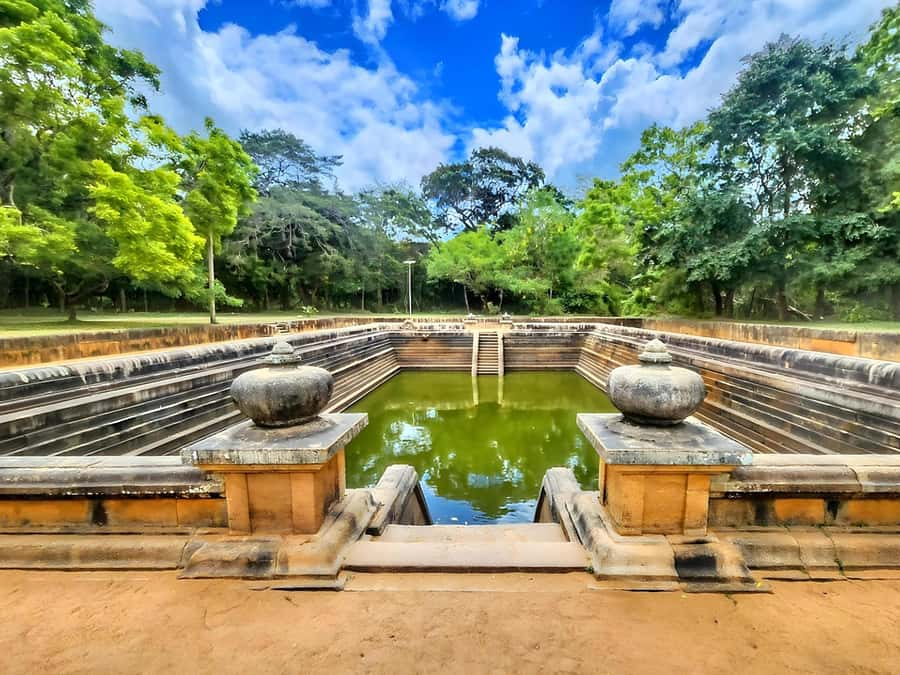
- Twin ponds (කුට්ටම් පොකුණ) (about 10 minutes)
- Abhayagiri Vihara (about 30 minutes)
- Samadhi Buddha Statue (about 10 minutes)
- Main Refectory of Abayagiri Monastery (about 15 minutes)
- Rathna Prasadaya (මුරගල) (about 40 minutes)
- Return tuk tuk ride (about 30 minutes)
- Tuk tuk comfort, driver style, and safety on this day
- Who this tour fits best (and who should rethink it)
- What to bring (and what to skip)
- Tips to get more value out of your 5 hours
- Should you book this Anuradhapura Tuk Tuk Tour?
- FAQ
- How long is the Anuradhapura tuk tuk tour?
- Is this a private tour?
- What does the tour price include?
- Are heritage site entry tickets included?
- How many sites do you visit?
- What language is the audio guide available in?
- What should I bring with me?
- How do pickup and audio guide setup work?
Key things to know before you ride
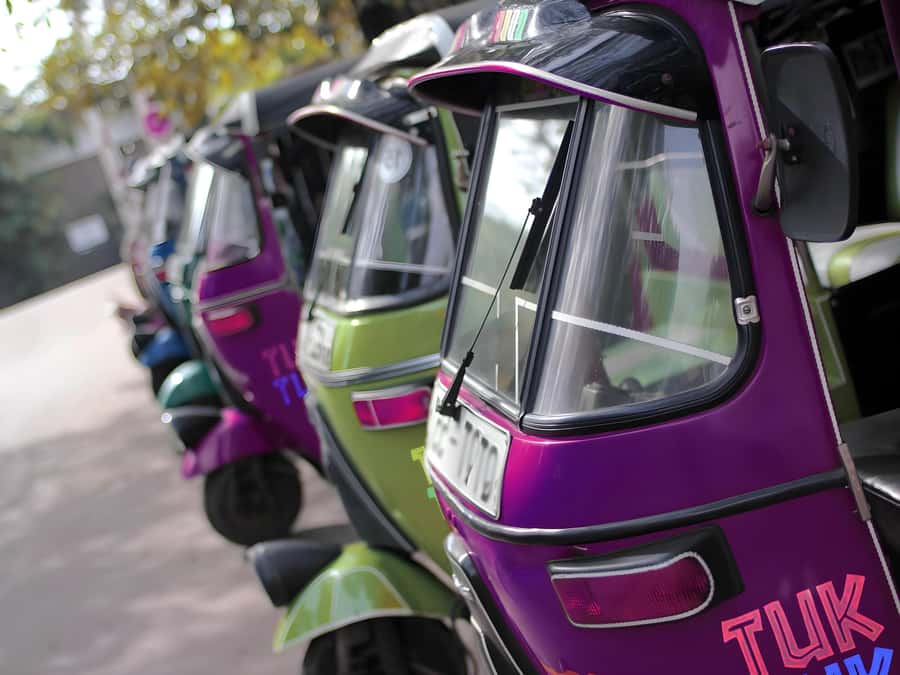
- Private tuk tuk, up to 3 people: you’re not squeezed into a big group bus.
- 14 sites on a focused 5-hour loop: short visits at many stops let you cover a lot.
- English audio guide app for 14+ sites: your phone becomes the guide.
- Hotel pickup and drop-off included: start and end where you’re staying.
- Parking fees and bottled water included: the small costs are handled for you.
- Driver experience plus safety support: 10+ years on the road and 24-hour ambulance service.
Anuradhapura by tuk tuk: why this route works
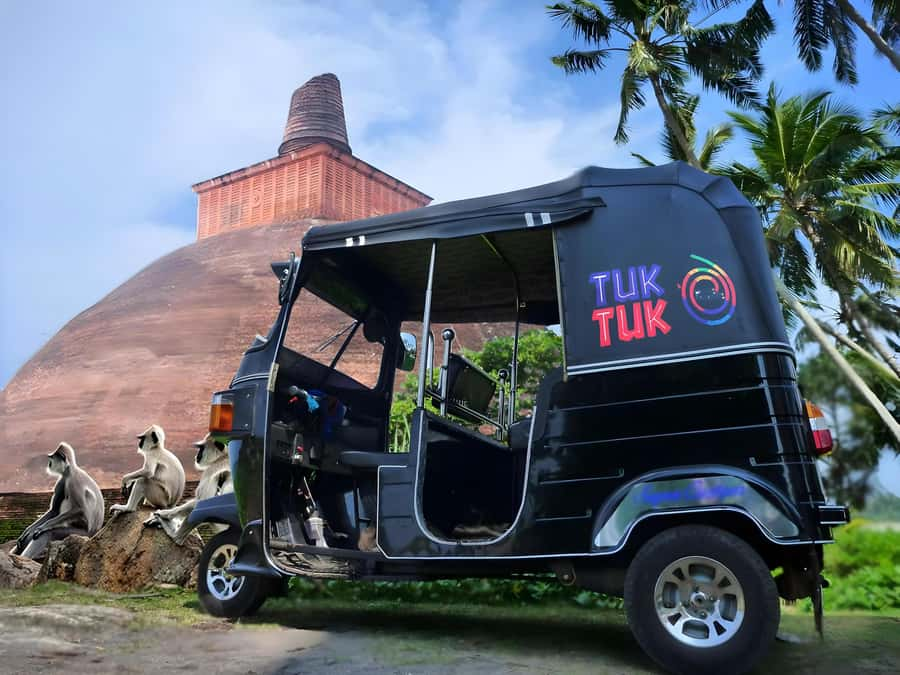
Anuradhapura can feel like a maze of sacred ruins, big stupas, temple grounds, and pond sites spread across the ancient core. Walking a lot is doable, but a tuk tuk is the practical way to cover ground without burning your whole day on transport.
I like that this tour is set up like a circuit. You hop from one “anchor” site to the next, with rides in between and guided viewing windows that keep the day flowing. And because it’s private, you can spend a little more time where you’re most interested, then move on without worrying about a large group’s schedule.
Also, the driver isn’t just a driver. You’re riding with someone who has 10+ years of expertise with tuk tuks and the highways, which matters in a place where getting around smoothly makes the whole day feel calmer.
You can also read our reviews of more tours and experiences in Anuradhapura.


Price and the real cost: what $30 covers
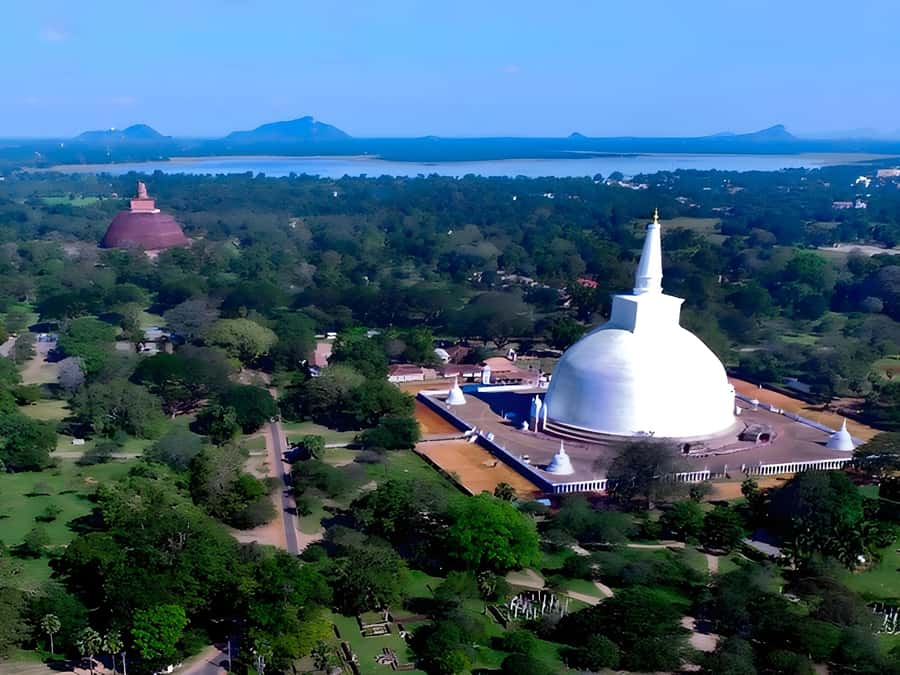
The tour price is $30 per group up to 3 people for about 5 hours. That’s good value for a private tuk tuk day, especially in a UNESCO-heavy area where taxis and entry-tickered plans can add up quickly.
Here’s the accounting that matters:
- Included: hotel pickup/drop-off, parking fees for all sites, and one bottled water per guest, plus the English audio guide app.
- Not included: entry tickets for Heritage Sites and entry tickets for museums.
So think of the $30 as paying for transportation, parking, and the audio-guided experience—then add entry tickets on top. If you’re used to free outdoor temples, you’ll still want to budget because some of the most famous parts of Anuradhapura are ticketed.
If you’re traveling as two or three people, this is one of those “split it and you’re set” deals.
Audio guide app in English: how to make it work on the day
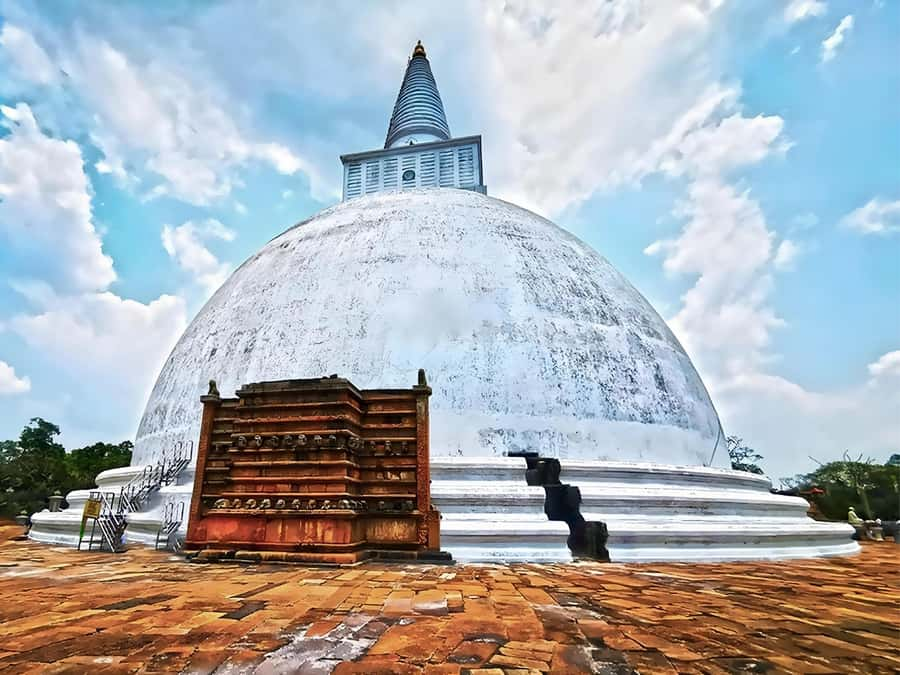
The big brain behind the experience is the audio guided app (English), covering over 14 sites with historical facts, cultural context, and anecdotes. The tour is private, but the audio app is what keeps it from turning into just staring at stones.
A few practical things to help the audio land well:
- You’ll need internet access, since you’re using an app-based guide.
- When you book, you provide your WhatsApp number so the company can send your audio guide installation link and key trip details.
- Plan for your phone to be the “main guide.” The driver may help with logistics, but the information part is the app’s job.
One balanced note from past experiences: the audio guidance can be helpful and well organized, but a few people found it less detailed than they wanted for the deeper meanings of certain temples. If you love symbolism and want a lot of interpretation, you might still want to pair the audio app with a bit of offline reading before you go.
Your 5-hour plan: timed visits across Anuradhapura
This day is structured for momentum. You start in Anuradhapura, ride to the first stop, then work through a set of sites that mix religious monuments, monastery areas, ponds, and stupa complexes.
You’ll notice a rhythm:
- Tuk tuk rides of about 30 minutes between main chunks
- Site visits that range from around 10 minutes for quick highlights to 20–40 minutes for bigger focus stops
That timing is a feature. It helps you see a lot without turning the day into one long slog. The trade-off is that the shorter stops are best for a first, meaningful look—then you can decide if you want more time at your favorites.
Stop-by-stop: what to see and how to pace each site
Here’s how the route is built, in the order you’ll move through it.
You can also read our reviews of more city tours in Anuradhapura

Isurumuniya Rajamaha Viharaya (about 20 minutes)
This is an early temple stop, a good place to get your bearings before the larger stupas and compounds. Aim to use the audio guide here to frame what you’re looking at—temple areas can feel similar until you understand the purpose and the key details.
Pacing tip: don’t rush. Even a 20-minute window feels short when you’re trying to read, listen, and take photos.
Ranmasu Uyana, Royal Park (about 40 minutes)
This is one of the longer blocks, which usually means you’ll want more than a quick walk-by. Use it to slow down and take in the layout and atmosphere of the grounds.
If heat is an issue, plan your breaks during this longer stop rather than later, when you may feel more tired.
Lankaramaya (about 10 minutes)
This is a quick hit. In 10 minutes, you’re mostly there to mark it, understand what it is, and connect it to the bigger story of the area.
If you’re the type who likes to photograph details, 10 minutes can still work. If you want to linger, you’ll need to rely on your flexibility.
Jaya Sri Maha Bodhi (about 20 minutes)
This is the famous one: the world’s oldest tree. That alone is worth a solid stop, but the audio guide can make it more than just a famous photo spot.
I like this placement in the day because it’s a natural emotional and historical anchor. After this, you’re more prepared to interpret the monuments you’ll see next.
Ruwanweli Maha Seya (about 20 minutes)
A major stupa complex. Use this stop to pay attention to how the site is designed and how the space is used around the monument. If you’re listening to the audio guide, this is the kind of place where context helps you appreciate what the structure represents.
Thuparama Seya (about 10 minutes)
Another shorter stupa stop. Think of it as a chance to compare styles and features across multiple sacred monuments within the same day.
Quick takeaway: you’ll likely remember Ruwanweli more vividly, so let Thuparama be your “fast contrast” stop.
Mirisavetiya Stupa (about 10 minutes)
This is another brief viewing window. The best way to enjoy it is to let the audio app explain it while you look. Without that, stupa sites can blend together on a busy day.
Anuradhapura Moonstone (about 10 minutes)
This is a fun, specific highlight. Moonstones are decorative stone slabs tied to entrance traditions at sacred sites. Even if you’re not a “details person,” this stop gives your brain a break from scanning huge monuments.
Tip: use this stop for photos and close-looking. It’s one of the easier places to spot distinctive design.
Jethawanaramaya (about 10 minutes)
A major stupa again. You’ll probably feel like you’re checking off another big one—but the point of a route like this is exactly that: seeing several anchor sites without traveling between them all day.
If you want more than 10 minutes, you’ll need to trim time somewhere else earlier.
Twin ponds (කුට්ටම් පොකුණ) (about 10 minutes)
Now you switch gears. Ponds aren’t just scenery here—they’re part of how monastic life and temple precincts connect to daily ritual and history. Even in 10 minutes, you can get something out of it if you use the audio guide for context.
If you like photography, try to get angles that show the pond relationship to the surrounding grounds.
Abhayagiri Vihara (about 30 minutes)
This is a bigger stop and a strong mid-to-late day anchor. Longer time is useful here because monastery complexes can include multiple points of interest within one general area.
If you’re choosing where to spend your extra energy, Abhayagiri is a good candidate because it’s scheduled for longer than most sites on the list.
Samadhi Buddha Statue (about 10 minutes)
A statue-focused stop. These short windows are great when you know what to look for: posture, setting, and the mood of the figure. The audio app should help you interpret why it matters within the broader site.
Main Refectory of Abayagiri Monastery (about 15 minutes)
This is the most “day-to-day” stop on the route, because refectories tie directly to communal eating and routine in monastic life. It’s easy to focus only on big monuments, but this kind of site helps you understand how people lived.
Don’t treat it like a throwaway stop—15 minutes can still feel meaningful if you’re listening.
Rathna Prasadaya (මුරගල) (about 40 minutes)
This is one of the longest final-site blocks. Use it to slow down, soak up the site atmosphere, and let the day’s context click into place.
If the heat has been building, save the most relaxed pacing for this stop. You’ll likely appreciate it more once you’ve seen the other anchors.
Return tuk tuk ride (about 30 minutes)
You’ll ride back to Anuradhapura to end the loop. This is a good time to decide if you want to stop elsewhere on your own later—especially if something earlier pulled you in.
Tuk tuk comfort, driver style, and safety on this day

Because this is a private auto rickshaw tour, the small details matter.
A few practical points I like:
- The driver is expected to handle the route smoothly and you’ll get hotel pickup and drop-off.
- The tuk tuk can be ready at the hotel gate, and you’ll be notified on WhatsApp.
- They’ll wait after the scheduled pickup time until you’re ready, which reduces stress if you’re finishing a checkout or running late.
Safety is also spelled out in the setup:
- The company runs with a 24-hour ambulance service in case of emergencies.
- Parking fees are handled, so your day isn’t interrupted by finding a lot and paying on the spot.
One more reality check: English levels from driver to driver can vary. Some past experiences noted that the driver’s English might be limited, but the communication chain can still work because the audio guide is English and support can be contacted if needed. In other words, the day doesn’t depend entirely on driver translation.
Who this tour fits best (and who should rethink it)

This is a good match if you want:
- A small-group, private way to cover a lot of Anuradhapura
- An audio-guided day where you can pause mentally and learn facts without hiring a full-time human guide
- A flexible feel, since you can customize your interests within the 5-hour window
It may not be the right fit if you:
- Have back problems
- Use a wheelchair
- Are over 95 years
- Weigh over 309 lbs (140 kg)
You’ll also be more comfortable if you like walking a bit inside each site compound. The tour keeps stops shorter at many places, but you still move around.
What to bring (and what to skip)
Plan your packing for outdoor walking and Sri Lanka’s weather.
Bring:
- Comfortable shoes
- Hat and umbrella
- Comfortable clothes and socks
- Internet access (important for the audio app)
Not allowed in the vehicle:
- Drones
- Smoking
- Alcohol and drugs, and alcohol drinks in the vehicle
- Ripped clothing, costumes, nudity, and see-through clothing
- Explosive substances
- Swimwear
Simple rule: dress for sun and respect. Sites here are sacred, and that’s part of the experience.
Tips to get more value out of your 5 hours
- Use the audio guide early. If you wait until later, you’ll spend the first part mostly collecting names.
- Choose your “slow stops.” Most places get around 10 minutes. Save extra time for the Bodhi tree or Abhayagiri if those matter to you most.
- Don’t let every stop become a rushing photo sprint. A good strategy is: listen first, look second, then take photos if you have energy.
- If you need extra stops outside the plan (like food or a quick errand), keep it reasonable. A friendly driver can sometimes help, but this is still a 5-hour structure.
Should you book this Anuradhapura Tuk Tuk Tour?
Book it if you want a practical, private way to cover 14 key Anuradhapura sites in about five hours, with an English audio guide app doing the teaching. It’s especially good value if you’re traveling with one other person and can split the group cost.
Skip or rethink it if you know you’ll feel uncomfortable with frequent short walks, you need wheelchair access, or you’re not interested in paying extra for Heritage Site entry tickets. Also, if you’re hoping for deep, human-level explanations at every temple, you may find the audio guide only goes so far—so plan to supplement with your own reading if that matters to you.
Overall, this is a smart “ancient city highlights” day: compact, guided, and easy to manage when you want to learn without getting stuck on logistics.
FAQ
How long is the Anuradhapura tuk tuk tour?
The tour runs for 5 hours.
Is this a private tour?
Yes. It’s a private group with up to 3 people.
What does the tour price include?
It includes hotel pickup and drop-off, parking fees for all sites, one letter bottled water per guest, and an English audio guide app.
Are heritage site entry tickets included?
No. Entry tickets for Heritage Sites and museums are not included.
How many sites do you visit?
You visit 14 sites at Anuradhapura during the tour, and the audio guide covers details for over 14 sites.
What language is the audio guide available in?
The audio guide is included in English.
What should I bring with me?
Bring comfortable shoes, a hat, an umbrella, comfortable clothes, socks, and internet access.
How do pickup and audio guide setup work?
You should provide your WhatsApp number when booking. You’ll be notified on WhatsApp when the tuk tuk is at the hotel gate or pick-up location, and you should wait in the lobby about 5 minutes before pickup. The WhatsApp messages also include the audio guide installation link.