REVIEW · ACCRA
Assin Manso Slave River, Cape Coast & Elmina Castle History Tour
Book on Viator →Operated by Best of Africa Travels Ltd · Bookable on Viator
A river stop that explains the next walls. This tour is about following the same route people were forced to take during the transatlantic slave trade, starting at Assin Manso and then moving on to the better-known Cape Coast sites. I especially like that the park covers the real ending moments, including the story of the final bath before departure.
I also came away impressed by the way the day is guided and paced. With a small group (up to 15) and a professional local guide named Enoch in the stories I saw, you get context you can actually use while you’re walking the sites. Add in the coastal scenery and the working port-town feel around Elmina, and the whole day stops being just “checklist history.”
One thing to consider: it’s a long day (10 to 16 hours) starting at 7:30 am, and lunch isn’t included—there’s time set aside for it, but you’ll pay for your meal. Wear good shoes and come ready for a heavy, emotional topic.
In This Review
- Key highlights to know before you go
- The big picture: one route, three crucial sites
- Assin Manso Ancestral Slave River Park: the final bath and the repatriation story
- Elmina Castle: Portuguese 1482 and the fishing-town reality
- Cape Coast Castle: the UNESCO-listed slave-castle system
- The Cape Coast Walk and Castle Beach lunch break
- Price and logistics: what $260 buys you in a long day
- Transport and timing: start early, plan for the full day
- Small-group feel: why it can improve your visit
- Who this tour fits best (and who should think twice)
- Should you book this tour?
- FAQ
- How long does the Assin Manso Slave River, Cape Coast & Elmina Castle History Tour take?
- What time does the tour start, and where does it meet?
- Is pickup included?
- What’s included in the tour price?
- Is lunch included?
- Which stops have admission tickets included?
- How big is the group?
- Do I get a ticket on my phone?
- Are service animals allowed?
- What is the cancellation policy?
Key highlights to know before you go
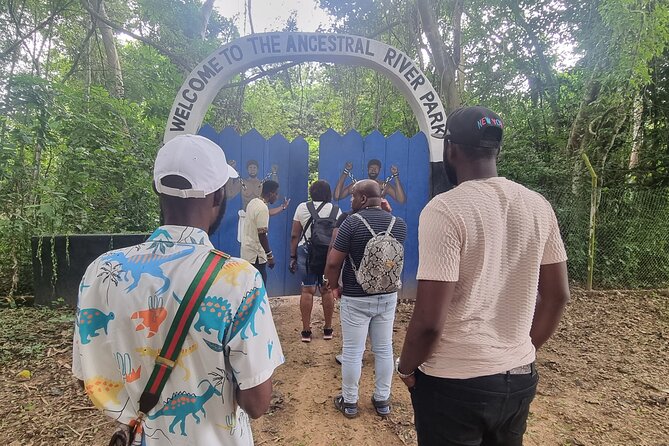
- Assin Manso starts the story at the end of the forced journey, including the final bath site
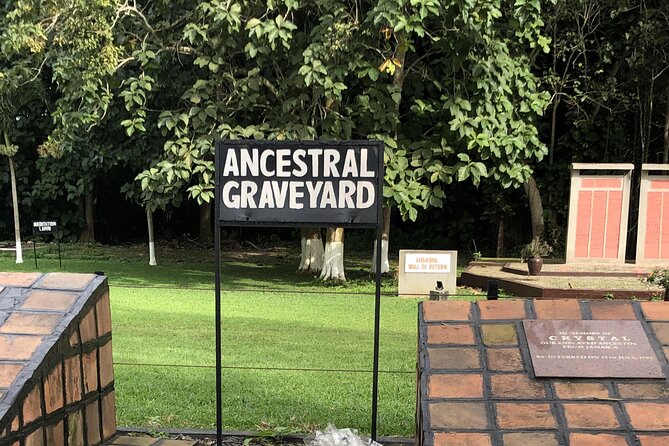
- Reburial details matter: the park references the reburial of repatriated remains of Carson (New York) and Lady Crystal (Jamaica)
- Elmina Castle connects to Portuguese-era trade (Portuguese built it in 1482) and you also get a stroll in the nearby fishing market area
- Cape Coast Castle is UNESCO-listed and focuses on the slave-castle system and its impacts
- Cape Coast Walk includes a seaside lunch break near Castle Beach, with conversation time built in
- Group size stays small (max 15) with air-conditioned transport plus onboard WiFi and bottled water
The big picture: one route, three crucial sites
This is the kind of day trip that feels like one long, guided timeline. You start inland along the slave-trade path at Assin Manso Ancestral Slave River Park, then continue down the coast through Elmina Castle and finish at Cape Coast Castle. The goal is not just to see buildings, but to understand how the system worked—from the assembly point, to Portuguese-era coastal trade, and then to the slave-castle imprisonment and processing.
I like how the pacing links the sites together. Assin Manso sets the stage in a concrete, location-based way—especially because the experience centers on the final bathing moment before people were taken further. Then Elmina adds another layer: the Portuguese built Elmina Castle in 1482, and you see how trade and captivity blended into one coastal economy.
You’ll also get a coastal sense of place during the day—sea views and town views—so the sites don’t feel like isolated monuments stuck in time. In Elmina, the nearby fishing-market area gives you a reminder that these are living communities, not just photo backdrops.
You can also read our reviews of more historical tours in Accra



Assin Manso Ancestral Slave River Park: the final bath and the repatriation story
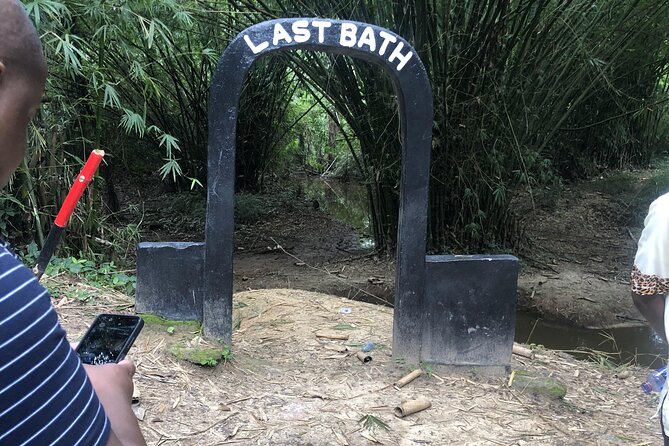
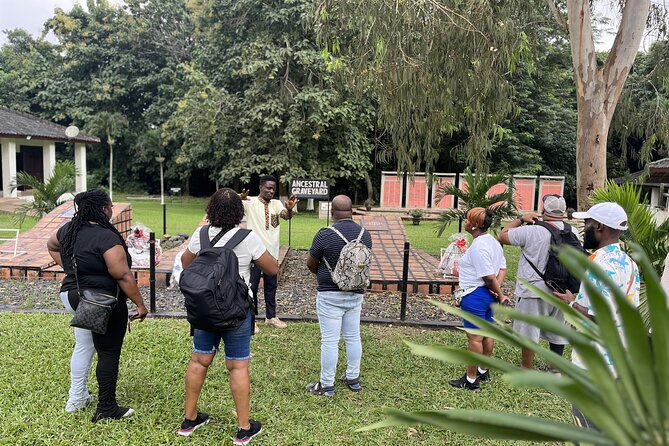
Assin Manso is emotionally intense, but it’s also specific. This is one of the biggest slave markets used to assemble people for sale during the transatlantic slave trade. What makes it more than a memorial is that it’s framed as a set of actions tied to geography—people were gathered, and the park marks the place where slaves took their final bath before continuing the journey.
That detail changes how you experience the next stops. When you later stand in a slave castle, you can better connect it to the steps that came right before confinement. It’s harder to treat the castles as abstract history once you’ve walked through a place described as an ending moment.
Another powerful element here is the mention of repatriation and reburial. The park includes the reinstatement site of Lady Crystal from Jamaica and Carson from New York—two diasporas tied to the complicated afterlife of these histories. Even if you know the broad story already, seeing those names connected to a physical location gives the information a weight that stays with you.
The timing at this stop is about 3 hours, with admission included. That’s a good length for absorbing the information at a slower pace, because the subject requires it.
Elmina Castle: Portuguese 1482 and the fishing-town reality
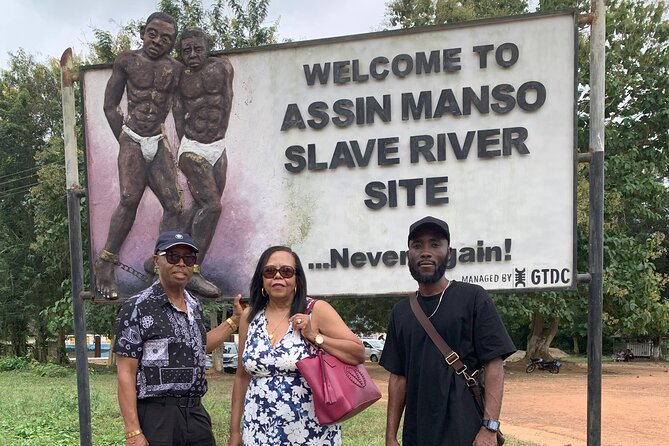
After Assin Manso, you head to Elmina, a coastal setting where the slave-trade era is tied to Portuguese-era coastal commerce. Elmina Castle was built by the Portuguese in 1482, and it’s described as the Gulf of Guinea’s first trading post to be established. That framing matters because it puts the castle into the bigger trade map, not just as a prison.
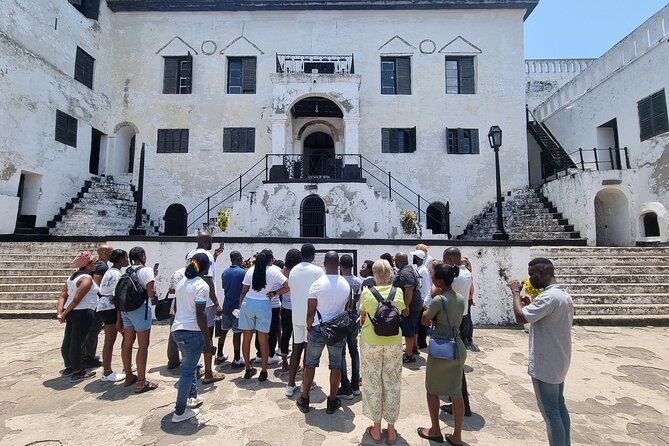
You’ll learn about slave-trade activities and their impacts on communities and countries. One practical benefit of a guided visit like this is that you don’t have to piece together the timeline yourself while standing in a courtyard or corridor. A good guide helps you understand what you’re seeing—where people were processed, how the trade operated, and why the whole coastal region got pulled into it.
You also get time to stroll around the nearby fishing market area. I love when tours add this kind of grounding. It keeps the day from feeling like walking through a museum bubble. Elmina is still a working coastal town, and that context helps you keep the human scale in your head.
This stop runs about 2 hours with admission included. It’s long enough to absorb the main points without turning the castle into a rushed checklist.
Cape Coast Castle: the UNESCO-listed slave-castle system
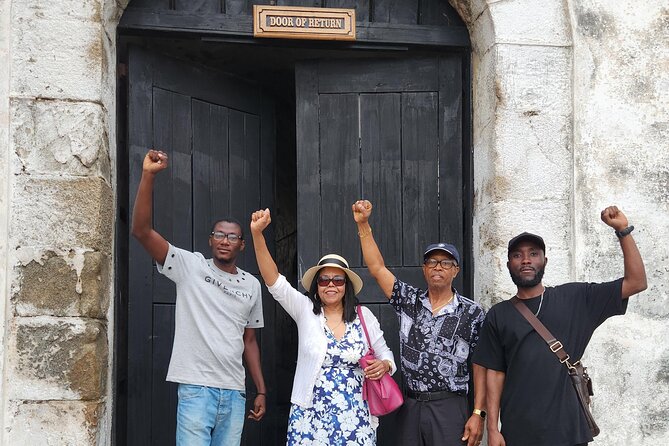
Cape Coast Castle is the stop many people already know by name, and it still earns its reputation. It’s a UNESCO World Heritage site and a tragic chapter in Africa’s history connected to the transatlantic slave trade. Like Elmina, it’s not treated here as vague “old history.” You learn about the slave trade era and its effects on culture, nations, and humanity at large.
What I value most about Cape Coast is that it’s usually where the story becomes emotionally undeniable. The architecture and layout push your attention toward what captivity meant in practice. And because the day started at Assin Manso—at the point described as the final bath—it’s easier to connect the dots between assembly, forced movement, and imprisonment.
This stop is also about 2 hours, with admission included. If you’re the type who likes to take notes or sit for a moment, plan to use the time deliberately. This isn’t the best day for “quick photos and move on.” I’d treat Cape Coast like a guided walk where you pause when something feels important.
You’ll also get coastal and town views during the route. Those viewpoints are not distractions; they’re part of the way the coast shaped the trade.
The Cape Coast Walk and Castle Beach lunch break
Between the heavy sites, you get a breather that still keeps you close to real daily life. The Cape Coast Walk includes time for a lunch break by the seaside, plus some conversation time at Castle Beach.
Here’s the practical catch: lunch is not included in the tour price. You should budget for your meal even though the tour schedules a lunch moment. Since the day runs long, this is still a helpful built-in reset.
Why this stop matters: it gives your brain a change of pace without ending the story. You’re still on the coast. You can look out toward the sea and think about how maritime movement shaped everything you just learned, but you’re not standing inside a fortress wall.
This part is about 1 hour and is marked as admission ticket free. That means you’re paying for the time, the guidance, and the logistics—not another entrance fee here.



Price and logistics: what $260 buys you in a long day
The price is $260 per person, and the tour is typically booked about 8 days in advance. For a day that spans 10 to 16 hours, that cost can feel high at first glance—but it’s not only about the sites.
In the package, you get:
- an air-conditioned vehicle (useful in coastal Ghana’s heat)
- WiFi on board
- bottled water
- admission tickets included for Assin Manso, Elmina Castle, and Cape Coast Castle
- a mobile ticket
- a maximum group size of 15, plus group discounts when applicable
That set of inclusions helps justify the money because you’re not managing transport and ticketing separately while also trying to keep the day organized. The guided flow is what turns three distant attractions into one connected experience.
I also appreciated the value feel compared with other similar castle-and-coast circuits I considered. In one account I saw, this option was about $50 cheaper than a comparable tour from another operator. Even if prices shift, that’s a good reminder to compare like-for-like: same sites, same duration, and what’s actually included.
Transport and timing: start early, plan for the full day
The tour starts at 7:30 am and runs roughly 10 to 16 hours. It begins at Accra Mall (Plot C11, Tetteh Quarshie Interchange, Spintex Rd, Accra, Ghana). Pickup is offered, but the meeting point listed is that Accra Mall location, and the day ends back at the same meeting point.
This matters because a late start can ruin the rhythm of the coastal route. Starting early helps you cover three major sites and still include the seaside break.
Also, remember that you’re walking through historical sites. Even when the stops are planned, the day can feel demanding. The good news is that the vehicle and the on-board water support you between locations.
Small-group feel: why it can improve your visit
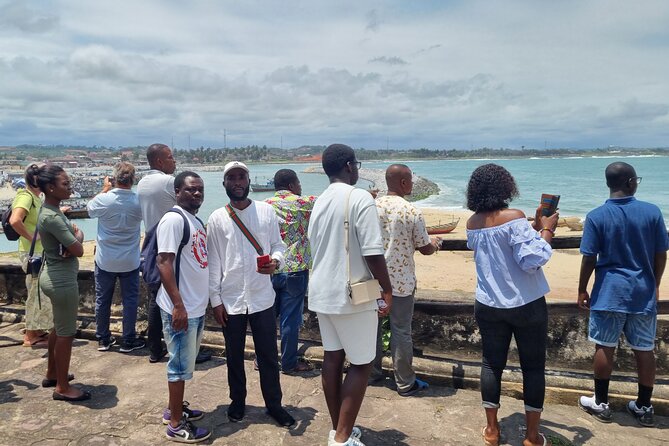
With a maximum of 15 travelers, this isn’t the kind of tour where everyone gets herded with no room to ask questions. In the accounts I read, the guide experience stood out: people described professional, accommodating guidance and a clear focus on history tied to what you’re seeing.
That style makes a difference at castles and memorial sites. You want someone to guide your attention—what to look at, what the symbols and spaces are meant to communicate, and how the story connects across locations. A larger group can turn that into a loud race. Here, the small size helps keep it more thoughtful.
It also means you can have short exchanges with your guide and driver without losing the whole group’s pace.
Who this tour fits best (and who should think twice)
This tour is best for you if you want a guided, location-based understanding of the slave-trade system along the Cape Coast/Elmina corridor. If you prefer a heavy but structured visit where each stop builds on the last, you’ll like the sequence.
It’s also a good match if you want both history and coastal atmosphere: port-town views, nearby market area time, and a seaside lunch break.
You might think twice if you:
- don’t handle emotional topics well, even with a guided framework
- need a short half-day plan instead of a 10–16 hour day
- can’t manage paying for lunch out of pocket
Should you book this tour?
I’d book it if you’re serious about understanding the transatlantic slave trade through real places, not just reading about them. Starting at Assin Manso makes a difference because it connects the process to a marked location—especially the final bath detail—and the inclusion of the repatriation names Lady Crystal and Carson gives the story an added layer beyond the castles.
If you do book, come prepared for a long day and budget for lunch. Bring patience for the emotional weight of the sites, and give yourself time to listen. With small-group structure, air-conditioned transport, and admissions handled, the value is easier to justify—and the day tends to stick with you.
FAQ
How long does the Assin Manso Slave River, Cape Coast & Elmina Castle History Tour take?
The tour lasts about 10 to 16 hours.
What time does the tour start, and where does it meet?
It starts at 7:30 am at Accra Mall, Plot C11, Tetteh Quarshie Interchange, Spintex Rd, Accra, Ghana. The tour ends back at the meeting point.
Is pickup included?
Pickup is offered.
What’s included in the tour price?
The price includes an air-conditioned vehicle, WiFi on board, bottled water, and admission tickets for Assin Manso Ancestral Slave River Park, Elmina Castle, and Cape Coast Castle.
Is lunch included?
No. Lunch is not included, even though there is a lunch break during the Cape Coast Walk portion.
Which stops have admission tickets included?
Admission tickets are included for:
- Assin Manso Ancestral Slave River Park
- Elmina Castle
- Cape Coast Castle
How big is the group?
The tour has a maximum of 15 travelers.
Do I get a ticket on my phone?
Yes, it uses a mobile ticket.
Are service animals allowed?
Yes, service animals are allowed, and most travelers can participate.
What is the cancellation policy?
You can cancel for a full refund up to 24 hours in advance. If you cancel less than 24 hours before the start time, there’s no refund.