REVIEW · ROME
Ostia Antica – Commercial Port of Ancient Rome Tour
Book on Viator →Operated by RomAbout Tours · Bookable on Viator
Roman port ruins, minus the crowds. This tour is a practical way to reach Ostia Antica from Rome and still cover the highlights at a calm pace. I love the small-group setup (up to 12) and how your admission ticket is included right in the price. One thing to plan for: there’s no lunch or drinks, so you’ll want to bring snacks or eat on your own after.
The morning starts at P.za Ostiense, 9 at 8:30 am, and your guide helps you sort the train and steps so you don’t waste time figuring it out. It runs about 4 hours 30 minutes, with a good chunk of that walking through well-preserved ruins on fairly open paths. If you prefer your ancient sites quiet and story-driven, this is the kind of day trip that feels like it’s meant for you.
In This Review
- Key highlights at a glance
- Ostia Antica: the ancient port that still feels quiet
- Getting from Rome to the archaeological park without the hassle
- A 4.5-hour plan that actually covers the right things
- Roman theatre and the Square of Guilds: public life in stone
- Baths of Neptune and the House of Diana: daily rituals behind the walls
- Small-group focus (max 12) and guide storytelling that stays practical
- Price and value: what you’re paying for (and what you aren’t)
- Quick practical tips before you go
- Who should book this Ostia Antica tour?
- Should you book this Ostia Antica tour?
- FAQ
- Where does the tour start and end?
- What time does the tour begin?
- How long is the Ostia Antica tour?
- What is included in the price?
- Is lunch included?
- How many people are in the group?
- Is the tour offered in English?
- What happens if the tour is canceled due to weather?
Key highlights at a glance
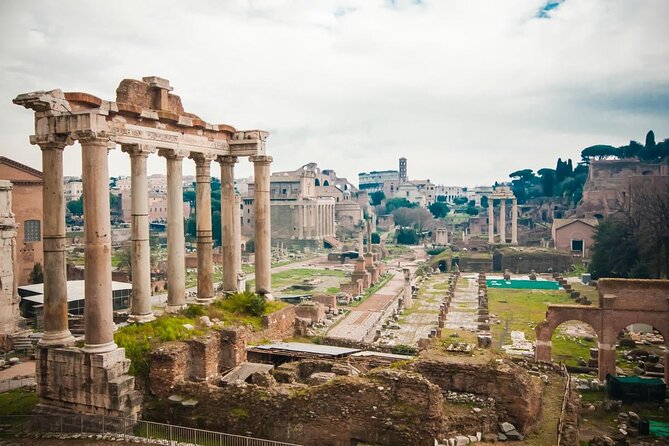
- Small-group size (max 12) for questions and slower, human pacing
- Admission ticket included so you can walk in and get started
- Guide-led orientation from Rome including metro/train guidance
- Public life stops like the outdoor theatre and Square of Guilds
- Daily routine sites such as the Baths of Neptune and the House of Diana
- Fewer lines and breathing room compared with Rome’s big crowd magnets
Ostia Antica: the ancient port that still feels quiet
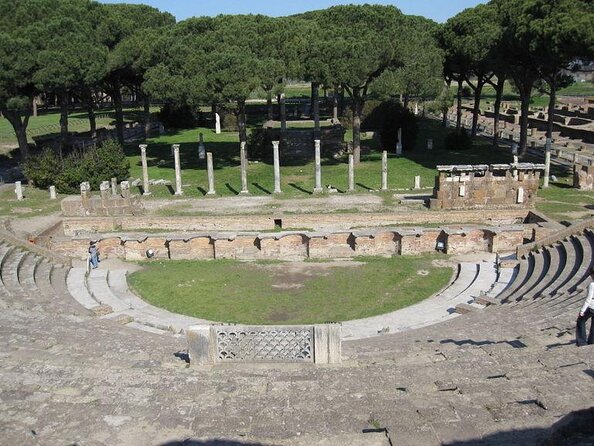
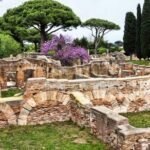
Ostia Antica is one of those Roman places that makes the word “port” feel real. Not just an idea on a map, but streets, shops, neighborhoods, and public spaces tied to the movement of goods and people. You don’t have to choose between learning and wandering here. With a guide, the stones turn into a working city, and you end up understanding how life functioned on a daily basis.
What I like about this kind of visit is that it avoids the Rome problem: you can’t see everything, and the crowds make it hard to focus. Ostia Antica often has a more open feel—green, airy, and less line-heavy—so you can look closely at details and still keep the day moving. You’ll get the big photo moments, sure, but the best part is how the guide links each location to everyday Roman life: where people gathered, where workers sold things, and where bodies were cleaned and relaxed.
It’s also a good reminder that ancient Rome wasn’t only coliseums and emperors. The port city was connected to the empire’s supply chain, and standing in these streets helps you picture that scale.
You can also read our reviews of more tours and experiences in Rome.
Getting from Rome to the archaeological park without the hassle
This is one of the most valuable parts of the experience. The tour begins at P.za Ostiense, 9, 00154 Roma RM, and the guide meets you there to help you navigate the train toward Parco Archeologico di Ostia Antica. That matters because it’s not just “getting there.” It’s figuring out which routes make sense, how to keep the group together, and how to arrive with enough energy to enjoy the ruins.
You’ll also have metro tickets included, which reduces the stress of working out transit costs mid-planning. When you start your day by getting oriented fast, you save time and brainpower—two things that usually disappear during busy Rome days.
Timing is clear: the tour starts at 8:30 am and ends back at the meeting point. That return-to-start structure is helpful because you’re not stuck wondering where to regroup. It’s also a nice setup if you’re staying near central Rome and want the day trip to feel organized.
Practical note: the site involves walking, and the tour is aimed at people with moderate physical fitness. If you’re comfortable with ruins that include uneven ground and a fair amount of on-foot time, you’ll be fine. If you’re looking for a mostly seated experience, this probably won’t match your expectations.
A 4.5-hour plan that actually covers the right things
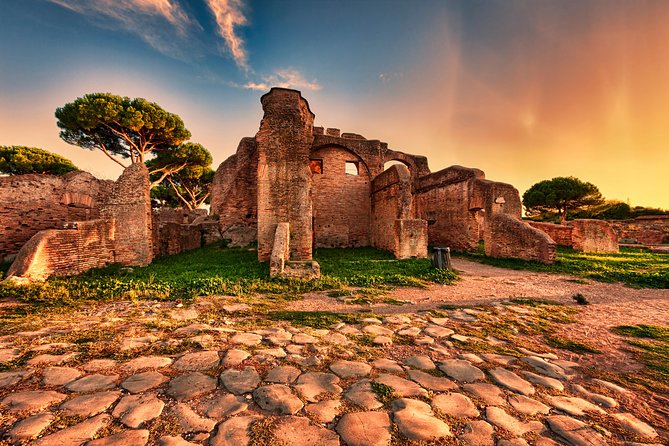
The experience runs about 4 hours 30 minutes, and the format focuses on highlights rather than cramming in every single ruin. That’s exactly what you want here. Ostia Antica is large, and trying to sprint through it can make even well-signposted sites feel like a blur.
With this timeframe, you can expect a guided route that hits key areas tied to Roman public life and everyday routines. You’re not just collecting stamps at major monuments. You’re building a story: how people moved through the city, what they did in communal spaces, where they went to bathe, and how homes reflected social status.
Because the group stays small—up to 12 travelers—your guide can slow down when someone asks a question. Several guides mentioned in past experiences include people like Rebecca, Sonia, Sarah, Celia, Claudia, Julio, and Sonija Perrera. You won’t control which one you get, but the consistency is clear: the guides tend to explain what you’re seeing in a way that helps it click.
The pacing also gives you some time to look around. Even with a tour structure, you’re not stuck in a line of people staring at your guide’s shoulder. It’s the kind of schedule where you can stop, re-orient, and take a few minutes to absorb a room or a street corner before moving on.
Roman theatre and the Square of Guilds: public life in stone
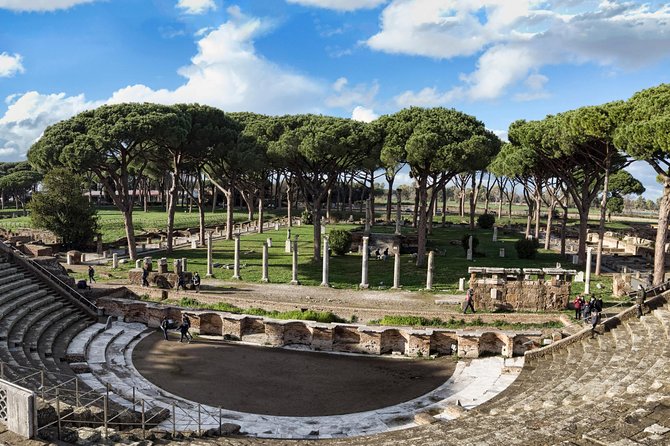
The morning’s core starts at Parco Archeologico di Ostia Antica, and early on you’ll reach some of the most striking “big spaces” of the ancient city.
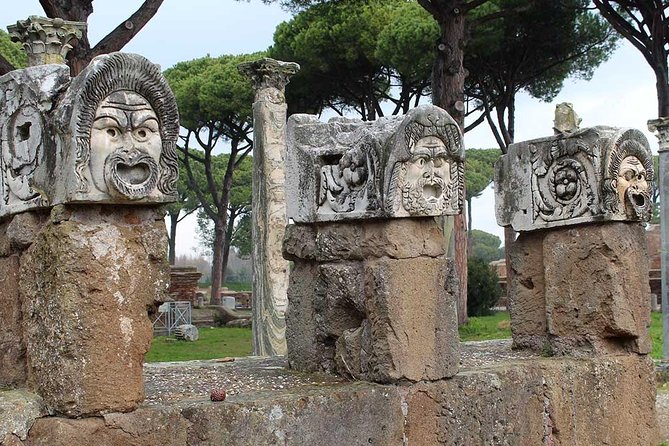
One highlight is the grand outdoor theatre. This is more than a cool structure for photos. The theatre represents how Romans organized culture and community. When you’re told what went on there—who attended, what the setting allowed, and how public performances shaped civic identity—the theatre stops being just architecture. It becomes a stage for social life.
Another powerful stop is the Square of Guilds. Think of it as a window into work and organization. Guilds weren’t only about craft skills; they also formed a social network and helped shape the city’s economy. Seeing a square tied to organized trades makes you understand how everyday labor connected to visible public spaces.
If you care about “how did ordinary people live,” these two stops do a lot of heavy lifting. You start to see Ostia as a working city, not only a set of ruins. And because it’s an archaeological park designed for walking, you can move between views without feeling like you’re stuck behind rope barriers the whole time.
Drawback to keep in mind: because the focus is on a guided route and highlights, you won’t be wandering freely for hours on your own. If your top goal is maximum time for independent exploration with zero structure, you might prefer a self-guided visit. But if your goal is understanding what you’re seeing as you go, the tour’s focus is a strength.
Baths of Neptune and the House of Diana: daily rituals behind the walls
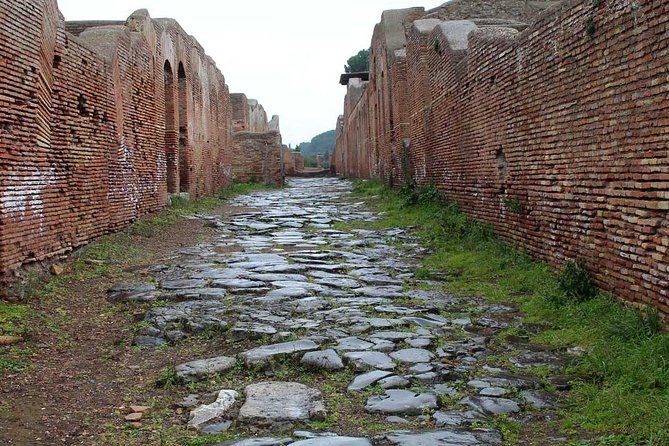
After the public spaces, the tour shifts toward daily life. This is where Ostia Antica can feel especially rewarding, because you get to see how Romans cared for the body and how homes expressed social identity.
You’ll visit the Baths of Neptune, a site that makes it easy to grasp the “social plumbing” of the ancient world. Bath complexes weren’t only about cleanliness. They were also places for conversation, relaxation, and routine. When your guide connects the layout to how people moved through the space, bathing becomes more than a vague idea. It becomes a schedule and a habit.
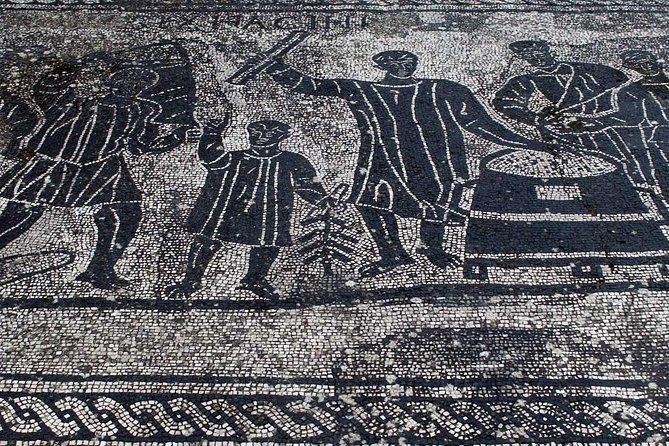
You’ll also see the House of Diana, which brings the city back down to private life. Houses like this help you picture domestic architecture and the difference between public and personal space. Even if you don’t know Roman art history, a guide can help you read the structure and understand why certain parts of a home mattered—how rooms supported daily routines, how visual elements were used, and how comfort and status played out in design.
This combination—public theatre and trade spaces, followed by baths and a house—makes the whole city feel balanced. You come away with a better sense of how the city worked at different levels: where people gathered, where they relaxed, and how they lived when the doors closed.
One practical benefit: these stops are arranged so you can keep moving without constantly backtracking. With a total duration of around 4.5 hours, it feels like you’re getting a real overview rather than a highlight reel that leaves you hungry for context.

Small-group focus (max 12) and guide storytelling that stays practical
The biggest reason this tour stands out is how the group size changes your experience. With a maximum of 12 travelers, you’re not constantly waiting. You hear the guide clearly, you can ask questions without feeling rushed, and you can pause to look closer without breaking the flow.
That small group structure is also why guides can connect the dots. You’ll likely hear stories that make the stones understandable, not just named. Past experiences include guides such as Rebecca and Sonia, who were described as clear and enthusiastic. Others like Sarah and Celia were praised for explaining details about daily life in Ostia in an engaging way. Even when the exact guide varies, the consistent goal is the same: help you “see” ancient Rome rather than just read about it.
It’s also a good choice if you’re the type who likes having a little structure. Rome can be overwhelming. On a day trip, a guide can act like a filter: they show you what matters most, in the order that makes sense, and they help you connect what you’re seeing to the bigger picture.
If you’re traveling with teens or students, this format tends to work well because there’s a narrative thread. The site isn’t presented like a checklist; it’s treated like a place that had rhythm and routine.
Price and value: what you’re paying for (and what you aren’t)
At $120.36 per person, this isn’t a budget bargain. Still, the value is pretty solid because the price includes:
- Entrance ticket to the archaeological park
- Metro tickets
That combination matters. Entrance fees can add up, and transit costs don’t feel fun to manage on a day trip. Also, you’re paying for a guide who helps you navigate from Rome and focuses the time on major highlights without wasting hours.
What’s not included is lunch (and no drinks are included either). That’s the only consistent “missing piece,” and it’s an easy fix. Plan to eat before you go or bring a snack to tide you over, then grab a proper meal on the way back or at your next stop in Rome.
One more cost consideration: since this is booked about 60 days in advance on average, it’s smart to reserve early if your dates are fixed. You don’t want to end up with fewer guide options or a full schedule.
If you’re deciding between self-guided and guided, think about your time. A guided structure is valuable when:
- you want context quickly
- you don’t want to manage the logistics of trains in the morning
- you’d rather spend more time learning on-site than researching routes ahead of time
If you’re comfortable planning your own transit and you don’t care much about interpretive storytelling, you could visit on your own. But if you want the site to make sense as you walk, this price starts to feel fair.
Quick practical tips before you go
Here’s how to set yourself up for a smooth morning at Ostia Antica:
- Wear comfortable walking shoes. Ruins mean uneven ground, and the tour is about active walking for roughly 4.5 hours.
- Bring a hat and sunscreen. The park is outdoor-heavy, and the tour runs in the morning.
- Have a plan for food. Since there’s no lunch, plan snacks or plan where you’ll eat after.
- Expect weather to matter. This experience requires good weather, and if it’s canceled for poor weather you’ll be offered another date or a full refund.
Meeting point tip: your starting point is near transit at P.za Ostiense, 9. In past experiences, guides used clearly marked identification, so if your guide has a sign or branded look, use that as your anchor.
Finally, keep your mindset flexible about crowds. Even though the park can feel quieter than central Rome, your exact experience depends on the day, the weather, and how many groups arrive at once.
Who should book this Ostia Antica tour?
I’d steer you toward this tour if:
- you want an easy day trip from Rome with transit support
- you like guided explanations that connect structures to daily life
- you prefer smaller groups and more chances to ask questions
- you’re aiming to see major highlights without spending the whole day lost in maps
It may be less ideal if:
- you want a lot of free time to roam with zero structure
- you need a low-walking itinerary
- you rely on included meals (because lunch isn’t part of this one)
For history lovers, this is a strong alternative to Rome’s biggest-ticket sites. You get ancient context, but with a calmer atmosphere and a focus on how regular people lived. For couples and small families who can handle moderate walking, the pacing is usually a good match.
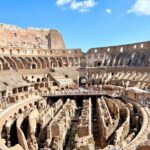
Also, if you’ve already seen Colosseum-area Rome and want a change of scenery, Ostia Antica gives you that contrast fast—old city streets and port-life details instead of crowds and layered ruins on top of each other.
Should you book this Ostia Antica tour?
Yes, if you want a guided, efficient way to experience Ostia Antica’s key sites without turning your day into logistics. The combination of small group size, included tickets, and a guide who helps you manage the route from Rome’s Ostiense area is exactly what makes the day feel worth it.
I’d say book it sooner rather than later since it tends to fill around two months ahead. Just make sure you plan food, wear solid shoes, and come with curiosity about how a port city worked every day.
If that sounds like your kind of Rome day, this is a very practical choice.
FAQ
Where does the tour start and end?
The tour starts at P.za Ostiense, 9, 00154 Roma RM, Italy and ends back at the same meeting point.
What time does the tour begin?
The start time is 8:30 am.
How long is the Ostia Antica tour?
It runs for about 4 hours 30 minutes.
What is included in the price?
The tour includes the entrance ticket to the archaeological park and metro tickets.
Is lunch included?
No. Lunch and drinks are not included.
How many people are in the group?
This experience has a maximum of 12 travelers.
Is the tour offered in English?
Yes. English is listed as the offered language.
What happens if the tour is canceled due to weather?
This experience requires good weather. If it’s canceled due to poor weather, you’ll be offered a different date or a full refund.