REVIEW · ROME
Hills of Ancient Rome Segway Tour
Book on Viator →Operated by Rolling Rome · Bookable on Viator
Seven hills make a great first-time Segway win. This 3.5-hour ride turns Rome’s big-name sights and clever little landmarks into an easy route, starting with a pre-departure Segway lesson right at the shop. What I like most is how you get to cover major viewpoints quickly without feeling rushed inside museums, and how the pace stays efficient even with many photo stops like Trajan’s Column and the Roman Forum. One thing to consider: you do need some comfort with standing, balancing, and riding for the length of the tour.
You’ll also be well set up for the conditions. Helmets are provided, and they hand out ponchos if weather shifts, so the day doesn’t fall apart at a little rain. Plus, you start with practical support: there’s a toilet, Wi-Fi, and space for luggage at the first stop.
Guides matter on a Segway, and this route is designed to help you get comfortable fast. If your guide is the patient, first-timer friendly type (like Nico/Nikko, who pops up in the experience reports), you’ll spend less time worrying about the machine and more time noticing details you’d otherwise miss from street level.
In This Review
- Key highlights you’ll actually feel
- Rolling Rome and the start at Piazza del Gesù
- Segway how-to lessons and safety basics that set the tone
- Piazza Venezia to Trajan’s Column: stories you can see immediately
- Foro Romano and Circo Massimo: how to “read” a stop in 15 minutes
- Aventine Hill, the Keyhole, and Bocca della Verità
- Colle Capitolino and Palatine Hill: the Seven Hills moment
- Teatro di Marcello: the older cousin you don’t want to miss
- Price and what you’re really paying for at $102.12
- Who should book this Segway ride (and who should skip)
- Should you book the Hills of Ancient Rome Segway Tour?
- FAQ
- What’s the meeting point for the Hills of Ancient Rome Segway Tour?
- How long is the tour?
- Is Segway training included?
- What’s the minimum age to join?
- How many people are in a group?
- Are ponchos and helmets provided?
- Is the tour offered in English?
Key highlights you’ll actually feel
- Beginner-ready Segway training before you roll out
- Small groups (max 10) for a calmer, easier pace
- Seven Hills viewpoints that are hard to reach on foot in one go
- Iconic stops without museum fatigue, plus “Rome oddities” like the keyhole and Bocca della Verità
- Helmets and ponchos so weather and comfort don’t derail the plan
Rolling Rome and the start at Piazza del Gesù
The tour begins where you can get your bearings fast: at the Rolling Rome shop near Piazza del Gesù, 47. There’s no hotel pickup, so you’ll want to arrive a little early, check in, and use the time to settle your nerves before you put your hands on the controls.
This start point is also handy because it’s close to public transportation. Translation: you can keep your day simple. If you’re already sightseeing in central Rome, this meeting spot makes it easier to combine plans without adding another long transfer.
One underrated bonus at the shop: they offer a place to store luggage and you’ll find a toilet and Wi-Fi available before you head out. That matters when you’re moving between viewpoints, because you don’t want to spend your tour hunting for restrooms or dragging bags onto a cramped street.
You can also read our reviews of more tours and experiences in Rome.

Segway how-to lessons and safety basics that set the tone
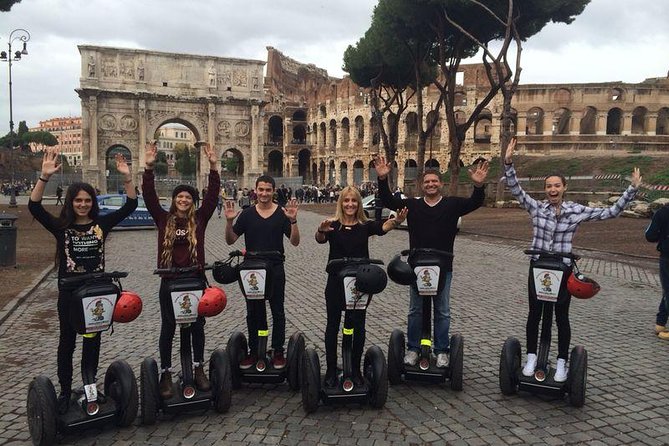
Before you touch the main route, you get hands-on training on site. The tour includes a how-to lesson plus safety instruction, which is the difference between a fun glide and an anxious first ride.
Here’s what you should expect from this kind of instruction, based on how this tour is structured: you’ll learn how to steer, how to stop smoothly, and how to adjust your balance so the Segway feels predictable. Since the tour is built for beginners, they’re preparing you for low-stress driving first, then gradually moving you into real streets and viewpoints.
They also provide helmets, and you’ll ride at a speed chosen to keep the whole group together. That’s not just for safety. It’s for timing, too—so the stops don’t turn into frantic sprints where you only catch one photo and miss the sight.
Rain happens in Rome. The included ponchos help you keep moving instead of pausing your day. The result is a tour that stays practical even if the sky changes its mind.
Piazza Venezia to Trajan’s Column: stories you can see immediately
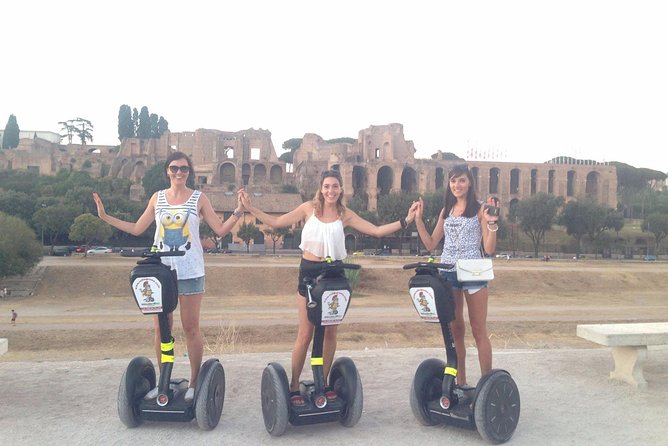
After training, you roll into one of Rome’s most central “story corners”: Piazza Venezia / Ancient City. This busy square is packed with symbolism, and it’s one of those places where you can look around and feel like the city is layering eras on top of each other.
This stop is brief, about 10 minutes, so the trick is to use it as an orientation moment. Don’t try to study everything. Instead, pick one direction and let your guide’s explanations connect the dots: what mattered here, why this area keeps showing up in Roman power narratives, and how the sites you’ll see later fit into the same theme.
From there, you head to Trajan’s Column, another quick but memorable stop. In roughly 10 minutes, you’ll stand in front of an extraordinary marble column that has been in place for about 2,000 years, telling the story of the Dacian war and the glory of Emperor Trajan.
What makes this stop work on a Segway tour is that it’s both monumental and readable. Even if you don’t have time for a museum-style presentation, you can still grasp the scale: this is not a decorative object. It’s propaganda in stone, designed to be seen and remembered. If you like understanding why monuments exist—not just what they look like—this stop is a strong payoff.
Foro Romano and Circo Massimo: how to “read” a stop in 15 minutes
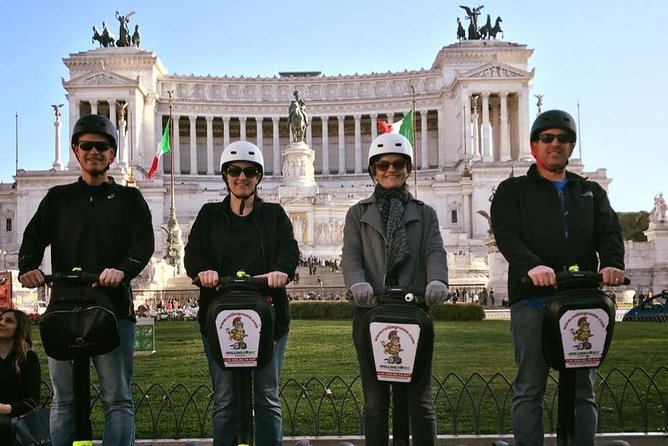
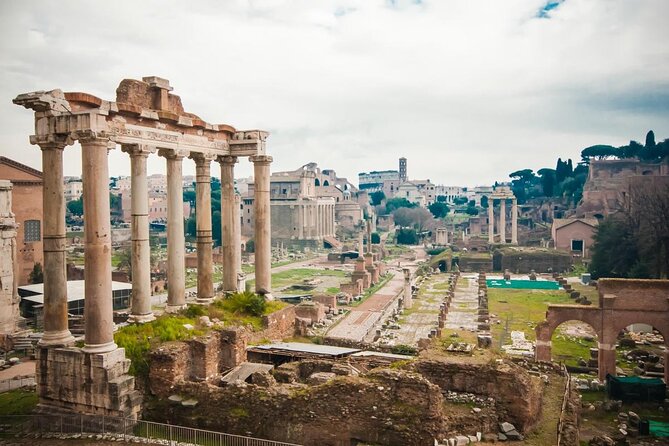
Next comes Foro Romano, scheduled for about 15 minutes. From a Segway-friendly route viewpoint, you’re not doing a full archaeological walkthrough. Instead, think of it as a guided jump-start: you’ll get the main idea of what the Roman Forum was for—markets, politics, public relations, money, laws—and why those activities still echo in daily life.
The best way to handle a short Forum stop is to use imagination. Put yourself in the role of a person moving through the space: shopping, debating, negotiating, and dealing with public life. Your guide’s explanations help you “fill in” what’s gone, so the ruins don’t feel like random piles of stone.
Then you shift to Circo Massimo, about 10 minutes. This is where you’ll appreciate how Rome could build things on a huge scale. Circo Massimo is the site of famous chariot races, and it was used for about a thousand years. On foot, you might miss how large the track space was. On a Segway, you move with context, which makes it easier to grasp the scale quickly.
A possible drawback of short stops: you’ll want more time at a few of them. That’s normal. This is a “see a lot, understand the basics” format, not a slow, deep archaeology day.
Aventine Hill, the Keyhole, and Bocca della Verità
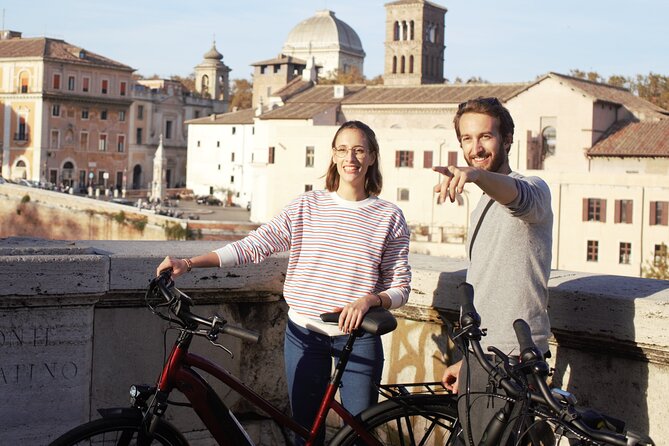
One of the tour’s clever pacing choices is that it adds viewpoints and “Rome oddities” in the middle of the big-name sites. After Circo Massimo, you head to Turo Aventi (Aventine Hill), about 10 minutes, where you get fantastic views of Rome’s rooftops. This is the kind of stop that makes your brain pause and process the whole city instead of just chasing monuments.
Then comes a favorite for many people: Knights of Malta Keyhole, another quick 10-minute stop. Peeking through the keyhole is a famous Rome moment, but what you’ll enjoy most is what your guide connects it to—how it’s tied to the idea of a tiny country-like surprise inside Rome. This is the kind of experience that’s fun even if you’re not a hardcore history person, because it feels playful while still being specific.
Next is Bocca della Verità, scheduled for about 10 minutes. The marble mouth is famous for a medieval-era reputation as a lie detector, so your tour stop includes a wink-and-a-warning vibe: be careful with what you say.
Even if you’ve heard of it before, this is a good stop on a Segway day because it breaks up the heavier ruins with something interactive. You don’t need long explanation time to enjoy it—you just need the moment, the photo, and a little caution.

Colle Capitolino and Palatine Hill: the Seven Hills moment
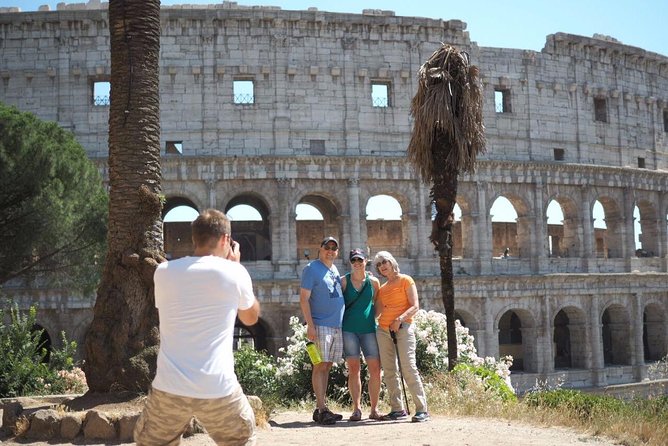
As you head to Colle Capitolino, about 10 minutes, you get what feels like the heart of Rome’s storytelling. This is one of the most famous viewpoints tied to the seven hills concept, and the tour emphasizes it as a key vantage point over the Roman Forum below.
On a day like this, viewpoints matter because they convert “map names” into reality. Instead of memorizing seven hills like a list, you get to see how they relate to each other in space. That spatial understanding is one of the biggest reasons this tour format works.
Then you roll to Palatine Hill, about 10 minutes, described as the old ruins view. Palatine is a name you see everywhere in Rome, but on a Segway tour, you get an efficient “first contact.” You’ll see the kind of terrain and ruins that made this hill such a symbol of status and power. Again, you won’t be doing a long, slow wander here, but you’ll likely leave with a sense of why Palatine belongs in every serious Rome imagination.
If you’re a planner who likes learning first and sightseeing second, this is a great pairing. You’ll get enough context to decide later what to return to on foot.
Teatro di Marcello: the older cousin you don’t want to miss
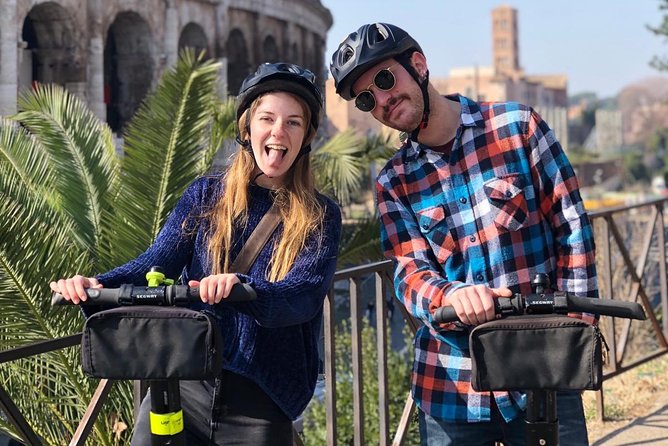
The final listed stop is Teatro di Marcello, about 10 minutes. It’s often described as the little brother of the Colosseum, and it’s actually older. That age detail alone helps you see it differently: you’re not just watching another theater shape in the ruins. You’re looking at architectural evolution.
In a short stop, the goal is to notice how the building tells multiple stories through its structure. Even if you don’t catch every technical detail, you’ll come away with a clearer sense of how Romans built entertainment spaces and how those designs influenced later eras.
It’s a good ending because it ties the day together. You start with broad civic landmarks and move toward places where public life happened—then you land on a theater that shows Rome’s cultural side.
Price and what you’re really paying for at $102.12
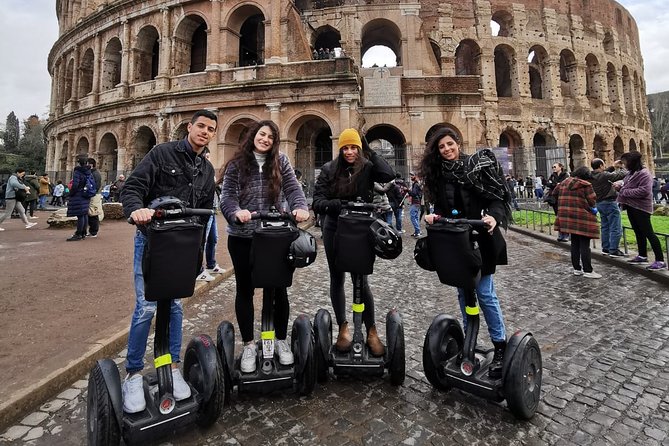
At about $102.12 per person for roughly 3 hours and 30 minutes, this is one of those tours where value depends on what you want from the day.
You’re paying for four big things that add up fast:
- A local guide who explains what you’re seeing
- A Segway plus helmets
- The hands-on training so you don’t feel thrown into traffic
- Practical extras like ponchos if the weather turns
You’re also not paying separate admissions at each listed stop, since the stops are marked as admission ticket free. That doesn’t mean everything is “inside a museum,” but it does mean you’re getting a route of recognizable sights and viewpoints without the extra ticket hassle at every point.
Compared to doing this type of route on your own, you get two advantages: time and coordination. Rome’s hills and viewpoints can eat a lot of energy, and a Segway lets you cover ground without turning the day into a workout.
If you’re traveling with limited time in Rome or you want a first taste of the ancient core before planning deeper visits, this price can feel reasonable.
Who should book this Segway ride (and who should skip)
This tour is built for beginners, and the pre-ride lesson is a major reason why. If you’re comfortable standing and you’re at least minimally mobile for a few hours on a smooth, guided pace, you’ll likely have a great day.
It’s also a good fit if you want:
- Major highlights in one loop: Colosseum and Roman Forum area context, plus Palatine views
- A tour that’s partly scenic (rooftops, hills) and partly story-based
- A small group feel, since the experience caps at 10 travelers and is described as semi-private
The main reason to pass is simple: if balance or riding a device for 3.5 hours sounds stressful, don’t force it. The tour is friendly, but it still requires you to do the riding part.
Also note the age rule: minimum age is 15, and children must ride with an adult. So if you’re traveling with younger kids, this probably isn’t your best match.
Should you book the Hills of Ancient Rome Segway Tour?
If you want an efficient, beginner-friendly way to see the ancient core and several iconic viewpoints in one day, I think you’ll like this. The real win is the mix: big names like the Forum area and Trajan’s Column, plus fun and memorable stops like the keyhole and Bocca della Verità.
I’d book if:
- You want a first pass at Rome’s seven hills that doesn’t drain your energy
- You’re okay with shorter stops and prefer learning the big picture fast
- You want a small-group Segway day with training and safety included
I’d skip or switch to another option if:
- You’re not comfortable balancing on a Segway
- You want long, slow time at a single site instead of a “many places” route
If you’re on the fence, this is one of those tours where the training and small group size do most of the work for you.
FAQ
What’s the meeting point for the Hills of Ancient Rome Segway Tour?
The tour starts at Piazza del Gesù, 47, 00186 Roma RM, Italy and ends back at the same meeting point.
How long is the tour?
It runs for about 3 hours 30 minutes (approx.).
Is Segway training included?
Yes. There’s a pre-departure Segway lesson with instruction on how to ride and safety.
What’s the minimum age to join?
The minimum age is 15. Children must be accompanied by an adult.
How many people are in a group?
The tour has a maximum of 10 travelers, and it’s described as semi-private with up to 8 participants.
Are ponchos and helmets provided?
Yes. Helmets are included, and ponchos are provided in case of rain.
Is the tour offered in English?
Yes. It’s offered in English (and may be operated by a multi-lingual guide).