REVIEW · NARA
Village to village walk: Japan’s oldest road, Yamanobe ancient trail (Private)
Book on Viator →Operated by Village to Table Tours - Off-the-Eaten Path Food Experience in Japan · Bookable on Viator
One ancient road, one village at a time. This private Yamanobe walk pairs Japan’s oldest walking path with real rural life near Nara.
I especially like how the guide helps you connect with people you’d never find on your own. You get translation, a slower pace for photos, and tastings that turn the day from sightseeing into something you can actually taste.
One thing to plan for: you’ll need moderate fitness, and the tour depends on good weather. Also, lunch and train rides aren’t included, so you’ll want to budget for them.
In This Review
- Key things that make this walk special
- Japan’s oldest road, guided like a local favor
- Naramachi first: old capital streets with crafts and snack power
- Omiwa Shrine lunch break: a chance to eat the region, not just visit it
- Yamanobe-no-michi: the oldest walking path, paced for comfort
- Village-to-table tastings: why the food part matters
- Private guiding in practice: undivided attention beats checklists
- Price and logistics: where the value really comes from
- Who this tour fits best (and who should reconsider)
- Timing tips for a smooth 9:00 start
- Should you book this Yamanobe trail private walk?
- FAQ
- How long is the Yamanobe ancient trail private tour?
- Where does the tour start?
- What time does the tour begin?
- Is this a private tour?
- What’s included in the price?
- Is lunch included?
- Are train tickets included?
- Are entrance fees included?
- What fitness level do I need?
- What happens if the weather is bad?
Key things that make this walk special
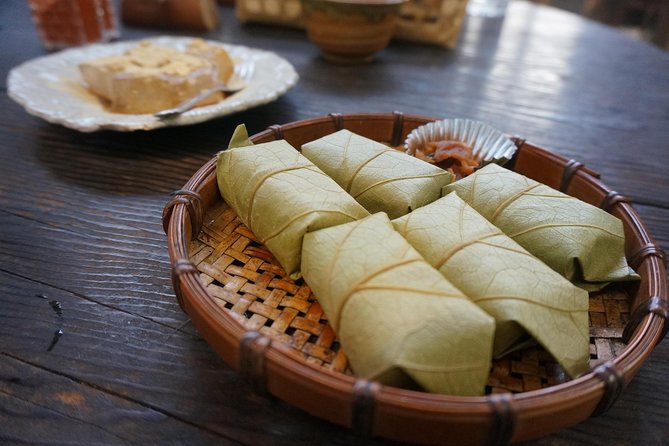
- Yamanobe-no-michi: Japan’s oldest walking path, paced for comfort
- Naramachi’s hands-on feel: mochi pounding, tea, sweets, and traditional crafts along the old capital streets
- Omiwa Shrine stop with time for lunch around the area (miwa somen is a go-to)
- Private guiding: no splitting attention, and you control your photo stops
- Farm product tastings plus help choosing and handling food during the walk
- A local-rural vibe through satoyama-style country scenery and village conversations
Japan’s oldest road, guided like a local favor
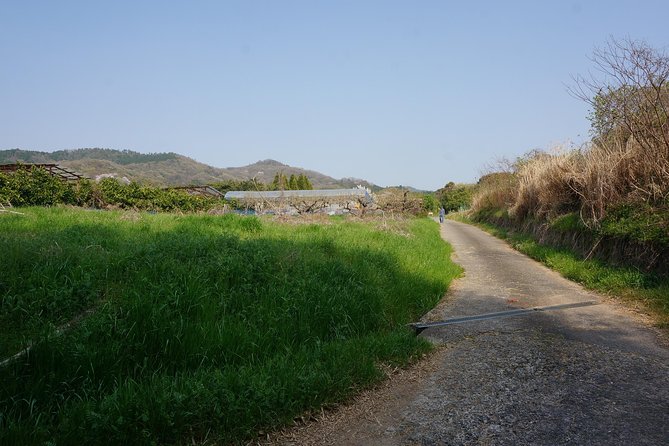
The Yamanobe ancient trail is the kind of route that sounds historic on paper. On the ground, it feels human. You’re walking a very old road, but the real win is how the day is built around everyday Nara-region country life—quiet villages, local rhythms, and food that doesn’t feel staged.
This is a private tour (only your group), which matters more than you’d think on a long day. You’re not trying to keep up with a crowd. You can stop for pictures when you want, ask questions, and linger without feeling like you’re holding everyone up.
The guide also changes the whole experience. With English support and translation, you can actually talk to the people you meet, instead of just nodding along and moving on. That’s the difference between walking through places and understanding places.
You can also read our reviews of more walking tours in Nara
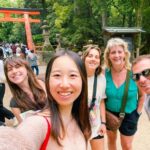
Naramachi first: old capital streets with crafts and snack power
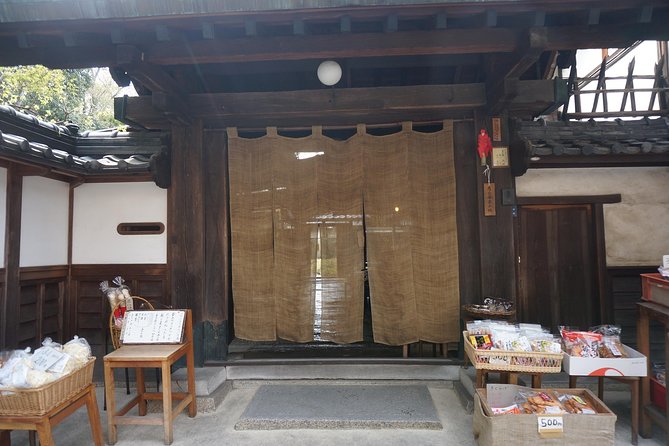
You start in Nara’s Naramachi area, and it’s a smart move to begin here. Naramachi gives you the historical “stage,” so later, when you leave town for the trail, it feels like a real transition instead of a jump.
You’ll spend about 2 hours exploring the traditional streets. Expect a mix of sights and small businesses like:
- mochi pounding
- green tea shops and sweets
- linen cloth weaving stores
- traditional medicine
- knives and other old-style crafts
What I like about starting this way: you don’t just look at buildings. You see working traditions—busy little storefront worlds. Even if you don’t buy much, the details help you understand what locals care about.
A practical note: this part can include lots of short stops. If you enjoy wandering slowly and checking out shop displays, it’s a great fit. If you’re the type who wants a straight “destination-only” day, you might need to set expectations and give yourself permission to browse.
Omiwa Shrine lunch break: a chance to eat the region, not just visit it
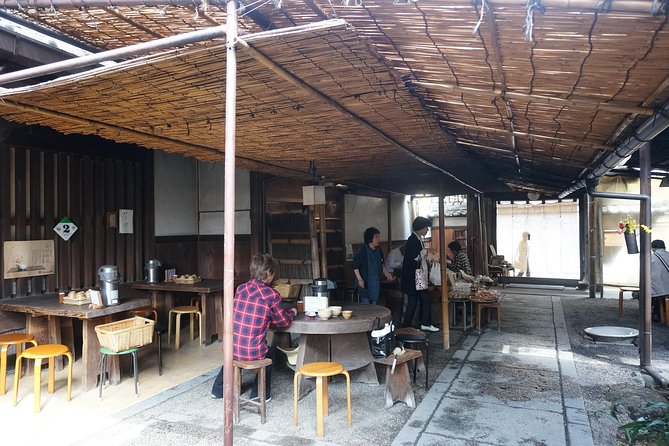
Next comes Omiwa Shrine. You’ll have around 1 hour here, with time built in for lunch. Lunch is not included, but the day steers you toward a locally recommended option: miwa somen noodles.
This stop works well for two reasons:
- It gives you a reset in the middle of the walk.
- The shrine-area food time connects you to the region’s local tastes rather than defaulting to whatever is easiest.
In one example from a recent guided day, the guide helped guests choose a picnic lunch to enjoy later on the trail. That kind of local help can be a big deal—especially if you’re not sure what to buy or how to plan a carry-along meal.
My advice: plan to treat lunch as part of your experience, not just fuel. If miwa somen is your thing, aim for it. If you’d rather do a picnic-style meal for the trail section, ask your guide for practical options that fit your schedule.
Yamanobe-no-michi: the oldest walking path, paced for comfort

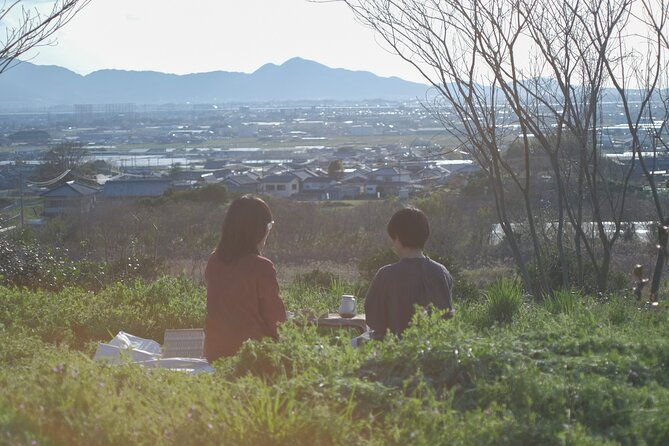
The main event is the walk on Yamanobe-no-michi, listed as 4 hours on the route. This is the heart of why you book the tour: walking Japan’s oldest road, not just reading about it.
A recent participant described the stroll as a long walk through the countryside that was mostly flat, and not tiring. That’s exactly the kind of detail that helps you plan your day. Even with that comfort, you’re still on your feet for a long stretch, so bring shoes you trust.
Here’s what you’re really doing during this section:
- moving along an old route that historically connected communities
- seeing rural scenery in a way that feels slow and personal
- using your guide to translate and ask questions as conversations come up
And because this is private, you don’t have that awkward rush-to-the-next-stop feeling. If you want photos, you stop. If you want to stand and watch village life for a moment, you can do that too.
One consideration: the experience requires good weather. If conditions are poor, the operator may reschedule or offer a full refund. So, if you’re booking for peak season, consider building in flexibility on your travel days.
Village-to-table tastings: why the food part matters
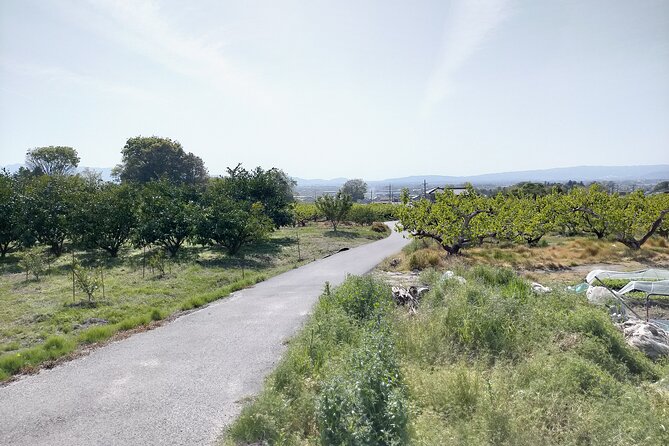
The tour isn’t just a walking route with a snack at the end. You get tasting local farm products along the way, with your guide helping interpret what you’re eating and why it matters to the people producing it.
This is where “off-the-beaten-path” actually earns its name. In tourist areas, food is often about convenience. Here, the tastings are tied to the satoyama-style countryside lifestyle—how people work the land and share what’s local.
Even if you’re not a big foodie, the tastings help you slow down. You pay attention. You ask questions like a curious person, not like a clipboard tourist.
You can also read our reviews of more private tours in Nara
Private guiding in practice: undivided attention beats checklists
This is a private guided experience, and it shows in small ways that add up. You’re not competing for your guide’s attention. You’re not translating on your own in the middle of a conversation. You’re not trying to time your questions between photo stops.
Two features stand out:
- English-speaking guidance with translation support
- time flexibility for photos without worrying about other travelers
That photo freedom matters for rural routes. The best views and small moments can happen when you’re not expecting them. If you feel pressured to keep moving, you miss the quiet details.
Also, one review mentioned a guide named Michiko meeting guests and helping them with both walking highlights and lunch planning. That kind of hands-on support is a real value—especially if you want to do more than follow a route.
Price and logistics: where the value really comes from
At $98.10 per person for about 8 hours, this isn’t an impulse buy unless you know you want this specific style of day. You’re paying for:
- private guiding (not just an app or a shared group)
- translation and local introductions
- tastings of local farm products
- time and attention that you can actually use
Transportation is not included. You’ll take the train (from Nara to Sakurai Station, then back). Lunch also isn’t included, and any temple entrance fees aren’t covered (even though several listed stops are marked as free).
So the value calculation is simple:
- If you’d rather walk alone and read signage, you’ll pay less and miss the human connections.
- If you want real conversations plus food tastings plus a slower, private pace, the price starts to make sense.
One smart move: budget for trains and your meal choice ahead of time. That way, you enjoy the day instead of mentally doing math every time lunch comes up.
Who this tour fits best (and who should reconsider)
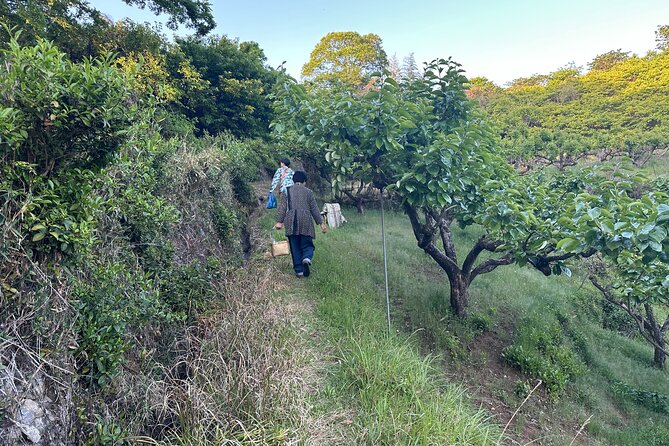
This walk is a great match if you:
- enjoy walking with a relaxed pace
- want a rural, village-feeling day instead of only big-ticket sights
- like food that comes with context
- prefer private guidance so you can ask questions and stop for photos
It may be less ideal if you:
- want a short sightseeing sprint (this is about hours on your feet)
- dislike weather-dependent outdoor plans
- don’t want to handle train logistics and lunch planning yourself
Physical fitness matters here. The tour asks for moderate physical fitness, and while the route can feel manageable (often described as mostly flat), it still adds up in time.
Timing tips for a smooth 9:00 start
The tour starts at 9:00 am at Kintetsu-Nara Station. Plan your morning so you arrive calm, not rushed. Because it’s private, there’s no “everyone’s late, we’ll wait” safety net you can count on.
The day runs about 8 hours total and ends back at the starting point. That means you’ll want your evening plans to have room for a relaxed dinner afterward. You’ll likely be walking and thinking about food most of the day.
Should you book this Yamanobe trail private walk?
If you want the Yamanobe trail experience but also want the why behind it, I think this is a strong booking. The private guiding and translation are the main reasons. They turn the route into a set of conversations and tastings, not a line on a map.
Book it if you like Nara’s traditional areas and you want to feel the shift from old capital streets to quieter countryside villages. Skip it only if your idea of a tour is strictly “efficient sightseeing,” because this one rewards patience, curiosity, and a good walking mood.
FAQ
How long is the Yamanobe ancient trail private tour?
It lasts about 8 hours.
Where does the tour start?
It starts at Kintetsu-Nara Station (address: 630-8215 Nara, Nishimikadochō, 東向中町29).
What time does the tour begin?
Start time is 9:00 am.
Is this a private tour?
Yes. Only your group participates.
What’s included in the price?
A private English-speaking guiding service and tastings of local farm products.
Is lunch included?
No. Lunch is not included, though there’s time to eat around Omiwa Shrine.
Are train tickets included?
No. Transportation is not included. You’ll take the train from Nara to Sakurai Station and back.
Are entrance fees included?
Entrance fee of temples is not included, though the listed stops are marked as free.
What fitness level do I need?
The tour calls for a moderate physical fitness level.
What happens if the weather is bad?
The experience requires good weather. If it’s canceled due to poor weather, you’ll be offered a different date or a full refund.