REVIEW · ROME
Pantheon: The Iconic Ancient Roman Temple – Semi-Private Tour
Book on Viator →Operated by OLGA DI CAGNO · Bookable on Viator
The Pantheon feels like time travel for a reason. This semi-private tour pairs Olga di Cagno’s archaeologist storytelling with small-group attention, so the building’s meaning lands fast. I especially like how the explanations connect Roman design, symbols, and later layers of use. The only real catch: you’ll need to cover your shoulders to enter.
If you want a short visit that still feels like you understand what you’re seeing, this is a strong match. The meeting point is simple (Piazza della Rotonda), and the group size stays limited for better questions. If your idea of a Rome visit is totally no-structure wandering, this guided format may feel a bit more directed than you want.
In This Review
- Key points at a glance
- Why the Pantheon still lands hard
- Piazza della Rotonda meetup: easy start, less stress
- 50 to 60 minutes: how the tour actually feels
- Inside the Pantheon: symbols, structure, and what to look for
- Visual aids that make the explanations click
- Exterior time and orientation: it’s not all about one room
- Small group size: better questions and a calmer pace
- Price and value: you’re paying for a specialist guide
- Practical details that affect your day
- Dress code: cover your shoulders
- Meeting point matters more than you think
- Getting in and out
- Tickets and access
- Who this tour suits best
- Should you book the Pantheon Semi-Private Tour with Olga?
- FAQ
- How long is the Pantheon semi-private tour?
- Where does the tour meet?
- Is the tour in English?
- What’s the group size limit?
- Do I need a ticket for the Pantheon?
- Is there a dress code?
- Is this tour good for children?
- Are service animals allowed?
- Can I cancel for a full refund?
- What if I book within 1 day of travel?
Key points at a glance

- Meet at Piazza della Rotonda and get oriented in minutes before heading in
- Semi-private pacing with a small cap on the group size, so questions don’t get lost
- Archaeology-led interpretation that explains both Roman and later Christian layers
- Visual tools like iPad graphics and structure photos help you see what you’d miss
- Works for mixed ages since the guide keeps complex ideas clear
- Ideal duration (about 50 minutes to 1 hour) for a fast, high-impact stop
Why the Pantheon still lands hard
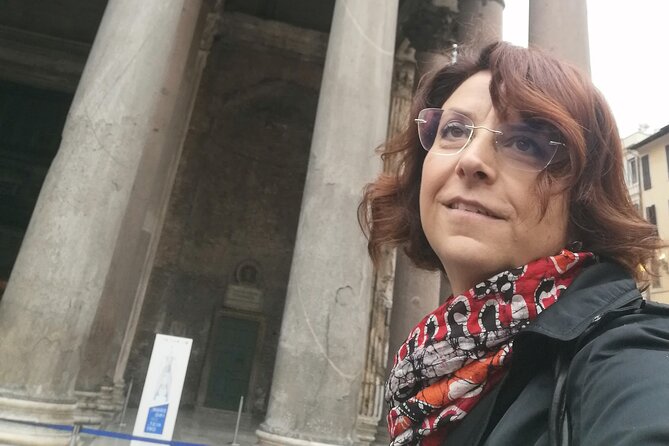
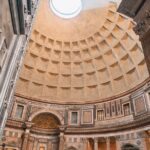
The Pantheon isn’t just famous. It’s one of those rare Roman monuments that still feels whole, almost miraculously intact. Even with crowds around, the interior can flip a switch in your brain: you feel the space, then you start noticing how it’s built to make you feel something.
What makes this tour especially useful is the focus. Instead of treating the Pantheon like a checklist of facts, Olga di Cagno frames it as Roman engineering and symbolism. You also get the story of how the site’s meaning shifts over time, including the way it relates to early Christians and the later Catholic setting.
So yes, you’ll see the famous room. But the goal here is to help you understand why it became a lasting icon of Rome’s building power, not just why it’s photographed.
You can also read our reviews of more private tours in Rome


Piazza della Rotonda meetup: easy start, less stress
The tour starts at Piazza della Rotonda. That’s a good thing. It’s a clear landmark area, and it keeps you from playing “where’s the guide?” when you’re already juggling jet lag and timelines.
From there, you return to the same meeting point at the end. That sounds basic, but it matters. With a short tour window, you don’t want a complicated route that steals time from the rest of your day.
Also note the tour is in English, and it’s set up to be understandable for both adults and children. That combination is great if you’re traveling with family or you want something more lively than a silent audio app.
50 to 60 minutes: how the tour actually feels
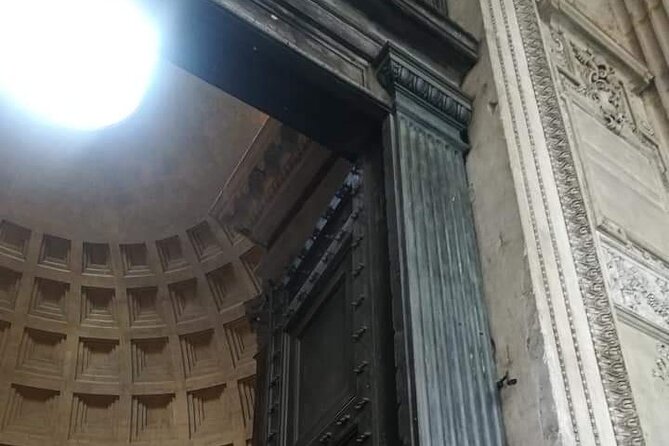
This experience runs about 50 minutes to 1 hour. For the Pantheon, that’s a sweet spot. Long enough to walk in, look closely, and learn the key ideas. Short enough that you don’t feel trapped when the crowd flow gets busy.
Stop 1 is the Pantheon itself. The emphasis is on meaning and interpretation: ancient Roman symbols and architectural traditions, explained with clarity instead of technical fog. The tone is also energetic. The guide’s archaeologist background shows in the way she talks—she doesn’t just repeat trivia.
One extra benefit: your guide can help you move smoothly. Some visitors found they could go in right away with the guide, skipping the outside line moment. Even if you still hit typical on-site crowd rhythms, having a guide to get you oriented saves time and stress.
Inside the Pantheon: symbols, structure, and what to look for
The biggest value here is that you don’t just “look at” the Pantheon. You learn how to see it.
Olga di Cagno brings attention to the design choices that reflect Roman building traditions and the power of Roman engineering. She also explains the site’s symbolism—why certain elements matter and how the overall space communicates authority and permanence.
And she doesn’t treat the Pantheon as a one-era object. You’ll hear how the monument connects with both pagan Roman origins and later Christian use, including the fact that it’s tied to the Catholic Church today. That layered history is key. If you only focus on one era, the building can feel like a museum piece. If you understand the layering, it feels like a living monument with an ongoing role in people’s lives.
Visual aids that make the explanations click
Another thing I really like: the tour uses visual support. Visitors mention iPad visuals and archaeological drawings, plus photos to show structure. That’s a practical win. In a large stone space, it’s easy to miss how parts relate to each other. A good visual helps you connect what you’re standing in with what the guide is describing.
So if you’re the kind of person who learns best by seeing, you’ll likely get more out of this than a basic walk-through.



Exterior time and orientation: it’s not all about one room
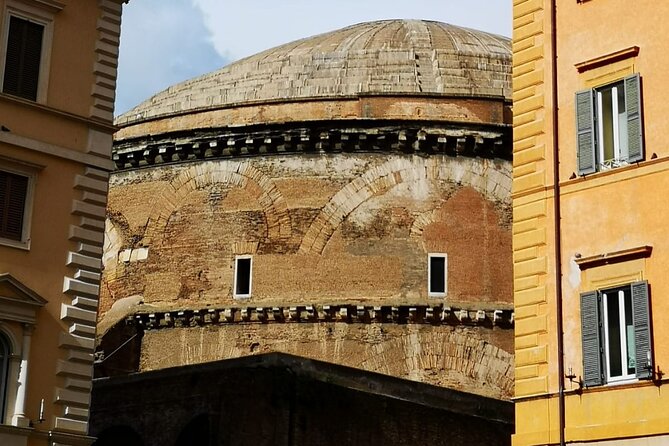
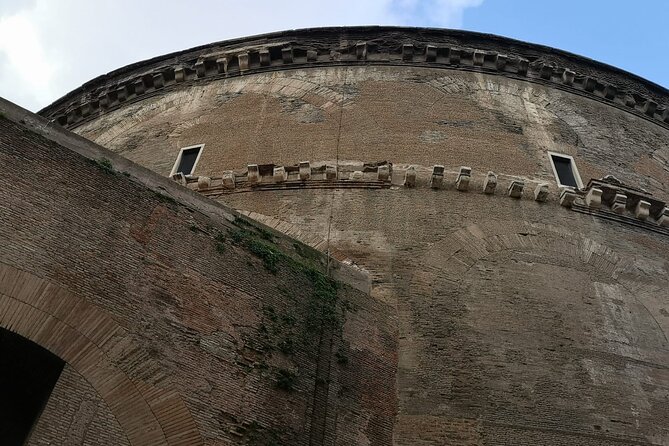
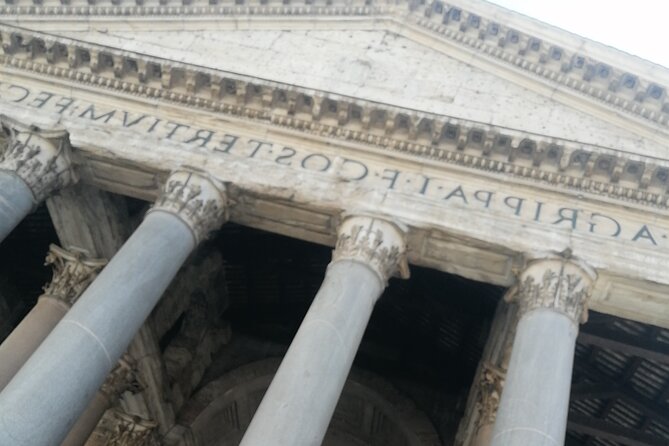
Even though the main stop is the Pantheon, you should expect some attention to both the interior and exterior. People mention going through the monument’s outside and inside together, with the guide helping you connect what you see from outside to what you experience inside.
This helps you avoid a common problem: you walk up, take photos, and then forget what you saw because you never got the “why” behind it. With an orientation from the guide, your eyes stay busy for the whole visit.
And because the tour stays short, you’re not likely to feel dragged through every corner. The goal is to give you enough context to make your next hour in Rome feel smarter, not just busier.
Small group size: better questions and a calmer pace
This is designed as a semi-private tour, with a maximum of 10 travelers in the activity details. That small cap is a big deal in Rome’s top sites.
With a small group, you can ask the extra question that pops into your head. You’re also less likely to get stuck listening at the back while your phone does most of the learning.
It also helps that the guide’s style is suited for mixed ages. People specifically mention she engaged well with multiple ages, and she’s able to explain big ideas without making it feel like a lecture.
If you’re traveling with kids, this matters. The Pantheon can overwhelm younger attention spans if the guide just rattles facts. Here, the explanations are framed in a way that keeps things moving.
Price and value: you’re paying for a specialist guide
At $66.54 per person, the price isn’t low. But the value makes sense given what’s included.
Here’s the key point: the admission ticket is free. So your cost is mainly for the guide—time, expertise, and the tools that help you understand what you’re seeing. You’re not paying extra to get into the Pantheon. You’re paying for interpretation that turns the visit from surface sightseeing into something you remember.
Also, you’re not stuck with a super long tour length. At about 50 minutes to 1 hour, you get a focused hit and then you can spend the rest of your day exploring nearby areas at your own pace.
The best value shows up if you care about:
- how Roman design communicates power and meaning
- why the Pantheon connects pagan origins with later Christian use
- understanding architectural features in a clear, guided way
If you’re purely into wandering for photos and don’t care about context, a guided tour may feel like you’re spending money you could use elsewhere.
Practical details that affect your day
A few specifics can make or break the experience when you’re actually standing there.
Dress code: cover your shoulders
You must cover the shoulders. This is stated clearly for participation. Don’t assume it’s optional, especially for a site with religious use. If you’re planning light summer clothing, bring a scarf or layer you can throw on fast.
Meeting point matters more than you think
Meet at Piazza della Rotonda. If you show up late, you’ll likely miss the start and the smooth entry flow that makes the tour feel easy.
Getting in and out
The tour ends back at the meeting point. That keeps it simple, especially if you’re scheduling other sights later.
Tickets and access
The tour uses a mobile ticket, and it’s offered in English. Service animals are allowed. The activity is also near public transportation, which helps if your plan includes more than one Rome stop in a day.
Who this tour suits best
This is a strong fit if you want a guide who can explain the Pantheon in plain language, with an archaeology lens.
It’s especially good for:
- families who want a guided visit that still feels lively
- travelers who prefer short, high-impact experiences
- anyone who wants the Pantheon’s layered story (Roman origins plus Christian significance) rather than one single-era explanation
- people who learn better with visuals like iPad graphics and drawings
If you dislike guidance and you want total freedom, you might prefer an audio guide or just self-guided wandering. But if you want your questions answered and your time used well, this format is built for that.
Should you book the Pantheon Semi-Private Tour with Olga?
I’d book it if your goal is to understand the Pantheon, not just see it. The biggest reason: Olga di Cagno’s archaeologist approach plus the use of iPad visuals, photos, and drawings makes a huge monument feel readable in under an hour.
I’d skip it only if you’re not interested in the building’s symbols and the way its meaning changed over time. Also, keep the shoulder-cover rule in mind—if your wardrobe won’t cooperate, you’ll waste time finding something suitable on the spot.
If you want a calmer, more personal experience at one of Rome’s most intense sights, this semi-private setup is the kind of smart purchase that turns a famous stop into a memorable one.
FAQ
How long is the Pantheon semi-private tour?
It lasts about 50 minutes to 1 hour.
Where does the tour meet?
You meet at Piazza della Rotonda, 00186 Roma RM, Italy.
Is the tour in English?
Yes, it’s offered in English.
What’s the group size limit?
This activity has a maximum of 10 travelers.
Do I need a ticket for the Pantheon?
The admission ticket is free for this experience, and you’ll receive a mobile ticket.
Is there a dress code?
Yes. It’s necessary to cover the shoulders.
Is this tour good for children?
Yes. It’s suitable for both adults and children alike.
Are service animals allowed?
Yes, service animals are allowed.
Can I cancel for a full refund?
Yes. You can cancel up to 24 hours in advance for a full refund.
What if I book within 1 day of travel?
Confirmation is received as soon as possible, subject to availability.