REVIEW · ROME
Private Tour: Ancient Rome by Car
Book on Viator →Operated by Rome Private Excursions · Bookable on Viator
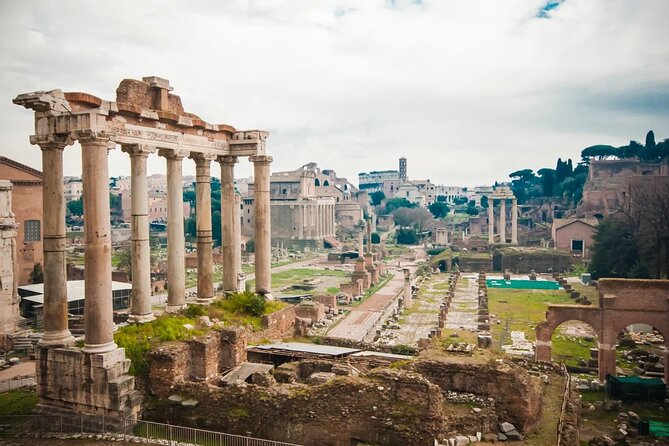
A van makes ancient Rome feel manageable. This private day mixes big-name landmarks with optional detours, and you get the flexibility to shape the route to your pace. I like the private driver-guide handling the tricky parts of timing and access, and I like the customizable itinerary when you want more time somewhere. One tradeoff: major ticketed stops like the Colosseum cost extra, so you’ll want a plan before you go.
You start at 8:00 am with pickup at your Rome accommodation and return there at the end of the day. The tour runs about 7 hours, it’s fully private (just your group), and it asks for moderate physical fitness. It’s offered in English with a mobile ticket, which helps if your schedule is tight.
In This Review
- Key things to know before you go
- Private Rome, not a group shuffle
- Price of about $468.33 per person: when it’s worth it
- Pantheon stop: quick entry with pre-game context
- Spanish Steps: shopping streets plus a stair stroll
- Catacombs of Saint Callixtus: the tunnel experience with a specialist guide
- Trevi Fountain: your coin stop with a private-timing advantage
- How the Colosseum fits in: add tickets at booking for 25 euro pp
- A driver-guide who handles Rome’s curveballs
- What to do with the empty spaces: customize without overstuffing
- Practical tips that make the day easier
- Should you book this Ancient Rome by Car tour?
Key things to know before you go
- Private pickup and drop-off: you’re not hunting for meeting points all morning.
- You control the pace: stops can be adjusted so your day doesn’t feel rushed.
- Ticket add-ons matter: Colosseum tickets are extra; Catacombs may involve an on-site ticket payment.
- A driver who navigates Rome well: several guides in practice handle crowds, road chaos, and tight timing.
- Comfort counts on a full day: Rome’s sights involve walking, stairs, and outdoor time in the sun.
Private Rome, not a group shuffle
If you only have a day (or you’re just tired of big-group lines), this format is built for you. You’re picked up at your hotel in Rome, then you ride in a private vehicle with an English-speaking driver-guide who can get you from place to place without the stress of buses, trains, or finding taxis at the worst possible time.
The best part is how the day stays flexible. Even with a planned route, you’re not stuck moving at someone else’s pace. That matters for practical reasons: some people want extra photos at the Pantheon, others want to shorten a stop if the heat is high. It’s also private, so you can ask questions without feeling like you’re interrupting a crowd.
You can also read our reviews of more private tours in Rome
Price of about $468.33 per person: when it’s worth it
$468.33 per person sounds steep on paper, but you’re paying for a full-day private vehicle plus a driver-guide who can save you time and confusion. The value gets stronger when you split costs across a small group of friends or family, or when you’d otherwise lose hours figuring out transport and access.
Just budget for the ticket pieces that aren’t included. Colosseum admission is not included, and the tour offers it for 25 euro per person if you add it when booking. The Catacombs situation is listed in two ways: the itinerary says admission is included, while the add-on notes say 10 euro per person paid on site. Either way, plan to have some cash or card ready for Catacombs entry so the day doesn’t stall.
Pantheon stop: quick entry with pre-game context
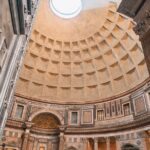
You’ll start at the Pantheon for about 30 minutes. The admission ticket is not included, but the driver gives you historical context before you go in, which makes that short visit far more satisfying than a rushed grab-and-go.
In practical terms, 30 minutes is enough to experience the main interior and pick out a few standout features, then step back out to reset before the next stop. The big question for you is timing: since your ticket cost isn’t included, confirm what you need at booking or be ready to purchase the Pantheon ticket yourself. If you like structured sightseeing, this stop works well because you get the setup and then a focused window inside.
Spanish Steps: shopping streets plus a stair stroll

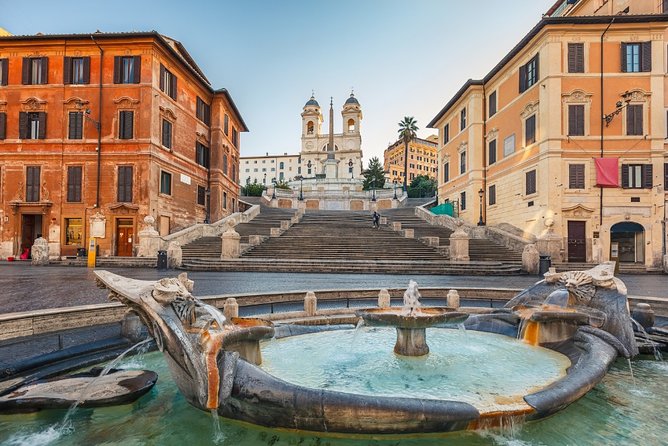
Next you head to the Spanish Steps for about 30 minutes. This is the kind of stop Rome does well: you can take it slow while you walk through the city’s lively shopping streets, then head for the famous stair area.
Because you only have a half hour, don’t treat it like a long break. Wear shoes you’re comfortable walking in, and plan for sun if you’re traveling in warmer months. The upside is you get a classic Rome scene without turning the day into a slow crawl through crowds.
Catacombs of Saint Callixtus: the tunnel experience with a specialist guide
The Catacombs stop is about one hour. The idea is simple: you visit the early Christian burial place and move through the underground tunnels with a Catacombs guide who knows the route and story well.
This part is a strong value because it’s not just a bus tour description. You get escorted through the tunnels, so you’re not left trying to figure out what you’re seeing. If you’re someone who likes a deeper, more unusual side of Roman history, this stop is often the one people remember.
A quick reality check: this is still a walking-and-tunnel experience. The tour asks for moderate physical fitness, so if you’re unsure, talk to the driver in advance about what will feel comfortable for you. Also note that the Catacombs entry may involve 10 euro per person on site, even though the itinerary text also states admission is included—so come prepared.

Trevi Fountain: your coin stop with a private-timing advantage
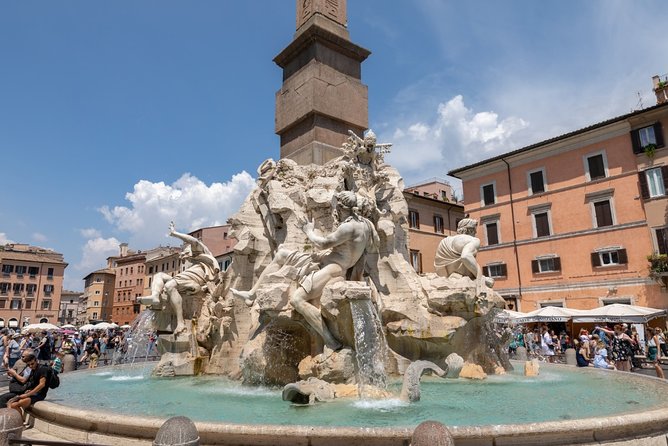
You’ll end with Fontana di Trevi for about 30 minutes. Admission isn’t included, and Trevi is free to visit anyway, which keeps this stop from adding extra costs.
The private part matters here. By arriving with your own schedule rather than being chained to a large-group arrival time, you often get a better flow for photos and a less frantic feel while you toss the coin and do your quick walk-around. Still, Trevi can be crowded, so keep your expectations realistic: you’re aiming for a good experience in a limited window, not a quiet studio shoot.
How the Colosseum fits in: add tickets at booking for 25 euro pp
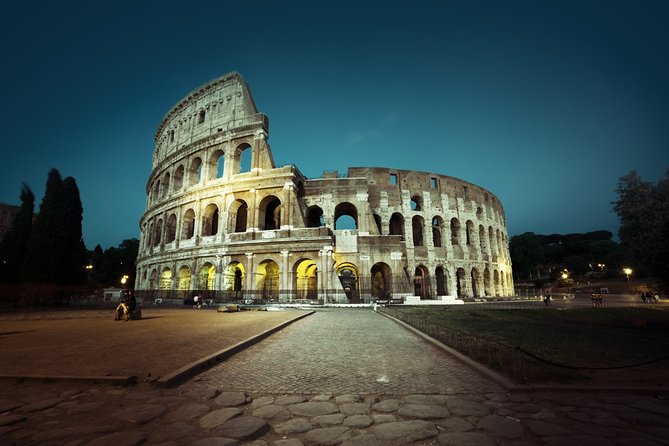
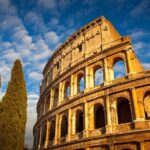
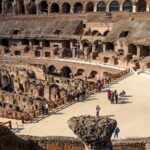
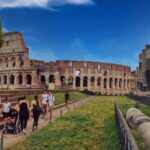
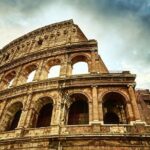
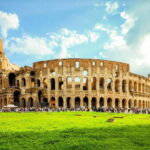
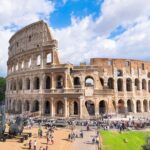
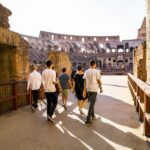
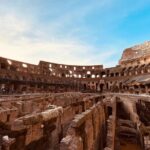
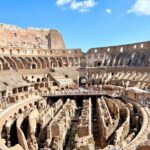
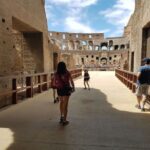
The tour’s promise includes prominent sites like the Colosseum (and Pantheon), but the Colosseum ticket itself is not included by default. The option is to add it for 25 euro per person when you book.
This is worth thinking about before you pay for anything else. If the Colosseum is your must-do, add the ticket early so the driver can plan around it. And be aware that a full day only has so many hours—if you add big-ticket stops, it can affect how much time you have at places like the Spanish Steps or Trevi.
If you’re trying to see the most famous monuments in one go, this is the key decision point. The Colosseum is the big draw, and once it’s locked in, the rest of your day tends to feel smoother.
A driver-guide who handles Rome’s curveballs
The success of a private Rome day often comes down to the driver-guide. In practice, guides like Max have helped make the experience possible for visitors with mobility needs, including a dad using a wheelchair—Max was patient and supportive and still kept the sightseeing moving. Other guides, like John and Johnny, are praised for mixing smart explanations with an upbeat style, which matters if you’re traveling with teens or you want history without a lecture vibe.
You’ll also benefit from drivers who know how to work around real-world issues. One guide, Johnny, handled a day when a national bike race affected Rome’s streets, and he navigated the route smoothly. Another, Josef, even waited for late arrival from a ship and helped sort out logistics once the group checked in and got moving.
If you have specific priorities—church time, family-friendly pacing, mobility concerns, or extra photo stops—tell the driver early. The day is built around customization, and the best guides respond fast to your needs.
What to do with the empty spaces: customize without overstuffing
Rome can tempt you to cram everything in. The smarter move is to use the tour flexibility to build a day that feels human.
Here’s a practical way to think about it:
- Keep the “anchor” stops you really care about (Pantheon and Trevi are scheduled; Colosseum is a key add-on).
- Use customization to adjust time based on energy and interests.
- Ask the driver about realistic tradeoffs—if you want longer at one site, something else may shrink.
Some people also ask for alternatives at the Catacombs part, because the tunneling experience isn’t mandatory in the same way every stop is. If something sounds like too much effort that day, discuss options directly with your driver and let them reshape the route.
Practical tips that make the day easier
Food and drinks are not included, so plan for a lunch moment. If you wait until you’re hungry, Rome’s streets can turn a quick decision into a long one.
Also, this is a full day with real walking. Comfortable shoes aren’t optional. If you’re sensitive to heat, plan to spend more time in shade when you can, and treat each stop window like it’s part of a paced circuit.
Finally, remember tickets are a mix:
- Pantheon admission is not included.
- Colosseum tickets cost extra (25 euro pp if added during booking).
- Catacombs may involve an on-site ticket cost (listed as 10 euro pp), even though the itinerary text says included.
- Trevi is free.
If you handle that upfront, the day feels calm instead of complicated.
Should you book this Ancient Rome by Car tour?
Book it if you want to maximize time without sacrificing comfort. This private setup is ideal when you have limited days in Rome, you value an expert driver-guide to help you get your bearings fast, or you want flexibility to adjust your itinerary to your group’s pace.
Skip (or rethink) if you’re traveling on a tight budget and you’re comfortable handling tickets and logistics yourself. Also consider whether your top priorities match the scheduled flow—Pantheon and Trevi are built in, while the Colosseum requires adding tickets at booking for an extra cost.
If you fall in the first group, you’ll likely enjoy the big landmarks plus the more unusual underground stop, all wrapped in a day that’s designed to feel manageable.