Four UNESCO sites, one smooth Kathmandu day. I love the licensed government guide and hotel pickup/drop-off, because it turns a big UNESCO list into a calm, walk-in-able day. In about seven hours, you’ll hit Boudhanath Stupa, Pashupatinath Temple, Patan Durbar Square, and Swayambhunath Stupa with an expert who can connect what you’re seeing to Kathmandu Valley’s culture.
One consideration: monument entrance fees are not included, so plan roughly USD $25 per person on top of the $55 tour if you want to enter all the sights listed.
In This Review
- Key things to know before you go
- How the 7-hour Kathmandu UNESCO Heritage Tour fits real schedules
- Meeting point in Thamel and getting moving at 9:15 am
- Boudhanath Stupa: what a guided first stop unlocks
- Pashupatinath Temple: staying respectful while asking real questions
- Patan Durbar Square: seeing heritage beyond just one city block
- Swayambhunath Stupa: the finishing act that helps the day click
- Price and value: what $55 actually buys (and what it doesn’t)
- What to expect from transport and pacing on the ground
- What to bring for a day of UNESCO stops
- Who this tour is best for in Kathmandu
- Should you book this Kathmandu UNESCO Heritage Tour?
- FAQ
- How long is the Kathmandu UNESCO Heritage Tour?
- What is the meeting point and start time?
- Do I get hotel pickup and drop-off?
- Is the tour private?
- What is included in the price?
- Are monument entrance fees included?
- What about personal expenses like drinks or alcohol?
- Is the tour suitable for most people?
- What if the weather is bad?
- Is there free cancellation?
Key things to know before you go
- A single-day UNESCO loop through Kathmandu Valley’s major landmarks
- Hotel pickup and drop-off so you don’t burn time on local transit
- Professional, government-licensed guiding to help you understand each stop
- Included ground transportation and taxes (you’re paying for the day, not just the map)
- Entrance fees are extra (budget about USD $25 per person, plus tips)
How the 7-hour Kathmandu UNESCO Heritage Tour fits real schedules
This is the kind of tour that helps you make Kathmandu Valley feel manageable. Instead of trying to stitch together separate taxi rides, you get one plan that moves you between four big heritage sites during a single day.
The timing matters. With an approx. seven-hour run and hotel pickup plus drop-off, you’re basically buying convenience and context in one package. You’re not just getting photos; you’re getting a guided explanation of why these places matter and what to look for as you move from one spiritual center to the next.
Also, this is set up as a private tour/activity for your group. That’s a nice way to keep the pace comfortable, especially if your group has questions or wants a slightly slower look at one monument.
You can also read our reviews of more historical tours in Kathmandu

Meeting point in Thamel and getting moving at 9:15 am
The tour’s start time is 9:15 am, and the meeting point is Breakfast House Thamelkwabahal, Wak Bajra Marg, Kathmandu 44600, Nepal. If you’re staying in or near Thamel, this is a practical launchpad. Even better, the meeting area is described as near public transportation, so you’re not stuck if pickup timing changes.
What I like here is the clarity. You know exactly where to be, and you know the morning start gives you more productive daylight for the four stops.
One more small advantage: confirmation happens at booking time. That means you’re not waiting around for last-minute email wrangling while you’re trying to organize the rest of your Nepal days.
Boudhanath Stupa: what a guided first stop unlocks
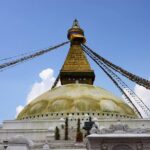
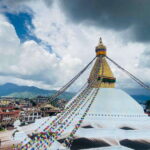
Boudhanath Stupa is usually the kind of place where first impressions can be overwhelming. You see a lot quickly—prayers, people, movement, and strong spiritual energy—so having a guide helps you slow down without missing the important details.
On this tour, Boudhanath Stupa is the first major stop, reached after pickup. That’s smart pacing. Starting with a major Buddhist site early in the day often keeps the visit calmer, and it gives you a baseline for understanding the rest of Kathmandu Valley’s religious mix.
With a professional licensed guide, you’re not left guessing. You can ask straightforward questions about what you’re noticing and how to interpret the behavior and symbols around you. It’s the difference between looking at a monument and actually learning how people use it day to day.
Potential drawback: you may be tempted to spend extra time here because it’s a strong visual anchor. If you tend to get “photo-stuck,” remind yourself this is a four-stop circuit.
Pashupatinath Temple: staying respectful while asking real questions
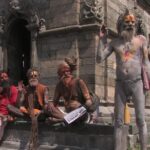
Next comes Pashupatinath Temple. This is another major spiritual stop, and it changes the tone in a hurry compared with a stupa. Expect a religious setting where your behavior matters.
A licensed guide is especially useful at temples like this because you’ll likely want to understand the basic context: who visits, what the space is used for, and what visitors should pay attention to. Instead of trying to piece together meaning on the spot, you get a guided framework that makes your visit feel more intentional.
It also helps that the tour design gives you transportation between sites. Religious spaces can be hard to reach efficiently on your own—especially if you’re trying to avoid getting lost on busy roads. Here, the driver handles the logistics so you can focus on the experience.
Practical consideration: entrance fees are not included. Some people treat “temple touring” as free because the area looks open, but these monuments often have specific entry charges. Build that extra budget early so you don’t end up doing math mid-day.
Patan Durbar Square: seeing heritage beyond just one city block
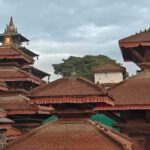
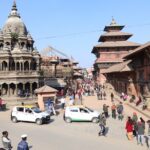
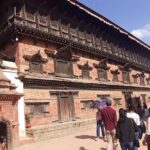
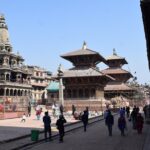
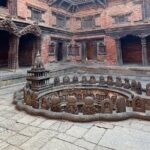
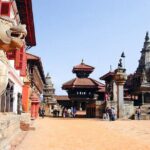
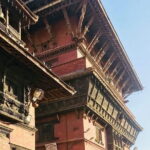
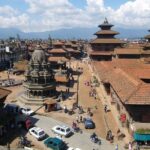
Patan Durbar Square is the tour’s heritage-history anchor on the Kathmandu side. Like the other stops, it’s included as a planned part of the circuit, meaning you’ll have a guide to point out what’s most meaningful as you move through the square.
What makes Patan Durbar Square valuable on a guided day is comparison. By the time you arrive, you’ve already visited Boudhanath Stupa and Pashupatinath Temple. That makes Patan feel less like a random add-on and more like another piece of Kathmandu Valley’s cultural puzzle.
This stop is also a good chance to slow down and look at the built environment closely—how spaces are organized, what types of structures you see, and how a heritage area works as a real public space, not a museum bubble.
Potential drawback: because the tour is only about seven hours total, you don’t get unlimited time for each site. If you want a deep, lingering study of architecture and details, you might feel slightly time-limited. The trade-off is that you get all four UNESCO-linked stops in one day.

Swayambhunath Stupa: the finishing act that helps the day click
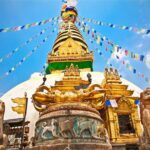
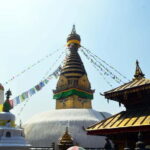
The final named stop is Swyambhunath Stupa. Ending here gives your day a “wrap it up with a bigger landmark” feeling. It’s also a good way to make the whole Kathmandu Valley circuit feel coherent: three distinct heritage settings, then a final stupa visit that ties up your understanding of the area’s religious landscape.
By the last stop, you’re usually more confident in what to do with your time. You’ve already had one or two learning moments with your guide. Now it’s easier to ask targeted questions—what you should look for, how the site functions, and how it fits with the other locations you’ve visited.
If you’re someone who likes getting a clear arc from start to finish, this ordering helps. You don’t just hop around; you complete a structured loop.
Weather note: the experience requires good weather. If the day starts looking questionable, don’t panic—your operator should offer a different date or a full refund if poor conditions lead to cancellation.
Price and value: what $55 actually buys (and what it doesn’t)
The tour price is $55.00 per person, for approx. seven hours. On paper, that sounds like a simple sightseeing package. In practice, the value is in the setup: all ground transportation (based on group size), a professional licensed tour guide, and hotel pick up and drop off—plus government and local taxes.
Entrance fees are the big extra. The tour estimates monument entrance fees at about USD $25 per person. So if you’re aiming to fully enter everything, you should treat your likely total as roughly $80 per person (tour price + estimated entry fees), before any personal spending.
Is $55 worth it? For me, it is when you want both guidance and convenience. If you tried to do four heritage sites alone, you’d spend time coordinating rides, paying for separate transport, and losing the context a licensed guide can provide. Here, you’re buying a structured day with transport and taxes already handled.
Also, there are group discounts mentioned. If you’re traveling with friends or family, that’s a real lever—splitting the cost can turn it into one of your best deals in Kathmandu.
What to expect from transport and pacing on the ground
This is a ground-transport-heavy day, which is exactly what you want in Kathmandu if you’d rather not constantly negotiate routes. The tour includes “all ground transportation as per the group size,” which matters because vehicle arrangements can change depending on your group.
Pickup and drop-off are included, and the driver and guide pick you up at your hotel. That reduces friction. You don’t have to time your movements around buses or wait in the cold. You just show up at the meeting point time, and then the day runs.
The exploration time is listed as about seven hours, which suggests you’ll have enough time for the core experience at each stop without it turning into an all-day endurance test. Still, it’s a full circuit. If you like long, slow museum-style stays, you may want to add separate free time on another day.
One more logistics point: the tour is private for your group. That usually means fewer interruptions than a crowded group format, and it can make the guide’s attention feel more usable.
What to bring for a day of UNESCO stops
The tour itself covers guidance, transport, and taxes, but you’ll still want to pack for the day outside. Entrance fees are extra, and personal expenses like soft drinks and alcoholic beverages aren’t included.
So bring:
- Some cash or a payment method for monument entrance fees (approx. USD $25 per person)
- Water and snacks you’re comfortable buying on-site (since personal expenses aren’t included)
- Comfortable walking shoes for a day that includes multiple monuments
- A bit of extra budget for tips, since gratuities for driver and guide are not included
And remember: the experience requires good weather. If your plans are tight, aim to keep a flexible buffer day before or after, so you’re not scrambling if conditions force a reschedule.
Who this tour is best for in Kathmandu
This Kathmandu UNESCO Heritage Tour fits well if you want a guided “greatest-hits” day in Kathmandu Valley. It’s also a good option if you’re short on time but still want world heritage sites rather than just one or two famous landmarks.
It works especially well for:
- First-time visitors who want clarity on what they’re seeing
- People who prefer not to manage multiple transport legs alone
- Groups that can benefit from the stated group discounts
- Anyone who likes structure and a licensed guide to handle questions in real time
If you’re the type who wants zero structure and maximum free roaming, you may find a guided circuit a little limiting. But if you’re trying to get the most out of a single day, this plan is built for that.
Should you book this Kathmandu UNESCO Heritage Tour?
Yes, I’d book it if you want a single-day plan that hits four major UNESCO-linked sites with a government-licensed guide, plus hotel pickup/drop-off and transportation handled for you. The price is reasonable for what’s included, and the learning value usually comes from having someone explain the sites while you’re there.
I’d hesitate only if entrance fees would be a deal-breaker for your budget, or if you already know you want long, independent deep dives at just one or two monuments. In that case, you might prefer fewer stops on your own schedule.
If your goal is a smooth, meaningful heritage day without logistical stress, this tour is a solid bet.
FAQ
How long is the Kathmandu UNESCO Heritage Tour?
It runs for about 7 hours (approx.), including driving and exploration time, with hotel pickup and drop-off.
What is the meeting point and start time?
The meeting point is Breakfast House Thamelkwabahal, Wak Bajra Marg, Kathmandu 44600, Nepal, and the start time is 9:15 am.
Do I get hotel pickup and drop-off?
Yes. Hotel pick up and drop off are included.
Is the tour private?
Yes. It’s listed as private for your group, meaning only your group participates.
What is included in the price?
Included items are all ground transportation as per group size, a professional licensed tour guide, hotel pickup/drop-off, and all government and local taxes.
Are monument entrance fees included?
No. Entrance fees are not included and are estimated at about USD $25 per person.
What about personal expenses like drinks or alcohol?
Personal expense items such as soft drinks and alcoholic beverages are not included.
Is the tour suitable for most people?
The tour states that most travelers can participate.
What if the weather is bad?
This experience requires good weather. If it’s canceled due to poor weather, you’ll be offered a different date or a full refund.
Is there free cancellation?
Yes. Free cancellation is available, and you can cancel up to 24 hours in advance for a full refund. If you cancel less than 24 hours before the start time, the amount paid is not refunded.