REVIEW · ATHENS
Private Biblical Tour of Ancient Corinth & Isthmus Canal
Book on GetYourGuide →Operated by Ancient Greece Tours and Transfers · Bookable on GetYourGuide
Corinth hits you all at once: canal engineering, Paul’s speeches, and citadel views. I love the way the day pairs Corinth Canal boat-watching with Acrocorinth’s sky-high fortifications at 1,886 feet. One watch-out: entrance tickets (about 15€ for the Corinth site plus museum) and any licensed on-site guide are extra, since the driver can explain but won’t escort you inside.
What makes this work well is the “private, go-at-your-pace” format. You ride in a first-class car with A/C and Wi‑Fi, and pickups run from Athens (or Corinth) to your hotel/Airbnb/port. A recurring highlight from past days is that the driver often brings local stories and extra care, like Peter’s backroad approach around Corinth and small touches such as water, sanitizer, and even bakery cookies.
You should also plan for a bit of walking on uneven ancient paths and viewpoints—comfortable shoes and sunscreen matter. If you want the most text-heavy, inside-the-site interpretation, budget for the optional licensed guide too.
In This Review
- Quick hits: what you’ll remember
- Private Apostle Paul route from Athens (and why it feels personal)
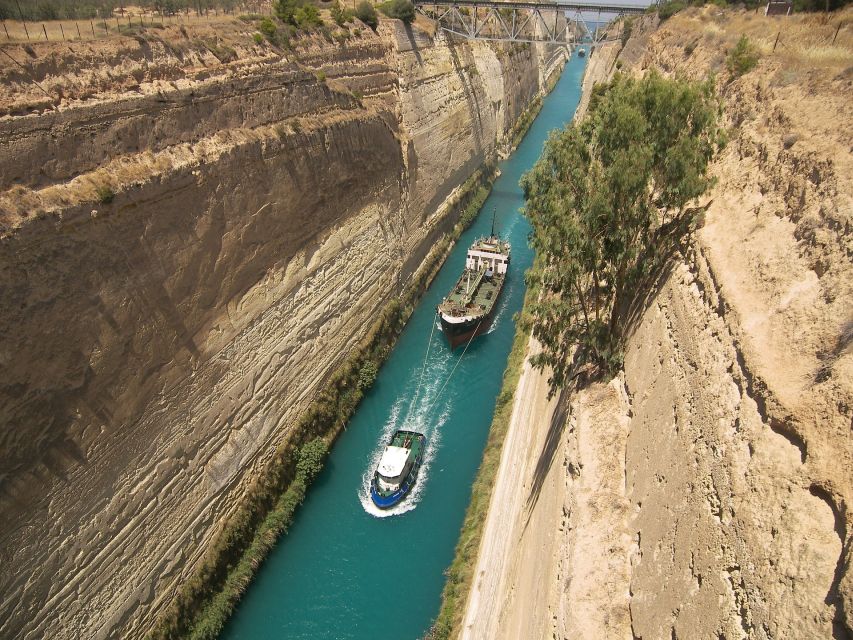
- Corinth Canal: modern engineering you can actually watch
- Diolkos: the ancient “boat highway” across the isthmus
- Acrocorinth citadel: fortress walls, temple remains, and big sky views
- Ancient Corinth: bema, agora, springs, and the Temple of Apollo
- The Paul connection: Bema and Agora
- Temple and waterworks: Temple of Apollo, fountain, springs
- Museum and archaeological site: artifacts that make the day click
- Lunch with Temple of Apollo views (and how to budget)
- Kechries port: Paul’s sailing context and the Nazarite vow detail
- Price and value: what $273 buys in an 8-hour private day
- Who this suits best (and who should pick something else)
- Should you book this Biblical Corinth and Kechries tour?
- FAQ
- How long is the private Biblical Corinth tour?
- Where does pickup and drop-off happen?
- Is this tour private?
- What language is the tour?
- Are entrance fees included?
- Is lunch included?
- Do I get a licensed guide inside the sites?
- Is the tour wheelchair accessible?
- Does the tour skip the ticket line?
- What should I bring for the day?
Quick hits: what you’ll remember
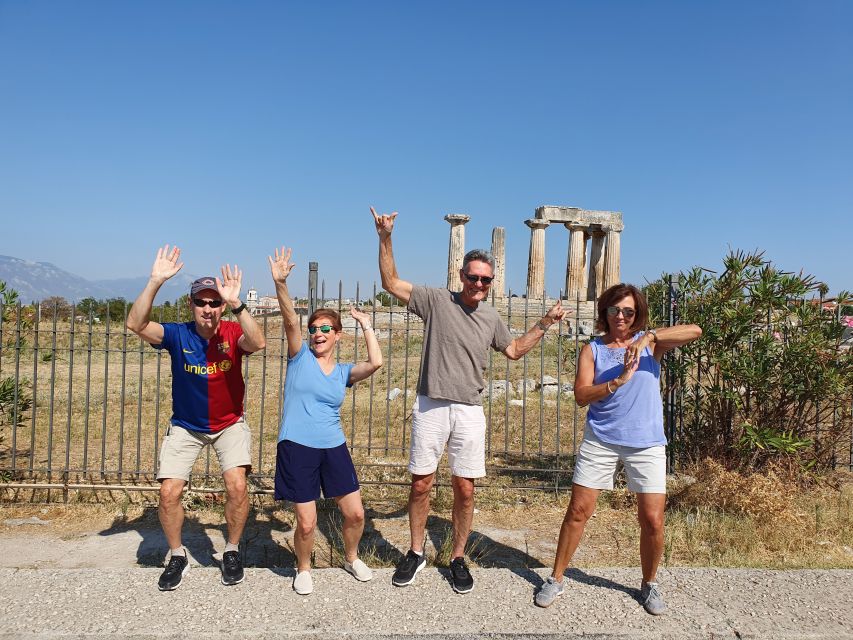
- Corinth Canal views with time to watch boats moving through a modern engineering shortcut
- Diolkos trackway: an ancient limestone road that hauled boats across the isthmus
- Acrocorinth citadel: a dominant fortress with about 4.9 miles of walls and panoramic lookouts
- Biblical anchors in Ancient Corinth: the Bema (Paul before Gallio) and the Agora where Paul walked and preached
- Archaeology + museum in one run: temples, springs, theater spaces, and the artifacts behind the story
- Kechries port: Paul’s sailing context with Aquila and Priscila, plus the Nazarite vow mention
Private Apostle Paul route from Athens (and why it feels personal)
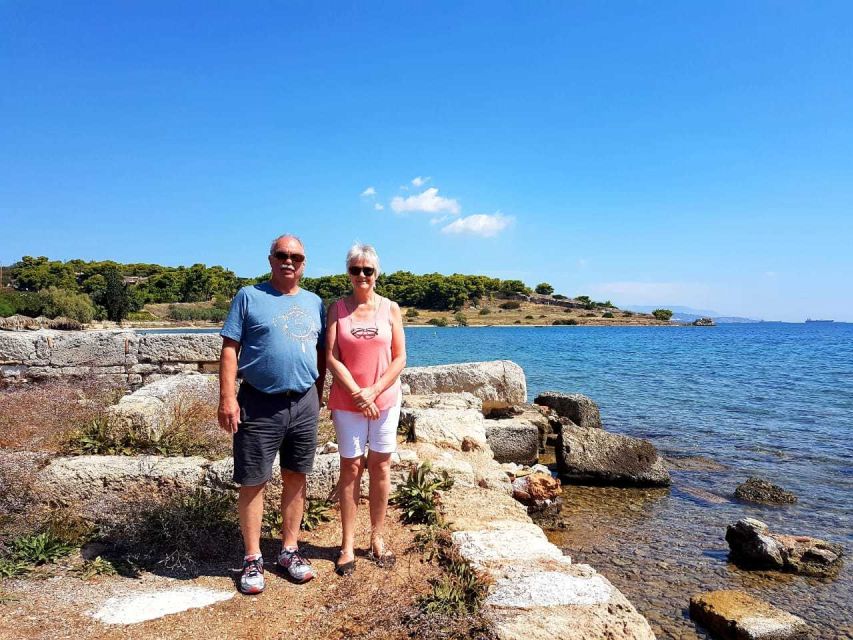
This is an 8-hour, door-to-door day focused tightly on one corridor of stories: Corinth and the places Paul connects to. I like that it’s private, because you can ask follow-ups—why Corinth mattered commercially, how the geography shaped travel, and how the ruins relate to events you’ve heard before.
You’ll start with a pickup either in Athens or Corinth, then head straight out. That “less waiting, more seeing” approach makes a big difference when you’re trying to fit canal, hilltop citadel, ancient ruins, and the port into one day without rushing the group.
One practical note: your driver is English-speaking and well-versed in Greek history, but they’re not licensed to accompany you through archaeological sites and museums. If you want someone inside with you for the in-depth explanations, you can request a licensed guide for an added fee—often the best choice if you’re the type who loves details and dates on the spot.
You can also read our reviews of more private tours in Athens
Corinth Canal: modern engineering you can actually watch
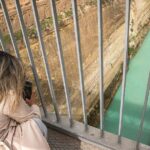
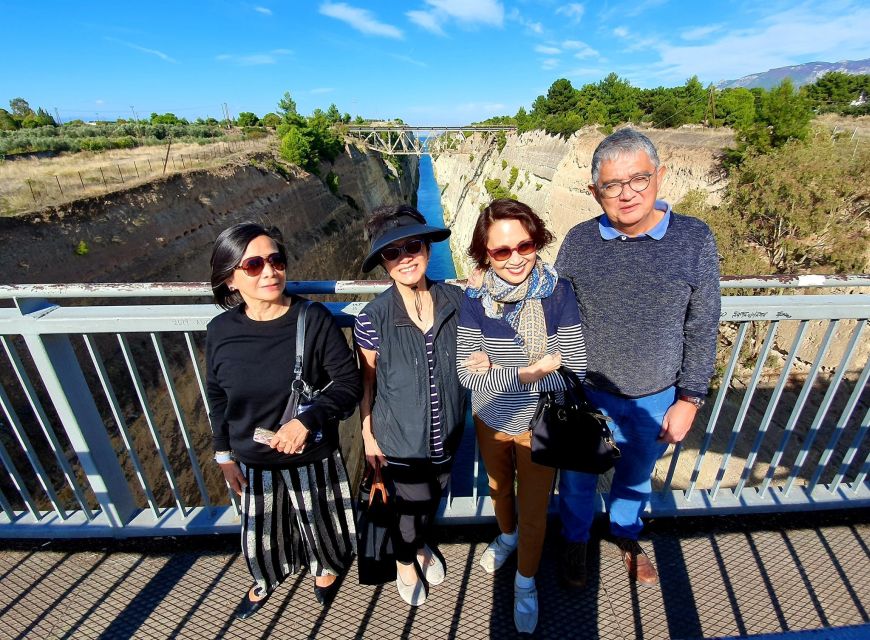
Your first big stop is the Corinth Canal. It cuts across the narrow link between the Corinthian and Saronic Gulfs, so ships don’t have to sail around the Peloponnese. You get about 50 minutes here, which is just enough time to get your bearings, find a viewpoint, and watch boats work through the channel.
This stop lands in a smart way for a Biblical tour. Corinth wasn’t just a religious destination; it was a transportation hub. Seeing the canal helps you understand how a place could stay connected—by sea routes today, and by road-and-ship systems in ancient times.
If the day is hot (and it often is), I’d treat the canal as your early “shade and photos” window. It’s open, bright, and exposed—so sunscreen and a hat pay off.
Diolkos: the ancient “boat highway” across the isthmus
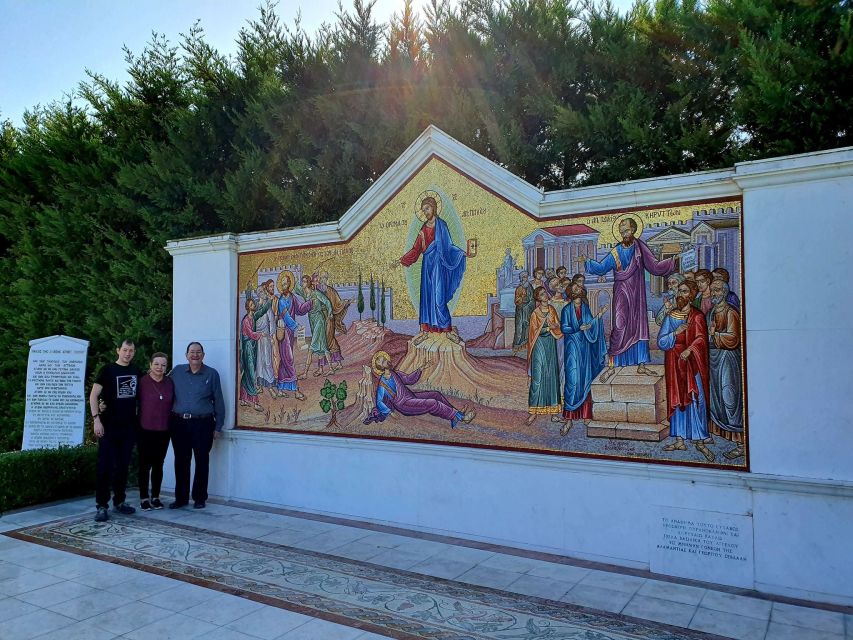
After the canal, you move to the Diolkos. This was an ancient paved limestone road used to move boats from one gulf to the other—where you see the modern canal today, the concept of crossing the isthmus is much older.
What I find especially useful is the scale and logistics. The Diolkos involved heaving boats onto trailers using manpower and animal power—ox and other animals are specifically mentioned—under a system that helped control trade across Greek colonies (270+ is the figure given). In other words: this wasn’t just a clever idea. It was a practical shipping system that changed how quickly goods (and people) could move.
You’ll have around 30 minutes here. That’s enough to appreciate what you’re looking at without turning it into a lecture marathon. Bring a quick question into the conversation—like how long a crossing would take—and your driver can usually connect the dots to what Corinth meant as a trade crossroads.
Acrocorinth citadel: fortress walls, temple remains, and big sky views
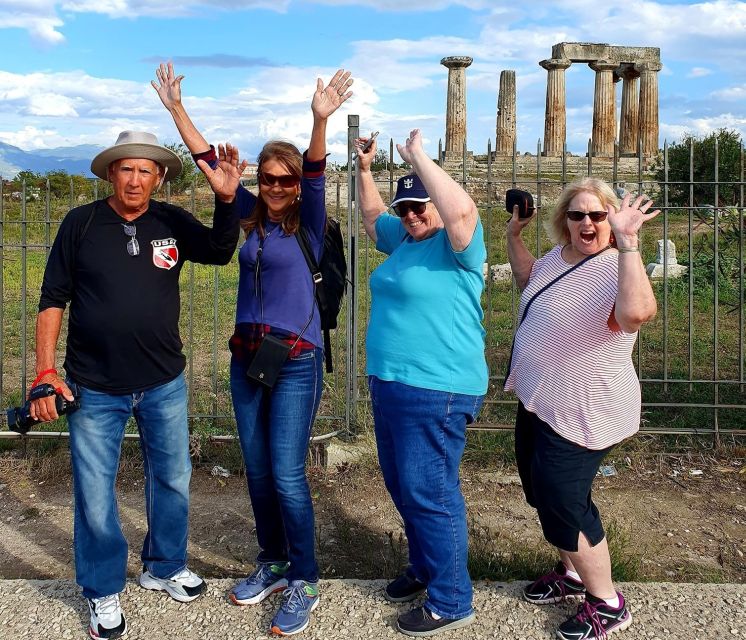
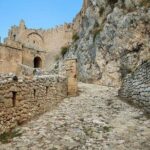
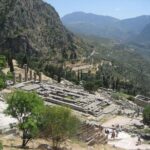
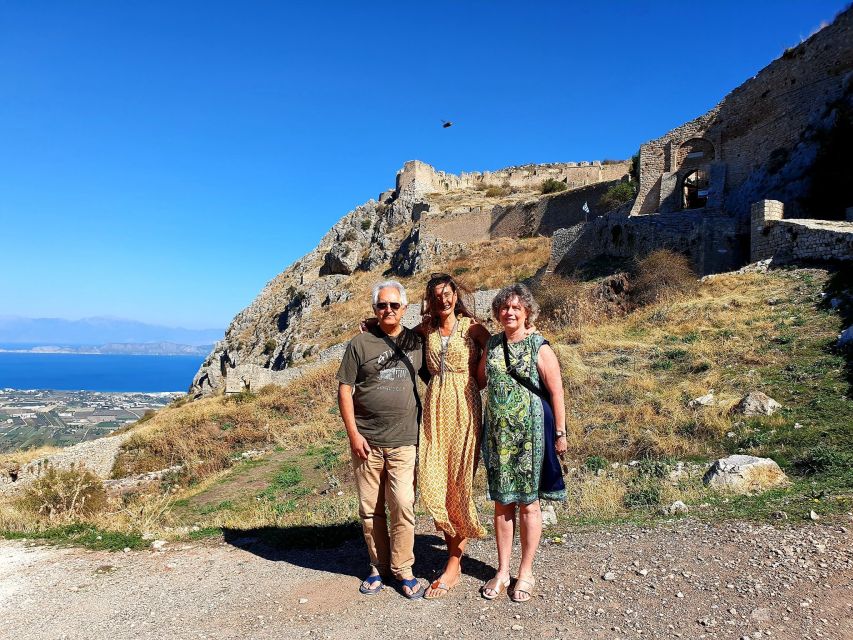
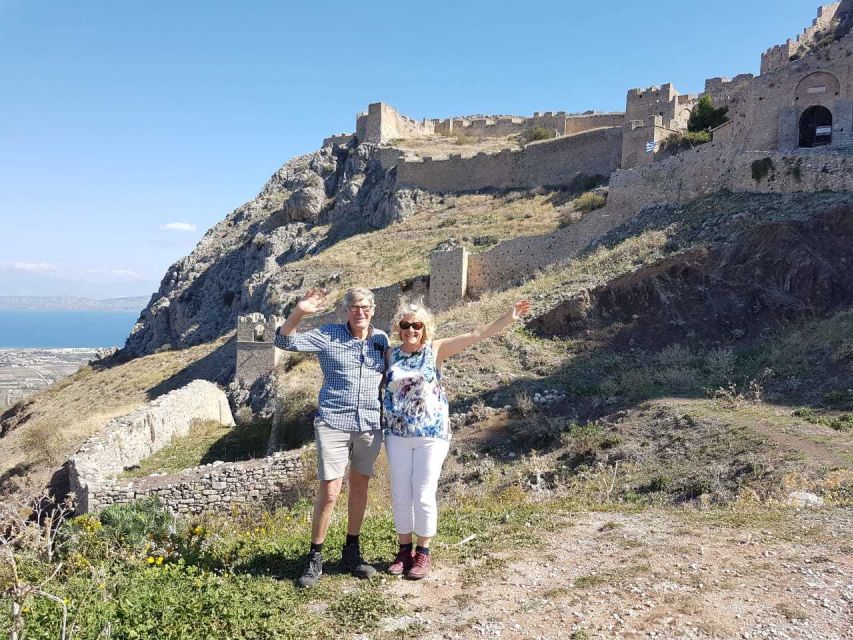
Next comes Acrocorinth, the hilltop citadel often called the Acropolis of ancient Corinth. This is the stop that makes the whole day feel like more than a bus tour. You’re visiting a monolithic rock rising about 1,886 feet, with roughly 4.9 miles of walls and three gates—built for defense, shaped by geography, and visible from far away.
You’ll get about an hour up here, and that timing matters. Acrocorinth is not just one viewpoint. It’s multiple angles. If you pace yourself, you can catch the panoramic lookouts, then return to spot areas tied to major remains such as the Temple of Apollo.
From a “Paul’s world” perspective, Acrocorinth helps you understand power. A fortress at this height meant control over movement in and out of the region, and it also meant Corinth had a strong sense of identity and protection. When you stand where people once guarded the city, you feel the strategic thinking behind the ruins.
Wear shoes with grip. The terrain can be uneven, and you’ll want steady footing when you’re stopping for photos and looking out over the valleys.
Ancient Corinth: bema, agora, springs, and the Temple of Apollo
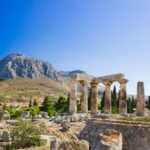
Now you’re in the main archaeological sweep—Ancient Corinth plus its museum. You’ll spend about 40 minutes at Ancient Corinth first, then longer at the museum later. The best way to do this kind of site is to treat it like two layers: what the structures suggest, then what the artifacts prove.

The Paul connection: Bema and Agora
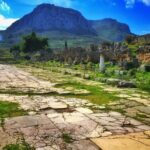
Two highlights for a Biblical-focused day are the Bema and the Agora. The Bema is the judgment seat where Apostle Paul was brought before Gallio. Standing near the spaces connected to that story gives you a grounding point for the text—you can picture the setting without trying to force the details.
The Agora is where you get the everyday movement angle: it’s where Paul walked and preached. Even if you don’t know every building name on sight, you’ll get something important from seeing an urban center designed for meetings, commerce, and public life.
Temple and waterworks: Temple of Apollo, fountain, springs
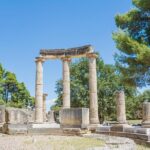
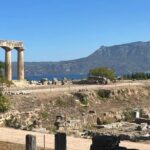
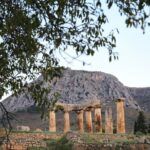
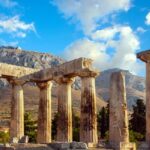
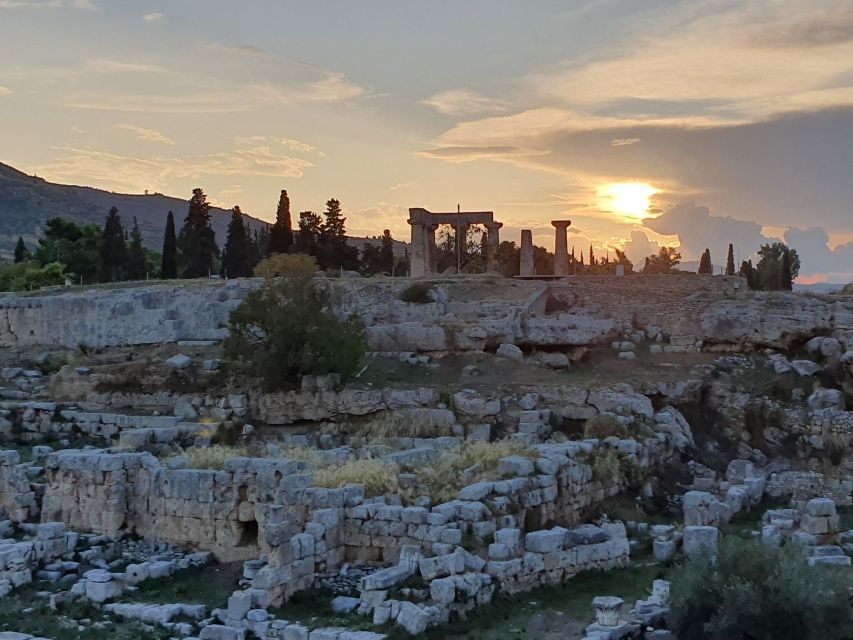
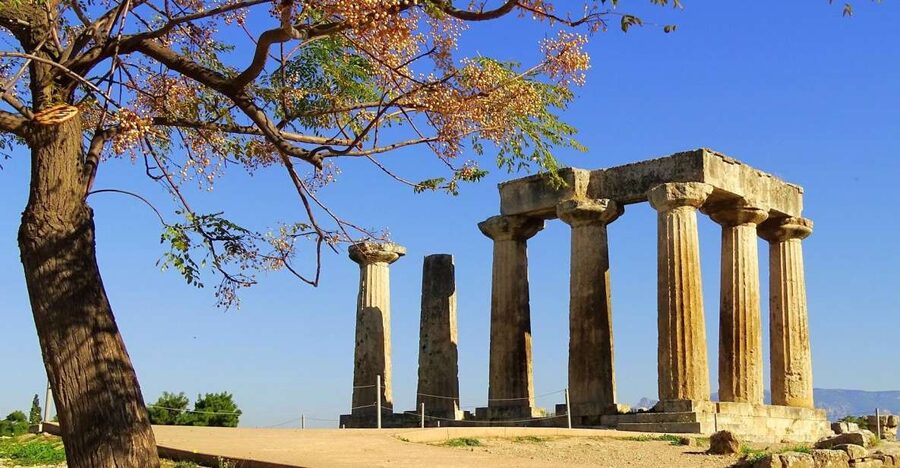
You’ll also encounter major religious and civic elements tied to the city’s identity, including the Temple of Apollo and water features like the Fountain of Glauke and the Sacred Spring (with Peirene also mentioned). These aren’t just pretty ruins. Water systems were the heartbeat of daily life, and the temple area shows how power and belief worked side by side.
As you move through the grounds, you might see or at least hear about additional structures listed for the visit, such as the Asklepieion and Odeion. That mix helps you see Corinth as a full city—religion, healing, performance, civic life—rather than one-note “Biblical stop.”
A note on pacing: 40 minutes outside is a good sampler. If you want to slow down and read everything, plan for the optional licensed guide so you can keep momentum without missing the story.
Museum and archaeological site: artifacts that make the day click
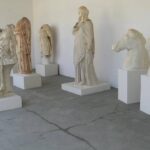
You’ll spend about 100 minutes at the Archaeological Museum of Ancient Corinth. This is where a lot of the uncertainty vanishes. Ruins can feel like fragments until you see the objects and context tied to them.
I like museum time because it gives your brain a break from walking uphill and looking across open courtyards. It also helps you connect the dots between what you saw on the ground and what the city used, built, and worshiped.
In a Biblical day, the museum can also help you think differently about the New Testament setting. It’s one thing to remember events. It’s another to understand the city’s material culture: how people lived, how they gathered, and what they valued.
If you’re traveling with kids or anyone who gets museum fatigue, 100 minutes is still manageable if you keep one simple goal: find the items that match the highlights you’re most interested in (like structures tied to Paul’s context).
Lunch with Temple of Apollo views (and how to budget)
After your main site time, you’ll have a big block for lunch—around 80 minutes. The tour gives you options tied to scenery: an authentic Greek lunch with views of the Temple of Apollo, or a seaside restaurant near the Baths of Helen of Troy.
Food and drinks are not included, so treat lunch as your flexible budget moment. The good news is that you’re not just eating; you’re soaking in atmosphere right where the day’s themes live—ancient religious presence or a coastal setting with the sea close by.
If you care about photos, plan your lunch choice with your camera in mind. A meal with Temple-of-Apollo views gives you a clean visual link between what you saw and what you’re doing now.
Kechries port: Paul’s sailing context and the Nazarite vow detail
The last stop is Kechries, the historic port area of Corinth, with about 30 minutes there. This is a strong closing act for a Biblical itinerary because it pulls you out of the city center and back to the sea roads.
You’ll follow the footsteps of St. Paul and his departure from Corinth around 53 AD, when he sailed to Ephesus with Aquila and Priscilla. You’ll also talk about the Nazarite vow detail—specifically the cutting of the hair mentioned in AC 18:18.
I like ending with the port because it explains why Corinth matters in the larger story: it’s not isolated. It’s connected. Seeing a port context helps you imagine movement—how quickly the message could travel, how people could cross regions, and how the city functioned as a gateway.
It also avoids a common fatigue trap. By the time you reach Kechries, you’ve already done the hilltop and the museum, so this feels like a calmer, lighter finish.
Price and value: what $273 buys in an 8-hour private day
At about $273 per person for an 8-hour private tour, you’re paying for a full-day, point-to-point experience that’s built around your time. The big value comes from three things:
- Private transport in a modern vehicle with Wi‑Fi, A/C, and bottled water
- A tight route that hits Corinth Canal, Diolkos, Acrocorinth, Ancient Corinth (including the museum), and Kechries
- The chance to skip the ticket line
Then add the realistic cost of extras. Entrance fees are about 15€ per person for both the archaeological site and museum, and food/drinks are on your own. If you want a licensed guide inside the sites for more interpretation, that’s extra on request.
For me, this becomes worth it when you want a structured Biblical day without coordinating details yourself. It’s also a good pick for small groups who want control—when you don’t want to wait for others, and you want to stop for photos or questions.
If your group already plans to hire a licensed guide at each site and you’re comfortable with transit, you might spend less by going independently. But if you want the route managed and the day stitched together smoothly, the private format earns its keep.
Who this suits best (and who should pick something else)
This tour fits well if you:
- Want Apostle Paul context tied to specific places you can actually stand in front of
- Like your history with a strong geographic explanation (canal, ship hauling, citadel defense, port departure)
- Travel with a group that benefits from private timing—families, couples, or friends who want the day shaped for them
You might choose a different option if:
- Your group hates walking or uneven surfaces, since Acrocorinth and archaeological grounds can be demanding
- You only want the most detailed site interpretation from licensed guides and don’t want to pay extra for that
Should you book this Biblical Corinth and Kechries tour?
Yes, I’d book it if you want one day in the Peloponnese that feels connected: sea routes first, then the ship-crossing story of the Diolkos, then the hilltop power of Acrocorinth, then the Agora and Bema moments, and finally the port context for Paul’s departure.
Two practical “yes” signals for your decision:
- You care about the why behind the ruins—transport, power, and movement.
- You’re okay paying site entrance fees on top of the tour price, and you’re open to an optional licensed guide if you want deeper in-site narration.
If that sounds like you, this is a satisfying, efficient way to follow a Paul-shaped route without turning the day into logistics homework.
FAQ
How long is the private Biblical Corinth tour?
It’s listed as an 8-hour experience.
Where does pickup and drop-off happen?
You can be picked up and dropped off in Athens (including your hotel or Airbnb) or in Corinth, depending on the option you choose.
Is this tour private?
Yes. It’s a private group experience.
What language is the tour?
The tour is provided in English.
Are entrance fees included?
No. Entrance fees for the archaeological site and museum in Ancient Corinth are listed as about 15€ per person.
Is lunch included?
Food and drinks are not included. The schedule includes a lunch break with options for an authentic Greek lunch with views or a seaside restaurant, but you’ll pay for the meal.
Do I get a licensed guide inside the sites?
Your driver is English-speaking and can explain the history, but they are not licensed to accompany you inside archaeological sites and museums. A licensed guide can be requested for an additional cost.
Is the tour wheelchair accessible?
Yes, it’s listed as wheelchair accessible.
Does the tour skip the ticket line?
It’s listed as skipping the ticket line.
What should I bring for the day?
Bring comfortable shoes, sunscreen, and comfortable clothes.