REVIEW · BUDAPEST
Private Jewish Heritage Tour of Budapest with Local Expert
Book on Viator →Operated by Friendly Local Guides · Bookable on Viator
Budapest’s Jewish Quarter moves fast.
This private heritage tour strings together the big sights and the human stories, from Herzl Square and the Great Synagogue area to the synagogue triangle, plus WWII-era ghetto references you’ll understand in plain language. I like that it includes a stop for flódni at Fröhlich Patisserie, and I also like the way the guide keeps things organized for a 2.5-hour outing with real breaks built in.
What I’d call the best part is the mix: landmark viewing plus context, not just photo stops. I also appreciate the practical extras, like a notebook and visual handouts, plus coffee and/or tea to keep you going.
One consideration: like any small-tour day, things can go wrong. One experience here involved a guide not showing up due to illness, though it was canceled and refunded—so I’d make sure you have a day-of contact plan and build in a little flexibility.
In This Review
- Key highlights you’ll feel on the walk
- Jewish Quarter in 2.5 hours: getting your bearings without feeling rushed
- Stop-by-stop: Herzl Square and the WWII 1944 context you’ll actually remember
- The snack break that feels like part of the story: flódni at Fröhlich
- Dohány Street Synagogue: the big landmark moment
- Rumbach Street and Kazinczy Street: the synagogue triangle, plus street-level flavor
- Local tips you can use that same evening
- Carl Lutz Memorial: when the story turns from buildings to people
- Erzsébetváros and the former ghetto streets: the neighborhood as a living map
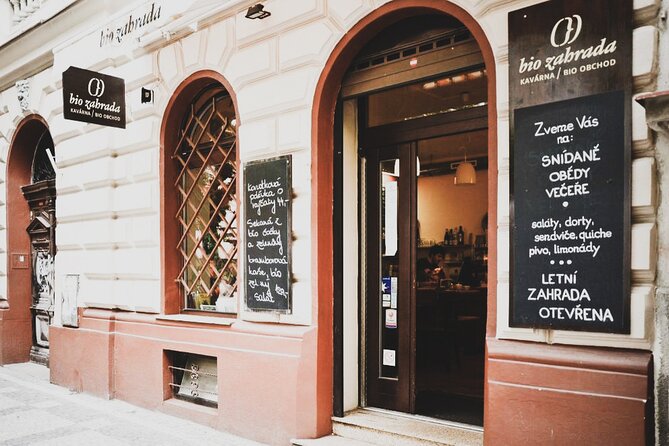
- Dob Street and Kazinczy again: food stops that don’t feel random
- Castle Garden: a quick photo stop with ritual meaning
- Private guiding with real people: what stood out in the guide experience
- Price and value: why $220 can work (or not) for your style
- Who this private tour suits best (and who might want a different plan)
- Quick practical tips before you go
- Should you book this Budapest Jewish heritage tour?
- FAQ
- How long is the private Budapest Jewish heritage tour?
- What does the tour cost, and is it private?
- Are there any entrance fees during the stops?
- Is pickup available?
- Is food included?
- What’s included besides the guide?
- What if something goes wrong the day of the tour?
Key highlights you’ll feel on the walk
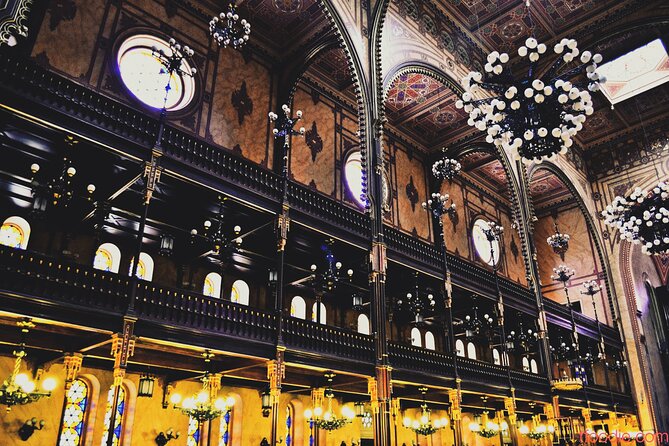
- Jewish Quarter orientation: Herzl Square, the Great Synagogue area, and a guided circuit that explains how the district shaped community life.
- Synagogues triangle time: Dohány Street, Rumbach Street, and Kazinczy Street in one compact route.
- WWII ghetto storytelling: major 1944 landmarks of the ghetto come with guide context so you’re not just looking at plaques.
- Carl Lutz Memorial stop: recognition of the Righteous Among the Nations, often linked in Hungary to the Hungarian Schindler story.
- Flódni (and more treats): a planned snack break that helps you stay energized without turning the tour into a food crawl.
Jewish Quarter in 2.5 hours: getting your bearings without feeling rushed
The smartest thing about this tour is how it treats time. At about 2 hours 30 minutes, you get enough stops to understand the geography of the Jewish Quarter and its surroundings, but not so many that you feel dragged from one end of the city to the other. You also get private guiding, so your pace stays yours—especially helpful if you want more detail at one site or you’d rather skip extra photo time elsewhere.
This also helps you avoid a common Budapest problem: walking around and realizing you’re not sure what you’re looking at. Here, the guide sets the stage early in the Seventh District area, then keeps tying each location to a bigger story. It’s not a lecture in a classroom voice—it’s more like someone giving you a clean map in conversation form.
If you’re the type who likes learning while walking, you’ll probably enjoy the rhythm: arrive at a location, get the story, then move on. The tour is designed around short time blocks (often around 10–20 minutes per stop), which keeps the day from dragging—especially if you’re combining it with other sightseeing later.
You can also read our reviews of more private tours in Budapest
Stop-by-stop: Herzl Square and the WWII 1944 context you’ll actually remember
The tour begins around the Jewish Quarter, starting at Herzl Square and the Great Synagogue area. This is a great first move because it gives you a clear anchor point. From there, you’ll walk through the district with an explanation of how Jewish culture flourished here for over 200 years, and why this area became the center of one of the most active Jewish communities in Eastern Europe.
A major reason this start works is that you don’t jump straight into names and dates. You first understand the neighborhood layout and its role in city life, then the WWII-era material lands with more weight. The tour includes major landmarks of the World War II ghetto of 1944, presented as specific places you can connect to what you’re hearing.
Practical tip for you: if you want the WWII part to stick, listen closely at the ghetto-related stops and don’t try to multitask with your phone. The guide’s job is to connect what you see with what matters historically, and that only works if you’re present for a few minutes at each key point.
The snack break that feels like part of the story: flódni at Fröhlich
Then the tour slows down for sustenance at Fröchlich Patisserie, where you’ll try flódni—the iconic modern Jewish pastry. This matters more than you might think. When a tour gives you food at the right time, you stop feeling like you’re sprinting between cultural stops. You also avoid the classic trap of skipping lunch and ending up cranky halfway through the walk.
If you’re not familiar with flódni: you’ll get it here as a planned, featured treat, not as a random bakery stop. That means you can focus on taste and the guide’s context without wondering if you picked the right place.
Dohány Street Synagogue: the big landmark moment
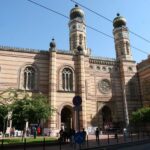
The tour’s main event is the area around Dohany Street Synagogue, described as the largest synagogue in Europe and the second largest in the world. Instead of pretending it’s a small detail, the tour gives this stop priority, and it’s timed to let you take in the scale.
One thing to know: the tour description frames this as visiting the vicinity rather than promising a long interior session. That’s actually fine. Even from outside, you’ll get the sense of the landmark’s gravity, and the guide can place it in a larger map of Jewish life and public visibility in Budapest.
If you like “main landmark first” tours, this is one of the better sequences. You see the huge anchor, then you can appreciate how the other synagogues and streets fit into the same general story.
Rumbach Street and Kazinczy Street: the synagogue triangle, plus street-level flavor
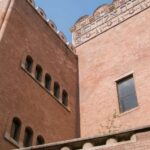
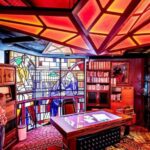
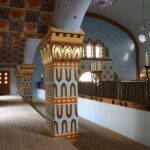
Next comes Rumbach Street Synagogue, where the focus is on the Moorish styling and the way the interior decorations can shine in the light. This stop is shorter, but it’s worth it if you like architectural cues that signal cultural identity—how a community shows itself through design choices.
Then you move toward Kazinczy Street, which the tour frames as one of the largest functioning Orthodox synagogues in Europe, built in Art Nouveau style. This is the kind of stop where the details matter. If you only take quick photos, you might miss the point: the building isn’t just a symbol; it’s still part of living religious life.
You can also read our reviews of more historical tours in Budapest


Local tips you can use that same evening
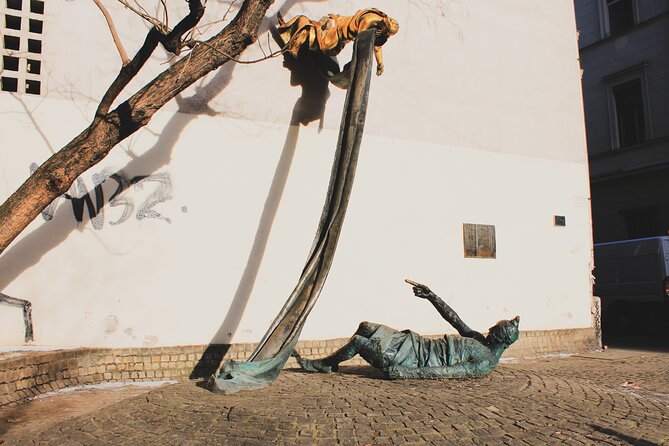
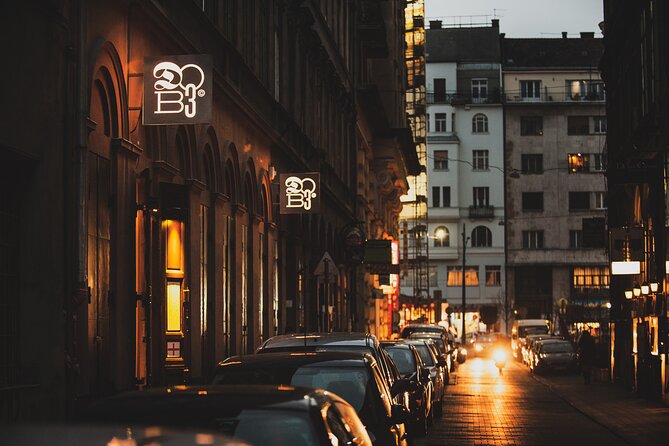
Kazinczy isn’t treated like museum-only territory. You’ll also get local tips about beer ruins and nightlife, plus notes about street art and other secrets. That’s useful because Budapest’s ruin bar scene can feel confusing if you’re searching online on the fly. Here, the guide gives you direction while you’re already in the right neighborhood.
A good way to use this: after the tour, pick one suggestion and actually go. Don’t try to hit three ruin bars in one night. You’ll end up enjoying one place more and paying less attention to crowds.
Carl Lutz Memorial: when the story turns from buildings to people
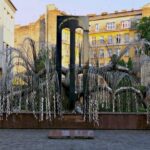
One of the stops I’d mark as emotionally important is the Carl Lutz Memorial. It’s dedicated to one of the Righteous Among the Nations of the World, also commonly connected in Hungary to the story of the Hungarian Schindler.
This is a “pause and absorb” kind of stop. The tour doesn’t treat it as a quick checkbox. It gives you time to look at the memorial and absorb what it represents, which is especially valuable when your day has already covered ghetto-era landmarks.
If you’re trying to understand WWII history in a human way, this stop adds a different angle than the ghetto sights. You’re not only seeing harm or oppression; you’re also learning about people who acted to save others.
Erzsébetváros and the former ghetto streets: the neighborhood as a living map
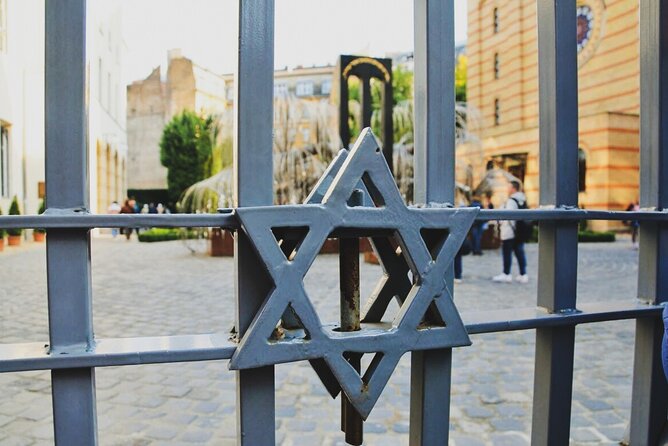
Later, the tour spends time in Erzsébetváros, often described as the historic “city within a city.” The key phrase here is former ghetto, but the tour keeps it practical: you see that this area contains many synagogues and pray houses, plus monuments tied to Jewish culture and religion.
This is also where the tour becomes a guided walk through streets rather than a list of big-ticket monuments. You’ll connect the dots between synagogues, markers of history, and the way the neighborhood still functions.
Dob Street and Kazinczy again: food stops that don’t feel random
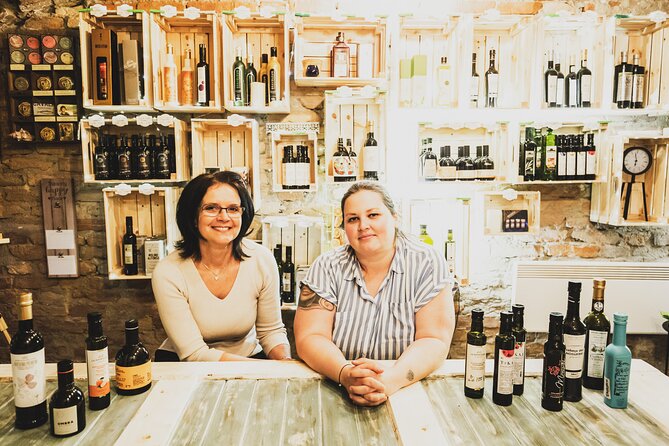
You’ll return to the area for more treats at Frőhlich Confectioner’s on Dob Street, including flódni plus other Jewish delicacies like chanukkai donut and Purim Haman’s ears. Even if you don’t try everything, knowing what’s available helps you keep your expectations realistic.
Then you’ll have another moment around Kazinczy, including the central district that used to be a buzzing Jewish market. The tour describes today’s feel as resembling a wine cellar, with mention of kosher wine. If you’re a “taste your way through a neighborhood” traveler, this is the stretch where you’ll likely enjoy the vibe the most.
Castle Garden: a quick photo stop with ritual meaning
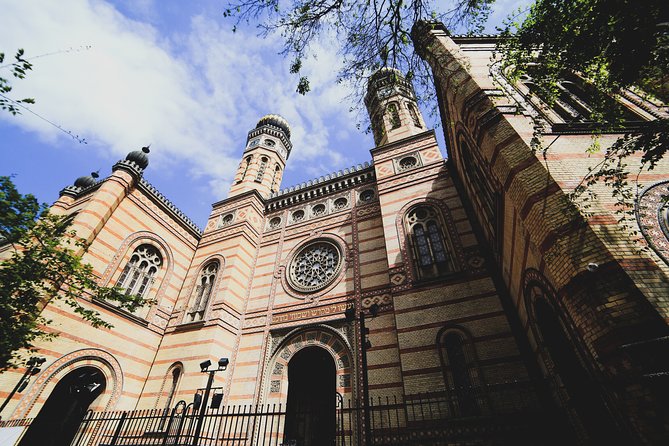
The tour includes a stop at Castle Garden, framed around the oldest traditional Jewish baths used for ritual purposes. It’s brief—around 10 minutes—so it’s not a long deep-history segment.
But it’s a nice reminder that Jewish heritage isn’t only synagogues and major memorials. It includes everyday religious practice and the structures that supported it.
Private guiding with real people: what stood out in the guide experience
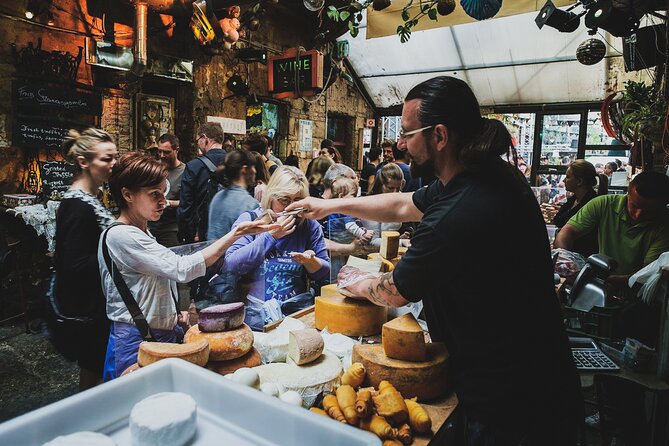
Two guide-related details are worth your attention, because they affect whether you enjoy the day.
In one positive experience, the guide Miklos was described as exceptional and on time, with clear explanations and a calm pace that didn’t feel rushed—even with limited time. That lines up with what you want from a private tour: you should leave feeling you saw what mattered, not that you got dragged through a checklist.
On the other hand, there was also an unfortunate case where the guide did not show up due to illness. In that situation, the tour was canceled and refunded. This is a rare failure mode, but it’s a real reminder to stay flexible and be ready to adjust if your day changes.
Price and value: why $220 can work (or not) for your style
At $220 per person, this isn’t a budget group tour. The value comes from three things that are built into the format:
- Private walking time: you’re not sharing your questions with strangers.
- Named stops with guide context: you get stories at WWII-related sites and major synagogue areas.
- Included extras: a notebook and souvenir pen, visual handouts, and coffee/tea, plus flódni as a planned featured tasting.
If you’re traveling with a partner or small group and you care about understanding what you’re seeing, this price can feel fair. If you’re the kind of traveler who prefers to wander independently and only pop into paid attractions, you might find it less efficient.
For me, the deciding factor would be this: do you want someone to connect the places—especially the ghetto-era parts—so it makes sense while you’re there?
Who this private tour suits best (and who might want a different plan)
This tour fits best if you:
- Want a focused Jewish heritage route with built-in food and breaks.
- Appreciate a local expert who can explain what you’re looking at instead of giving you only signage facts.
- Have moderate walking energy and like a clear 2.5-hour structure.
You might consider another option if you:
- Want a long interior tour of synagogues with extended time inside each.
- Don’t care much about WWII context and mainly want photo stops.
- Have a very tight schedule that leaves no room for delays (rare, but possible with any outdoor walking tour).
Quick practical tips before you go
Here’s how to make the day smoother with what the tour supports:
- Wear comfortable shoes. You’ll be walking through the Jewish Quarter and moving between multiple stops.
- Bring a layer. Budapest weather can shift quickly, especially when you’re outside for a couple hours.
- Eat first if you can, but don’t skip the tour snack. The flódni stop is timed to keep energy steady.
- If you’re using public transit, plan to arrive near transit points since it’s described as near public transportation.
- If you want flexibility with photos, tell the guide early so they can adjust timing without cutting the storytelling parts.
Should you book this Budapest Jewish heritage tour?
I’d book it if you want a compact, meaningful route through Budapest’s Jewish landmarks—with WWII-era context and a real guide voice in the middle of the walking. The included flódni stop at Fröhlich, the synagogue triangle sequence, and the Carl Lutz Memorial make it feel like more than sightseeing.
I’d think twice if you hate structured walking itineraries or you expect lots of long, paid-entry museum-style time inside buildings. Also, given the one guide no-show incident mentioned here, if your schedule is brittle, build in buffer time and confirm last-mile contact on the day.
If you’re open to learning while walking, you’ll come away with a clearer sense of Budapest’s Jewish Quarter—where it is, what happened there, and why those streets still matter.
FAQ
How long is the private Budapest Jewish heritage tour?
The tour runs about 2 hours 30 minutes.
What does the tour cost, and is it private?
It costs $220 per person, and it’s a private walking tour for your group only.
Are there any entrance fees during the stops?
The tour information lists admission ticket free for the stops, and it notes that entrance tickets are not included—so you should expect no paid admission tied to the tour’s stated stops, but always follow your guide’s instructions on-site.
Is pickup available?
Yes, pickup is offered.
Is food included?
Yes, you’ll get a planned tasting of flódni at Fröchlich Patisserie, and the tour mentions other Jewish delicacies at Frőhlich Confectioner’s. Other food and drinks beyond what’s specified are not included.
What’s included besides the guide?
The tour includes a notebook and souvenir pen, visual handouts, and coffee and/or tea, plus all fees and taxes. It also mentions a mobile ticket and multiple start times.
What if something goes wrong the day of the tour?
The tour notes that free cancellation is available up to 24 hours in advance for a full refund, and the experience data includes an example of a canceled tour with a refund when the guide could not perform.