REVIEW · SEOUL
Seoul: Deoksugung Palace Heritage Walking Tour
Book on GetYourGuide →Operated by S.A. Seoul · Bookable on GetYourGuide
A great Seoul walk needs story and pacing. This one links Deoksugung Palace with the foreign footprint on Jeongdong-gil, and it keeps moving with an English-speaking guide who explains what you’re seeing as you go. I also like that the tour includes pre-booked tickets for the main sites, so you spend less time sorting out admissions and more time learning.
You’ll cover a lot on foot in just 3 hours, so the biggest drawback is simple: plan for walking. If you’re nursing sore feet, you’ll feel every transfer and stop.
In This Review
- Key things to know before you go
- Deoksugung Palace: late Joseon power, with a Western twist
- Jeongdong-gil and the government corridor: where diplomacy leaves footprints
- Donuimun Museum Village: Seoul street life you can picture
- Gwanghwamun Square: monuments with meaning, not just photos
- Cheonggyecheon: a former ditch turned into a calm walking reward
- Price and time: why $56 feels fair for a 3-hour guided heritage walk
- Who should book this Deoksugung Palace heritage tour
- Should you book this Seoul heritage walking tour?
- FAQ
- How long is the Seoul Deoksugung Palace Heritage Walking Tour?
- Where do I meet the guide?
- What’s included in the price?
- Is food or drinks included?
- Is transportation included?
- Is this tour mostly walking?
- Can I book a private group instead of a group tour?
- What languages are the guides available in?
- What if the tour gets canceled due to too few travelers?
- Is there free cancellation or pay-later booking?
Key things to know before you go
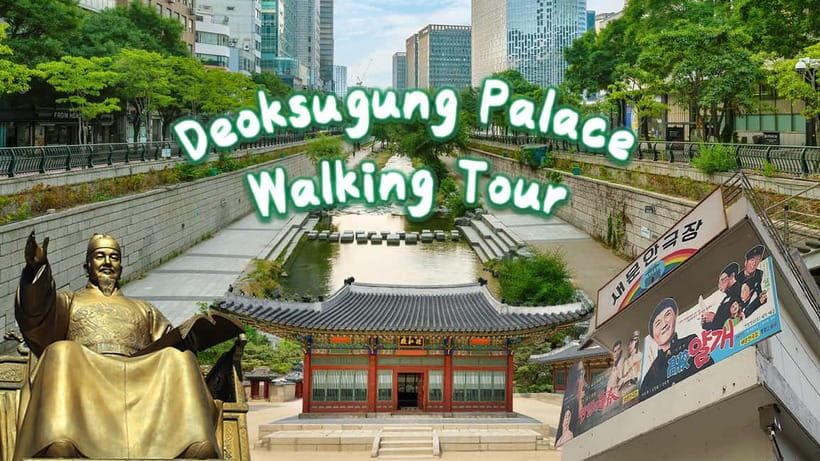
- Deoksugung Palace plus Donuimun Village tickets are handled for you
- Jeongdong-gil shows how missions and embassies shaped modern Korea’s direction
- Gwanghwamun Square ties monuments to Korea’s changing identity
- Cheonggyecheon turns a former drainage ditch into a relaxed, scenic break
- English-speaking historical guides, with private group availability
- Comfortable shoes matter, because this is a true walking tour
Deoksugung Palace: late Joseon power, with a Western twist
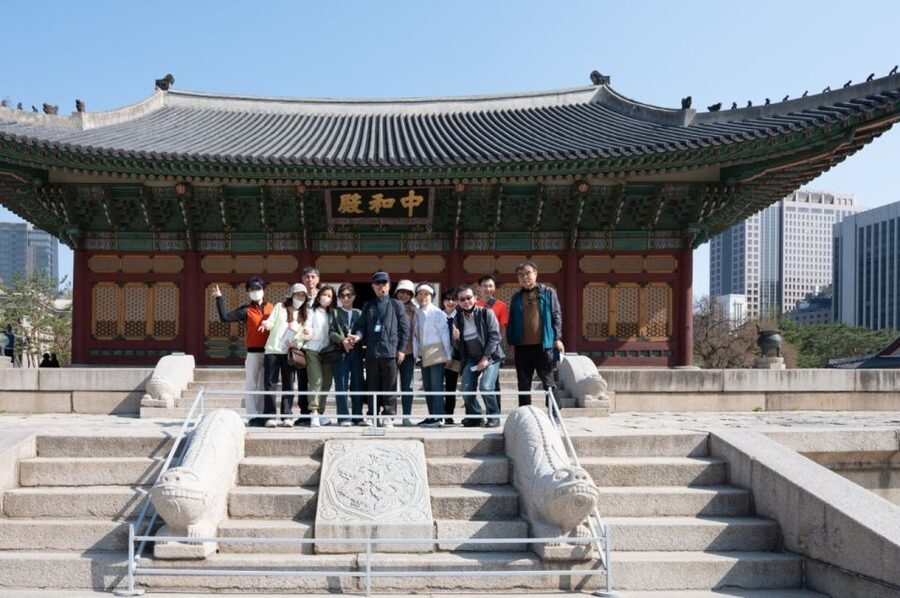
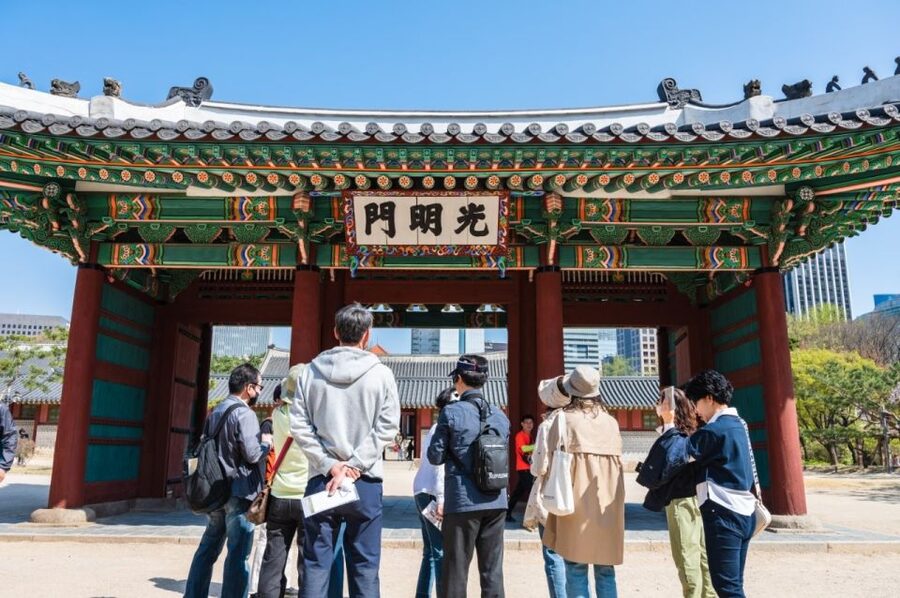
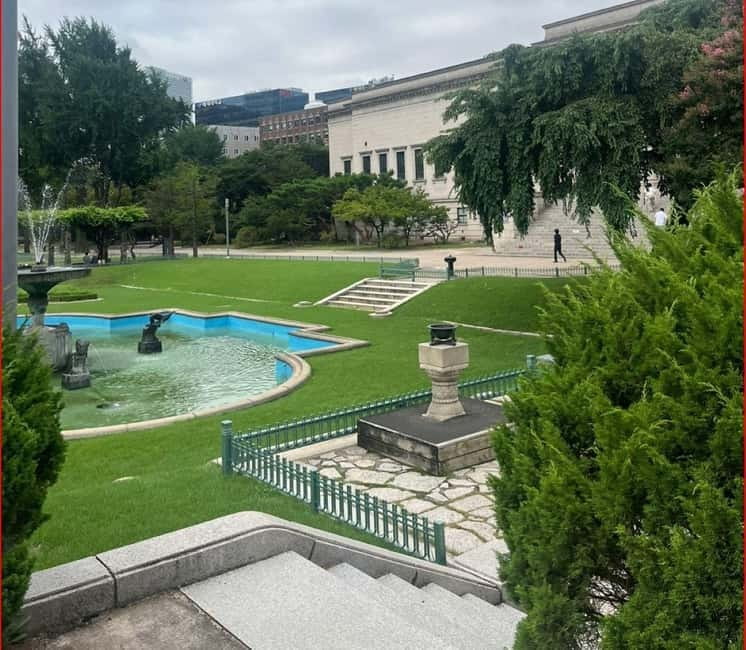
Deoksugung Palace is a strong start point because it’s compact enough to feel manageable, but layered enough to keep your attention. You’re looking at a royal residence from the late 14th century era that later became a principal palace during the Japanese invasion of 1592. That shift in function matters, because it frames the site as something constantly responding to political pressure rather than just a static “old building.”
One reason I like this stop is the mix your guide points out between Korean elements and Western influences. You don’t need to be a history buff to catch the theme: Seoul’s past wasn’t sealed off. It was changing, and Deoksugung becomes a stage where those changes show up in what people built, used, and remembered.
The pace here is also smart. You get guided time to see the palace and learn the context behind the rooms and symbols, then you move on before it turns into a slow shuffle. The tour includes entrance, so you don’t have to pause your day to figure out tickets at the gate.
If you’re going on a bright day, bring water and take shade breaks when you can. Deoksugung is meaningful, but it’s still outdoors-based sightseeing, and you’ll want energy for the next street walk.
You can also read our reviews of more walking tours in Seoul
Jeongdong-gil and the government corridor: where diplomacy leaves footprints
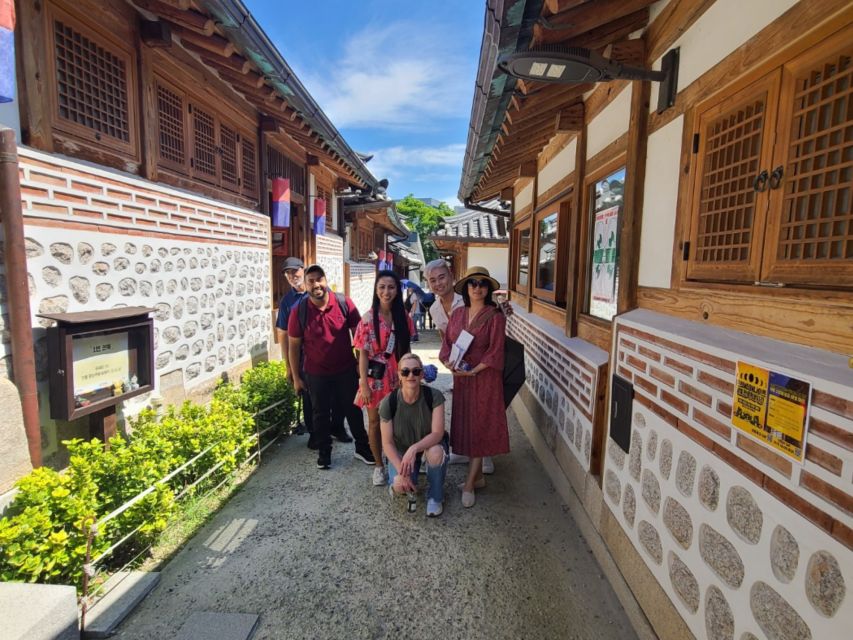
The jump from palace grounds to Jeongdong-gil is where the tour gets really interesting for anyone curious about how Korea opened to the world. Jeongdong-gil is described as the original location of significant foreign missionary institutions, along with prominent foreign embassies. That combination is a big deal, because missions and embassies often bring both ideas and logistics—new people, new institutions, and new ways of seeing.
Your guide doesn’t just say foreign presence happened. You pass specific named points that act like anchors for the story, including Paichai Academy, Chungdong First Methodist Church, the Russian Embassy, and Gyeonggyojang. Those names give you something concrete to remember later, which is the difference between a vague history lesson and one you can actually place on a map.
Another highlight is the concept of Korea’s government corridor. The tour explains the stories behind famous monuments you see along the way, tied to pivotal moments in Korea’s journey and the values Koreans carry forward. Even if you don’t know the names of every statue, the guide’s framing helps you read the space—why it’s arranged the way it is, and what it’s meant to communicate.
This is also one of those sections where your guide’s talent matters. One guide name that comes up is Mitch, and he’s praised for being very well prepared and able to answer questions beyond the sights—like how work and school culture fit into the bigger picture. If you like interactive history, this is the part where your questions will land.
Donuimun Museum Village: Seoul street life you can picture
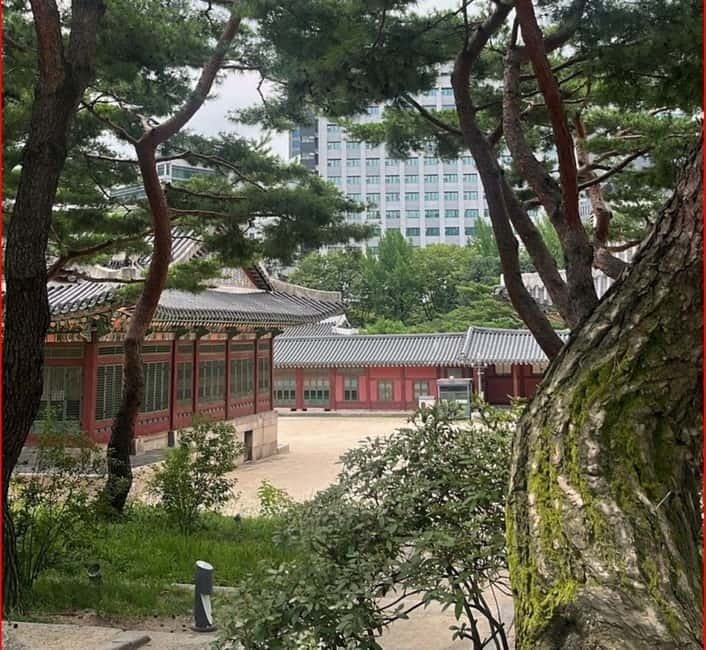
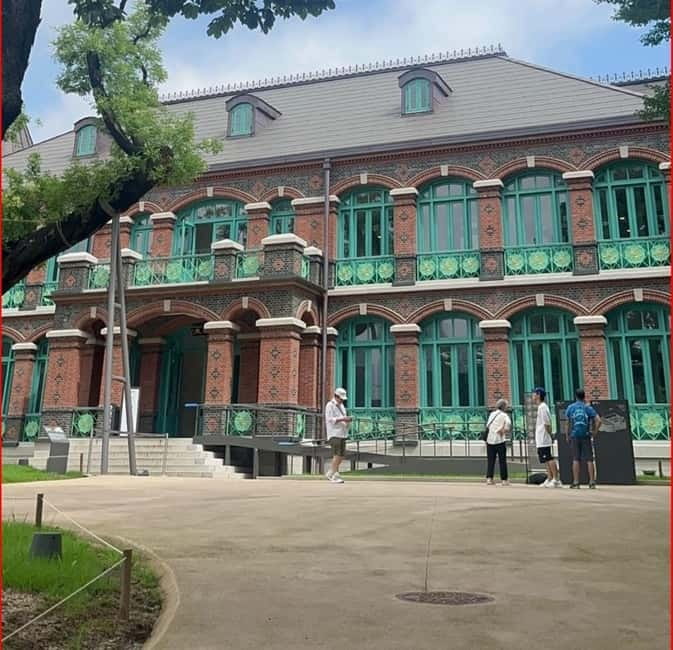
After you’ve traced the “big story” sites, Donuimun Museum Village gives you something more human-scale. It’s an outdoor village that showcases Seoul architecture, with houses from the 1900s through the 1980s. That time span is helpful because it lets you compare styles across decades without needing separate museum tickets and time sinks.
The village was founded in September 2017, and it preserves 40 of the original 63 houses in the historic district of Saemunan. That detail matters, because you’re not just wandering through replicas. You’re seeing preserved structures selected to keep the district’s look and feel alive.
Your guided time here is short but focused. You’ll look at the preserved homes and get context for what you’re seeing, which is ideal if you’re sightseeing on a packed day. The value is that you can connect architecture to daily life—how people might have cooked, stored items, or arranged space—without needing the guide to invent extra details that aren’t there.
The only practical catch is that outdoor village walking can feel longer than it looks on paper. If it’s warm or windy, dress for comfort. And yes, those comfortable shoes will earn their keep again.
Gwanghwamun Square: monuments with meaning, not just photos
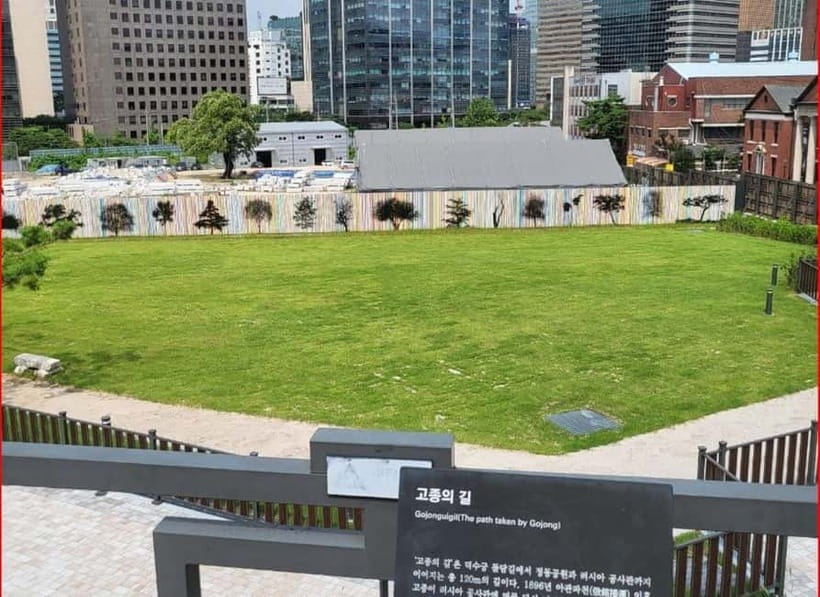
From Donuimun Museum Village, you head toward Gwanghwamun Square, one of Seoul’s central hubs. This is where the tour leans into the “why” behind the city’s famous monuments. You stand in the square and learn the stories behind grand statues and monuments, including how each represents pivotal moments in Korea’s journey and reflects cherished cultural values.
If you’ve ever felt like taking photos at landmark squares can turn into a checklist, this stop fixes that. The guide helps you look at what the monuments symbolize, so you’re not just snapping and moving. Instead, you start understanding what the square is trying to communicate about national progress and identity.
This segment also works well as a mental reset. After a more narrative section (palace plus street history) and a more visual one (architecture village), Gwanghwamun brings the story back into the realm of public memory. It’s a good place to ask questions, too, because the themes are big and the guide can connect them back to what you saw earlier.
Cheonggyecheon: a former ditch turned into a calm walking reward
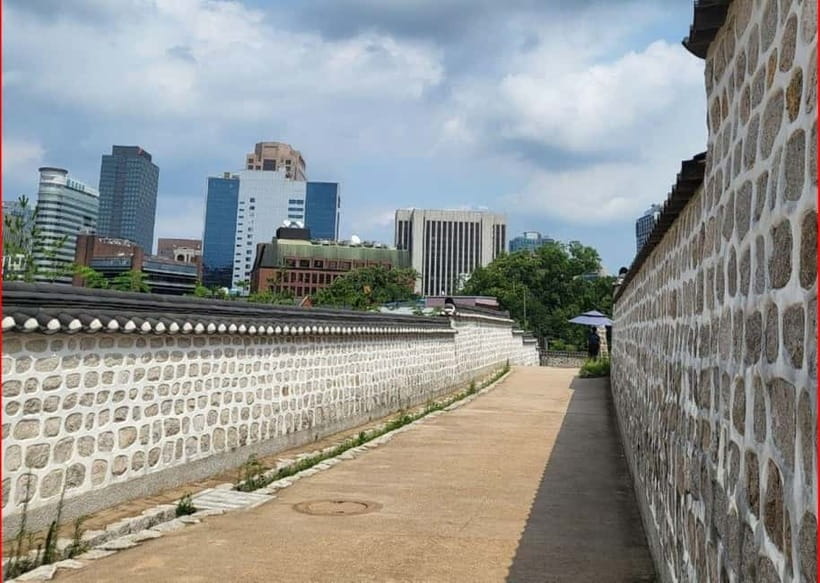
By the time you reach Cheonggyecheon, you’ve earned your walking break. The stream was once an unsightly drainage ditch, and it’s been renovated into a major cultural focus of Seoul. That transformation is a great example of how cities re-use space—turning something people tried to ignore into a place people choose to visit.
You walk along a lined route that includes sculpture pieces, plus restaurants and cafés. The guide also points out that festivals happen at various times of the year, so even though you’re on a short visit, the place has energy beyond daily routines.
What I like here is how the tour doesn’t force you to stay “in museum mode” until the end. Cheonggyecheon gives you space to look around, snack if you brought something or buy on your own (food and drinks aren’t included), and decompress before your finish near Cheonggyecheon-ro in Jongno-gu.
If you’re the kind of traveler who likes to end on something pleasant rather than ending on another hard-to-read historical site, you’ll probably appreciate the structure of the day.
You can also read our reviews of more historical tours in Seoul


Price and time: why $56 feels fair for a 3-hour guided heritage walk
At $56 per person for a 3-hour experience, the value comes from what’s included and how it reduces friction for you. The tour includes an English-speaking historical guide plus entrance ticket(s), and it also comes with pre-booked tickets for Deoksugung Palace and Donuimun Museum Village. That combination is practical: you’re paying for both the guide’s storytelling and the time saved from managing admissions yourself.
Transportation and food aren’t included, which is normal for a walking-style tour. You’ll want to budget for water and any snacks you decide to grab during the café break or after the tour ends.
Group size can shape the vibe. You can choose a private group experience or a more vibrant group adventure, which means you can match the tour style to your comfort level. If you like asking lots of questions and moving at a pace that fits your brain, private can feel especially worth it.
One more timing note: the tour has a minimum traveler requirement. If it doesn’t meet that threshold, you should expect an email offering an alternative date or a full refund.
Who should book this Deoksugung Palace heritage tour
I’d send you on this tour if you want a Seoul history walk that connects palace politics, foreign presence, and modern public spaces in one smooth loop. It’s also a good pick if you like named stops and specifics, because you’ll pass recognizable points like Paichai Academy and the Russian Embassy, not just general “this is old Seoul” talk.
It’s especially suitable for travelers who enjoy a guide who can answer questions beyond the obvious. Mitch, specifically, gets strong praise for being prepared and helpful with both site details and broader culture topics like working culture and the school system in Korea.
You might skip it if you hate walking tours or you’re sensitive to time pressure. With multiple stops and continuous walking, the tour is best for people who can comfortably cover the route and stay engaged for about three hours.
Should you book this Seoul heritage walking tour?
Book it if you want an efficient, guided way to understand Deoksugung Palace and the surrounding areas, without losing your day to ticket lines or guessing how to connect the dots. The mix of palace storytelling, Jeongdong-gil’s mission-and-embassy thread, and an architectural village stop gives you variety in a single morning or afternoon.
Don’t book it if you need a slower pace, or if your footwear situation is questionable. Bring comfortable shoes, expect walking, and plan to be off your phone long enough to actually look at the monuments and the street details—because that’s where the tour earns its value.
FAQ
How long is the Seoul Deoksugung Palace Heritage Walking Tour?
It’s a 3-hour walking tour.
Where do I meet the guide?
Meet in front of the Deoksugung Palace Ticket office, Exit 2 of City Hall Station.
What’s included in the price?
You get an English-speaking historical guide and entrance ticket(s), with pre-booked tickets to Deoksugung Palace and Donuimun Museum Village.
Is food or drinks included?
No. Food and drinks are not included.
Is transportation included?
No. Transportation is not included.
Is this tour mostly walking?
Yes. It is a walking tour, so comfortable shoes are recommended.
Can I book a private group instead of a group tour?
Yes. Private group options are available.
What languages are the guides available in?
The guide is available in English and Korean.
What if the tour gets canceled due to too few travelers?
If it’s canceled for not meeting the minimum traveler requirement, you’ll receive an email one day before departure with an alternative date or a full refund.
Is there free cancellation or pay-later booking?
There is free cancellation up to 24 hours in advance for a full refund, and you can reserve now and pay later.