REVIEW · KATHMANDU
UNESCO World Heritage Sightseeing Tour in Kathmandu – 5 Days
Book on Viator →Operated by Best Heritage Tours · Bookable on Viator
Kathmandu rewards patience. This 5-day trip stacks UNESCO World Heritage sights with real Kathmandu temple life, then tops it off with Nagarkot sunrise views.
What I like most is how much you pack into a tight schedule without feeling lost. You get airport help on arrival, private car time for long hops, and a guide who ties the sites together so they make sense as a whole.
One thing to plan for: you’re moving all day. Some stops involve stairs and serious walking, and long road time can be tiring, especially on days with more than two major sites.
In This Review
- Key highlights worth planning around
- Price and what you’re really buying
- How the tour flows across Kathmandu Valley (without the chaos)
- Day 1: Airport welcome and settling into Kathmandu
- Day 2: Durbar Square, Kumari Ghar, Pashupatinath, Boudhanath, Swayambhu
- Kathmandu Durbar Square and Kumari Ghar
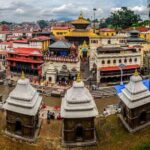
- Pashupatinath: a temple complex on a big scale
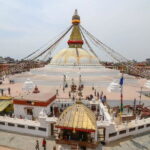
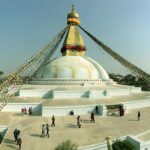
- Boudhanath: the stupa dome and the prayer wheel line
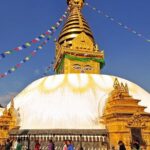
- Swayambhunath (Monkey Temple): stairs, shrines, and that Kathmandu view
- Day 3: Patan Durbar Square, Dakshinkali Temple, Chobar, then Nagarkot night
- Patan Durbar Square: three courtyards and Krishna Mandir
- Dakshinkali Temple: a myth and a living ritual site
- Chobar: caves and Bagmati Valley views in the edge-of-town vibe
- Nagarkot: overnight in the view town
- Day 4: Nagarkot sunrise views, then Changu Narayan and Bhaktapur Durbar Square
- Morning in Nagarkot (2,100m): peaks on a clear day
- Changu Narayan Temple: old carvings and careful detail
- Bhaktapur Durbar Square: Newari craftsmanship you can walk through
- Day 5: airport transfer and the last look back
- What the guides and drivers add (and why reviews keep praising them)
- Who this tour fits best (and who might want a different option)
- Should you book UNESCO World Heritage Sightseeing Tour in Kathmandu?
- FAQ
- How long is the Kathmandu UNESCO World Heritage tour?
- How much does the tour cost?
- Is airport pickup included?
- Where does the tour start?
- What’s included in the price?
- Are entrance tickets included for all stops?
- What UNESCO sites does the tour include?
- What is the Nagarkot part of the tour for?
- Is this a private tour?
- What is the cancellation policy?
- What are the operating hours for the tour?
Key highlights worth planning around
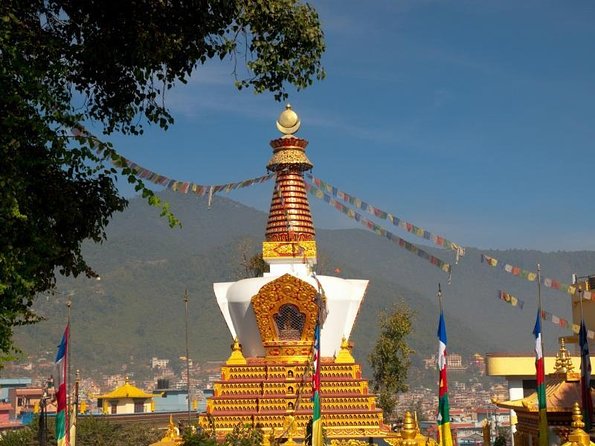
- All 7 UNESCO sites in the Kathmandu Valley covered across Kathmandu, Patan, and Bhaktapur
- Nagarkot (2,100m) morning views with major Himalayan peaks on the horizon
- Spiritual contrast: Hindu temples, Buddhist stupas, and the Dakshinkali religious site
- Living Goddess spot at Kumari Ghar and Kumari Chowk in Kathmandu
- Pashupatinath temple complex scale plus Boudhanath prayer wheels
- Private transport for the big drives, so you’re not wrestling public transit
Price and what you’re really buying
At $499 per person for about 5 days, you’re not just paying for tickets. You’re paying for coordination: airport pickup, private transport, a named tour guide, multi-night lodging, and a bundle of meals.
The value gets clearer when you match the total cost against what typically costs extra on your own: guided time, entry logistics, and private vehicle hours in and out of Kathmandu traffic. You also get 4 nights of accommodation split between 3 nights in Kathmandu and 1 night in Nagarkot, plus breakfast included for all 4 mornings.
Still, check the fine print on admission fees. The tour description says guided city tour entrance fees are included, but some individual stops list tickets as not included. That’s not unusual with UNESCO sites, where rules can vary by site and timing. I’d confirm which entrances are covered for your exact dates.
You can also read our reviews of more historical tours in Kathmandu
How the tour flows across Kathmandu Valley (without the chaos)
This tour is built around three rhythms:
First, you start with the city’s power centers: Durbar Squares, major temples, and the big stupa circuit. Day 2 and Day 3 keep you close to the UNESCO core areas, with private vehicle rides between them.
Second, you add a view day. Nagarkot is the breather, but it’s also the one day where timing matters most. Getting up early is the difference between gray skies and that big Himalayan panorama.
Third, you finish with two more UNESCO stops that feel different from the first half: Changu Narayan’s detailed carvings and Bhaktapur Durbar Square’s Newari architecture and temple squares.
If you like structured days with a clear route, you’ll probably enjoy how this runs. If you hate early mornings and full schedules, you might find it a bit intense.
Day 1: Airport welcome and settling into Kathmandu
Your experience starts at Tribhuvan International Airport. You’ll be met by a representative holding a sign, then escorted to your hotel by private vehicle. You’ll also get a floral garland, which is a small thing that helps you feel oriented fast.
This kind of arrival support matters in Kathmandu. Even when you’re comfortable traveling, it’s nice to get your bearings fast instead of figuring out the first ride, the first cash exchange, and the first route in traffic.
Your first day is light and practical: you’re here to land, sleep, and be ready for temples and walking the next morning.
Day 2: Durbar Square, Kumari Ghar, Pashupatinath, Boudhanath, Swayambhu
Day 2 is the heavyweight “temples + UNESCO circuit” day. It’s long, but it’s also the day where Kathmandu stops feeling like a city and starts feeling like a living spiritual map.
Kathmandu Durbar Square and Kumari Ghar
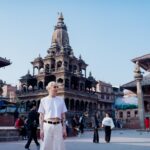
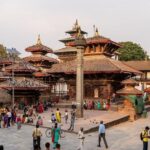
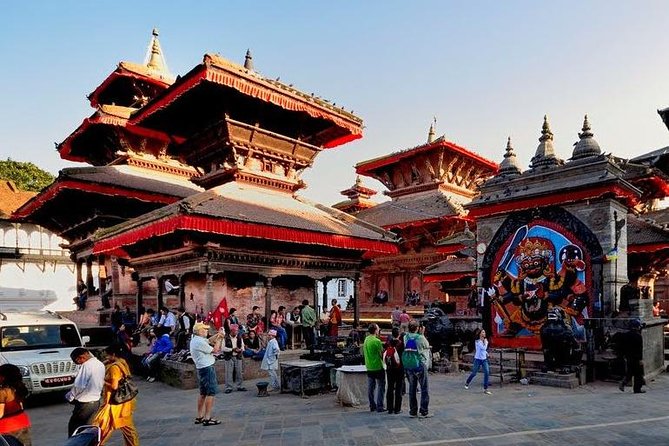
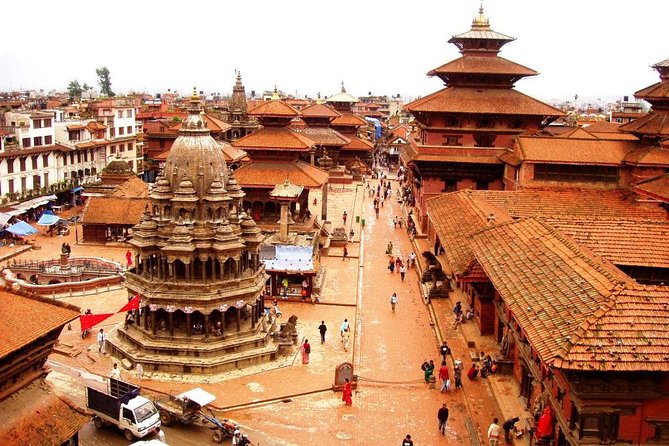
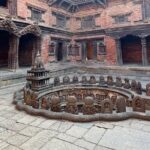
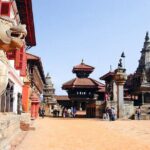
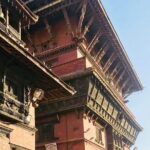
You begin at Kathmandu Durbar Square. This is where you see old royal-era architecture and the spiritual landmarks that still shape daily life. You also get time around Kumari Ghar (the residence of Nepal’s living Goddess) and Kumari Chowk, including the courtyard area linked to this tradition.
For me, the value here is contrast. You’re not only looking at carved stone. You’re seeing how belief and community function side-by-side.
Watch your energy. Durbar Square is atmospheric, but it can also mean crowds, uneven ground, and lots of short stops that stack up.

Pashupatinath: a temple complex on a big scale
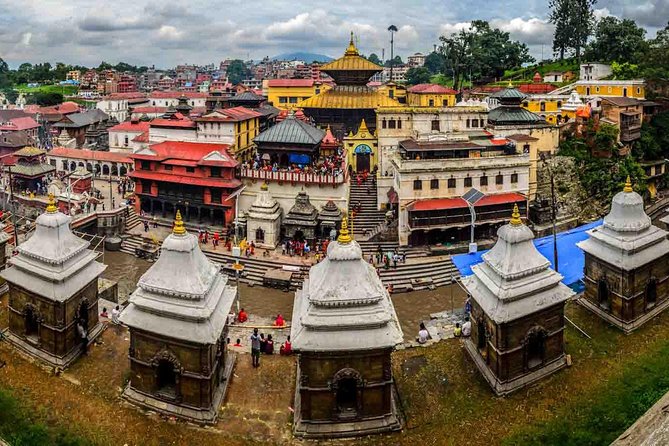
Next up is Pashupatinath Temple, originally built in the 5th century and later renovated by the Malla kings. The numbers are impressive: the grounds include over 500 temples.
Pashupatinath is also where you’ll see the “Kathmandu Valley isn’t one religion, it’s many ways of worship” reality. The complex feels vast, and you’ll need time to slow down and take it in.
You’ll also pass through the Boudhanath and Swayambhunath circuit areas in this day’s flow, which creates a strong Hindu-Buddhist rhythm.
Boudhanath: the stupa dome and the prayer wheel line
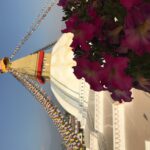
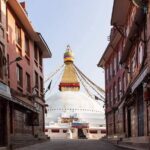
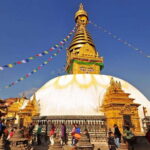
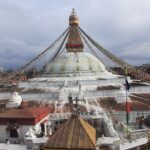
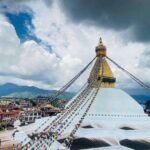
Boudhanath is one of Nepal’s major Buddhist pilgrimage sites. The dome-shaped structure is a visual anchor, covered with prayer flags. The prayer wheels lined around the stupa are also a major draw, with visitors spinning them as part of practice.
If you’ve never had a Buddhist pilgrimage site as a full stop (not just a photo spot), you’ll likely appreciate this as a real place people return to, not a staged attraction.
Swayambhunath (Monkey Temple): stairs, shrines, and that Kathmandu view
You then reach Swayambhunath, often called the Monkey Temple. It’s famous for monkeys and for the 365 steps you climb to reach the stupa. Along the stairway, you’ll find small shrines, so it’s not one long climb with nothing to see.
At the top, you’ll see prayer wheels and a Buddha statue described as the largest in Nepal. Expect the place to feel busy and alive.
Practical note: if stairs are an issue for you, this stop can be a challenge. Even if you’re fine walking, it’s the kind of climb that builds up fatigue for the rest of the day.
Day 3: Patan Durbar Square, Dakshinkali Temple, Chobar, then Nagarkot night
Day 3 starts with Patan, then shifts into a darker, more ritual side of Nepal. After that, you move toward the mountains and spend the night in Nagarkot.
Patan Durbar Square: three courtyards and Krishna Mandir
Patan Durbar Square served as a royal palace area for the Malla kings. The layout stands out because there are three courtyards: Sundari Chowk, Mul Chowk, and Keshav Narayan Chowk.
You’ll also have a look at Krishna Mandir, noted for its Shikhara architectural style. This is the kind of detail stop where a good guide helps you see what to look for—how form and symbols connect.
Dakshinkali Temple: a myth and a living ritual site
After Patan, the tour goes to Dakshinkali Temple, a major Hindu mythology site. Here, animal sacrifices—primarily goats and chickens—are part of practice.
This is the one stop I’d flag the most for emotional comfort. If you prefer religious sites that don’t include animal sacrifice, this might feel heavy. Even if you’re curious about culture, it’s okay to be candid about your limits.
Chobar: caves and Bagmati Valley views in the edge-of-town vibe
You’ll then go to Chobar, described as an ancient village at the periphery of the Kathmandu Valley. The area is known for caves and for scenery connected to the Bagmati Valley.
The tone changes here. It’s less about monumental UNESCO architecture and more about the surrounding geography and older village texture.
Nagarkot: overnight in the view town
The day ends with Nagarkot, famous for sunrise and mountain panoramas. You’ll sleep here so you can get up early the next day.
Day 4: Nagarkot sunrise views, then Changu Narayan and Bhaktapur Durbar Square
Day 4 is split between mountain drama and temple-city detail.
Morning in Nagarkot (2,100m): peaks on a clear day
Nagarkot sits at about 2,100 meters. The pitch here is sunrise visibility and wide views of famous peaks, including Everest (8,848m), Dorje Lhakpa (6,966m), Langtang (7,234m), Ganesh Himal (7,422m), Gauri Shankar (7,134m), and Rolwaling (7,181m).
Reality check: clouds happen. But even if you don’t catch a perfect view, you’ll still get the mountain-town atmosphere that makes Nagarkot worth the overnight.
Changu Narayan Temple: old carvings and careful detail
After sunrise time, you return toward Kathmandu with a stop at Changu Narayan Temple, a UNESCO site. This temple is described as one of the oldest in Nepal and known for intricate carvings.
This is where the tour pays off if you like slow-looking. The carvings reward time, and a guide can help you connect motifs to the temple’s importance.
Bhaktapur Durbar Square: Newari craftsmanship you can walk through
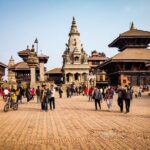
You finish the UNESCO portion of the day at Bhaktapur Durbar Square. This UNESCO stop is home to significant temples, courtyards, and elaborately carved gates, with a special focus on Newari architectural artistry.
Bhaktapur often feels less rushed than some central Kathmandu areas, and the square works as a cultural hub where you can watch daily life orbit around heritage.
Then you head back to Kathmandu to close out the tour.
Day 5: airport transfer and the last look back
On your final day, you’ll be picked up from your hotel and transferred to Tribhuvan International Airport. This is simple and stress-reducing, which is exactly what you want after several active days.
You’re left with a good “map in your head” of the valley: royal squares, stupa circles, and temple complexes, plus one night that focused on the horizon.
What the guides and drivers add (and why reviews keep praising them)
The biggest repeat theme in the operator’s reputation is human service. In the reviews you provided, guide staff names like Bimal show up repeatedly, and the tone is consistent: friendly, professional, and tuned to making the day run smoothly.
You’ll also benefit from practical flexibility. Reviews mention that age, physical limitations, and allergies were taken into account, and that drivers were helpful with requests. That matters because temples and crowds move fast, and the best plan is the one that adapts without drama.
If you want a tour where someone explains what you’re seeing instead of just moving you along, this style fits.
Who this tour fits best (and who might want a different option)
This tour is a strong match if you:
- Want a guided UNESCO sweep without spending your days figuring out routes
- Enjoy spiritual sites across Hindu and Buddhist traditions
- Prefer private transport so your schedule stays intact
- Can handle stairs and a full daily pace
- Appreciate early mornings for sunrise
You might consider a lighter alternative if you:
- Have limited mobility for stairs (Swayambhunath’s 365 steps are a real factor)
- Don’t want to be near animal sacrifice rituals at Dakshinkali
- Get tired from lots of driving time and back-to-back major sites
Should you book UNESCO World Heritage Sightseeing Tour in Kathmandu?
I’d book it if your priority is structure: seeing the major Kathmandu Valley UNESCO sites plus Nagarkot’s mountain views, with private transport and a guide who helps you connect the dots.
I’d pause and ask questions before booking if you’re sensitive to the Dakshinkali animal sacrifice component or if stairs are a concern for your group. Also confirm which specific entrance fees are covered for your dates, since some sites are marked as not included in the stop notes.
If you’re the kind of traveler who likes a clear plan, a good guide, and turning Kathmandu into a walkable story, this one is a solid value.
FAQ
How long is the Kathmandu UNESCO World Heritage tour?
It runs for 5 days (about 5 days).
How much does the tour cost?
The price is $499.00 per person.
Is airport pickup included?
Yes. You get free round-trip transfers between Tribhuvan International Airport and your hotel, with pickup on arrival and transfer to the airport at the end.
Where does the tour start?
The start point is Tribhuvan International Airport, Kathmandu, Nepal.
What’s included in the price?
Included items are dinner, 4 nights accommodation (3 in Kathmandu and 1 in Nagarkot), breakfasts (4), guided Kathmandu city tour with private transport and entrance fees, all transportation during the tour, an official tour guide, and a farewell dinner in Kathmandu.
Are entrance tickets included for all stops?
The tour includes entrance fees for the guided Kathmandu city tour, but some stops are listed as admission ticket not included. You should confirm which specific entrances are covered for your travel dates.
What UNESCO sites does the tour include?
The tour includes all seven UNESCO World Heritage Sites in the Kathmandu Valley, including Kathmandu Durbar Square, Patan Durbar Square, Bhaktapur Durbar Square, Swayambhunath, Boudhanath, Pashupatinath, and Changu Narayan.
What is the Nagarkot part of the tour for?
Nagarkot is for Himalayan sunrise views. You stay the night there so you can rise early.
Is this a private tour?
Yes. It’s private—only your group participates.
What is the cancellation policy?
Cancellation is free if you cancel up to 24 hours in advance for a full refund. If you cancel less than 24 hours before the start time, the amount paid is not refunded.
What are the operating hours for the tour?
Hours listed are Monday to Sunday, 6:00 AM to 5:00 PM (local time).