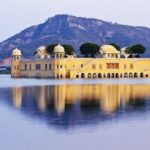
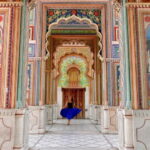
Step into Amer’s mix of temples and fort walls. This Amer Heritage Walk gives you a guided, time-tight way to see why this part of Jaipur matters—starting with Amber Palace (UNESCO) and then shifting to quieter spiritual stops and an old stepwell. It’s built for people who want meaningful sights without spending the whole day in the heat.
I especially like how the pace stays human: about 3 to 4 hours with a small group size, so you’re not stuck listening to one voice from the back of a crowd. And I also like the guide focus you can feel in the stops—people have shared that guides such as Carlos, Raj, and Rajesh explain clearly, answer questions patiently, and even help with photos when you want them.
One thing to consider before you go: Amber Palace admission isn’t included, so you’ll need to budget for the fort ticket on top of the tour price. Also, expect some walking and temple steps, so moderate physical fitness helps.
In This Review
- Key things to know before you go
- Price and value: how $14.08 makes sense (and where extra costs appear)
- Meet at Amer: a simple plan that ends where you started
- Amber Palace (UNESCO): make the most of the guided hour
- Practical tip for the fort hour
- Jagat Shiromani Ji Temple: Krishna and Meera in a short, art-focused stop
- A small etiquette reminder
- Panna Meena ka Kund: the stepwell that solved a real problem
- What to watch for
- Ambikeshwar Temple and Narsingh Haveli: the Amer side streets you’ll appreciate
- Guide quality: small group size and real language help
- If you care about photos
- Timing and weather: plan for a flexible afternoon
- What to wear and bring for comfortable temple-and-fort walking
- Should you book the Amer Heritage Walk?
- FAQ
- FAQ
- How long is the Amer Heritage Walk?
- What is the meeting point for the tour?
- Is Amber Palace admission included in the tour price?
- Are the other stops free to enter?
- What are the main stops on the walk?
- Do I need to bring a printed ticket?
- What fitness level do I need?
- What happens if weather is bad?
- Can I get a full refund if I cancel?
Key things to know before you go
- UNESCO Amber Palace in one guided hour so you get the big picture fast
- Two free stops: Jagat Shiromani Ji Temple and Panna Meena ka Kund
- A small group (max 10) that makes questions and photos easier
- Mobile ticket means less fuss the day-of
- Good weather matters because the experience may be rescheduled if conditions are poor
Price and value: how $14.08 makes sense (and where extra costs appear)
At $14.08 per person, this Amer Heritage Walk is priced for affordability—especially because part of the value comes from what you don’t pay extra for once you’re there. According to the tour details, the walk includes guided time at Amber Palace (with a 1-hour visit), but the fort admission ticket is not included.
That matters because Amber Palace is the pricey, ticketed anchor. The good news is that the other key stops are admission free: Jagat Shiromani Ji Temple and Panna Meena ka Kund. So your money mostly buys the guided flow, timing, and local context—while you pay only for the one major ticketed sight.
In plain terms: if you’re the type who hates feeling rushed, this format helps. If you’re the type who just wants to wander alone, you might feel you could do some of it independently. But for most first-time Amer visits, the guidance saves you from missing the point of what you’re seeing.
You can also read our reviews of more walking tours in Jaipur



Meet at Amer: a simple plan that ends where you started
The tour starts in Amer, Jaipur and ends back at the same meeting point. That loop is more convenient than it sounds. You don’t have to figure out transport timing at the end of the walk, and you’re not left scrambling to get back from one side of Amer to the other.
The time window is listed as 3 to 4 hours (approx.), with the main stops designed to keep you moving. You’ll get:
- a longer fort segment (about 1 hour)
- a short, focused temple stop (about 20 minutes)
- a quick look at the stepwell (about 15 minutes)
The overall structure fits people who want a meaningful route without exhausting their whole afternoon.
Amber Palace (UNESCO): make the most of the guided hour
Amber Palace is a UNESCO world heritage site, and the tour schedules about 1 hour for a guided visit. That’s a smart amount of time because Amber Palace can eat your day if you let it. With a guide, you get to understand what you’re looking at—then you can spend your remaining time making photos, walking a little more, or simply absorbing the scale.
The tour info also clearly states admission ticket not included. So I recommend you treat this as a two-budget situation:
1) tour price (what you’re paying for the guide and timed visit)
2) fort entry (what you pay separately)
You’ll likely find that the guided context helps your photos too. Instead of random corners and walls, you start noticing why certain spaces matter—what the palace represents, and how it fits into Amer’s role in Jaipur’s past.
Practical tip for the fort hour
Wear shoes that handle uneven stone and take your time at thresholds and steps. The route is manageable, but it’s still a fort-palace environment.
Jagat Shiromani Ji Temple: Krishna and Meera in a short, art-focused stop
After Amber Palace, you move to Jagat Shiromani Ji Temple—a 16th-century temple devoted to lord Krishna and Meera. The visit is set for about 20 minutes, and admission is free.
This is the kind of stop that works because it changes the atmosphere. After the grandeur of the palace complex, you get something more intimate: sacred space where the details in the architecture and devotion feel more personal. Even in a short visit, a guide can help you notice what you’d otherwise miss—like how the temple’s dedication shapes what you observe.
In terms of value, this stop is great because it’s not just a checkbox. It gives you a cultural context layer: you’re seeing a place of worship linked to devotion, not only an architectural showpiece.
You can also read our reviews of more historical tours in Jaipur




A small etiquette reminder
Temples usually have their own expectations around respectful behavior and dress. Plan to cover up if you need to, and keep your pace quiet and steady inside.
Panna Meena ka Kund: the stepwell that solved a real problem
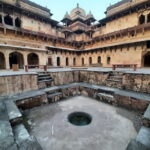
Next comes Panna Meena ka Kund, also known as a baoli. This is an ancient reservoir designed to conserve water, and the tour highlights its stepwell design. Your guided time here is about 15 minutes, and admission is free.
I love stepwells because they’re practical engineering disguised as architecture. You look at the steps, the shape, and the layout and suddenly you understand how people once handled heat and water scarcity. Even if you only have a short stop, the “why” matters more than the time.
This stop also gives you a photo-and-feel moment. The geometry of the steps pulls your eye downward, and the space often feels cooler and calmer than the open fort areas nearby.
What to watch for
Look for how the design channels and stores water, and notice how the steps connect access with function. It’s one of those sights where a guide’s explanation changes how you see the place in front of you.
Ambikeshwar Temple and Narsingh Haveli: the Amer side streets you’ll appreciate
Even though your scheduled stops include the palace, Jagat Shiromani Ji Temple, and the stepwell, the experience is framed around major Amber-area heritage sites, including Ambikeshwar Temple and Narsingh Haveli.
- Ambikeshwar Temple: described as a very old Shiva temple, noted as older than Amber Fort.
- Narsingh Haveli: a remarkable haveli that’s been modernized in a way meant to bring back its original glory.
Why mention these here? Because Amer is all layers. When you travel this area with a guide, you’re not only moving between three points—you’re learning how the neighborhoods formed around older religious and residential landmarks. If you catch glimpses of these places during the walk, they help you understand why Amer looks the way it does: not one single attraction, but a whole system of sacred and civic space.
Guide quality: small group size and real language help
This is a maximum 10 travelers type of experience, and that small number changes the whole vibe. You’re not fighting for time. You can ask questions, get points explained at your pace, and actually hear what you paid for.
The guide experience has been a big part of what people value. Spanish-language feedback points to guides such as Carlos, who can explain in detail and help with photos. Other feedback describes Raj as friendly and professional, and Rajesh as making the visit more knowledgeable through clear history and connection-building.
Even without naming a specific person, the pattern matters: you want someone who can connect the architecture and the spiritual sites into a single story you can remember.
If you care about photos
Since guides have been praised for taking good photos, bring a bit of patience and ask when you want a picture. The best result usually comes when you tell the guide the kind of shot you want before the moment passes.
Timing and weather: plan for a flexible afternoon
The experience specifically notes it requires good weather. That’s not just corporate language—forts and stepwells can get slippery and unpleasant after rain, and walking routes can become slower.
If conditions are poor and the tour is canceled, you should expect an offered different date or a full refund (based on the tour’s rules). If you’re trying to fit Amer into a tight itinerary, give yourself a little flexibility around that time window.
What to wear and bring for comfortable temple-and-fort walking
The tour asks for moderate physical fitness. That usually means you should assume uneven surfaces, stairs, and some uphill or compact walking. I’d plan like you’re doing a compact heritage hike.
Bring:
- comfortable walking shoes with grip
- sun protection (Amer can be bright, and most of this route is exposed at some point)
- water, especially if you go in warmer months
- a light layer for temple areas if you need it
And if you’re sensitive to steps, go slowly and let the guide set your pace for each stop. A good guide will keep the route moving without turning it into a sprint.
Should you book the Amer Heritage Walk?
Book it if you want:
- a short, guided Amer experience that covers the major spiritual and architectural highlights
- small group energy so you can ask questions and get time at each stop
- a route that includes both UNESCO Amber Palace and two free cultural stops
I’d hesitate if:
- you’re hoping the tour price includes Amber Palace admission (it doesn’t)
- you want a long, self-paced wandering day rather than a structured 3 to 4 hour visit
If you’re trying to get the essentials of Amer with strong local context—and you don’t mind paying the separate palace ticket—this is a solid value. For $14.08, the real win is the tight guidance: you leave with a clearer sense of what Amber’s palace, Krishna temple, and stepwell each represent, not just a list of places you passed through.
FAQ
FAQ
How long is the Amer Heritage Walk?
The duration is listed as about 3 to 4 hours.
What is the meeting point for the tour?
The tour starts in Amer, Jaipur, Rajasthan, India and ends back at the meeting point.
Is Amber Palace admission included in the tour price?
No. The guided visit of Amber Palace is 1 hour, but the admission ticket is not included.
Are the other stops free to enter?
Yes. Jagat Shiromani Ji Temple and Panna Meena ka Kund are listed as admission free.
What are the main stops on the walk?
The scheduled stops are Amber Palace, Jagat Shiromani Ji Temple, and Panna Meena ka Kund.
Do I need to bring a printed ticket?
No. The experience includes a mobile ticket.
What fitness level do I need?
The tour asks for moderate physical fitness level.
What happens if weather is bad?
The experience requires good weather. If it’s canceled due to poor weather, you’ll be offered a different date or a full refund.
Can I get a full refund if I cancel?
Yes. You can cancel up to 24 hours in advance for a full refund.