REVIEW · ATHENS
Ancient Corinth Half-Day Private Tour from Athens
Book on Viator →Operated by LS Tours · Bookable on Viator
Corinth feels like a time machine trip outside Athens. In a half-day you get the engineering wow-factor of the Corinth Canal and the big, story-heavy setting of ancient Corinth—including the Paul-of-Tarsus connection—without wrestling buses or complicated transfers.
I like the setup most: hotel (or port/apartment) pickup and drop-off plus a driver-guide who talks you through what you’re seeing while staying flexible. You’ll also be riding in an air-conditioned vehicle with onboard WiFi and bottled water, which sounds small until you’re doing a 1-hour drive each way.
One consideration: you’ll pay entrance fees for the archaeological site and the museum (and Acrocorinth includes a real climb), so it’s not a purely ticket-free outing.
In This Review
- Key highlights you’ll actually care about
- Private Pickup From Athens: Less Stress, More Time
- Who this format suits
- The Corinth Canal Stop: A Narrow Cut With Big Consequences
- Ancient Corinth (Archaia Korinthos): Paul’s Footprints and a City-Scale Reality Check
- The drawback: the “see everything” trap
- Archaeological Museum of Corinth: Small Stop, Big Payoff for Everyday Life
- Acrocorinth: The Fortress That Owns the View
- Tip that saves energy
- Price and Logistics: How This Turns Into Good Value
- Pacing, Comfort, and What to Expect During the Day
- The guide experience: what usually makes it work
- Should You Book This Private Corinth Half-Day From Athens?
- FAQ
- How long is the Ancient Corinth half-day private tour?
- What’s included in the tour price?
- What entrance fees do I need to pay?
- Does the driver-guide enter the archaeological sites with you?
- Is this tour really private?
- Where does pickup happen if I’m at Piraeus Port?
- Can I cancel for a refund?
Key highlights you’ll actually care about
- Private, door-to-door pickup from Athens so your day starts fast
- Corinth Canal views plus smart context on 19th-century engineering
- Ancient Corinth time for both self-wandering and Paul-related context
- Archaeological Museum of Corinth (small, focused, and worth your time)
- Acrocorinth fortress with major viewpoints over the Isthmus of Corinth
Private Pickup From Athens: Less Stress, More Time
This is a private tour, so you’re not squeezed into a big group day. The biggest practical win is the pickup style: your personal driver comes to the place you’re staying (hotel lobby, apartment entrance, or the Piraeus gate if you’re arriving by ship) and you return to the same spot when you’re done.
It matters because Corinth is one of those “you’ll spend your best moments on site” destinations. When you remove the logistics, you can use the hours you do have—about 5 hours total—to actually look, not just travel.
On the road, the car is air-conditioned, and you get onboard WiFi and bottled water. That’s handy if you want to plan a couple of next stops, check transit for the evening, or just keep everyone sane during the drives.
You can also read our reviews of more private tours in Athens
Who this format suits
- Couples, families, or small groups who want control over pace
- Anyone who finds big coach days exhausting
- Travelers who care about explanations but don’t need a guide inside every building
The Corinth Canal Stop: A Narrow Cut With Big Consequences
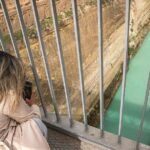
The Corinth Canal stop is short—about 30 minutes—but it’s built around a very specific kind of wow. This canal is described as one of the most important projects of the 19th century and an engineering masterpiece that helped Mediterranean trade. It connects the Gulf of Corinth (Ionian Sea side) to the Saronic Gulf (Aegean Sea side) by cutting through the narrow Isthmus of Corinth.
Here are the details that make it more than a photo stop:
- It runs 6.4 km long
- It’s only 21.4 m wide at its base
- It has no locks
- Many modern ships can’t pass it, so it’s now more tourist attraction than commercial engine
What I like about making this an early stop is that it sets the geography in your head. Once you understand the Isthmus idea—Peloponnese separated from the mainland—you’ll “see” the region differently when you reach the ruins and especially when you climb up to Acrocorinth.
Ancient Corinth (Archaia Korinthos): Paul’s Footprints and a City-Scale Reality Check
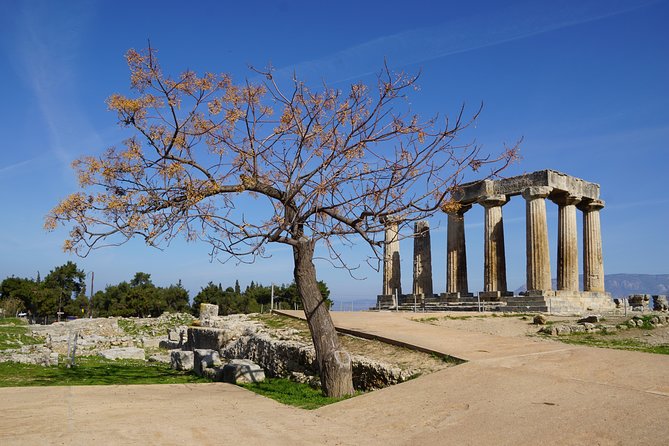
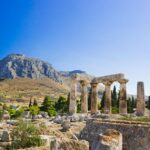
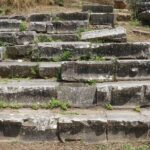
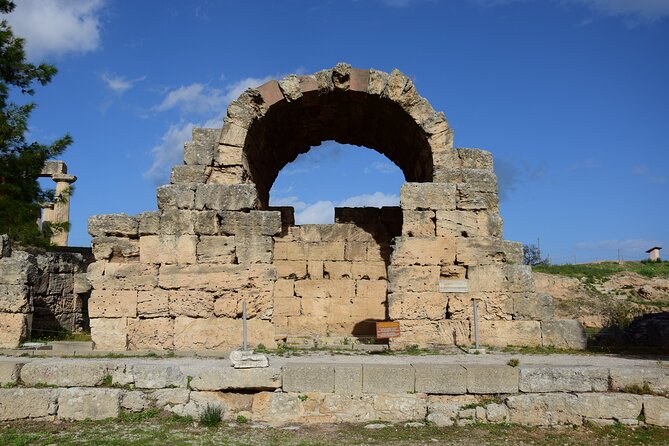
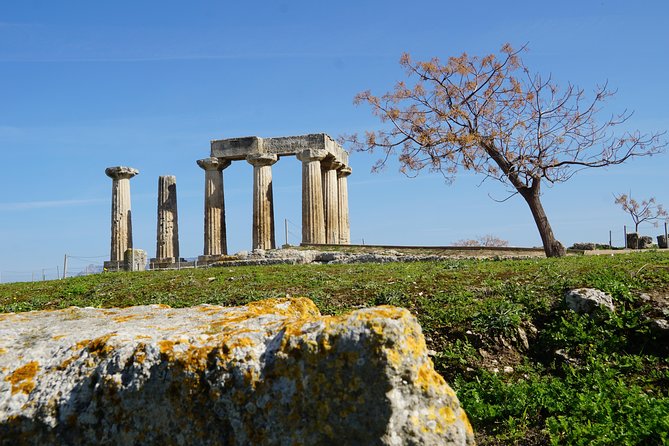
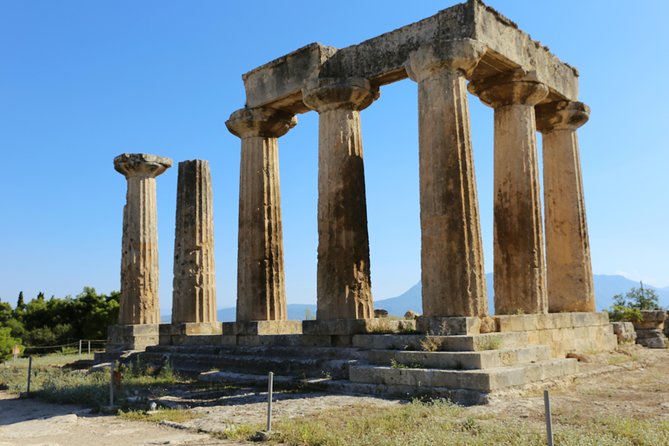
Your main archaeological time is about 1 hour at Ancient Corinth. That’s a tight window, but the site is the kind of place where even an hour can feel meaningful if you go with the right expectations.
Ancient Corinth was a city-state on the Isthmus, roughly halfway between Athens and Sparta. The modern city sits about 5 km northeast of the ruins, so you’re stepping into a different world even though it’s close to Athens on a map.
This stop is also where the Christian story connection lands:
- Corinth is well known for Saint Paul’s letters: First and Second Corinthians
- It’s mentioned in Acts of the Apostles as part of Paul’s missionary travel
And even if you’re not chasing Paul’s trail, the scale matters. Ancient Corinth was one of the largest and most important cities of Greece, with a population of about 90,000 around 400 BC. The Romans demolished Corinth in 146 BC, rebuilt a new city in 44 BC, and later made it a provincial capital.
The drawback: the “see everything” trap
One thing to keep in mind: a driver-guide can explain and point you in the right direction, but this format doesn’t position you for a guided walk-through of every ruin. That means you’ll get the best results if you pick what you want to focus on—Paul-related context, the layout, or the big-picture rise and fall story—rather than trying to spot everything in one go.
Also, plan for the fact that you’ll pay entrance for the site here (included fees for Corinth Canal and most exterior viewpoints are separate). The archaeological site entry is not included in the tour price.
A few more Athens tours and experiences worth a look


Archaeological Museum of Corinth: Small Stop, Big Payoff for Everyday Life
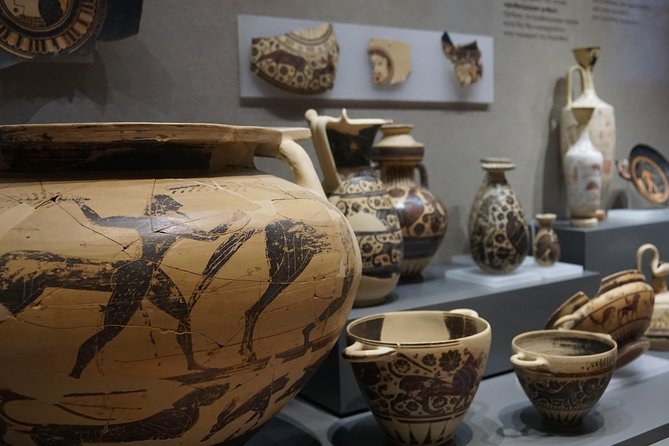
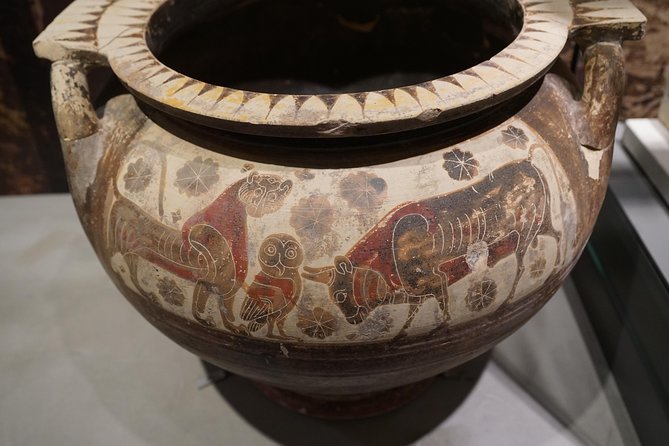
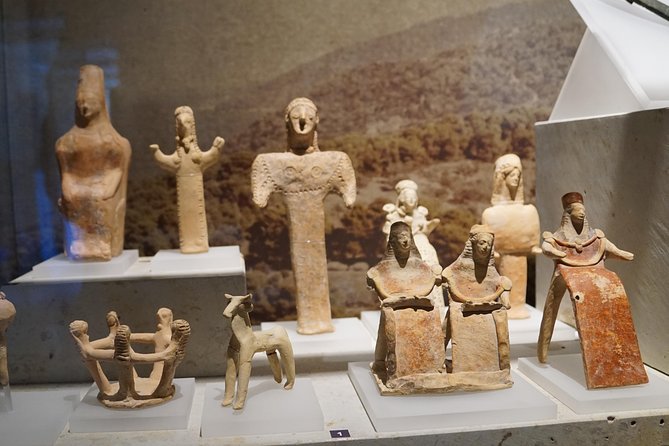
After Ancient Corinth, you go to the Archaeological Museum of Ancient Corinth for about 30 minutes. The museum itself was constructed in 1931–1932 to display discoveries from the excavations, and it sits within the archaeological site area.
This museum is the kind of place I’d choose over rushing to a second major stop. Why? Because ruins can feel like fragments unless you have context for what people actually used. A museum tends to connect the dots fast.
A practical note: museum entry is also not included, and it’s a separate ticket component you’ll need to pay on the day. Still, the time you spend here helps you understand what you’re looking at outside.
Acrocorinth: The Fortress That Owns the View
Then comes the part that turns this half-day from “interesting” into “I’m glad we did that.”
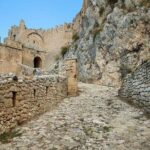
Acrocorinth (Upper Corinth) is the acropolis rising as a monolithic rock above the ruins. The area is described as extremely impressive for mainland Greece, and it’s easy to see why once you’re up there. It also had one major defensive advantage: it had a secure water supply, which is why the fortress could serve as a last line of defense in southern Greece and control access through the Isthmus.
Your time here is about 1 hour, and while the stop can be timed well, the big thing is movement: you should expect walking and a climb up. If someone in your group prefers not to tackle the steeper parts, you can still enjoy the experience by staying near the parking area and getting views without forcing a strenuous hike.
Tip that saves energy
Wear shoes you can trust. If you’re arriving with flip-flops or very soft soles, you’ll regret it fast. Acrocorinth is worth it, but it’s not a stroll.
Price and Logistics: How This Turns Into Good Value
Let’s talk money in a way that helps you decide.
The tour price is $174.21 per person for a private half-day with:
- Private transportation in an air-conditioned vehicle
- WiFi on board
- Bottled water
- Driver-guided commentary (your driver isn’t an official licensed guide who enters sites, but they can answer questions and explain what you see)
Then add what’s not included: €20.00 per person for the archaeological site and the museum.
So you’re paying for time, comfort, and the fact that your day is built around key stops rather than random checkboxes. If you try to DIY this from Athens, you’ll still spend time on transit, you’ll still need entry tickets, and you’ll still need to figure out where to stand and what matters.
Where it can feel especially worth it is if:
- You want a calmer pace than a group bus day
- You like asking questions and getting real-time answers
- Your schedule is tight and you can’t afford to get lost or wait
Pacing, Comfort, and What to Expect During the Day
This itinerary is paced like a smart “greatest hits + context” day. Here’s how that plays out in real life:
- Stop 1: Athens pickup + drive (about 1 hour one way)
You’re settling in and getting background before you arrive.
- Stop 2: Corinth Canal (about 30 minutes)
Short and focused. Enough time to look, take photos, and understand the engineering story.
- Stop 3: Ancient Corinth (about 1 hour)
You’ll walk at site pace, and your driver-guide can point you toward what to notice.
- Stop 4: Archaeological Museum of Corinth (about 30 minutes)
A short museum break that helps “translate” the ruins.
- Stop 5: Acrocorinth (about 1 hour)
Best with comfortable shoes and realistic expectations about the climb.
- Stop 6: return to Athens (about 1 hour drive)
You’ll finish without needing to arrange a second round of transport.
The guide experience: what usually makes it work
A consistent theme in how this kind of tour is delivered is personality plus flexibility. Many drivers are described as friendly, patient with questions, and willing to adjust if something specific is closed. The format also means you’re not waiting around as long to match a formal group schedule.
You should also know this nuance: your driver is not an official tour guide who enters the archaeological sites with you. They can answer questions and provide commentary, but if you want a licensed expert to walk inside and explain what you’re seeing on-site, that can be arranged separately with an extra-cost licensed tour guide (if available).
Should You Book This Private Corinth Half-Day From Athens?
If you want a half-day that feels efficient but not rushed, this is a strong pick. The combination of Corinth Canal + Ancient Corinth + Acrocorinth gives you both the big geography story and the human story tied to Paul.
Book it if:
- You like private pacing and want pickup handled for you
- You want context as you look, not a self-guided day with lots of guessing
- You’re okay paying €20 per person for the site and museum entries
- Someone in your group is willing to tackle Acrocorinth’s climb (or you’re fine with viewing from where you can)
Skip or reconsider if:
- You’re hoping for an easy, fully flat walking day
- You want a licensed guide to stand with you inside the ruins and museum as part of the base price
FAQ
How long is the Ancient Corinth half-day private tour?
It’s about 5 hours total including the drive from Athens, the stops, and the return trip.
What’s included in the tour price?
You get private transportation, an air-conditioned vehicle, WiFi on board, and bottled water.
What entrance fees do I need to pay?
The Archaeological Site and the Museum have an entrance fee of €20.00 per person, and that is not included in the tour price.
Does the driver-guide enter the archaeological sites with you?
No. The driver-guide provides commentary and answers questions, but they do not enter the archaeological sites with you. You can have a licensed tour guide inside for an extra cost.
Is this tour really private?
Yes. It’s a private tour/activity, and only your group participates.
Where does pickup happen if I’m at Piraeus Port?
Your driver waits at the gate where you disembark, holding a sign with your name.
Can I cancel for a refund?
Yes. You can cancel up to 24 hours in advance for a full refund. Canceling less than 24 hours before the start time means no refund.
If you want, tell me your group size and whether anyone has limited mobility, and I’ll suggest how to best handle the Acrocorinth climb within this schedule.