REVIEW · TOKYO
Asakusa: Kitchen knife store visits after history tour
Book on GetYourGuide →Operated by Arumachi, Inc. · Bookable on GetYourGuide
Knives in Tokyo, with history attached. This tour pairs a focused Asakusa walkthrough with hands-on Japanese kitchen knife shopping at Kappabashi Street, where an English-speaking guide helps you sort through the sales talk. The standout parts are the direct-to-the-right-stores approach and the way your guide keeps things grounded while shopkeepers pitch their blades.
One possible drawback: it’s a 210-minute outing with lots of walking, so if you’re hoping for a mostly sitting, low-footwork day, plan for that up front. Also, the knife shopping segment is best if you already have at least a rough idea of what you want to buy—otherwise it can feel like staring at a wall of choices.
You start near Asakusa Station and finish back the same place, keeping the logistics simple. The group is capped at 8, and when you’re in a group of 3 or more, you’ll get a headset system so you can hear your guide clearly from a distance. And yes, it runs rain or shine, so dress for the weather you actually get.
In This Review
- Key Things That Make This Tour Worth Your Time
- First Stop: Finding the Right Start Point at Asakusa
- Asakusa Pier, Tourist Info, and the “Why This Place Exists” Moment
- Kaminarimon and Nakamise: The Temple District With Real-World Shopping Energy
- Hōzōmon Gate and Sensō-ji: What the “Oldest Temple” Claim Really Means
- Kappabashi Street: Knife Shopping With a Guide Who Can Cut Through the Noise
- Price and Value: Is $77 for 3.5 Hours Fair?
- Timing, Footwork, and Rain-or-Shine Reality Check
- Who This Tour Fits Best (and Who Should Skip It)
- Should You Book This Asakusa Knives-and-Temple Tour?
- FAQ
- What is the duration of the Asakusa history tour with kitchen knife store visits?
- Where do I meet for the tour?
- Is hotel pickup included?
- How big is the group?
- Will I be able to hear the guide in a group?
- Is the tour offered in English?
- Do we visit Senso-ji Temple during the tour?
- What shopping street do we visit for the knife stores?
- Does the tour run in bad weather?
- Are sweet snacks included?
Key Things That Make This Tour Worth Your Time
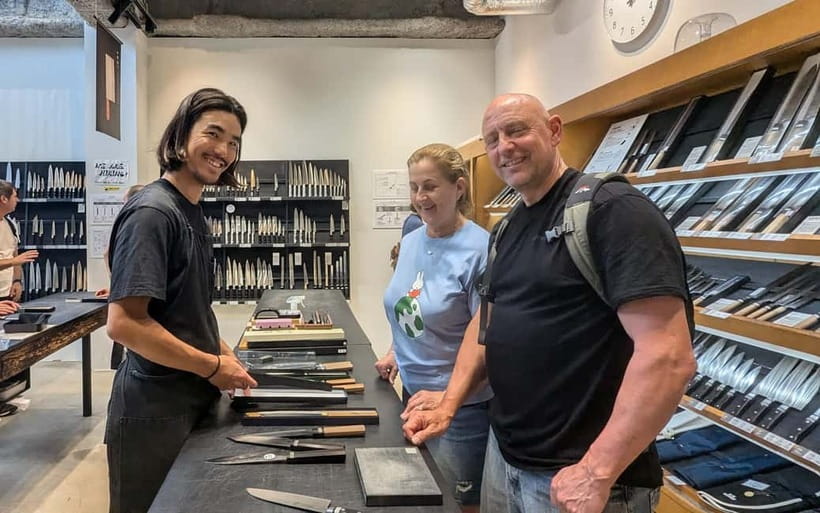
- Direct Kappabashi Street shopping without wandering yourself in circles
- English-speaking certified guide support while store clerks do their best sales pitch
- Senso-ji Temple visit with context on why Asakusa matters
- Nakamise Shopping Street time to grab snacks and see what locals eat and buy
- Included Japanese sweet snacks during the experience
First Stop: Finding the Right Start Point at Asakusa
I like tours that don’t waste time. This one starts in front of a Burger King right next to Exit 4 of Asakusa Station on the Ginza Line (G19). That matters more than it sounds. Asakusa can be busy and confusing, especially if you show up hungry or a little jet-lagged.
You then work your way on foot through the area that makes Asakusa feel like a mix of old Tokyo and day-trip energy. The first stretch is short and purposeful: you’re not just wandering; you’re getting bearings. Even before the big sights, you’ll get a sense of where you are and what you’re looking at—crucial when the day includes both temples and knife shops.
There’s also a small-group feel here. With a maximum of 8 participants, you’re more likely to get practical help instead of being one face in a crowd.
You can also read our reviews of more historical tours in Tokyo
Asakusa Pier, Tourist Info, and the “Why This Place Exists” Moment

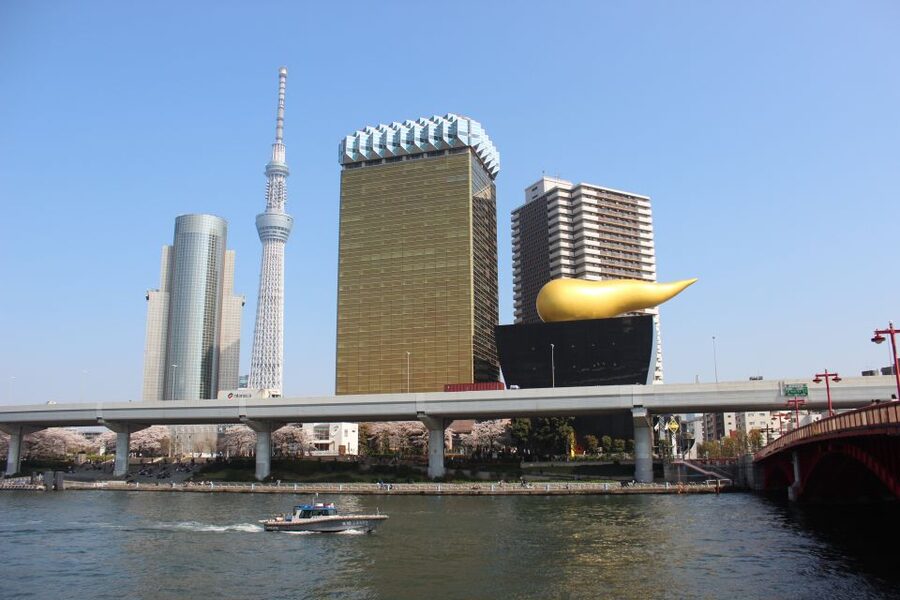
After meeting up, you walk toward the Tokyo Cruise Asakusa Pier area for a brief guided segment. Then you stop at the Asakusa Culture Tourist Information Center. Those first two waypoints are a good setup. The pier brings you close to the water and the old travel routes; the tourist center helps you understand the shape of the neighborhood before you hit the most famous gates.
This is where the guide really helps you make sense of things. Your guide’s job isn’t just to point. It’s to give you usable context so you can look at Kaminarimon, Hōzōmon Gate, and Sensō-ji without feeling like you’re collecting photos.
You’ll be guided at a walk pace, with multiple short stops. The schedule is built around that rhythm: a little knowledge, a little sightseeing, then move on. It’s not exhausting marathon hiking, but it is an active sightseeing day.
Kaminarimon and Nakamise: The Temple District With Real-World Shopping Energy
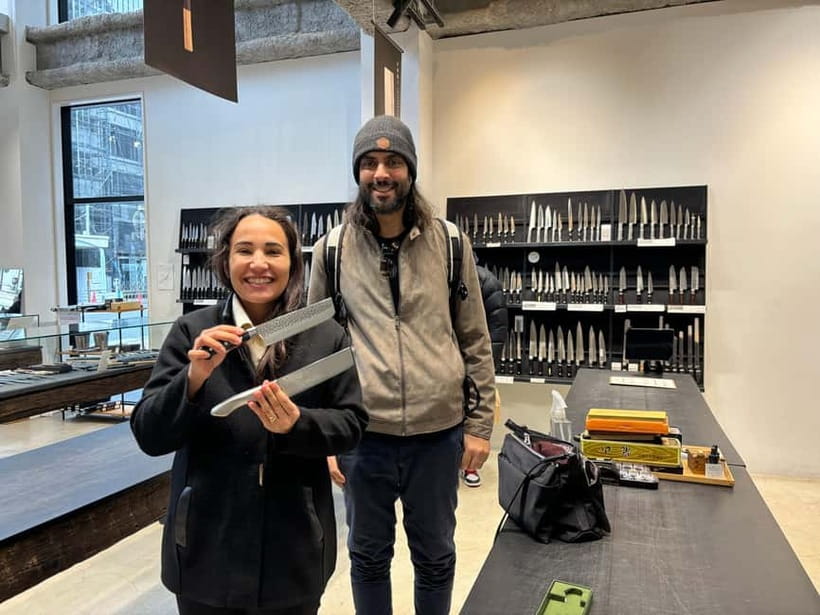
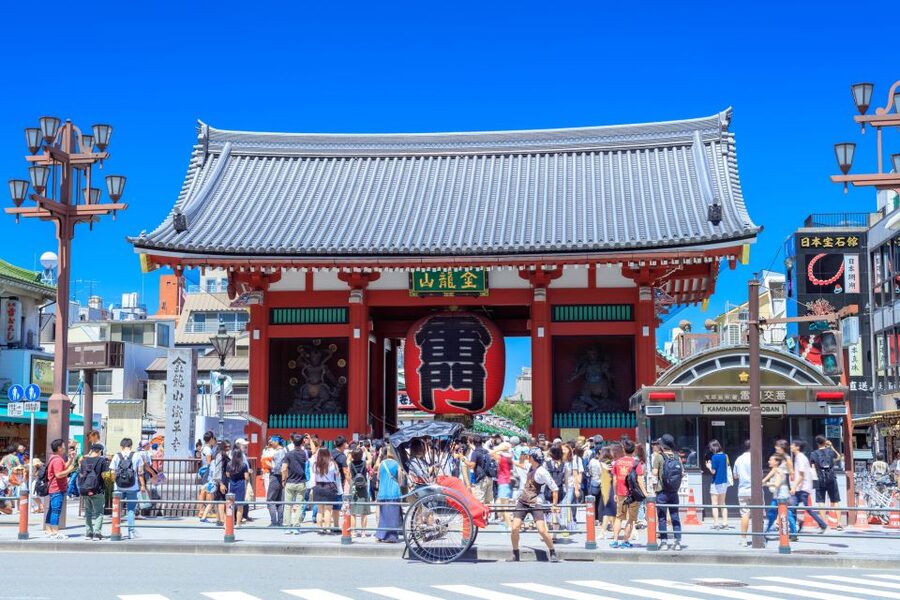
Next up is Kaminarimon, the big thunder gate people immediately recognize. It’s one of those landmarks that looks simple from pictures, but in person it’s impressive—more solid, more imposing, and more “this is the entry.” Your guide’s explanation here helps you understand why the gate matters as a gateway into Asakusa’s temple-centered culture.
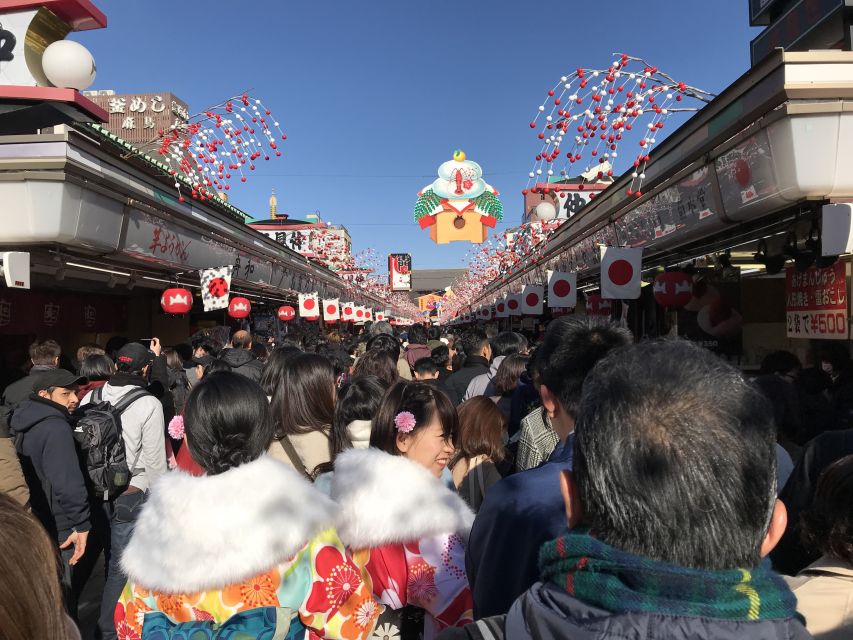
After that, you move into Nakamise Shopping Street for about 30 minutes. This is where the tour becomes fun even if you’re not shopping for anything specific. Nakamise is the classic approach to the temple: stalls, snack options, and the kind of everyday commerce you can easily turn into a quick plan—grab something small, keep moving, don’t let one stall swallow your entire time.
One detail I appreciated: the tour gives you time to experience the shopping street without turning the day into a free-for-all. That’s especially helpful because you’ll still need energy for Kappabashi Street later, where you’ll be making actual purchase decisions.
Hōzōmon Gate and Sensō-ji: What the “Oldest Temple” Claim Really Means
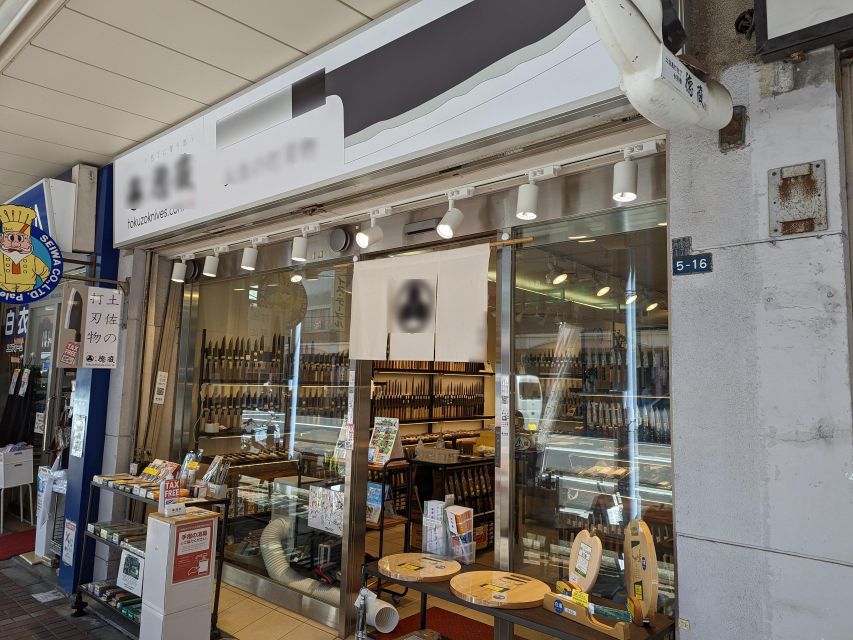
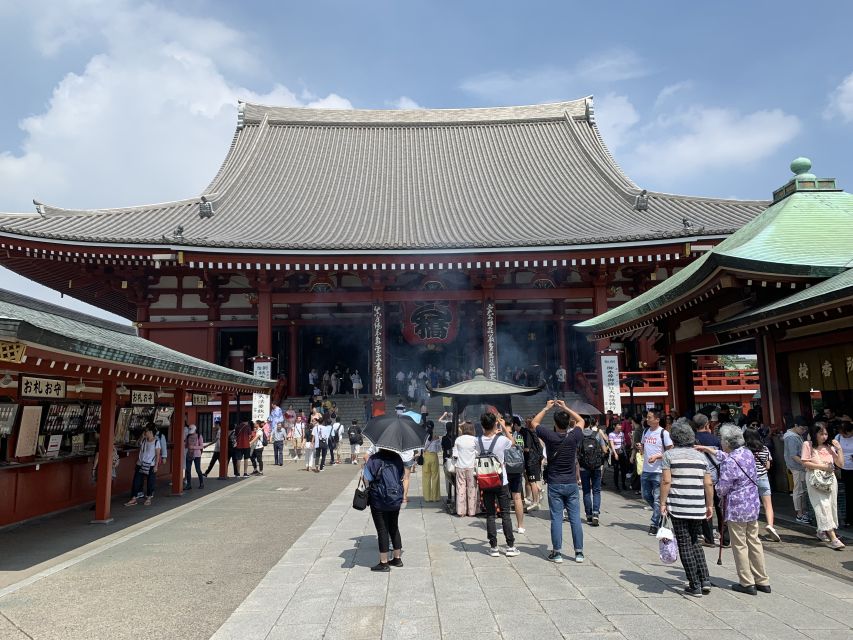
Then you’re at Hōzōmon Gate. This is more than another photo stop. Gates like this in Japan usually mark the transition between ordinary street life and the more formal temple grounds. Your guide helps you notice the difference in atmosphere as you move through.
Finally: Sensō-ji Temple. This is described as the oldest temple in Tokyo, and your guide’s framing helps you understand why that statement carries weight. The temple isn’t just a stop; it’s a focal point that shaped Asakusa’s identity over time.
If you’re the type who likes to know what you’re looking at, this part of the tour gives you that. If you’re the type who just wants the views and vibes, you still get enough explanation to make the photos mean more. Either way, you’ll come away with a clearer picture of why Asakusa is so strongly associated with temple culture.
Kappabashi Street: Knife Shopping With a Guide Who Can Cut Through the Noise
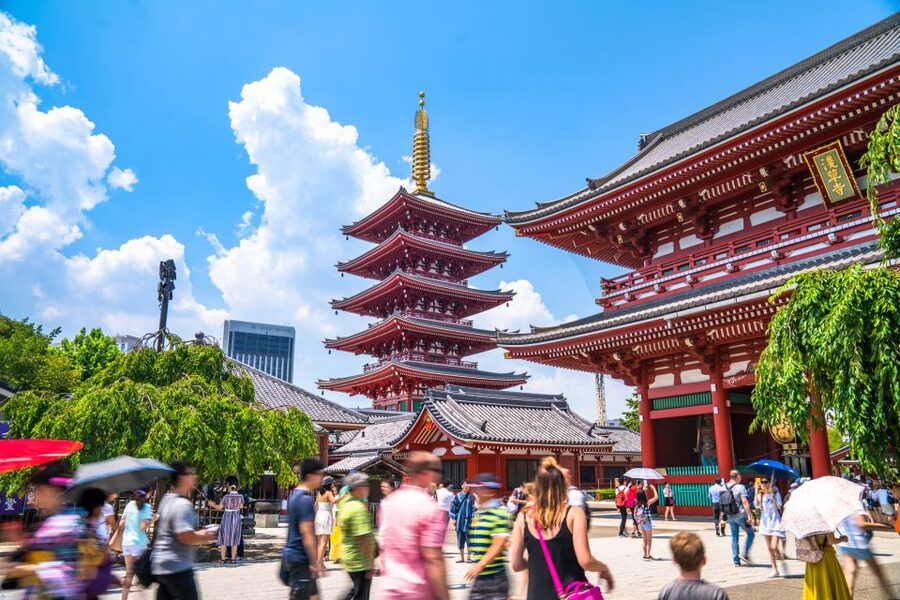
Now comes the main event for people who care about cooking tools: Kappabashi Street. After the history stops, you shift from sightseeing to shopping culture—specifically the long stretch of stores known for restaurant supplies, cutlery, and kitchen equipment.
This part matters because Japanese knife shopping can feel intimidating if you go in cold. There are different blade types, steel options, grinds, and price tiers, and shop staff can be persuasive. The tour’s advantage is that you’re not just dropped on the street and told good luck.
Your English-speaking certified guide helps you shop in a practical way: guiding you to stores with a fuller lineup, and offering candid, neutral feedback as you listen to the store pitch. That “translation plus judgment” combo is exactly what makes the knife part work for first-timers.
Kappabashi Street also has a simple reason to exist: it’s adjacent to Asakusa and packed with dozens of shops that cater to people who run restaurants or seriously care about cooking. The stores specialized in kitchen knives generally have a wider selection, which increases your odds of finding something you actually want rather than settling for whatever the first shop happens to have.
And yes, the day includes Japanese sweet snacks. That’s not just a throwaway perk. It helps you keep your energy steady through a long walk-and-shop flow—especially if you haven’t eaten much before the tour starts.
You can also read our reviews of more shopping tours in Tokyo

Price and Value: Is $77 for 3.5 Hours Fair?
Let’s talk value plainly. You’re paying $77 per person for about 210 minutes (3.5 hours). That includes an English-speaking guide, and when groups are 3 or more you’ll also get a headset system. You also get guided time at major sights plus a full hour on Kappabashi Street for the shopping portion. On top of that, you get included Japanese sweet snacks.
What makes this feel fair is that you’re paying for two things that cost real time:
1) someone else handles the “route and context” across Asakusa, and
2) someone helps you interact intelligently with knife sales talk.
If you tried to recreate that on your own, you’d spend time figuring out where to go, translating through the store experience, and deciding what questions to ask. This tour compresses that into one plan.
What’s not included is also important: there’s no hotel pickup or dropoff. You’re meeting at Burger King by Asakusa Station and returning there. If you’re staying nearby, it’s simple. If you’re far out, the cost-benefit depends on how hard it is for you to reach Asakusa on your own.
Timing, Footwork, and Rain-or-Shine Reality Check
This is a rain or shine tour. That means you should bring a light jacket and something to handle wet sidewalks. Japan’s weather swings fast, and temple-street and shopping-street surfaces can get slick.
Plan for footwork. The itinerary is built from several short guided walks—Kaminarimon, Nakamise, Hōzōmon Gate, Sensō-ji, then Kappabashi Street. It’s not a steep hike, but it adds up.
The good news: the pace is structured. You don’t have long dead zones where you’re just waiting. You have movement, short explanations, then sights. And because the group is small (max 8), you’re less likely to get left behind.
For shopping, you’ll want to think like this: the Kappabashi hour isn’t just browsing. It’s your chance to ask questions, compare what you see, and purchase if you’re ready. If you go in with no clue at all, you might end up spending more time feeling overwhelmed than making a confident choice. Even a basic target helps—like whether you’re shopping for a general chef’s knife or something more specific.
Who This Tour Fits Best (and Who Should Skip It)
This tour fits you if:
- you want Japanese kitchen knife shopping with guidance, not solo guesswork
- you like combining a temple visit with shopping that actually has a purpose
- you value clear English explanations and the ability to ask questions without feeling rushed
- you’re traveling with enough enthusiasm to carry or manage your purchase afterward (any shopping day has that reality)
You might choose something else if:
- you’re not interested in buying knives (the Kappabashi portion is the payoff)
- you want a low-walking schedule
- you prefer totally free time with no structure at all
Should You Book This Asakusa Knives-and-Temple Tour?
I’d book it if you care about three things: Asakusa context, a guided knife shopping experience, and a day that doesn’t leave you wandering. The history stops (Kaminarimon, Hōzōmon Gate, Sensō-ji) give the neighborhood meaning, and the Kappabashi Street segment turns that meaning into a tangible souvenir: a tool you can use in your own kitchen.
Also, I love the practical touch of the headset system for clearer listening. And the guide support piece is the difference between getting marketed at and getting helped.
If you’re open to walking, and you’re even mildly curious about Japanese knives, this is a strong use of time in Tokyo—because you’re not just looking at sights. You’re learning the place, then shopping with your eyes open.
FAQ
What is the duration of the Asakusa history tour with kitchen knife store visits?
It lasts about 210 minutes.
Where do I meet for the tour?
You meet in front of Burger King Asakusa Azumabashi, right next to Exit 4 of Asakusa Station on the Ginza Line (G19).
Is hotel pickup included?
No, hotel pickup or dropoff is not included.
How big is the group?
It’s a small group limited to 8 participants.
Will I be able to hear the guide in a group?
For groups of 3 or more, a headset (earphone guide system) is included to help you hear the guide clearly from a distance.
Is the tour offered in English?
Yes. The tour includes an English-speaking certified guide and English audio guide support.
Do we visit Senso-ji Temple during the tour?
Yes. The tour includes a guided visit to Sensō-ji Temple, which is described as the oldest temple in Tokyo.
What shopping street do we visit for the knife stores?
You visit Kappabashi Street, which is lined with many stores focused on restaurant equipment, including Japanese kitchen knives.
Does the tour run in bad weather?
It runs rain or shine.
Are sweet snacks included?
Yes. A selection of Japanese sweet snacks is included in the tour.