REVIEW · KATHMANDU
Private Kathmandu UNESCO Heritage Sites with Narayanhiti Museum
Book on Viator →Operated by Himalayan Social Journey · Bookable on Viator
A day in Kathmandu can feel chaotic fast, so this private route keeps you focused on the right sights. You’ll cover major heritage stops in a single taxi plan, with an English-speaking licensed guide helping connect the dots between Buddhist stupas, Hindu temples, and palace squares. Plus, it includes pickup and uses a mobile ticket, which makes the day feel less like paperwork and more like sightseeing.
Two things I really like: the sites are spaced in a practical order, so you don’t waste energy bouncing around on your own, and you get both an English-speaking driver and a guide who can explain what you’re seeing. One standout from recent feedback: guides like Dipendra (also mentioned as Deependra) are praised for being patient and giving solid details without dragging the day.
One possible drawback: entrance fees and lunch are not included, so your final spending won’t be just the $75 price. It’s still good value for a private taxi day, but you’ll want to budget for tickets and be smart about where you eat.
In This Review
- Key Highlights You’ll Actually Care About
- Why This Private Taxi Heritage Route Works in a Day
- Pickup, Taxi Logistics, and How the Day Stays Manageable
- Swayambhunath: The 2600-Year-Old Stupa With Valley Views
- Pashupatinath Temple: Hindu Devotion by the River
- Bouddhanath Buddha Stupa: 4th-Century Scale and Tibetan Influence
- Patan Durbar Square: Lalitpur’s Courtyards and Two-Religion Blends
- Kathmandu Durbar Square: Palaces, Courtyards, and the Old City Core
- Narayanhiti Palace Museum: A Museum Break Near Thamel
- Price and What You’ll Still Pay for (Entrance, Tickets, Food)
- The Guide Makes the Difference: Dipendra and Deependra’s Impact
- Best Fit for First Timers and Culture-Driven Days
- Should You Book This Private Kathmandu Heritage Sites + Narayanhiti Museum Tour?
- FAQ
- What is included in the tour price?
- Are entrance fees included?
- How long does the tour take?
- Which locations are visited during the tour?
- Is lunch included?
- Is this tour private or shared?
- Do you offer pickup?
- Is the tour suitable for most travelers?
- Is confirmation provided after booking?
- Can I cancel for a full refund?
Key Highlights You’ll Actually Care About
- Private taxi comfort for a long day, without sharing your schedule with strangers.
- English-speaking licensed tour guide who explains each heritage stop in a way that’s easy to follow.
- Heritage route + Narayanhiti Museum, which adds a museum break near Thamel rather than only temple-hopping.
- Mobile ticket convenience, plus pickup offered (helpful if you’re staying around central Kathmandu).
- Good value at $75 per person if you want a guided day without the hassle of arranging transport yourself.
Why This Private Taxi Heritage Route Works in a Day
Kathmandu’s heritage sites are iconic, but they’re also scattered. A DIY day can turn into a lot of time negotiating taxis, finding meeting points, and recalculating your route mid-trip. This tour solves that by bundling several major landmarks into one taxi plan, with a guide who keeps the timeline sensible.
For the money, I like that it’s truly private. That means you can ask questions as you go, stop for what matters to you, and avoid the awkward feeling of being rushed for the next group. The day is listed at about 7 to 8 hours, which is long enough to see a lot, but not so long that you’ll feel like you’re only fighting traffic.
The other practical win: the company provides a licensed, English-speaking guide plus an English-speaking driver. In a place where cultural context matters, having someone explain the symbolism and layout makes the difference between seeing buildings and understanding why people care about them.
You can also read our reviews of more private tours in Kathmandu

Pickup, Taxi Logistics, and How the Day Stays Manageable
The tour includes pickup (and it’s described as near public transportation). That matters because central Kathmandu can be tricky to navigate if you’re trying to hail rides while also planning temple entry times. With pickup, you start the day with less friction.
Recent feedback also points to reliable timing: one client specifically noted the vehicle and driver reached the hotel on time. Another mentioned a modern, clean, air-conditioned taxi, along with smooth driving through narrow lanes. That’s not the kind of detail you get from a cheap, “meet somewhere” plan.
You also get a private experience for only your group, which is ideal if you’re traveling as a couple, friends, or family and want a calmer pace. And if you’re comparing options: this route is built for people who want guided sightseeing without the stress of arranging separate transport between each stop.
Swayambhunath: The 2600-Year-Old Stupa With Valley Views
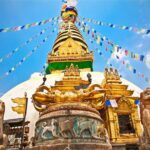
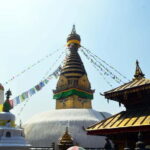
Swayambhunath is one of those Kathmandu landmarks that gives you perspective immediately. It’s described as roughly 2600 years old, and it sits above the city so you can look back over the Kathmandu valley. Even if you’ve never visited, the idea of starting your day by getting the “big picture” makes sense.
What you’ll likely enjoy here is the mix of spiritual atmosphere and sightseeing payoff. From a higher vantage point, you can understand how the valley is organized—how the city spreads out around temples and historic cores. The stop is listed for about 1 hour, so it works well as an early anchor before the day gets more intense with multiple sites.
Small practical note: this is a spiritual site, so you’ll want to dress respectfully and keep your behavior calm. The guide will help you read what you’re seeing—what parts matter, what to notice, and how the place connects to the broader Buddhist landscape in Kathmandu.
Pashupatinath Temple: Hindu Devotion by the River
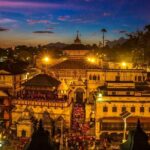
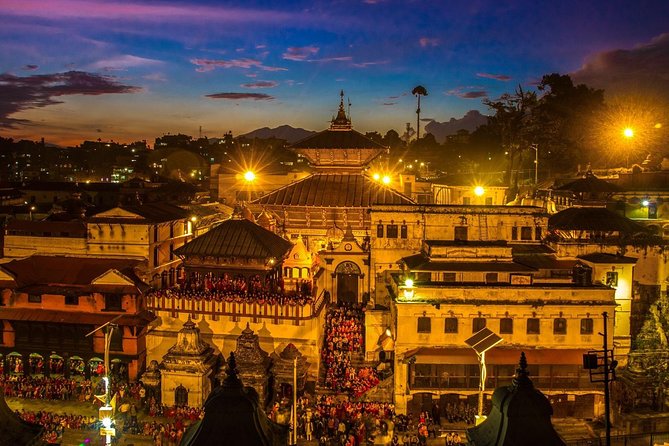
Pashupatinath is described as the god of animal lives—a Hindu temple that draws millions of visitors each year. It’s one of the big names in South Asian religious travel, and this stop is scheduled for about 1 hour.
For me, the value here isn’t just the architecture. It’s the way a major temple turns daily life into visible ritual. You’ll be able to see why this place is a constant magnet for worshippers and pilgrims. The guide should help you understand what you’re looking at and how the temple’s role fits into Nepal’s broader cultural identity.
A heads-up for planning: the tour listing says admission tickets are not included, so budget for entrance where required. Also, because this is a working religious site, you’ll want to move with patience. A good guide makes that much easier by guiding your timing and where to focus your attention.
Bouddhanath Buddha Stupa: 4th-Century Scale and Tibetan Influence
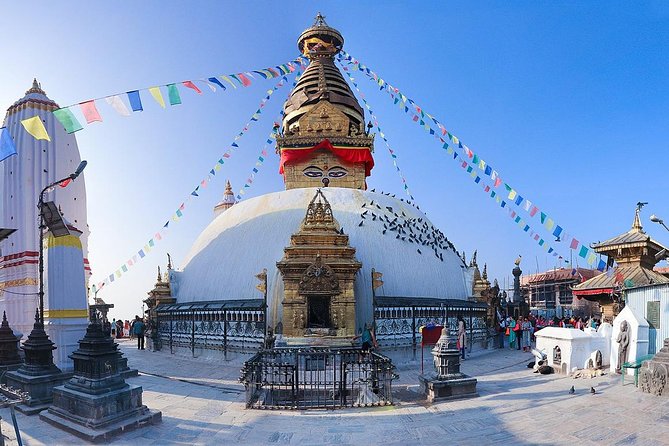
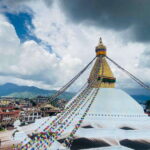
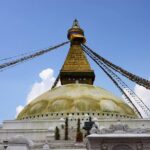
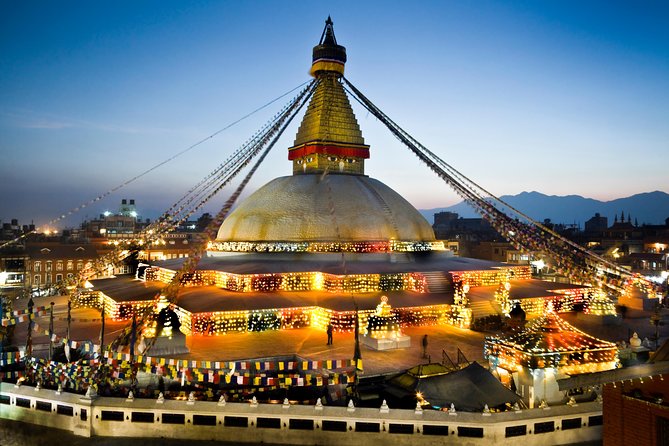
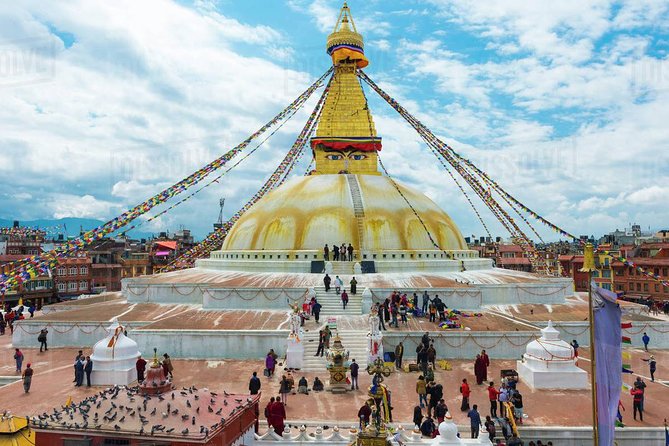
Bouddhanath (listed as Bouddhanath/Buddha Stupa) is presented as the “god of wisdom,” and it’s described as one of the largest stupas in the world. The information provided notes it was constructed back in the 4th century, and it’s considered a must-visit for Tibetans.
This stop is scheduled for about 1 hour, and it’s a fantastic cultural contrast to the Hindu temple stop before it. Stupas operate differently than temples: instead of focusing on one enclosed space, they invite you to observe, walk around (where appropriate), and take in the surrounding movement and symbolism.
The most useful part of having a guide at Bouddhanath is interpretation. The shrine’s “steely Buddha eyes” are specifically mentioned in the site description, which is the kind of detail that becomes more meaningful once someone explains what the eyes represent and how people interact with the stupa in daily life.
You can also read our reviews of more historical tours in Kathmandu

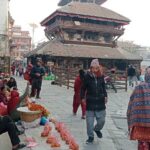
Patan Durbar Square: Lalitpur’s Courtyards and Two-Religion Blends
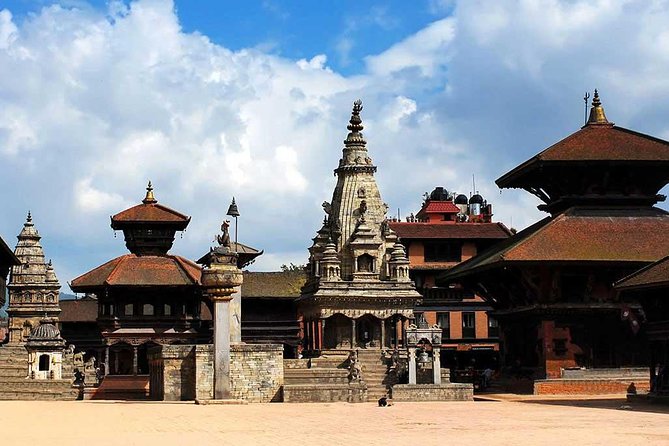
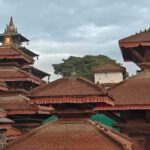
Patan Durbar Square is located in Lalitpur, and it’s described as offering beauty prospect and scenes in a central historic area. The tour also notes a fusion of Buddhism and Hinduism, and that Patan has many inhabitants from one influential tradition (as described in the itinerary notes).
You get about 1 hour 30 minutes here, which is generous compared to some “quick photo stop” tours. That extra time matters because durbar squares aren’t one building—they’re an environment. Courtyards, temples, and palace-like structures create a space where you can look slowly and still feel you’re “using” your time.
If you like architecture and street-level storytelling, this stop rewards attention. The guide can point out what’s significant in the square so you don’t just drift through it treating every doorway the same.
Kathmandu Durbar Square: Palaces, Courtyards, and the Old City Core
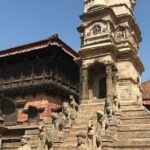
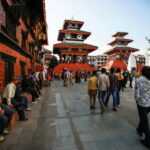
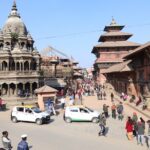
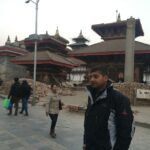
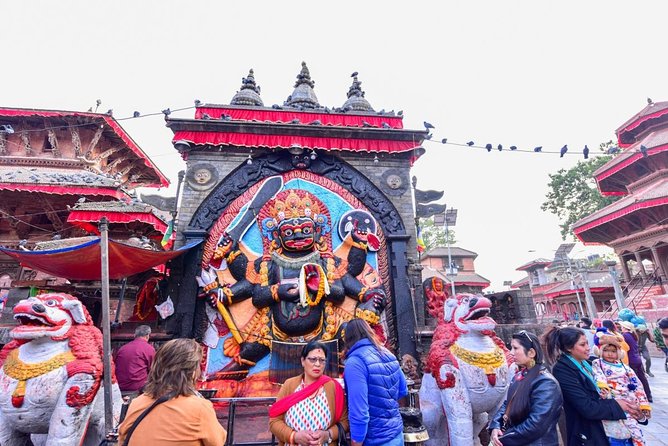
Kathmandu Durbar Square is described as a historic site in the heart of old Kathmandu city, surrounded by palaces, courtyards, and temples. It’s scheduled for about 1 hour, which is enough to get the vibe and understand why this area is considered central to old Kathmandu.
I like this stop because it connects the “heritage” feeling of the earlier sites to the built history of the city itself. Where Swayambhunath gives you sweeping valley perspective, and Bouddhanath gives you a big spiritual landmark, Durbar Square puts you at street level inside the living shape of history.
If the day starts to feel like too much walking between religious sites, this is where you can reset your brain. A guide helps by keeping the narrative straight—what was built for whom, how the spaces work, and how the square fits the city’s identity.
Narayanhiti Palace Museum: A Museum Break Near Thamel
After temples and squares, Narayanhiti Palace Museum adds a different flavor. It’s described as a public museum in Kathmandu, located east of the Kaiser Mahal and next to Thamel. That positioning is handy because Thamel is where many people stay, and it makes this stop feel like a natural transition point at the end of the day.
The museum is scheduled for about 1 hour. With that short window, you’re not trying to “do everything.” Instead, you’re getting a concentrated lesson through exhibits—an opportunity to step back from temple viewing and learn about Nepal’s story in a museum setting.
I also think this stop is good value because it breaks up the schedule. If you’ve already been concentrating on spiritual spaces for hours, a museum lets you rest your legs a bit while still feeling like you’re learning.
Price and What You’ll Still Pay for (Entrance, Tickets, Food)
The price is $75.00 per person for a private taxi day lasting about 7 to 8 hours. What you’re paying for is mostly the structure: private transportation, an English-speaking driver, an English-speaking licensed guide, and a guided itinerary that strings together multiple major landmarks without you doing the route planning.
What’s not included: entrance fees, lunch, and all alcoholic and cold drinks. That matters because the “real total” depends on ticket prices at each stop. I can’t predict the exact numbers from the information provided, so the best approach is to assume there will be extra costs for entry and plan a budget accordingly.
Lunch is also on you. One piece of practical advice surfaced from a past experience: if you value your pocket, don’t assume the first lunch venue will be fair on price. Since lunch isn’t included, you have flexibility—take suggestions from your guide, compare options quickly, and choose based on cost rather than convenience.
The Guide Makes the Difference: Dipendra and Deependra’s Impact
Several recent experiences highlight that the guide is a major part of why the day feels good. Names that come up include Dipendra (mentioned for being amazing and knowledgeable) and Deependra (praised as well-versed). The point isn’t name-dropping for fun—it’s that a good guide changes how you experience heritage sites.
In practical terms, a strong guide does three things for you:
- translates what you’re seeing into meaning
- keeps the pace from turning into a rushed checklist
- answers questions without making you feel rushed back into the taxi
If you like learning while you travel, this type of guided heritage day is a good match. If you prefer silent, slow wandering, you might want to adjust expectations—because this is structured and timed.
Best Fit for First Timers and Culture-Driven Days
This is a good fit if you’re:
- short on time in Kathmandu and want multiple heritage stops in one day
- the type who likes explanations at the site instead of just photos
- traveling with people who want a smoother plan than taking transport between landmarks on your own
The tour also says most travelers can participate, which suggests it isn’t limited to a niche group. Still, it’s a full day across several sites, so if you’re sensitive to long days or you need lots of downtime, you may want to consider whether another lighter option fits better.
I also think it suits visitors staying near central areas like Thamel, since Narayanhiti Palace Museum is next to Thamel. That makes the end of the day simpler to manage.
Should You Book This Private Kathmandu Heritage Sites + Narayanhiti Museum Tour?
Yes, if your goal is a guided heritage circuit that’s organized enough to feel efficient, but flexible enough to still make each stop count. The price can be a strong value when you factor in private transportation plus a licensed English-speaking guide for the full 7 to 8 hours.
Book it if:
- you want to hit Swayambhunath, Pashupatinath, Bouddhanath, Patan Durbar Square, Kathmandu Durbar Square, and add Narayanhiti Palace Museum
- you’d rather pay for a clean plan than spend hours coordinating taxis yourself
- you want a day that’s easier to navigate, especially through narrower lanes and busy areas
Skip it or rethink if:
- you hate paying extra on top of the base price, because entrance fees and lunch are not included
- you want a fully independent pace where you can linger without time pressure
If you do book, come with a simple mindset: enjoy the flow of sacred sites in the morning, and use the museum stop to reset your brain in the afternoon. That mix is exactly why this kind of private route can beat the usual hit-or-miss sightseeing day.
FAQ
What is included in the tour price?
The tour includes private transportation, an English-speaking driver, and an English-speaking licensed tour guide. Pickup is offered, and you’ll receive a mobile ticket.
Are entrance fees included?
No. Admission fees are not included, so you’ll need to pay entrance tickets separately.
How long does the tour take?
The duration is about 7 to 8 hours (approximately).
Which locations are visited during the tour?
The tour stops include Swaymbhunath, Pashupatinath Temple, Buddha Stupa (Bouddhanath), Patan Durbar Square, Kathmandu Durbar Square, and Narayanhiti Palace Museum.
Is lunch included?
No. Lunch is not included, and the tour also notes that alcoholic and cold drinks are not included.
Is this tour private or shared?
It’s private. Only your group participates.
Do you offer pickup?
Yes, pickup is offered. The tour is also described as being near public transportation.
Is the tour suitable for most travelers?
The tour says most travelers can participate.
Is confirmation provided after booking?
Yes. Confirmation will be received at the time of booking.
Can I cancel for a full refund?
You can cancel up to 24 hours in advance for a full refund. If you cancel less than 24 hours before the start time, the amount paid is not refunded.