REVIEW · ROME
Immersive Ancient and Historic City Of Rome Walking Tour
Book on Viator →Operated by Side Routes · Bookable on Viator
Rome gets easier when you walk it. This 2.5-hour city-center stroll strings together the moments that shaped Rome, from monumental ancient power to baroque-style drama. I especially like how the route keeps you oriented while explaining what you’re actually seeing, not just naming places.
Two things I really liked: the guide’s storytelling rhythm (it never felt like a lecture), and the comfortable pace that lets you look up and take in details as you move. The main thing to consider is that it is still a walking tour, so you’ll want to be ready for steady strolling for about 2.5 hours.
In This Review
- Why This Rome Walk Works So Well
- Key Highlights You’ll Feel On the Streets
- Starting in Piazza di S. Marco: The Fast Track to Rome’s City Center
- Vittoriano Area to Trajan’s Victory: Big Power, Plain Language
- Glimpsing Ancient Commerce and Urban Life: Rome Beyond Monuments
- Transitioning from Ancient Rome to Baroque Rome (Optional Interior Included)
- The Baroque Fountain Stop and the Coin-Throwing Legend
- Trompe-l’œil Ceiling and Baroque Art: What to Notice
- Grand Finale at Piazza della Rotonda: An Ancient Temple Now a Church
- Price and Timing: Does $10.65 Feel Fair?
- Who Should Book This Walking Tour
- Practical Tips Before You Go
- Should You Book This Rome Walk?
- FAQ
- How long is the walking tour in Rome?
- Where does the tour start?
- Where does the tour end?
- What language is the tour offered in?
- How much does it cost?
- Do I need a printed ticket?
- How large is the group?
- Is free cancellation available?
- Are service animals allowed?
- Is it near public transportation?
- Is the tour suitable for most people?
Why This Rome Walk Works So Well
This is the kind of tour that helps you stop guessing. You’ll start in a central area with major landmarks, then your walk builds from Roman engineering into everyday city life, and finally lands in baroque Rome and a temple-turned-church finish point.
The best part is the balance. You get big ideas—emperor victory, how Rome worked, how later Rome reshaped the old city—without losing the street-level details that make Rome feel real. It’s also sized for small-group attention, with a maximum of 30 people, so it’s easier to stay with the group and hear what matters.
One practical caution: you may face crowds around key sights, and some indoor looks are described as optional. If you’re the type who needs lots of quiet time, you’ll want to treat this as a guided overview first, then come back on your own for slower wandering.
Key Highlights You’ll Feel On the Streets
- Ancient-to-baroque storyline that makes Rome’s layers easier to read
- Relaxed, not rushed pacing so you can actually look at details
- Roman engineering + urban life explained in practical, human terms
- Baroque art stops with a focus on what to notice visually
- Finish at Piazza della Rotonda so you can keep exploring right after
You can also read our reviews of more walking tours in Rome
Starting in Piazza di S. Marco: The Fast Track to Rome’s City Center
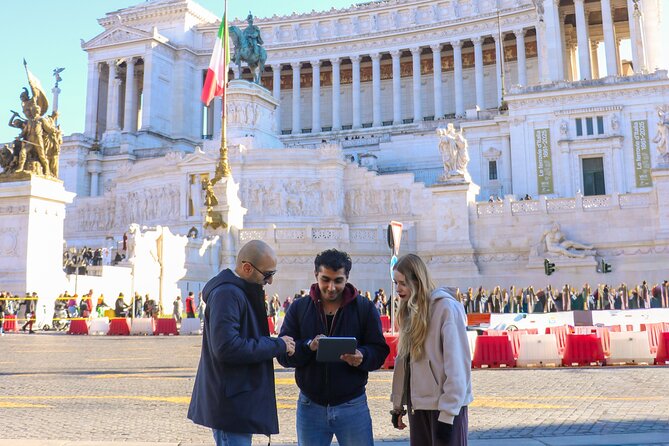
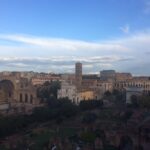
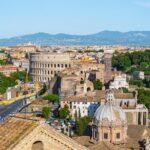
You’ll meet at Piazza di S. Marco and begin with an introduction to Rome’s city center and the area around the Vittoriano monument. This first stretch matters more than it sounds. Rome’s center can feel like a maze at first, but a quick launch from a clear public starting point helps you orient fast.
You’ll also get a helpful sense of scale right away. The guide frames what’s around you so you’re not just looking at stone—you’re understanding what kind of Rome it was built to project. I like this approach because it makes the rest of the walk click.
Expect an easy get-started rhythm. The group stays together, and the pace is set so you can follow the stops without feeling dragged.
Vittoriano Area to Trajan’s Victory: Big Power, Plain Language
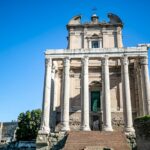
Next comes the story of Emperor Trajan’s victory and the angle of Roman engineering. This is where the tour shifts from general orientation into a more specific Rome you can visualize.
Instead of treating this as distant legend, the guide connects the emperor’s message to the built environment—how Roman rule wanted to be seen and remembered. Even if you’re not a history superfan, you’ll likely appreciate the engineering angle because it keeps the story anchored to real structures and real design choices.
It’s also a good moment to start practicing your Rome habit: look for shapes and functions. When the explanation matches the architecture, the city becomes a puzzle you can solve while walking.
Glimpsing Ancient Commerce and Urban Life: Rome Beyond Monuments
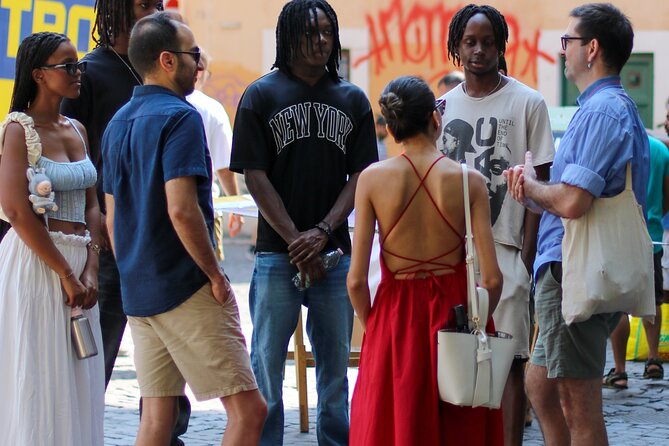
From there you’ll get a glimpse into ancient Roman commerce and urban life. This stop is valuable because it changes the frame from grand monuments to daily movement.
Rome wasn’t only emperors and temples. It was trade, streets, routines, and the way people used the city. The tour nudges you toward that street-level reality, so later, when you see a plaza or a narrow block, you can imagine how people moved through it.
If you’ve ever felt overwhelmed in Rome—too many ruins, too little clarity—this kind of stop is exactly what helps. It turns the city into a living system rather than a collection of separate sights.
Transitioning from Ancient Rome to Baroque Rome (Optional Interior Included)
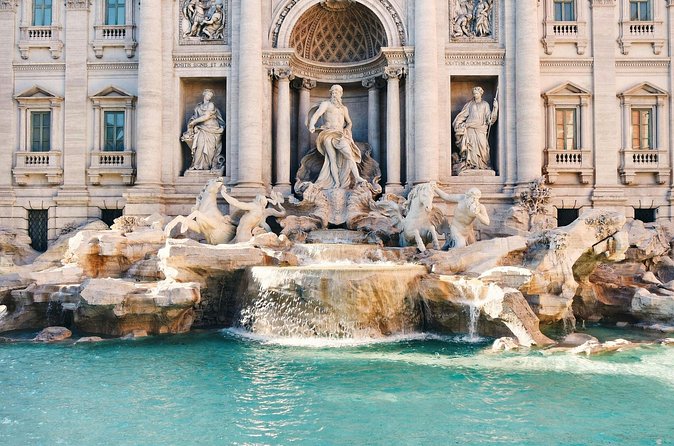
Then the walk makes a noticeable turn: the shift from ancient Rome to baroque Rome, with an optional interior stop during that transition.
This is one of those moments where the tour earns its keep. Rome didn’t replace the old world overnight. Later styles are answers to earlier spaces—sometimes building over them, sometimes reacting against them, often using the city’s existing drama as a stage.
So when you switch styles, you’re not just changing time periods. You’re learning how Rome re-used attention. That’s why baroque art and architecture feel so theatrical even when you’re just standing in a quiet church space.
If you join the optional interior look, wear your “slow down” mode. This is where you’ll get the best payoff for anyone who likes visual details and designed effects.
You can also read our reviews of more city tours in Rome
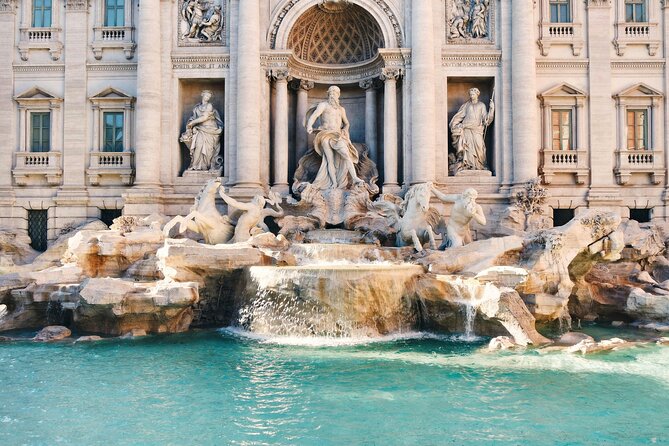
The Baroque Fountain Stop and the Coin-Throwing Legend
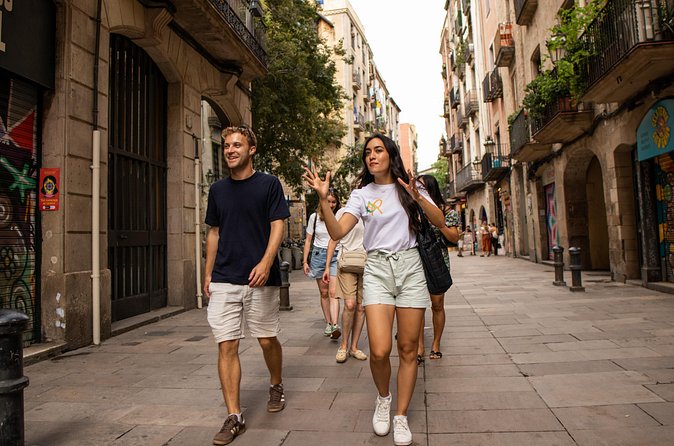
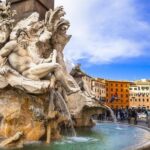
The tour then hits an iconic baroque fountain and shares the legend about throwing coins. This is a fun stop because it gives you a story you can hold in your mind while you watch the fountain in real time.
Even if you’ve heard the coin legend before, this kind of guided framing helps you treat it as part of Rome’s culture rather than just a tourist ritual. It also gives you a reason to look closely—how the design directs attention and how the scene works as a social meeting point.
Timing matters here. If the area is crowded, don’t fight for a perfect photo spot. Instead, watch from different angles for a few minutes and let your eyes adjust. Rome’s fountains are built to reward attention even when the space is busy.
Trompe-l’œil Ceiling and Baroque Art: What to Notice
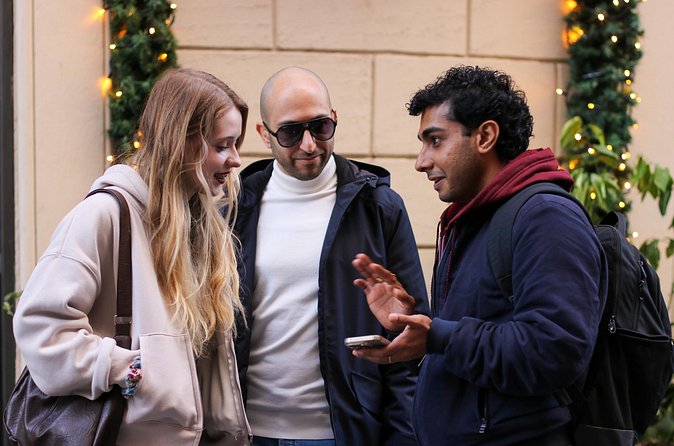
After the fountain, you’ll head to a stop featuring a stunning trompe-l’œil ceiling and baroque art. Trompe-l’œil is the kind of thing that sounds technical until you see it. Then you get it immediately: it’s designed to trick your eyes and expand what you think the room is.
The guide’s job here is to help you see the illusion as intentional. You’ll learn what to look for visually—how the ceiling pulls your focus, how the artwork shapes depth, and how baroque style uses emotion and motion to create impact.
This stop is a highlight for anyone who wants more than quick exterior snapshots. If you like art that plays with perception, you’ll enjoy this part a lot.
It’s also a solid break from pure street walking. The moment you step into a decorated interior, the tour becomes about attention, not distance.
Grand Finale at Piazza della Rotonda: An Ancient Temple Now a Church
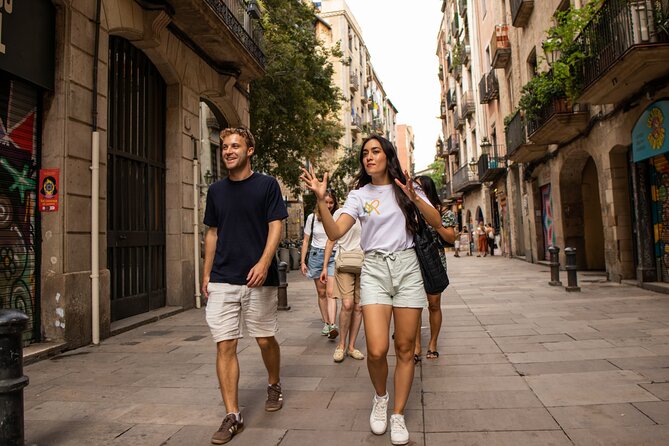
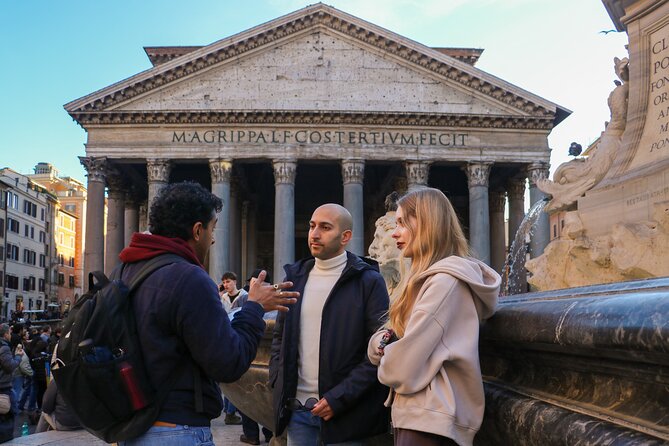
The walk ends with Rome’s best-preserved ancient temple, now a church, in the Piazza della Rotonda area. This makes a smart finale for two reasons.
First, you finish at a place you can immediately keep exploring on your own. Second, ending with a structure that bridges ancient and religious use mirrors the tour’s biggest theme: Rome layers time on top of time.
This is where your earlier stops pay off. If you’ve been listening for how Rome tells stories through design, you’ll see the connection between the ancient message and the later function. The ending feels like a closing argument, but it also works as a starting point for your next walk.
Take a few minutes after the group finishes to orient yourself and look around before you move on. Piazza della Rotonda is one of those zones where it’s easy to rush and miss what the space is doing.
Price and Timing: Does $10.65 Feel Fair?
At $10.65 per person for about 2 hours 30 minutes, this tour is strong value for the kind of guided experience it offers. You’re paying for interpretation—stories that turn landmarks into meaning—plus a walking route that helps you connect the dots.
This isn’t a long, slow day tour. It’s built for efficiency: learn the story of central Rome, cover several major themes in one go, and then break free at the end to explore further at your own pace.
Group size also supports the value. With up to 30 people, the experience is large enough to meet typical demand, but small enough that you’re not swallowed by the crowd.
If you’re budgeting, this is the type of tour that can replace a few hours of aimless wandering. It helps you choose where to go next.
Who Should Book This Walking Tour
I’d point this one toward you if you want a guided Rome intro without feeling rushed or stuck in boring facts. The tour fits best if you:
- Like history told in a way you can follow while walking
- Want both ancient and baroque Rome in one route
- Enjoy visual stops like art and trompe-l’œil ceilings
- Prefer small-group structure so you don’t lose the thread
It’s also a good start-trip tour. If it’s early in your Rome days, you’ll likely use the orientation you get here when you visit sights later.
Practical Tips Before You Go
This is in the center of Rome and includes multiple outdoor and at least some indoor viewing moments. Since the tour is about 2.5 hours of walking, wear shoes that can handle stone streets and plan to keep a steady pace.
You’ll also be in a central sightseeing area, so expect normal city crowds around famous spots. Use that time to practice patience: listen for the guide’s framing, then look at what they’re pointing out instead of just staring at the biggest postcard angle.
If you’re using a phone, note the tour uses a mobile ticket. Keep it accessible so you can start quickly.
Should You Book This Rome Walk?
Yes, I think it’s worth booking if you want an organized, story-driven stroll that keeps Rome understandable. The strongest reasons to choose it are the relaxed pacing, the engaging way the guide connects each era to what you’re seeing, and the fact that you end at a prime spot to keep exploring right after.
Skip it only if you strongly dislike walking tours or if you’d rather spend your time on one single monument instead of sampling multiple themes—ancient victory and engineering, everyday urban life, then baroque art and a temple-turned-church ending.
If you want a smart first pass through central Rome, this one gives you a lot of payoff for the time.
FAQ
How long is the walking tour in Rome?
It’s approximately 2 hours 30 minutes.
Where does the tour start?
It starts at Piazza di S. Marco, 00186 Roma RM, Italy.
Where does the tour end?
It ends at Piazza della Rotonda, 00186 Roma RM, Italy, in the city center.
What language is the tour offered in?
The tour is offered in English.
How much does it cost?
The price is $10.65 per person.
Do I need a printed ticket?
No. You’ll receive a mobile ticket.
How large is the group?
The tour has a maximum of 30 travelers.
Is free cancellation available?
Yes. You can cancel for a full refund up to 24 hours in advance.
Are service animals allowed?
Yes, service animals are allowed.
Is it near public transportation?
Yes, it’s described as near public transportation.
Is the tour suitable for most people?
Most people can participate.