REVIEW · ROME
Rome: Colosseum and Ancient Rome Guided Walking Tour
Book on GetYourGuide →Operated by Tours About · Bookable on GetYourGuide
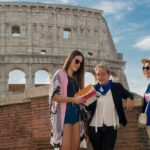
Ancient Rome hits hard, fast. In 2.5 hours, you move through the Colosseum, Roman Forum, and Palatine Hill with a live guide, headsets, and entry fees included. I especially like the way the tour makes the sites feel connected instead of three separate photo stops, and I love the viewpoint payoff from Palatine Hill. One possible drawback: it’s a steady pace with short breaks, so plan to keep moving.
This is the kind of tour that works best when you want context as you go. You’ll hear the big stories behind the arena, plus what life looked like around the Via Sacra—temples, markets, politics, and crowds. The guide’s job is to turn stone and gaps in walls into a clear mental picture, fast.
Finally, this is outdoors for most of the route. The tour operates in all weather, and the Colosseum entrance can include a security queue. That’s not a deal-breaker; it’s just how Rome works when the calendar is packed.
In This Review
- Key highlights you should care about
- What this tour is really like (2.5 hours, three big stops)
- Entering the Colosseum and understanding the arena
- Roman Forum and the Via Sacra: where politics met everyday life
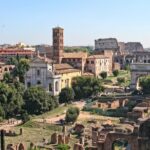
- Climbing Palatine Hill for views you’ll remember
- Meeting point math: getting to Via delle Terme di Tito 93
- Guides, languages, and keeping the group engaged
- Price and value: why $41 can make sense
- Weather and ticket changes: what to expect on the ground
- Who should book this Colosseum–Forum–Palatine tour
- Quick practical notes before you go
- Should you book it?
- FAQ
- How long is the Rome Colosseum and Ancient Rome guided walking tour?
- What is included in the $41 price?
- What languages are the live guides available in?
- Where is the meeting point for the tour?
- If I arrive by Metro, how do I get to the meeting point?
- Do I need a passport or ID?
- Is the tour offered in all weather?
- Are there any items I should not bring?
- Is the tour wheelchair accessible?
- Will there be a line to enter the Colosseum?
Key highlights you should care about

- Colosseum main arena focus: You see the structure’s core story, not just the exterior.
- Roman Forum + Via Sacra context: You connect monuments to daily political and social life.
- Palatine Hill climb with city views: Expect a payoff once you reach higher ground.
- Headsets included: Easier listening through crowds and noise.
- Guided pacing that prioritizes seeing: Great if you want momentum; less great if you need long rests.
- Queue + ticket availability can shift timing: Build in a little flexibility once you arrive.
What this tour is really like (2.5 hours, three big stops)
This guided walk is built for people who want the essentials of Ancient Rome without spending a whole day. At $41 per person, the value comes from what’s included: entry fees, headsets, and a live guide. You’re not just walking near monuments; you’re paying for guided access and narration that tries to make the sites click.
The time window matters. Two and a half hours is enough to get a meaningful sense of scale at the Colosseum, understand the Forum as a political hub, and still reach Palatine Hill for views. It’s also short enough that the group won’t linger for long at every corner. If you’re the type who needs long photo pauses, go in knowing you’ll be moving.
The format also helps you keep up. Headsets mean you can actually hear the guide while you’re standing close to other visitors. And since the guide speaks multiple languages (German, Spanish, English, Italian, French), you’re not stuck relying on translations you can’t control.
You can also read our reviews of more walking tours in Rome

Entering the Colosseum and understanding the arena
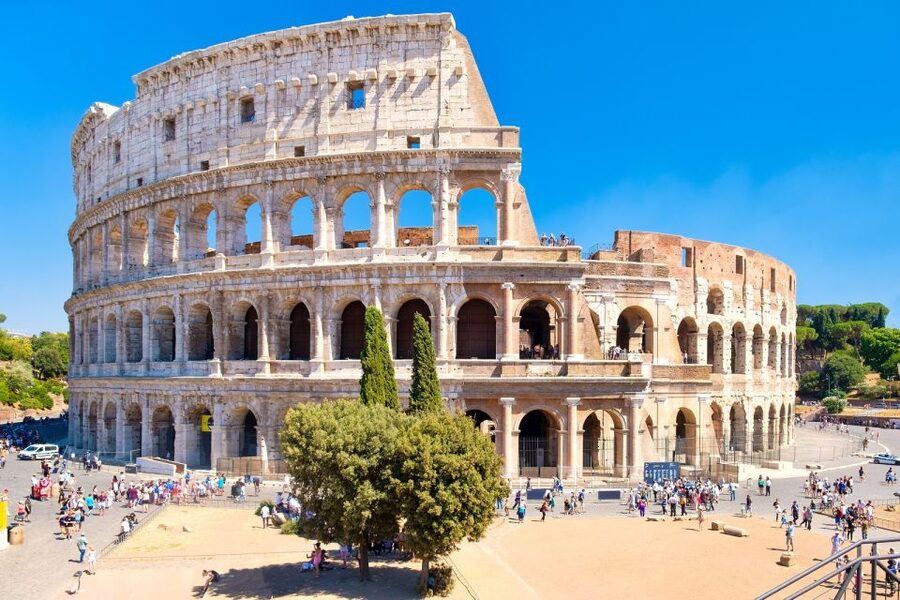
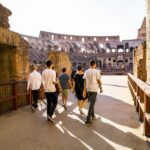
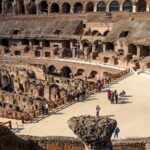
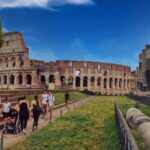
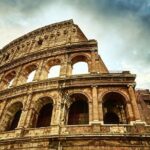
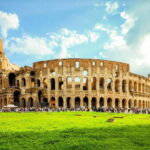
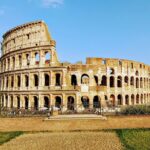
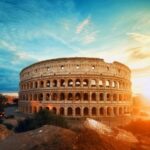
The Colosseum is the obvious headline. But the best part of a guided visit is that it answers the questions you’re likely to have standing there. What was this for? How did it work? What did people believe about it? This tour is designed around those story points.
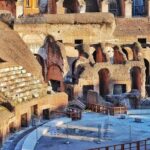
You’ll see the mighty arena where gladiators fought—where “man and beast” were part of the spectacle. That theme isn’t just dramatic wording; it’s the lens the guide uses to explain the Colosseum’s role in Roman public life. You also get historical facts and ancient myths tied to the structure, so the ruins don’t feel like random architecture.
One practical detail: expect a queue to enter the Colosseum due to security checks. That can add time even when your tour is scheduled. If you’re counting on the entrance to be instant, it won’t be. If you arrive a bit early and keep your mood steady, the wait becomes less annoying.
Roman Forum and the Via Sacra: where politics met everyday life
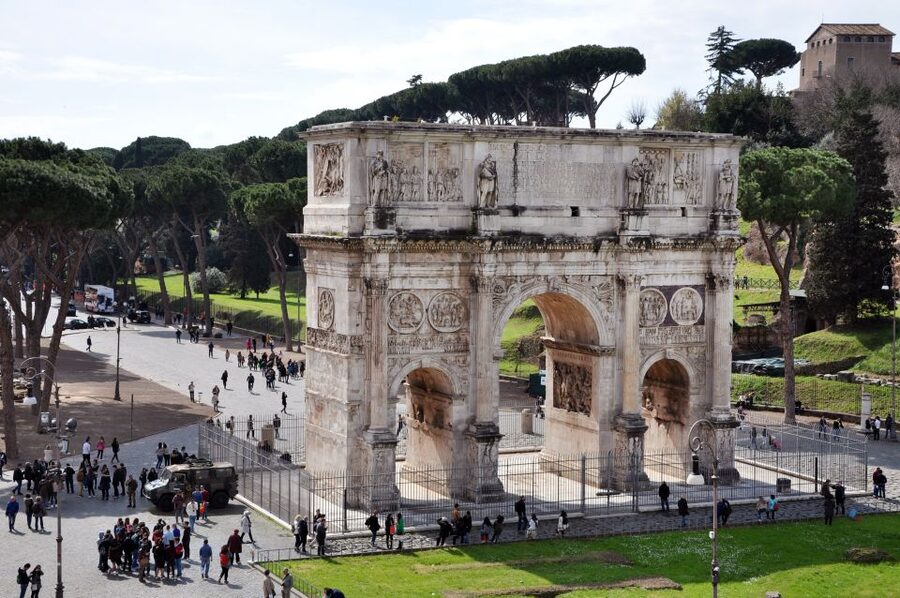
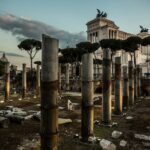
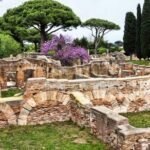
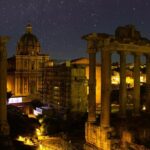
After the Colosseum, the tour shifts from entertainment to power. The Roman Forum and surrounding spaces were the center of civic life—places where decisions happened and where the Roman world felt close-up.
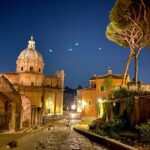
What makes this part worthwhile is the connection the guide tries to build. You don’t just see ruins labeled with centuries-old names. You walk along the heart of the action—the Via Sacra—where temples and markets sat near the routines of politics and public social life. It’s the kind of narration that helps you understand why the Forum mattered beyond its famous monuments.
This is also where the tour’s pacing shows. There aren’t long, slow pauses; it’s more like an active walk with stops to orient you. If you prefer leisurely roaming, you might feel the time gets spent efficiently rather than gently. Still, if your goal is to understand the layout and meaning of the Forum, the guided flow is the point.
Climbing Palatine Hill for views you’ll remember
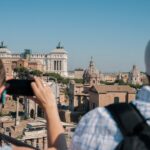
Palatine Hill is where the tour earns its final big visual reward. The walk up helps you understand why this spot is famous: it gives you perspective on Rome’s sprawl and the way the city stretches out around ancient centers.
The guide also frames Palatine Hill as more than a viewpoint. It’s part of the story of who lived near power and where elite spaces met the broader city. And since the tour ends at or around the hilltop vistas, you’re not leaving Rome’s scale to chance—you finish with a payoff.
This is a good moment to slow your own expectations, even if the group doesn’t fully. You’ll want a few minutes to look out and let the scene settle. It’s the easiest way to translate what you’ve just heard into a real mental map.
Meeting point math: getting to Via delle Terme di Tito 93
Logistics matter with this tour because you’re dealing with a scheduled entrance and a specific meeting place. You meet at Via delle Terme di Tito 93.
If you’re coming by Metro, the instructions are clear:
- From Colosseo metro station, reach the terrace above the station.
- Walk on Via Nicola Salvi about 100 meters.
- Turn left.
Two caution points based on real-world experience: first, the meeting time can change, and you should be ready for a phone call or text. Second, no refund is issued for late arrivals. That means you don’t want to cut it close.
If you’re using GPS, I recommend double-checking by reading the street name. In busy tourist areas, directions can sometimes land you near the right neighborhood but not the right exact spot. Arrive early enough that you can correct without stress.
You can also read our reviews of more guided tours in Rome
Guides, languages, and keeping the group engaged
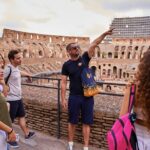
A big strength here is the live guide. The tour runs in multiple languages—German, Spanish, English, Italian, French—so you can choose the language that helps you process details instead of playing guessing games.
You may encounter guides like Maria and Joseph, who have been highlighted for clear explanations and an upbeat approach. Stefanie De Majo (and also Stefania) has been noted for being kind and professional, with a background in archaeology that shows up in how she links each site’s details to the bigger story.
What I like about this kind of guide-led format is simple: the monuments become a conversation. You get historical facts plus myths, and the guide points out what to look for while you’re in place—rather than leaving you to interpret everything from your own research.
Some groups also benefit from a guide who keeps kids and teens interested. If you’re bringing younger travelers, look for the language and guide style that can handle questions and attention swings. Based on prior experiences with this tour style, that’s one of the strengths you might get.
Price and value: why $41 can make sense
At $41 per person for 2.5 hours, this is priced as an entrance-and-guide experience, not a basic walking tour. The value comes from three items that are included:
- Entry fees
- Headsets
- A guide
Transportation is not included, so you still pay your own way to the meeting point. But compared with piecing together tickets and trying to hear a guide without headsets, this package tends to be efficient—especially when you have only a limited number of hours in Rome.
The other value factor is time management. Ancient Rome is huge. Without guidance, you can spend more time orienting than understanding. Here, the structure is designed to keep you moving through the most important areas in a short window.
Weather and ticket changes: what to expect on the ground
This tour operates in all weather conditions. That doesn’t mean you’ll have perfect comfort, but it does mean you’re not at the mercy of a sunny forecast. If rain starts, you’ll still be out there walking.
Ticket availability can also affect the exact sequence of stops. The itinerary segments could change depending on Colosseum ticket availability. That’s worth knowing because it can influence how you experience the route on the day you go.
Then there’s the entrance reality: security checks can add time. So if you’re the type who wants rigid schedules, build in slack. The best way to enjoy this tour is to treat it as a guided walk with a tight theme, not a clockwork performance.
Who should book this Colosseum–Forum–Palatine tour
This tour fits best if you:
- Want the main Ancient Rome hits without planning every ticket detail yourself.
- Like learning while you walk, with headsets so you can actually hear the guide.
- Prefer a structured route through the Colosseum, Roman Forum, and Palatine Hill over self-guided wandering.
It’s less ideal if you:
- Need lots of breaks or a slower pace. The format is designed for continuous viewing.
- Have mobility limitations. It’s not suitable for people with mobility impairments and wheelchair users.
- Travel with large bags or items that are restricted.
Quick practical notes before you go
You’ll want to follow the rules so you don’t get blocked at the wrong moment. Bring:
- Passport or ID card (and for children, their own ID as well)
Not allowed:
- Pets
- Weapons or sharp objects
- Luggage or large bags
- Alcohol and drugs
- Glass objects
These restrictions are the kind that can feel annoying, but they’re also the reason security lines exist. Travel light, and you keep the day moving.
Should you book it?
I’d book this tour if you want a focused, high-value way to see the Colosseum and understand how the Roman Forum and Palatine Hill fit into the same story. The price makes sense for what you get—entry fees, headsets, and a live guide—and the Palatine Hill viewpoint is a strong reason to choose a guided route over a quick self-walk.
Skip it (or consider a different format) if your ideal Rome day is slow, flexible, and built around long rests. Also, if mobility is an issue, this isn’t designed for you.
If you match the format, you’ll come away with a clearer picture of how Rome’s power and spectacle were built into the same landscape.
FAQ
How long is the Rome Colosseum and Ancient Rome guided walking tour?
The tour lasts 2.5 hours.
What is included in the $41 price?
Entry fees, headsets, and a live guide are included.
What languages are the live guides available in?
The tour offers live guides in German, Spanish, English, Italian, and French.
Where is the meeting point for the tour?
You meet at Via delle Terme di Tito 93.
If I arrive by Metro, how do I get to the meeting point?
From Colosseo metro station, go to the terrace above the station, walk on Via Nicola Salvi about 100 meters, and turn left.
Do I need a passport or ID?
Yes. Bring a passport or ID card, and children also need their own passport or ID card.
Is the tour offered in all weather?
Yes. The tour operates in all weather conditions.
Are there any items I should not bring?
Pets are not allowed, and you also can’t bring weapons or sharp objects, luggage or large bags, alcohol and drugs, or glass objects.
Is the tour wheelchair accessible?
No. It is not suitable for people with mobility impairments and wheelchair users.
Will there be a line to enter the Colosseum?
There may be a queue to enter the Colosseum due to security checks.