REVIEW · KATHMANDU
Kathmandu 4-Heritage Sites Tour
Book on GetYourGuide →Operated by Cordial Trek Pvt. Ltd. · Bookable on GetYourGuide
Durbar Square to Pashupatinath in one day sounds busy, but it works. I like how this tour layers four UNESCO sites into one smooth pilgrimage arc, and I really enjoy the rare chance to see the Living Goddess Kumari connection at Kumari Ghar.
I also like that the pacing is guided and practical: you’re not just walking, you’re learning what to look for, with time set aside for panoramic views and major religious rituals. The one consideration is simple: it’s not suitable for wheelchair users and it involves walking on uneven ground at older temple areas.
- Four UNESCO stops, one guided day so you spend time where it matters instead of bouncing between neighborhoods on your own.
- Kumari Ghar at Kathmandu Durbar Square gives you a glimpse into one of Kathmandu’s most unusual cultural traditions.
- Swayambhunath viewpoints are built in, so you get the “wow” city panorama without hunting for it.
- Boudhanath Stupa offers a calmer pause in the middle of intense sacred sites.
- Pashupatinath on the Bagmati River is where you’ll understand Hindu ritual life in a direct, unforgettable way.
In This Review
- Kathmandu’s Four UNESCO Sites: A Guided Day That Makes Sense
- Durbar Square and Kumari Ghar: Start at the Heart of Ancient Newar Kathmandu
- Swayambhunath Monkey Temple: The Hilltop Views and the Sacred Energy
- Boudhanath Stupa: A Calm Reset Mid-Day
- Pashupatinath on the Bagmati: Hindu Rituals and the Cremation Reality
- Panoramas, Prayer Flags, and Architecture: What You Really Gain
- Getting Around Efficiently: Private AC Vehicle and Express Security
- Price and Value: What $61 Buys You in Real Terms
- Who This Tour Fits Best (and Who Should Think Twice)
- What to Bring for a Smooth Day in Kathmandu
- Should You Book the Kathmandu 4-Heritage Sites Tour?
- FAQ
- How long is the Kathmandu 4-Heritage Sites Tour?
- What sites are included in the tour?
- Is the tour private?
- What is included in the price?
- Are monument entrance fees included?
- Where are the pickup and drop-off options?
- Is the tour suitable for wheelchair users?
Kathmandu’s Four UNESCO Sites: A Guided Day That Makes Sense
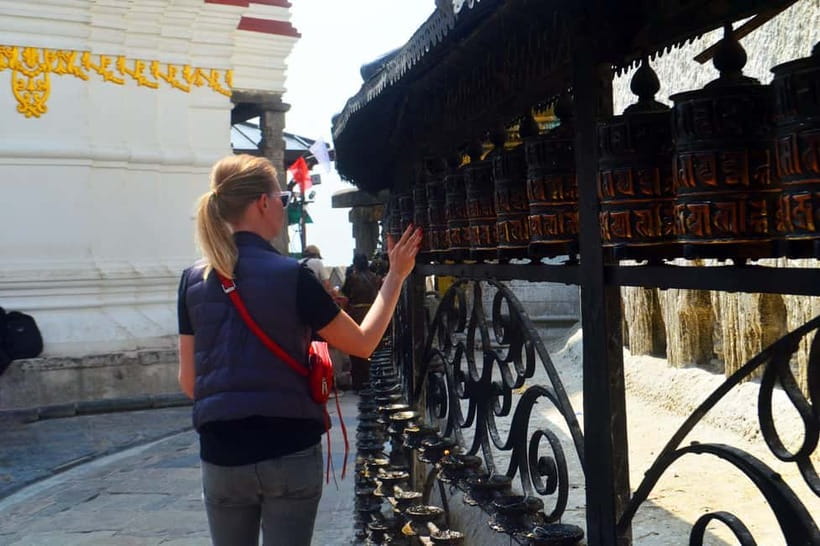
Kathmandu can feel like a big, noisy blur if you try to “wing it.” This kind of 4-heritage sites tour is the opposite. You start with hotel pickup, move in a private air-conditioned vehicle, and hit the key UNESCO locations with an English-speaking guide who helps you connect the dots.
What makes it genuinely worth your time is the flow. You go from a seat of Newar civilization (Durbar Square), to a hilltop spiritual landmark (Swayambhunath), to a major stupa that draws pilgrims for quiet focus (Boudhanath), and then to one of Hinduism’s most important riverfront temple complexes (Pashupatinath). It’s like watching one city tell its own story in chapters.
You’ll be doing real sightseeing too, not just staring at buildings. Panoramic views are built into the schedule, prayer flags and stupas give you that “slow down” visual rhythm, and the ritual elements at Pashupatinath are the kind of cultural scene you won’t forget. Just don’t come expecting easy, flat paths everywhere.
Durbar Square and Kumari Ghar: Start at the Heart of Ancient Newar Kathmandu
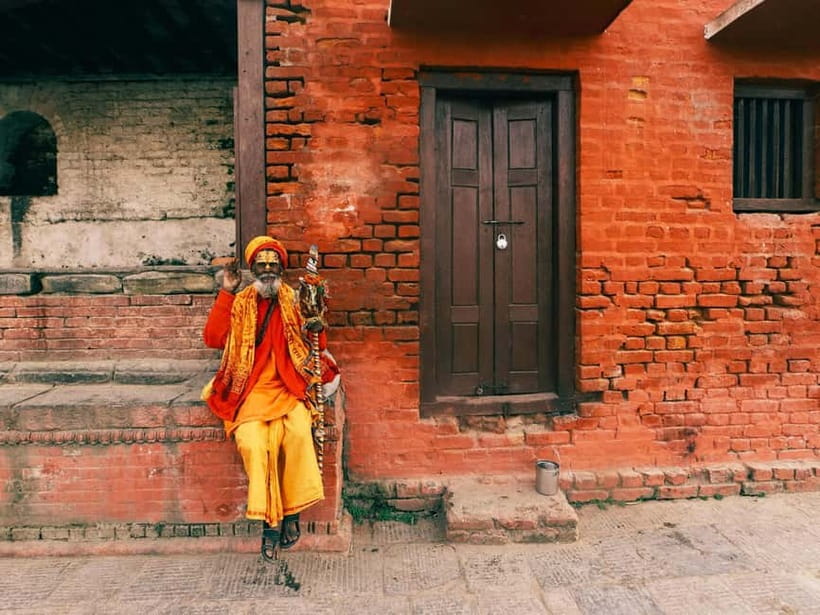
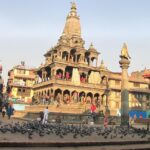
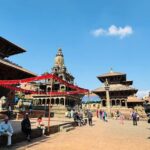
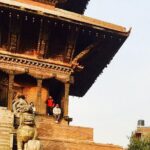
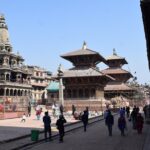
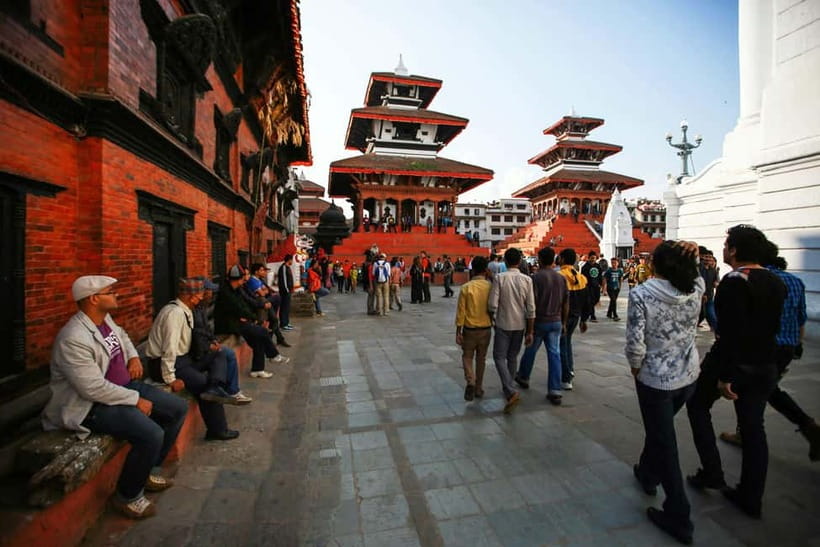
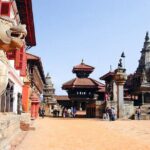
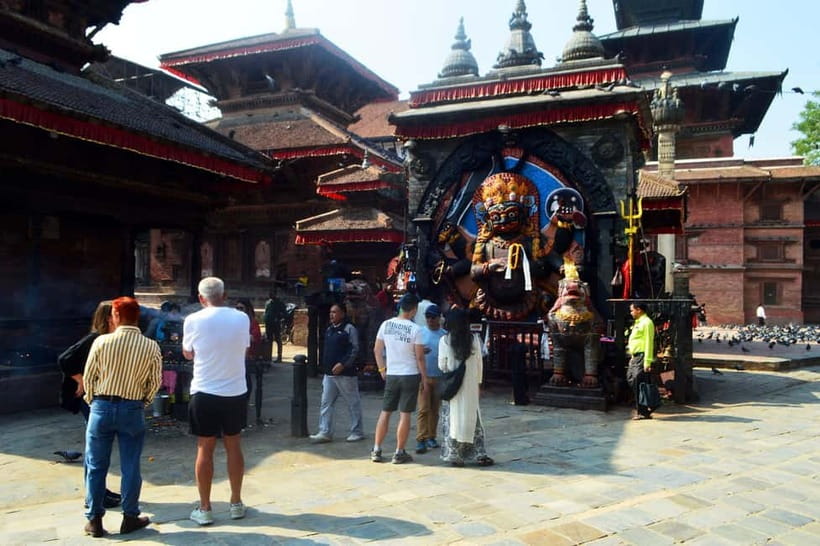
Kathmandu Durbar Square is a strong opening stop. Even if you’ve seen temple squares before, this one carries a dense sense of place because it’s linked to the palace complex and the Newar cultural world.
Your guided time here is set at about an hour. That’s enough to walk the main courtyards and see the architectural details without feeling like you’re sprinting. The big draw for many people is the Kumari Ghar, where the tradition of the Living Goddess Kumari is tied into the site.
What’s useful for you is not just seeing the idea, but understanding why it matters. Kumari traditions are deeply symbolic in Nepal’s Hindu and cultural landscape, and having a guide means you’re less likely to miss the meaning behind what you’re looking at. And because you’re starting at Durbar Square in the morning, you’ll usually have more energy to take in details before the day gets hot or tiring.
Possible drawback: this area is old and active, so you should be ready for crowds and uneven walking. If you’re hoping for a totally smooth, low-effort start, this won’t be that kind of visit.
You can also read our reviews of more historical tours in Kathmandu
Swayambhunath Monkey Temple: The Hilltop Views and the Sacred Energy
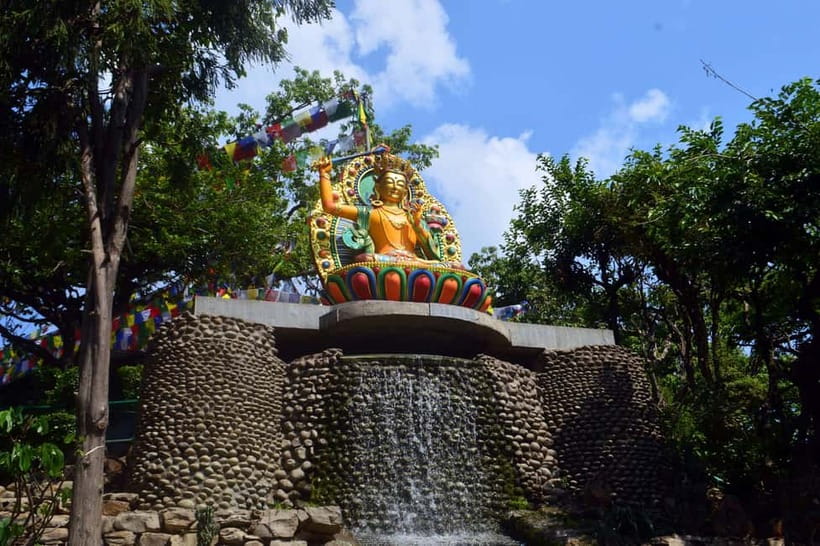
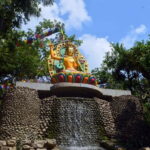
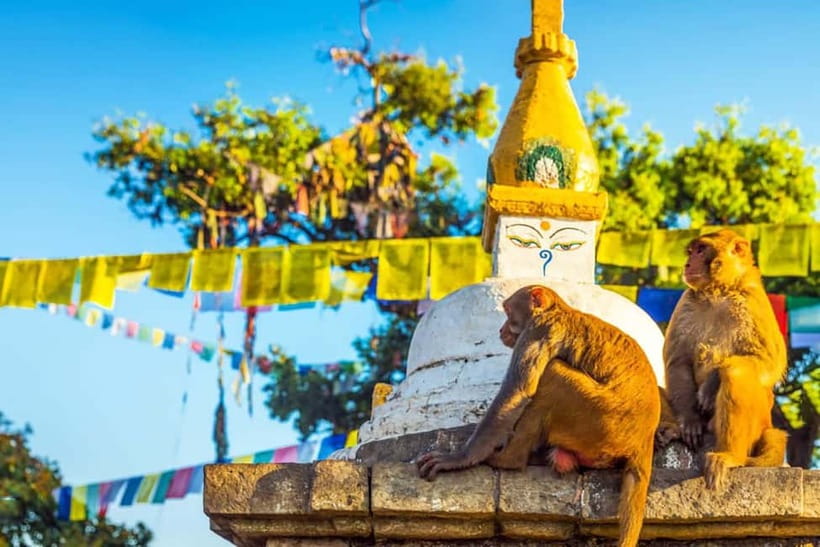
Next comes Swayambhunath, the Monkey Temple. The main reason this stop works on a guided schedule is that you get both the spiritual setting and the city overview without guessing where to stand for the best angles.
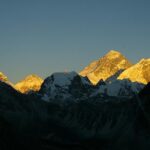
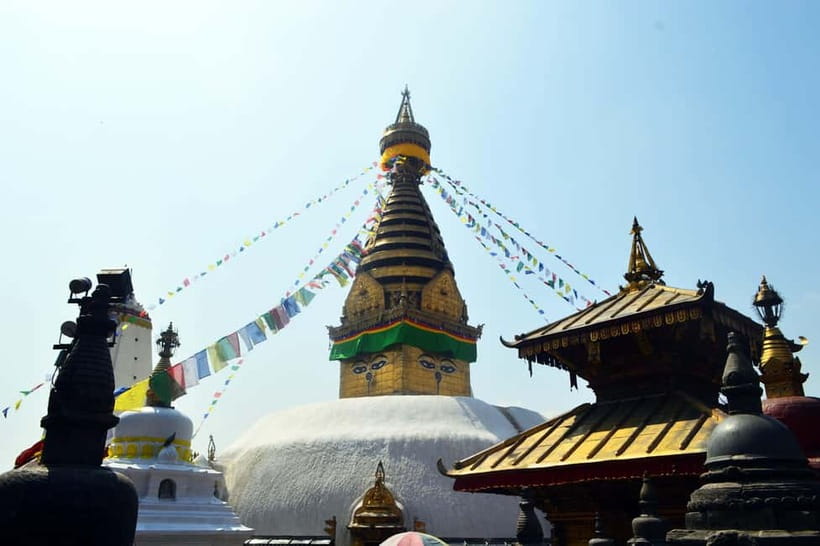
Swayambhunath includes ancient shrines and structures, and the hilltop position gives you those famous panoramic views over Kathmandu. When you have a guide, it helps you look beyond the obvious. You start to notice how the different shrines relate to the larger spiritual meaning of the complex, and you understand what you’re seeing while you’re standing there.
Plan on about an hour for the guided portion. That timing matters. At this kind of site, you’ll want moments to linger and moments to keep moving. One hour often hits a practical sweet spot: long enough to absorb, short enough to avoid feeling trapped in one spot for the whole day.
Watch out for monkeys, and not in a funny way. This is a temple area where monkeys live around the site. Keep your belongings secure, don’t tempt them, and stay alert if you’re carrying food or loose items. It’s not mentioned as a safety lecture, but it’s part of the reality of Swayambhunath.
Boudhanath Stupa: A Calm Reset Mid-Day
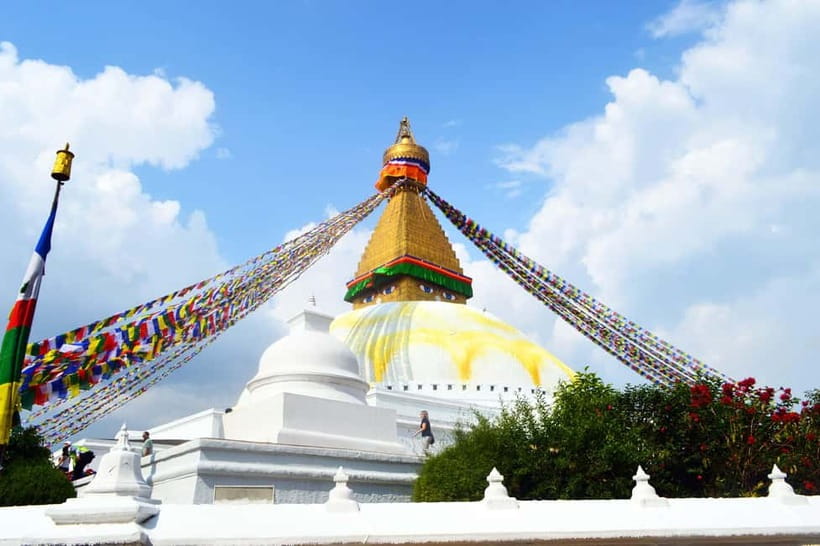
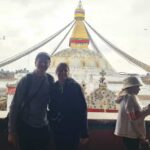
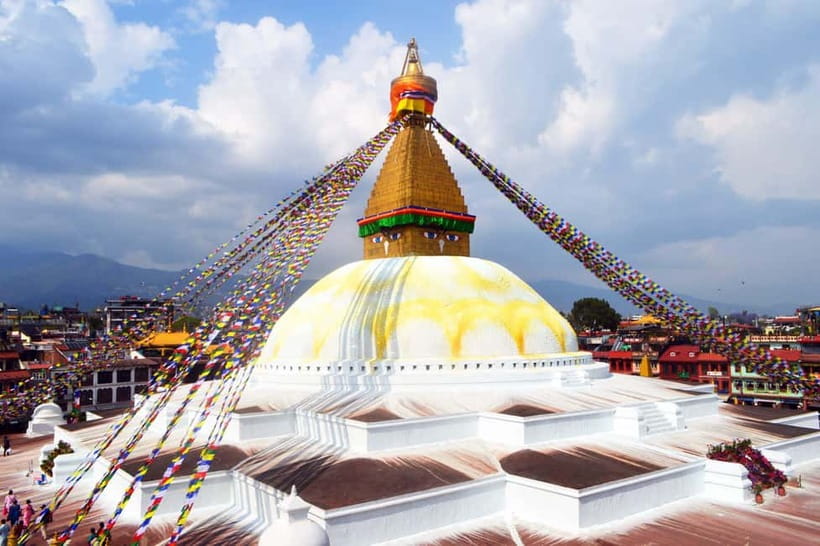
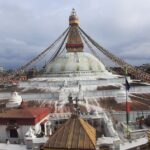
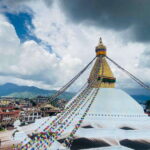
After the more intense energy of Durbar Square and the hilltop crowds, Boudhanath Stupa is a wise reset. This stop is famous for its monumental presence, and it’s built for pilgrims who come to focus, pray, and sit with the setting.
Your guided time here is also about an hour. That’s ideal because the stupa invites longer pauses, but you’re still within a day plan that ends at Pashupatinath. You’ll get a chance to see the stupa and take in the surrounding prayer activity, with your guide helping you interpret what you’re seeing as part of a larger Tibetan Buddhist and pilgrimage atmosphere.
A practical thing I like about this stop is the pacing. Mid-day is when you can lose enthusiasm if you’re rushing. Boudhanath is one of the places where you can slow down without feeling like you’re wasting time.
One small consideration: if you’re sensitive to crowds or close-to-the-stupa movement, plan your posture. People gather in tight areas, and you may want to step back and re-approach for photos rather than forcing it.
Pashupatinath on the Bagmati: Hindu Rituals and the Cremation Reality
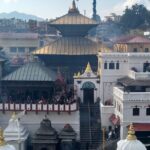
Ending at Pashupatinath Temple is where the day turns from sightseeing into something more direct. This is a sacred Hindu site on the banks of the Bagmati River, and the schedule includes time to witness the sacred rituals unfolding at this complex.
Your guided visit here is about an hour. It’s enough time to understand how the riverfront setting functions as a spiritual stage and how rituals are organized around the temple and river access points.
The highlight here is also the hardest part to describe if you’ve never encountered Hindu funeral traditions in person. This is one of those experiences where you’ll be seeing cremation rituals as part of religious practice. People come for culture and history, but the lived reality is what makes the site powerful.
If you’re considering booking, decide how you feel about witnessing sensitive rituals. You don’t need to be “strong” in some movie sense, but you should go in prepared for it. A guide helps you keep context so it doesn’t feel random or uncomfortable without meaning.
Tip for your comfort: dress respectfully, keep your camera controlled, and follow your guide’s cues about where to stand and how to observe.
Panoramas, Prayer Flags, and Architecture: What You Really Gain
This tour isn’t only about ticking off UNESCO plaques. It’s about how those places teach you to read Kathmandu.
You’ll see:
- Panoramic views from Swayambhunath that let you map the city fast.
- Prayer and sacred symbolism at places like Boudhanath, where the visual repetition (stupas, flags, movement) creates a calmer mental rhythm.
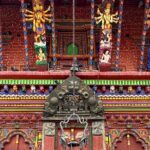
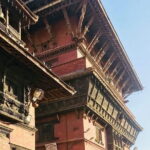
- Architectural details that make sense when a guide puts them in cultural context, especially at Durbar Square where palace courtyards and ritual spaces connect.
I also like that the day is structured around major “meaning moments,” not just short photo stops. A typical problem with independent travel is that you rush and take pictures but still leave with “I saw it, but what does it mean?” Here, you’re guided through meaning as you go.
And because it’s a private group, the pace feels more like you. You can ask questions as you see them, and the guide isn’t balancing everyone’s attention span at once.
Getting Around Efficiently: Private AC Vehicle and Express Security
Kathmandu traffic and travel time can eat a day fast. This is why the transportation setup matters. You’re in a private air-conditioned vehicle, and pickup and drop-off are included.
You’ll choose from two pickup options: Thamel or Kathmandu. Drop-off is also offered at Kathmandu or Thamel. That flexibility helps if you’re staying in a central area and don’t want to get shuttled farther than needed.
Pickup timing is also practical. You’re asked to wait for your guide and driver in your hotel lobby or apartment entrance about five minutes before your scheduled pickup time. That small detail helps you avoid delays and keep the day on track.
Another helpful piece: the tour includes an express security check, which means you can skip some waiting at controlled entry points. It’s the kind of benefit you notice only when you’re grateful you’re not stuck in a long line.
The total duration is listed as 6 hours, with start times depending on availability. If you hate early starts, check the available pickup times before you lock it in.
Price and Value: What $61 Buys You in Real Terms
The price is listed at $61 per person for a 6-hour private day. On paper, it’s affordable compared to many private guided options, especially because you get several items bundled together.
Included:
- Hotel pickup and drop
- Private air-conditioned vehicle
- Experienced tour guide (English)
- Bottled drinking water
- The four UNESCO sites tour
- Express security check
Not included:
- Meals
- Monument entrance fees (noted as an add-on available)
- Personal expenses
Here’s how I think about value from a real traveler lens. If you tried to do this yourself, you’d pay for transport, you’d spend time figuring out logistics, and you’d likely miss context that a guide provides for sites like Kumari Ghar and the ritual elements at Pashupatinath. Paying for guidance is worth it when the cultural “meaning layer” is the whole point.
The one potential cost surprise is entrance fees. They’re not included, and they can add up depending on what you choose to pay for. If you can, confirm entrance-fee add-ons in advance so you’re not recalculating your budget mid-day.
Also remember: the tour includes bottled water, but it does not include food. If your day plan has you thinking about meals, plan for snacks or a meal before pickup or right after drop-off.
Who This Tour Fits Best (and Who Should Think Twice)
This tour fits you if you want a guided, culturally focused day that connects multiple UNESCO sites into one coherent story. It’s especially good if you:
- Want Living Goddess Kumari context rather than just a quick look
- Enjoy panoramic viewpoints and want them scheduled, not improvised
- Are interested in how Hindu ritual life plays out in major sacred spaces
- Like the idea of a private group pace, with an English guide and less hassle between locations
It’s less ideal if you have mobility limitations. The activity is not suitable for people with mobility impairments and it’s not for wheelchair users. The sites are old and walking-heavy, and you’ll need flexibility.
It also helps if you’re comfortable with crowds and sacred activity. These are working pilgrimage sites, not museum halls.
What to Bring for a Smooth Day in Kathmandu
You’ll want to keep things light. The tour asks you to bring:
- Passport
- Camera
- Cash
- Daypack
That makes sense because you may run into situations where you need an ID or payment for add-ons like entrance fees. I’d also add a practical mindset: wear comfortable shoes you don’t mind getting dirty, and bring a layer because temple areas can shift between sun and shade.
If you’re planning to take lots of photos, keep your camera accessible but secure. At sites like Swayambhunath, don’t let your gear become an easy target for monkeys.
Should You Book the Kathmandu 4-Heritage Sites Tour?
I’d book it if you want the highest payoff day in Kathmandu without spending your energy on logistics. The private vehicle, English guide, built-in time at Durbar Square, Swayambhunath, Boudhanath, and Pashupatinath, and the express security check are exactly the kinds of practical perks that turn a stressful city into a manageable day.
Skip it if you want a fully comfortable, low-walking experience or you need wheelchair access. Also, be ready for the Pashupatinath ritual component. If that makes you uneasy, make your decision based on your own comfort level before you commit.
If you’re traveling for culture and you like the idea of seeing Kathmandu’s spiritual life across four UNESCO sites, this is a solid value at $61, especially because meals and entrance fees are the only obvious extras you’d likely face.
FAQ
How long is the Kathmandu 4-Heritage Sites Tour?
The tour duration is 6 hours.
What sites are included in the tour?
The tour includes Kathmandu Durbar Square, Swayambhunath, Boudhanath Stupa, and Pashupatinath Temple.
Is the tour private?
Yes, it is listed as a private group.
What is included in the price?
Hotel pickup and drop, a private air-conditioned vehicle, an experienced English tour guide, bottled drinking water, and the four UNESCO sites tour are included.
Are monument entrance fees included?
No. Monument entrance fees are not included, but an add-on is available.
Where are the pickup and drop-off options?
Pickup options are Thamel or Kathmandu. Drop-off options are Kathmandu or Thamel.
Is the tour suitable for wheelchair users?
No. It is not suitable for people with mobility impairments or wheelchair users.