REVIEW · KATHMANDU
Kathmandu city tour – 4 UNESCO World Heritage Sites
Book on Viator →Operated by Trekking Planner Nepal · Bookable on Viator
Four UNESCO stops in a half-day. This Kathmandu city tour is a practical way to see royal-era Kathmandu and major sacred sites without turning your day into a route-planning project. I especially liked the focus on Kathmandu Durbar Square and Swayambhunath—two places that show how religion and everyday life overlap in the city. The one thing to plan for is extra cost: monument entry fees are not included, and they’re paid locally in NPR.
I also like that the timing is built for a small group (maximum 10), so your guide can slow down or speed up based on what you want to spend time on. The tour includes hotel pickup and drop-off plus an air-conditioned car/van, which makes it feel efficient even when traffic is unpredictable.
In This Review
- Key highlights before you go
- What You’re Buying for $75: Four UNESCO Stops Plus Real Logistics
- Route Overview: Durbar Square, Swayambhunath, Boudhanath, Pashupatinath
- Kathmandu Durbar Square and Hanuman Dhoka: Royal-Courtyard Energy
- Swayambhunath Monkey Temple: A Short Sacred Stop With Big Atmosphere
- Boudhanath Stupa With a Lunch Break: Where Time Feels Slower
- Pashupatinath Temple: One Focused Hour at a Major Hindu Site
- Timing and Pacing: How a 4–6 Hour Tour Feels Manageable
- Money and Tickets: Entry Fees Are Local, and You’ll Need NPR
- Weather Matters: Plan for Conditions, Not Just Dates
- Who This Tour Best Fits (and Who Should Skip It)
- Booking Timing: When to Lock In
- Should You Book This Kathmandu 4 UNESCO City Tour?
- FAQ
- What is the duration of the Kathmandu city tour?
- How much does the tour cost?
- Are entry tickets to the monuments included?
- Is hotel pickup and drop-off included?
- Do I get a mobile ticket?
- How large is the group?
- What is the cancellation policy?
- What happens if the weather is poor?
Key highlights before you go
- Four UNESCO World Heritage Sites, one compact loop through central and edge-of-city Kathmandu
- Hotel pickup and drop-off plus an A/C vehicle that keeps the day comfortable
- Small group size (up to 10 travelers) for a calmer pace and easier questions
- Professional guide guidance (and in one of the guide-focused reviews, Kedar is specifically praised)
- A lunch break built in around the big stupa stop at Boudhanath
What You’re Buying for $75: Four UNESCO Stops Plus Real Logistics
For $75 per person, this tour isn’t trying to be a long “see everything” day. It’s more like: get you to the right places, explain what you’re looking at, and handle the driving so you can focus on the experience. That value matters in Kathmandu, where moving around can eat time if you’re doing it on your own.
The big practical win is that you get a professional guide, plus hotel pickup and drop-off by air-conditioned car/van with a driver. Those sound like standard inclusions, but in a city tour that’s only 4 to 6 hours, they make the day feel tight and organized instead of chaotic.
One more small detail I like: you receive a mobile ticket. It’s not just convenience—it reduces fumbling when you’re trying to start your visits on time.
Just remember what you’ll likely add on top: monument entry fees are paid locally (NPR 2650 per person), and food/drinks aren’t included. If you budget for those upfront, the total ends up feeling more realistic.
You can also read our reviews of more city tours in Kathmandu
Route Overview: Durbar Square, Swayambhunath, Boudhanath, Pashupatinath
This is a morning-based city tour that starts after breakfast, then moves through four major sites in a logical order. You’ll do short drives between stops, which helps keep the day from feeling like one long walking expedition.
Here’s the shape of the day:
- Kathmandu Durbar Square with Hanuman Dhoka focus (about 1.5 hours)
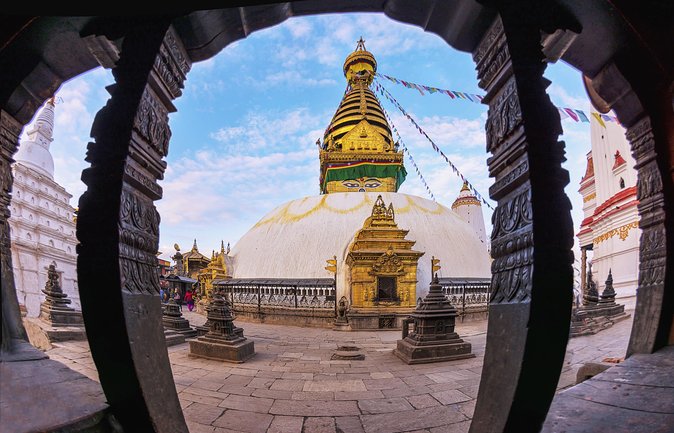
- Swayambhunath (Monkey Temple) (about 1 hour)
- Boudhanath Stupa (about 2 hours, with a lunch break)
- Pashupatinath Temple (about 1 hour)
You’re not rushed through all of them at a sprint. The schedule gives each place a workable block of time, and the guiding style you’ll experience is designed to match your interests. In one praised experience, Kedar was noted for pacing things based on the group.
A helpful way to think about it: the route covers multiple “faces” of Kathmandu. You’ll see the royal courtyard vibe at Durbar Square, a hilltop sacred complex at Swayambhunath, a huge Buddhist stupa environment at Boudhanath, and then a focused Hindu temple visit at Pashupatinath.
Kathmandu Durbar Square and Hanuman Dhoka: Royal-Courtyard Energy
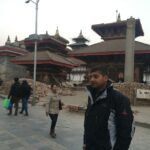
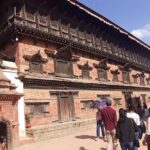
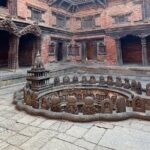
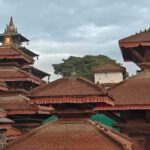
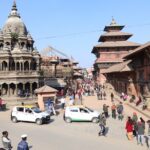
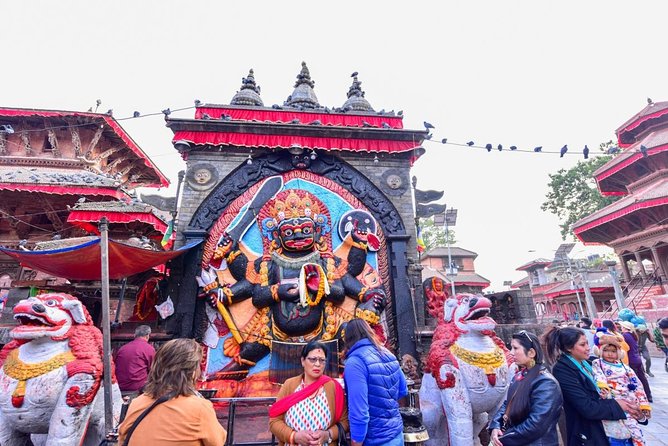
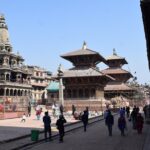
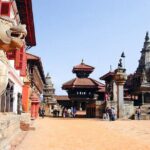
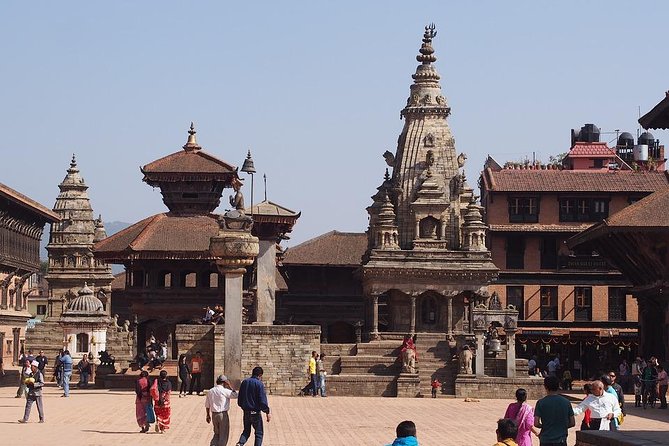
Kathmandu Durbar Square is the kind of place where you can’t help noticing that the city’s spiritual and civic life are tangled together. This stop is centered on the old royal palace/courtyard complex, with Hanuman Dhoka as the key point of reference.
You’ll have around 1 hour 30 minutes, which is enough time to take in the activity without feeling like you’re spending your whole day staring at stone details. In this area, you’ll likely find plenty going on around you—colorful everyday movement, people praying, and the general rhythm of a historic center that’s still very much alive.
What I like about this stop is that it gives you a grounding for the rest of the day. After Durbar Square, the other sites start to feel less random and more connected: you’re seeing how Kathmandu’s sacred spaces sit inside a wider urban story.
The main consideration is simple: you’ll be dealing with a busy central-city environment. That usually means you should expect crowds and some slow-downs while you move through areas. Plan to keep your pace flexible, especially if you’re someone who likes to stop often for photos and quiet moments.
Swayambhunath Monkey Temple: A Short Sacred Stop With Big Atmosphere
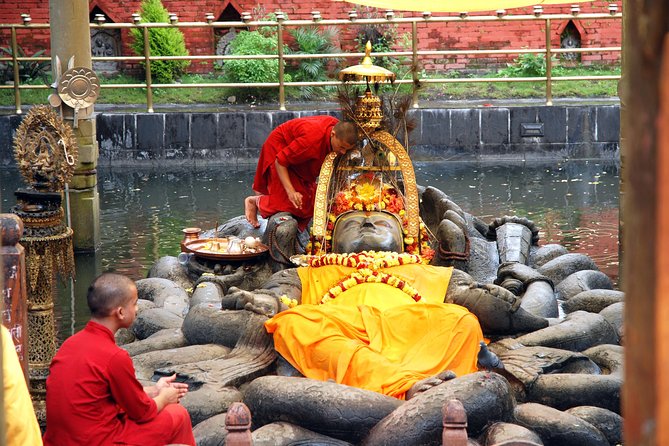
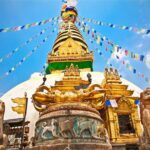
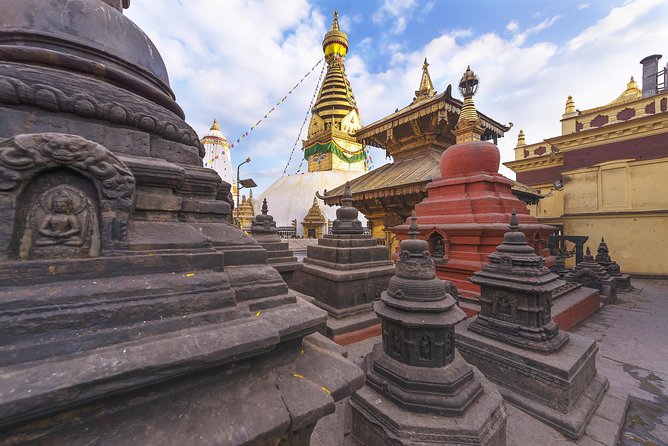
Next is Swayambhunath, often known as the Monkey Temple. You’ll get about 1 hour, which is a good length for a first look—long enough for orientation and a relaxed walk, but short enough that you don’t feel exhausted before the later stupa stop.
This is the kind of place where your senses do the work. Even if you don’t consider yourself a “temple person,” Swayambhunath tends to grab attention quickly because of the mix of visitors, prayer space, and that unmistakable presence of monkeys that lends the site its nickname.
A one-hour stop also helps you manage energy for the rest of the route. If you get motion-cautious in busy places, you’ll appreciate having a defined time window. And because admission is not included for monuments, you’ll want to keep that in mind for budgeting (NPR 2650 per person for monument entry fees).
If there’s a drawback, it’s that a short stop can mean you have to choose how you spend your time. Do you linger more, or do you move on with the group? The tour pacing is designed to be flexible, but within the time box.
Boudhanath Stupa With a Lunch Break: Where Time Feels Slower
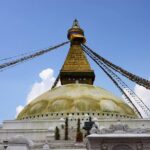
The day’s center of gravity shifts at Boudhanath Stupa. You’ll spend about 2 hours here, and the schedule includes a lunch break.
This stop is where you’ll see a large Buddhist stupa environment—an experience that’s usually less about quick sightseeing and more about settling in. With two hours, you can pace yourself: time to look around, take in the atmosphere, and step back when you want a breather.
I also like that lunch is built in here. Food timing matters in a half-day tour. If the day had you doing Durbar Square, then pushing straight through without a break, you’d probably feel it later. With Boudhanath, you get a natural pause point.
Practical note: food and drinks are not included. So use this time to eat something you can handle easily (and that doesn’t slow you down). If you have any dietary needs, it’s smart to plan how you’ll handle lunch before you reach the stop.
The only real caution I see is that this kind of stupa visit can attract steady foot traffic. If you like quiet, you may want to take your quiet time in small chunks rather than expecting a fully empty setting.
You can also read our reviews of more historical tours in Kathmandu
Pashupatinath Temple: One Focused Hour at a Major Hindu Site
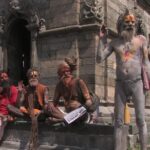
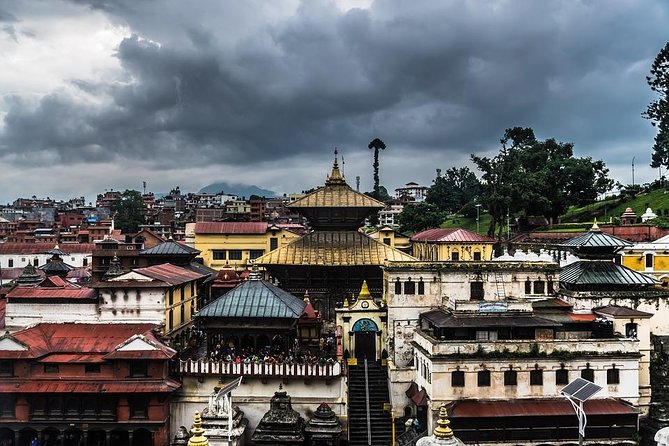
The tour ends with Pashupatinath Temple, a Hindu temple visit with about 1 hour on the schedule.
A one-hour block is ideal for a focused visit. It gives you time to understand where to look, what parts people tend to gather around, and how the temple complex functions as a living sacred space—without turning this into the long slog that can happen when you spend too much time somewhere that also has crowds and active worship.
I like that Pashupatinath is the last stop, because by then you’ve already built a sense of context. You’ve seen the royal courtyard space, the hilltop sacred complex, and the stupa environment. The final hour can feel like a clear “different lens” rather than one more thing that blurs together.
The key consideration is again admission fees and practical spending. Monuments entry fees aren’t included, and tips to your guide and driver aren’t included either. If you want a smooth wrap-up, keep some cash set aside and plan for optional tipping.
Timing and Pacing: How a 4–6 Hour Tour Feels Manageable
This experience runs about 4 to 6 hours, starting in the morning after breakfast. That length is a sweet spot in Kathmandu. Short enough to avoid fatigue, long enough to make each stop feel intentional.
The inclusion that helps most is the A/C car/van with a driver. Even when weather is warm or crowds are thick, you’re not walking long distances between each major site. You’re mainly walking around the attractions themselves.
Another value point: the tour is limited to a maximum of 10 travelers. In practice, this means you’re less likely to be herded in a big group where your questions get cut off. In the praised experience, guide Kedar was specifically noted for pacing the tour according to your wishes—which is the kind of “real flexibility” that matters on a city day.
What you should know: the exact timing can shift depending on how long you linger at each stop, plus conditions on the day. If you’re the type who likes to move fast, you can keep things tighter. If you like to slow down for photos and quiet moments, this format should let you do that without falling apart.
Money and Tickets: Entry Fees Are Local, and You’ll Need NPR
Here’s the part that can surprise people if they assume everything is bundled. Monument entry tickets are not included, and you pay locally: NPR 2650 per person.
That means:
- You’ll want to be ready with cash in local currency (or at least plan to get it).
- Your final spend will be higher than $75 when you add entry fees.
- You’ll likely also budget for lunch at the Boudhanath break.
On top of that, tips to the guide and driver are not included and are left to your discretion. Also, food and drinks aren’t included.
The good news is that the rest of the trip is covered in the $75: professional guide, A/C vehicle, and hotel pickup/drop-off, which are the core costs of making a smooth city route happen.
If you like to see your money being used toward experiences instead of logistics, this is a fair trade. If you prefer to know every cost upfront with no cash interactions, you’ll want to plan ahead for the on-site entry fees.
Weather Matters: Plan for Conditions, Not Just Dates
This tour requires good weather. If it’s canceled due to poor conditions, you’ll be offered a different date or a full refund. That’s important because outdoor movement and visibility can change what you enjoy at each stop.
In Kathmandu, weather can shift quickly, so treat the tour date as flexible. If you’re traveling during a season where conditions can turn, don’t stack your schedule too tightly with other timed activities.
I also think it’s smart to bring basics that help in temple and city settings: comfortable shoes, sun or rain protection, and a small bag that’s easy to manage. You’re not on a hike, but you’ll be on your feet in historic areas.
Who This Tour Best Fits (and Who Should Skip It)
This tour fits best if you want an efficient, guided introduction to Kathmandu’s top sacred and historic sites—without building a plan from scratch.
You’ll probably love it if:
- You want four UNESCO World Heritage Sites covered in one go
- You prefer a guide to handle the story and the flow
- You like small-group pacing (up to 10)
- You want pickup/drop-off so you can start and finish smoothly
It may not be ideal if you’re chasing a long, slow, ultra-detailed day. The time at each stop is intentionally capped (1 to 2 hours). If you love deep architectural study and you want to spend half a day in just one place, you might want a different kind of tour format.
For value seekers: at $75 with a guide and A/C transport, it’s a solid deal—as long as you budget for the local entry fees and your meal.
Booking Timing: When to Lock In
The tour is often booked about 35 days in advance on average. That tells me it’s a popular day-plan option, especially for people trying to line up a short stay with the right highlights.
If your trip dates are firm, book earlier rather than later. If your schedule is flexible, you can still get it, but earlier booking tends to reduce stress—especially with a weather-dependent experience.
Should You Book This Kathmandu 4 UNESCO City Tour?
Book it if you want a guided, organized half-day that hits major Kathmandu highlights without turning your morning into logistics. The mix of Durbar Square, Swayambhunath, Boudhanath, and Pashupatinath gives you a rounded view of how the city’s royal past and sacred traditions show up in real places you can walk through. Add hotel pickup, an A/C vehicle, and a small group limit, and it’s a comfortable way to see a lot.
Skip it only if you strongly dislike extra on-site payments and prefer fully bundled ticketing, or if you want much more time at fewer sites.
If you go in expecting a focused 4–6 hour highlights route—and you budget for local monument fees and lunch—you’ll likely find this tour hits a sweet spot between “first time in Kathmandu” and “not stuck planning.”
FAQ
What is the duration of the Kathmandu city tour?
It runs about 4 to 6 hours (approx.), starting in the morning after breakfast.
How much does the tour cost?
The price is $75.00 per person.
Are entry tickets to the monuments included?
No. Monument entry fees are paid locally, and the listed amount is NPR 2650 per person.
Is hotel pickup and drop-off included?
Yes. Hotel pickup and drop-off are included.
Do I get a mobile ticket?
Yes. The tour includes mobile ticket delivery.
How large is the group?
The maximum group size is 10 travelers.
What is the cancellation policy?
You can cancel for free up to 24 hours in advance for a full refund.
What happens if the weather is poor?
If the tour is canceled due to poor weather, you’ll be offered a different date or a full refund.