REVIEW · TOKYO
Asakusa: Culture exploring bar visits after history tour
Book on Viator →Operated by Arumachi · Bookable on Viator
Asakusa smells like history and grilled skewers. This 4-hour small-group walk strings together Sumida Park and Senso-ji so the sights make sense fast, not just as photos. I like that you’re not wandering around guessing what matters.
My favorite part is the payoff: you move from temples and gates into three izakayas, including a stop at Kamiya Bar, where the vibe turns from sightseeing to dinner mode. The drinks and small plates are planned so you end up with a full meal feel, not random snacks.
One consideration: it starts at 3 p.m., and the tour requires good weather, so come prepared to walk and stay flexible if conditions change.
In This Review
- Key things I’d bank on before you go
- Asakusa and an izakaya night: a great combo
- From Sumida River stories to the view: where the tour begins
- Kaminarimon, Nakamise, and Hozomon: the gates that set the tone
- Senso-ji and Asakusa Shrine: two religions side by side
- Demboin-dori and Asakusa entertainment district feel
- The bar part: Hoppy Street, Kamiya Bar, and a sake finale
- Stop 1: Hoppy Street (street-level izakaya energy)
- Stop 2: Kamiya Bar (1880 Western-style bar history)
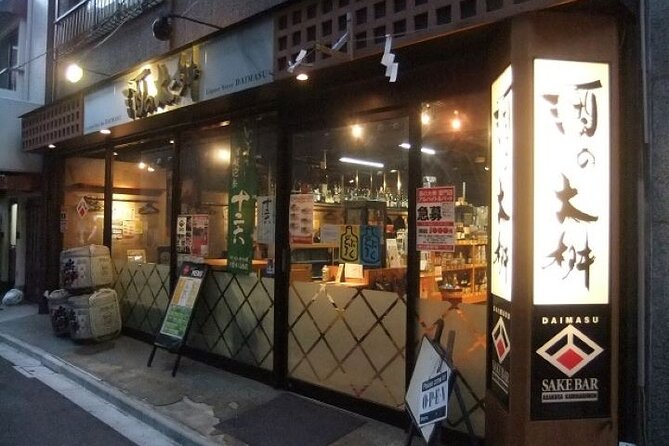
- Stop 3: a sake-focused izakaya with a lesson built in
- Price and value: what you’re really paying for
- Timing, pacing, and how the guide likely works with you
- Practical tips that help the night go smoothly
- Who should book this Asakusa culture + bar tour
- Should you book it?
- FAQ
- What time does the tour start, and how long is it?
- How big is the group?
- What’s included during the izakaya stops?
- Which sights are part of the history and culture portion?
- Is hotel pickup or drop-off included?
- What happens if weather is bad?
Key things I’d bank on before you go
- Small-group pace (max 8): you get enough attention to ask questions without feeling rushed.
- History stops that are actually explained: each landmark connects to the next, so Asakusa clicks.
- Three izakayas, three styles: street drinking at Hoppy Street, classic Western bar history at Kamiya Bar, then a sake-focused finale.
- Route preview from a cultural viewpoint: the Asakusa Culture Tourist Information Center helps you understand where you’re headed.
- Free entry for the sights on the route: the major stops are structured so admission ticket costs don’t pile up.
Asakusa and an izakaya night: a great combo
Asakusa can feel like two different worlds at the same time: old Tokyo right on the surface, and then food and drink culture just steps away. That’s why this kind of tour works. You’re not just checking boxes. You’re walking the neighborhood in a logical flow, with a guide making the connections between landmarks, streets, and the people who live and work around them.
This is also a practical setup for visitors. The tour includes the drinking and snacking component as part of the experience, so you’re not forced to hunt for a good izakaya after a long day. You get a guided “where-to-go” plan and a built-in rhythm: sights first, then dinner-by-way-of-small-plates.
The small group matters too. With a maximum of 8 people, it’s easier to keep your place in the walking line, and you’re more likely to get conversational answers instead of only hearing a script. If you enjoy asking questions and learning how locals interpret their own streets, you’ll like this format.
You can also read our reviews of more historical tours in Tokyo
From Sumida River stories to the view: where the tour begins
You kick off at 3:00 p.m. in Asakusa, meeting at Burger King Asakusa Azumabashi (right near Kaminarimon). It’s an easy landmark to find, and the tour brings you back to the same meeting point at the end, which helps after the drinking stops.
The first stop is Sumida Park, where you’ll hear a story tied to the Sumida River. The guide connects this river with the origins of Senso-ji centuries ago—about 1,400 years back. That single connection makes the rest of the temple area feel less random. Instead of seeing buildings and gates, you start understanding why this place became important.
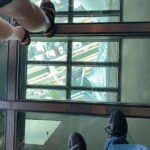
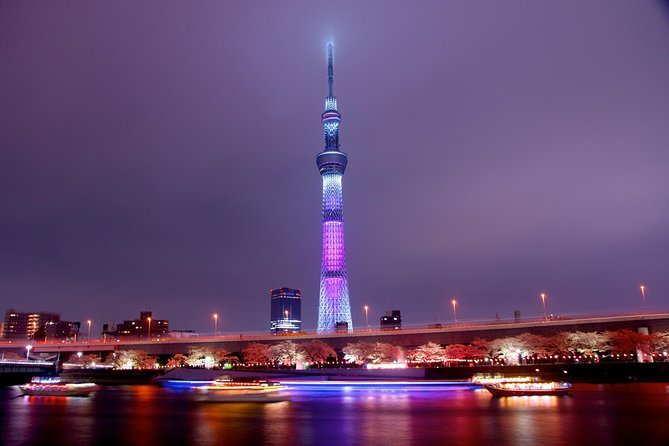
From there, you go to the Asakusa Culture Tourist Information Center. This is a smart move because it’s not another random photo stop. You get a preview of the tour route from high up in a building designed by a well-known Japanese architect. You can also see Tokyo Skytree and the Sumida River area, which gives you instant context for the streets you’ll walk afterward.
Practical note: you’ll likely be on foot for the full experience. Wear shoes you trust. Asakusa’s streets are worth it, but you’ll still want comfort for a 4-hour plan that includes multiple short walking segments.
Kaminarimon, Nakamise, and Hozomon: the gates that set the tone
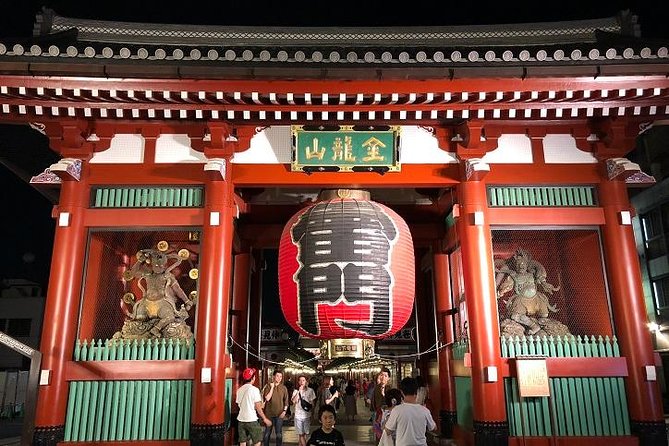
Next comes Asakusa-kaminarimon, also called the Thunder Gate. You can’t miss it: the world-famous giant red lantern hangs under the gate, and it marks the entrance into the temple/shrine world. It’s the kind of landmark that’s visually obvious, but the guide makes it meaningful by explaining what the gate represents and how it fits into the larger Senso-ji area.
Then you walk part of Nakamise Shopping Street. This section changes your mindset. You might expect a solemn, quiet approach—temple tourism can do that to your brain. Instead, Nakamise feels welcoming and friendly, with lots of shops along the way. It’s not just window shopping. It’s a way to experience how people actually move through the area on a normal day.
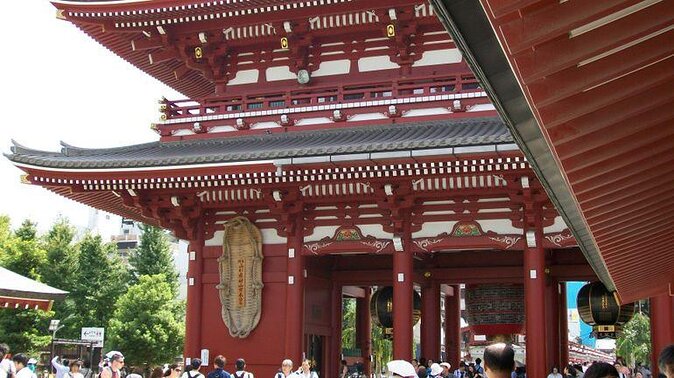
After that, you reach Hozomon, the Treasure-House Gate. This is the inner gate that leads deeper toward Senso-ji, with Kaminarimon as the outer gate. Gates like this can feel repetitive if you’ve seen a lot of temples. Here, it helps because you learn what each gate is doing in the layout—almost like a story you follow in steps.
What I like about these stops is how quickly they build an atmosphere. The tour isn’t only about individual points. It’s about the way you experience the approach: gateway, street energy, inner gate, then the main temple area.
Senso-ji and Asakusa Shrine: two religions side by side
At Senso-ji Temple, you get the main segment of the history portion. The guide helps you understand Tokyo’s oldest temple and why it remains essential for sightseeing in the area. You’ll start from the Kaminarimon side, so everything feels like one continuous walk rather than a series of separate Uber drops.
Then you step to Asakusa Shrine, which sits right next to Senso-ji. This is a great moment for anyone who’s curious about how Japan’s religions coexist in real life. The tour explains the mix of Shinto and the Buddhist temple complex in the same broader premises. It’s an easy thing to overlook if you only read plaques and rush to the next stop.
This part of the tour is also where the guide’s conversational style shows. In the best versions of this experience, the guide isn’t just reciting dates. They connect the architecture and the layout to everyday meaning, which makes the place feel less like a checklist.
Demboin-dori and Asakusa entertainment district feel
After the temple core, you shift to Asakusa Demboin-dori in the Rokku area. The tour describes it as an entertainment district: always active, but in a way that doesn’t overwhelm you as a visitor if you’re moving with a group.
This stop is where you get a time-travel feeling, without the fake movie-set vibe. The guide walks you through how the street connects the Meiji period to the present day, with stops along the way. Even if you’re not a history buff, this section helps you see Asakusa as more than temples. It’s a living neighborhood with a nightlife tradition that still shapes what you see on the street.
The bar part: Hoppy Street, Kamiya Bar, and a sake finale
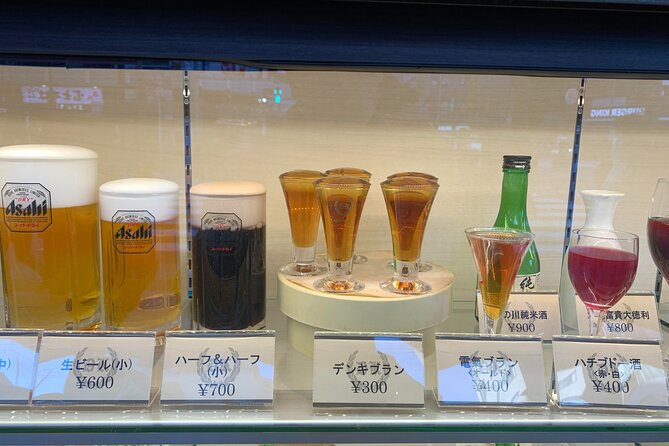
Now for the reason many people sign up: the evening food and drink stops. You’ll visit three izakayas, with snacks and drinks included at each. On average, you’ll have 3–4 drinks and 3–4 dishes, which is enough for a real dinner meal for most people.
Stop 1: Hoppy Street (street-level izakaya energy)
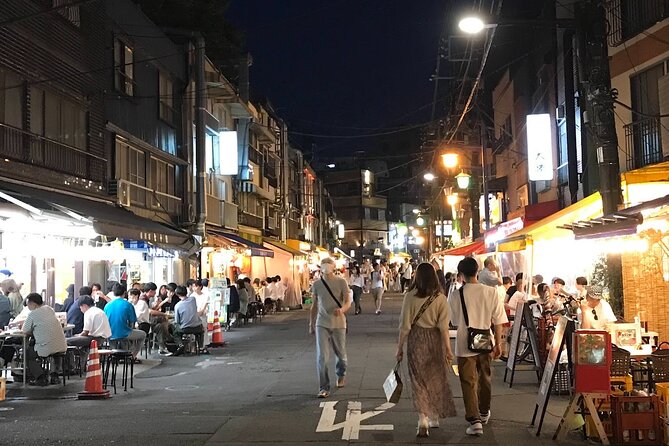
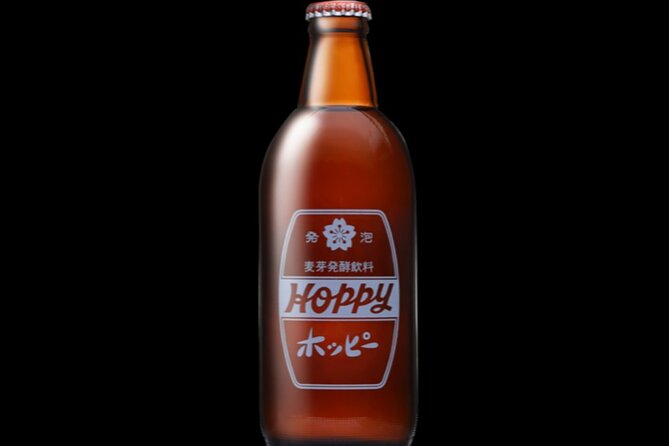
The first izakaya stop is at the Hoppy Street area. It’s an about-80-meter stretch lined with izakayas, with lanterns and outdoor street seating. The tour notes that these places are open day and night, but the atmosphere becomes especially lively in the evenings. This is a good place to start because you’re easing into the bar crawl vibe while still in the same neighborhood mood as the temple walk.
You’ll get snacks plus drinks here, and the guide keeps you moving so you don’t waste time figuring out what you’re looking at.
Stop 2: Kamiya Bar (1880 Western-style bar history)
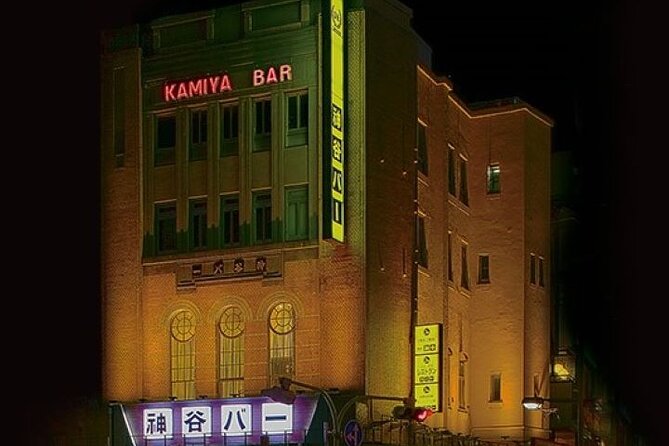
Next is Kamiya Bar, presented almost like a local legend. The tour highlights that it was established in 1880 and is the oldest Western-style bar in Japan. That’s a big contrast from the temple gates you saw earlier, and that contrast is part of the fun.
Even if you don’t care about bar history, it’s worth noting that this kind of stop changes the feel of the night. You’re not doing only Japanese-only experiences. You’re seeing how Tokyo absorbed and adapted different styles—then kept them long enough to become tradition.
Stop 3: a sake-focused izakaya with a lesson built in
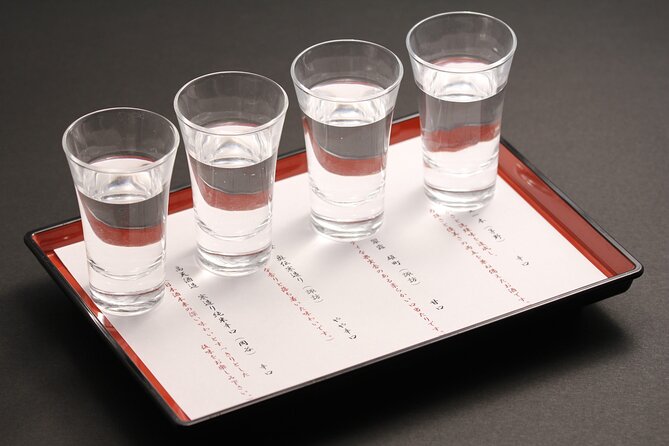
The final stop is a sake-specialty izakaya with a wide range of sake varieties. This is where the guide’s role becomes educational again. You’ll get help understanding key factors about sake, including why sake developed in Japan and which ingredients play major roles.
I like this ending because it turns the last stop from only eating and drinking into something you can carry home. You’re likely to leave with a few practical ideas about what to ask for next time you’re ordering sake on your own.
Price and value: what you’re really paying for
At $156.07 per person, this isn’t a budget stroll. But the value makes sense if you compare it to doing Asakusa sightseeing and then paying for multiple izakayas separately.
Here’s the math logic from how the tour is built:
- You’re paying for a guide-led walk through multiple major landmarks and streets, so you’re not spending your time mapping routes or guessing context.
- You’re also paying for a planned dinner experience: three izakaya stops with enough snacks and drinks for most people to feel like they ate properly.
- The group is kept small (max 8), which supports more personal attention during both the walking portion and the bar portion.
Admission ticket fees also don’t seem to be a factor for the stops listed, since the major sights on the route are described as free. That helps keep the cost from turning into a pile of surprise expenses.
So the best way to think about the price is: you’re buying both the sightseeing structure and the dinner structure. If you would have gone to at least two decent izakayas anyway, this moves closer to a smart deal rather than an extra splurge.
Timing, pacing, and how the guide likely works with you
Start time is 3:00 p.m., and the full duration is about 4 hours. That’s a useful window because you’ll cover major temple and street sights while there’s still daylight, then shift into early evening food and drink.
The itinerary is built around short sight stops, then longer blocks during the bar section. That keeps your feet from getting wrecked too early, and it means you can settle in for the izakaya part without constantly rushing between places.
From the reviews, the top praise centers on the guide: friendly, knowledgeable, and conversational. I’d take that as a clue about what matters most here. This tour isn’t the kind where you want to stay silent and take photos only. If you’re curious, you’ll get more out of it through conversation—especially during the sake stop and during the way the guide connects the river, gates, and temple area.
Practical tips that help the night go smoothly
A few things I’d do before you go:
- Wear comfortable shoes. You’ll be walking from place to place, including streets like Nakamise and Demboin-dori.
- Bring a light layer. Even in fair weather, evenings can feel cooler near riverside areas like the Sumida area.
- Go with an appetite for small plates. The izakaya format is snacks and dishes across three stops. If you expect only one restaurant meal, plan for a spread.
- If you’re sensitive to alcohol, ask ahead. The tour includes drinks at each izakaya stop, so it helps to clarify options for your comfort level before you arrive.
Also, since the tour requires good weather, have a backup plan mentally. If it’s rainy, you might be offered a different date or a refund, depending on conditions.
Who should book this Asakusa culture + bar tour
This tour fits best if you:
- want a guided way to see Asakusa without getting stuck on directions
- enjoy both sides of Tokyo—temples and nightlife—on the same outing
- like learning through conversation rather than only reading plaques
- want a ready-made dinner plan that feels local, not tourist-only
It may not be ideal if you prefer a quiet, self-paced temple visit and you don’t want alcohol as part of the experience. But if you’re open to izakaya culture, it’s a very efficient way to experience a whole slice of Asakusa in one go.
Should you book it?
I think this is a strong choice for most first-time visitors to Asakusa, especially if you want the day-to-night arc. The sightseeing is structured around the big landmarks that define the area, and the izakaya portion turns the final hour into a real dinner you don’t have to plan.
If you’re excited by a small group tour, don’t mind walking, and like the idea of starting with Senso-ji energy and ending with sake education, book it. If you only want temples and you’d rather skip bar culture, you’ll probably feel like the evening portion is too much. In that case, you might be happier with a pure history walk.
FAQ
What time does the tour start, and how long is it?
The tour starts at 3:00 p.m. and runs for about 4 hours.
How big is the group?
The group size is limited to a maximum of 8 travelers.
What’s included during the izakaya stops?
Dinner is included, with about 3–4 drinks and 3–4 dishes across three izakayas.
Which sights are part of the history and culture portion?
You’ll visit Sumida Park, the Asakusa Culture Tourist Information Center, Kaminarimon, Nakamise Shopping Street, Hozomon, Senso-ji Temple, Asakusa Shrine, and Asakusa Demboin-dori.
Is hotel pickup or drop-off included?
No. Hotel pickup or drop-off is not included, and the tour ends back at the meeting point.
What happens if weather is bad?
The experience requires good weather. If it’s canceled due to poor weather, you’ll be offered a different date or a full refund.