REVIEW · TOKYO
Modern Japanese History Tour in Tokyo
Book on Viator →Operated by Japan Awaits · Bookable on Viator
War history has its own gravity in Tokyo. This Modern Japanese History tour threads together Yasukuni Shrine and two major museums to explain how Japan remembers its WWII dead and why kamikaze attacks mattered. It’s a tight, well-timed route that keeps the story moving from place to place, with an English-speaking guide who can translate the emotional meaning as well as the facts.
I especially like the way the tour uses a human voice. Guides such as Shun, Yasuhiro Suzuki, Hiro, and Izumi are described as tactful, patient with questions, and strong at making sense of what you’re seeing—especially when exhibits are harder to read on your own. I also like the balance of perspectives: you’re not only looking at weapons or battles; you’re hearing how soldiers and civilians lived through the war years and the aftermath.
One possible drawback is the subject matter itself. This is WWII memory work, and Yasukuni Shrine can feel politically charged. It’s also heavy. If you come in expecting a casual sightseeing stroll, you may find the tone challenging, and the operators explicitly ask for an open mind—because the guide may have to end the tour if they feel threatened.
In This Review
- Key things to know before you go
- Why this modern-war loop fits Tokyo in 3 hours
- Kudanshita Station meet-up: start point and pacing
- Stop 1 at Yasukuni Shrine: commemoration before the museums
- Stop 2 at Yūshūkan: military history with real artifacts
- Stop 3 at Showa-kan: civilians at the center of the story
- Kamikaze (tokotai) and family stories: how the tour frames the hard parts
- Language, exhibits, and photo moments: how to make it easier for yourself
- Price and value: what you get for about $204.58
- Who should book this modern-history experience?
- Should you book this tour?
- FAQ
- How long is the Modern Japanese History Tour in Tokyo?
- Where do we meet, and where does the tour end?
- What time does the tour start?
- What museums and sites does the tour include?
- Are admission tickets included?
- Does the tour have an English-speaking guide?
- Is the topic sensitive?
- Is this tour refundable?
- What’s included besides the guide and museum entries?
Key things to know before you go
- English-speaking history experts help you interpret exhibits and ask questions without getting lost in translation.
- Two museum lenses matter: military history at Yūshūkan and civilian experience at the Showa Memorial Museum (Showa-kan).
- Kamikaze (tokotai) context is explained in terms of why it spread and what pilots told their families.
- A calm shrine start sets the tone, before you move into heavier history inside museum walls.
- Private group format keeps the pace conversational and makes it easier to stop for photos.
- Admissions are included for Yūshūkan and Showa-kan, so you’re not doing ticket math mid-morning.
Why this modern-war loop fits Tokyo in 3 hours
Tokyo can swallow your day fast. This tour avoids that problem by keeping everything close and timed. You’re out for about three hours, starting in the morning and ending back at the same meet point. That makes it a smart match for busy itineraries, especially if you want one focused history block rather than a museum marathon.
The tour also has a clear angle. Instead of treating WWII like a distant timeline, it shows how ordinary people and soldiers experienced the war, and how the country remembers the dead afterward. You’ll go from commemoration at Yasukuni Shrine to wartime material and documents at Yūshūkan, then to the civilian story at Showa-kan.
This is value-driven sightseeing. The ticketed parts you care about—Yūshūkan and Showa Memorial Museum—are already included, and you’ve got a guide to translate meaning, not just label text. At around $204.58 per person, that matters. You’re paying partly for access and partly for interpretation.
You can also read our reviews of more historical tours in Tokyo
Kudanshita Station meet-up: start point and pacing
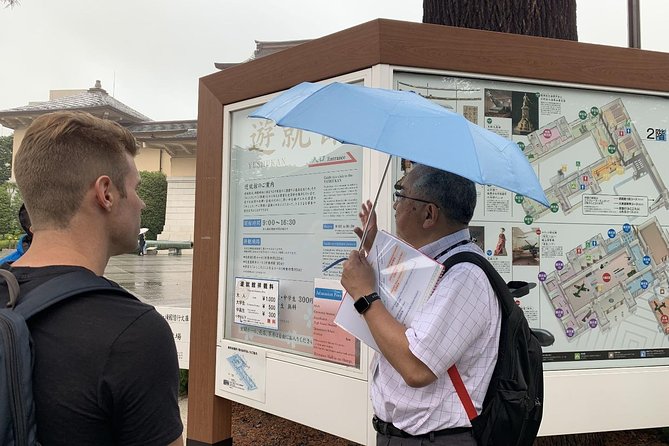
You’ll meet your English-speaking guide at Kudanshita Station (1-chōme-13-19 Kudankita, Chiyoda City, Tokyo). The start time is 9:00 am. If you like clear logistics, this one is straightforward: one meeting point, a short walking area, and you finish back where you started.
The schedule is also built for attention. Expect about 30 minutes at Yasukuni Shrine, then roughly 1.5 hours at Yūshūkan, and about 1 hour at Showa-kan. That breakdown helps if you’re not a “read every panel” type. You still get time to look and reflect, but you won’t be trapped in one room for the entire morning.
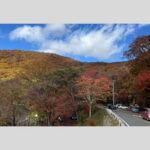
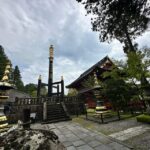
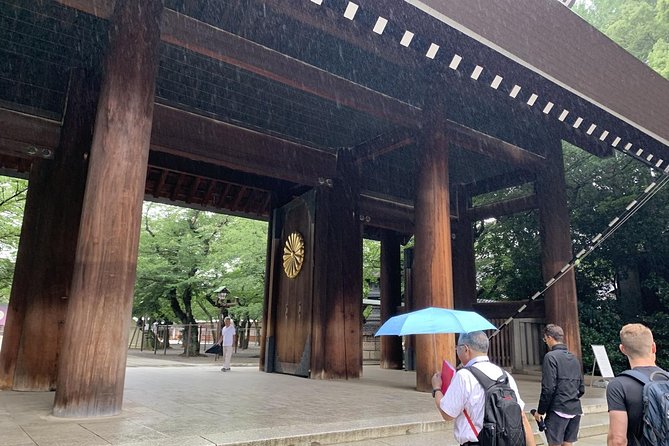
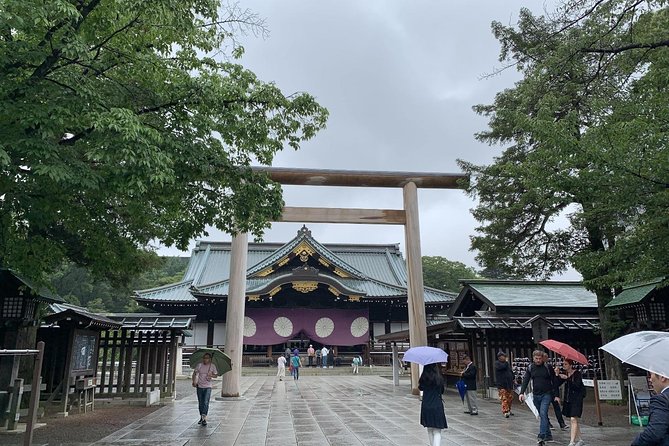
Another practical plus: you get photo opportunities along the way. The shrine grounds and museum exteriors are natural photo moments, and the guide can point out what’s worth capturing without you constantly stopping your brain to figure out where to look next.
Stop 1 at Yasukuni Shrine: commemoration before the museums
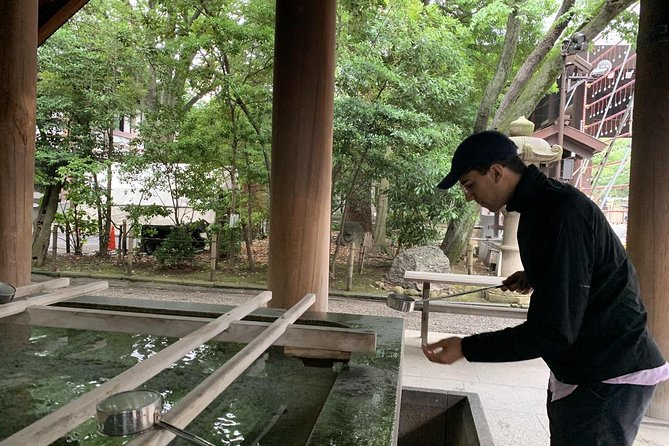
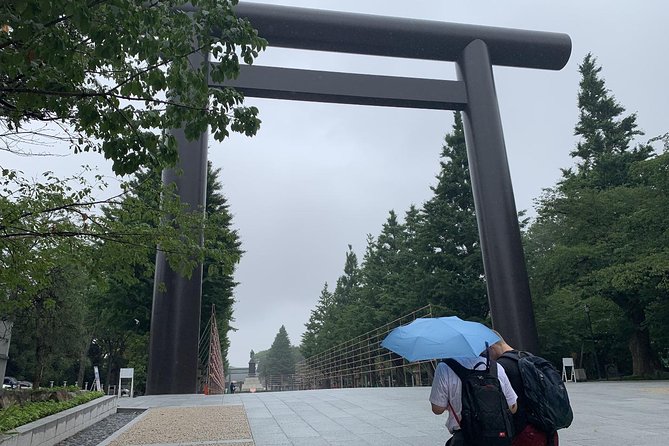
The tour begins at Yasukuni Shrine, known for honoring Japan’s war dead. It’s traditionally designed, and the grounds have a quieter feel than most busy Tokyo neighborhoods. That matters because it gives you a mental “before” frame. You start with the idea of remembrance, not war machines.
The shrine stop is about 30 minutes, and it includes time to explore the grounds. You also get the museum connection through what sits on the same complex: Yūshūkan is right there on the shrine property. So even if the shrine itself is a short segment, it’s not a random detour—it’s the entry point into the broader topic of how the country commemorates deaths from wars starting in the modern era.
One thing to keep in mind: this is a sensitive space. The operator is clear that the tour is educational and asks visitors to keep an open mind. If you’re expecting a neutral history lesson only, it can still feel personal and political. Approach it as a place of mourning and national memory, then let the museums provide the documentary detail.
Stop 2 at Yūshūkan: military history with real artifacts
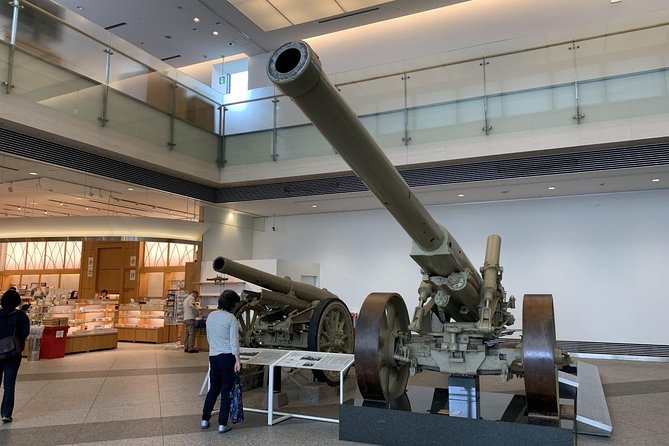
Next comes Yūshūkan Museum (on the grounds of Yasukuni Shrine), where the focus shifts from commemoration to the wartime record. This stop is about 1 hour 30 minutes, and admission is included.
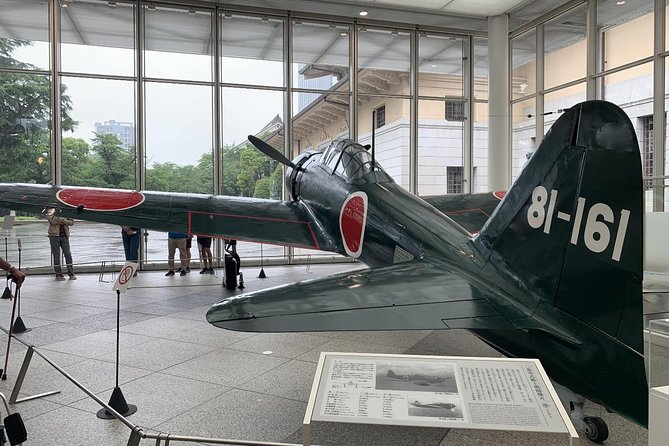
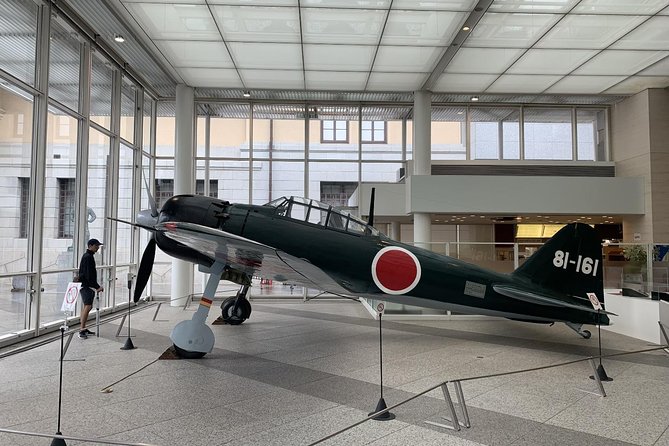
Here’s what makes it useful: you’re not just hearing big speeches about WWII. You’re looking at historical artifacts, documents, and military equipment tied to Japan’s military history. For many people, that’s the moment the story becomes concrete. Dates and strategies start to connect to objects and written records.
The tour’s guide interpretation is especially valuable at Yūshūkan. Some exhibits may be hard to read if you don’t know Japanese, and having an English-speaking expert means you can understand what an item represents—without feeling like you’re skimming past the meaning. The tour theme also includes kamikaze background, including why it became prevalent, and how soldiers talked to their families before the inevitable.
Photo-wise, museums can be rule-heavy, so you’ll want to follow whatever’s posted on-site. But even without heavy photography, this stop is one of the best places to “get your bearings fast”: you’ll leave with a clearer mental map of the war era’s institutions and messaging.
Stop 3 at Showa-kan: civilians at the center of the story
After military material, Showa Memorial Museum—also known as Showa-kan—puts civilians in the spotlight. This is about 1 hour, and admission is included.
What I like about this stop is the shift in emotional angle. Instead of focusing only on tactics or battlefield outcomes, you’re shown how the war affected day-to-day life. The museum emphasizes personal items and photographs, which tends to make history feel less like a distant headline and more like human experience.
This is where the “different perspective” promise becomes real. The tour isn’t only about how Japan fought. It’s also about what happened to people—how civilians endured starvation and what the aftermath meant. That civilian thread is important if you want to understand why modern Japanese memory of WWII is often framed in terms of suffering, responsibility, and survival.
You’ll probably feel the tone get heavier here. That’s not a flaw; it’s the point. If you need a break from the emotional weight, use the guide. Ask questions. Let them connect exhibits to the larger narrative so you’re not just reacting to one display at a time.
Kamikaze (tokotai) and family stories: how the tour frames the hard parts
Kamikaze—often called tokotai—is one of the tour’s central topics. The purpose of the experience includes explaining why kamikaze was so prevalent and describing how soldiers spoke to their families before the attack.
This can be difficult material. The value of a guided explanation is that it keeps the topic anchored. Instead of you trying to decode heavy history through fragments, the guide connects cause and context to what you see in the museums and at the shrine.
The best guides handle this carefully: not sensationally, not in denial, and not as propaganda alone. The goal is understanding how people believed, how systems pushed behavior, and how families were told what was coming. The tour also emphasizes the idea that soldiers’ feelings and behavior shaped what happened on the ground.
If you’re sensitive to moral and political complexity, bring patience. You don’t have to agree with every perspective to learn from it. You do have to accept that this tour is built around commemorative history, not a debate club.
Language, exhibits, and photo moments: how to make it easier for yourself
This experience is designed for an English-speaking audience, with a private English-speaking guide. That’s more than comfort. It often turns a museum from “I saw things” into “I understood what those things meant.”
In particular, the guides are useful when exhibits are in Japanese only. The guide can interpret, summarize, and answer questions so you don’t lose the thread. That also improves the pacing. You’ll spend less time stuck on one panel and more time forming a connected mental story across stops.
You also get photo opportunities. This is worth planning for, because shrine grounds are naturally photogenic, and museum exterior views can work if you time it right. Still, follow site rules. Museums are where signage tends to control photography, and it’s better to ask than to guess.
Practical note: no food or drinks are included. You’ll likely be fine if you plan a snack before you start, but don’t count on lunch being solved during the tour.
Price and value: what you get for about $204.58
At $204.58 per person, this isn’t a budget-only activity. But the cost is easier to justify when you look at what’s folded in:
- Private English-speaking guide (history expert)
- Entrance fees included for Yūshūkan War Museum and Showa Memorial Museum
- A tightly timed three-stop route where the guide helps you understand what you’re seeing
- A mobile ticket and group discounts (if you’re traveling with others)
So you’re paying for two things: museum access you would have to buy anyway, plus interpretation you would struggle to replicate on your own—especially for exhibits that may not be in English.
Also, the meeting and end point are simple. That saves time and reduces friction. In Tokyo, time is money. This tour spends its time in the places that actually matter for the subject.
Who should book this modern-history experience?
This is a good fit if you:
- Want modern Japanese history with a clear WWII focus
- Enjoy museums, artifacts, and documents
- Prefer a guide who can explain both military and civilian experiences
- Want a compact morning plan rather than scattered stops
It’s less ideal if you:
- Want light, entertainment-first sightseeing
- Dislike emotionally heavy topics
- Are not ready for a commemorative setting that may feel politically charged
If you like thoughtful context—how people remember, mourn, and interpret the past—this tour makes a lot of sense.
Should you book this tour?
I’d book it if you want one guided morning that gives you structure. The combination of Yūshūkan and Showa-kan is the big win: military and civilian history together is a fuller picture than either one alone. The shrine stop adds tone and meaning, so the museums don’t feel like detached exhibitions.
If you’re on the fence, decide based on your tolerance for WWII memory. If you can approach it with an open mind and curiosity, you’ll walk away with sharper context—and a better understanding of how Japan tells this story.
FAQ
How long is the Modern Japanese History Tour in Tokyo?
It runs for about 3 hours.
Where do we meet, and where does the tour end?
You meet at Kudanshita Station. The tour ends back at the meeting point.
What time does the tour start?
The tour starts at 9:00 am.
What museums and sites does the tour include?
It includes Yasukuni Shrine, Yūshūkan Museum (on the shrine grounds), and the National Showa Memorial Museum (Showa-kan).
Are admission tickets included?
Yes. Admission fees for Yūshūkan War Museum and Showa Memorial Museum (Showa-kan) are included.
Does the tour have an English-speaking guide?
Yes. The tour includes a private English-speaking guide who is a history expert.
Is the topic sensitive?
It can be sensitive for some people. The tour is educational and the operator asks visitors to keep an open mind. If the guide feels threatened, the tour may have to end.
Is this tour refundable?
No. It is non-refundable and cannot be changed for any reason.
What’s included besides the guide and museum entries?
The tour includes photo opportunities, a mobile ticket, and the entrance fees for the scheduled sites.