REVIEW · ATHENS
Private Walking Tour: Ancient Agora, Plaka and Monastiraki monuments
Book on Viator →Operated by Athens Walking Tours · Bookable on Viator
Athens has layers, and this walk is a shortcut through them. You’ll go from Roman and Ottoman landmarks to the Ancient Agora, guided at a human pace with private attention. It’s built for people who want context, not just photos.
What I like most is the Ancient Agora focus, with time for the Tower of the Winds, the Stoa of Attalos, and the story of how the area developed back to the 6th century BC. I also like how the route stitches in Ottoman-era Athens around Monastiraki and Plaka, including places you can actually point at as you walk.
The one thing to consider: the Ancient Agora entrance fee (€20 per person) is not included, so your final cost will be a bit higher than the tour price.
In This Review
- Key highlights at a glance
- Starting at Syntagma: The small museum that sets the tone
- Metropolis Square to Monastiraki: Ottoman Athens in everyday lanes
- Plaka side streets: Medrese doorway and Hadrian’s Library columns
- Into the Ancient Agora: where commerce meets politics
- Temple of Hephaestus: a classic ruin on the way through
- The Agora-to-markets transition: Avyssinias and Athinas Street
- Price and value: what $319.39 per person really means
- Who this tour suits best (and who might want a different route)
- Should you book this private walking tour?
- FAQ
- Where does the tour start?
- Where does the tour end?
- How long is the tour?
- Is this tour private?
- What language is the tour offered in?
- What’s included in the price?
- What is not included?
- Do I need to pay an entrance fee for the Ancient Agora?
- Is there a food stop during the tour?
- What’s the cancellation policy?
Key highlights at a glance
- Syntagma Metro museum start with ancient finds right before you hit the streets
- Monastiraki + Ottoman landmarks like Tzistarakis Mosque and Fethiye Mosque
- Plaka lanes and Hadrian’s Library columns plus the Doorway of the Medrese
- Ancient Agora essentials: Democracy origins, Tower of the Winds, and the Stoa of Attalos
- Temple of Hephaestus on the route for an extra heavyweight ruin stop
- Finish by Avyssinias Square food and spice markets for sensory payoff
Starting at Syntagma: The small museum that sets the tone
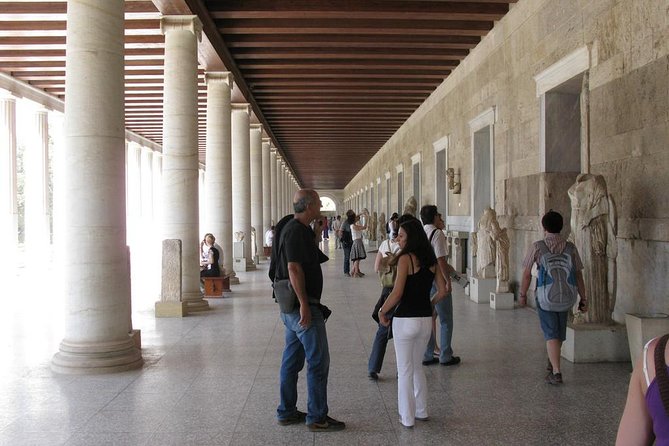
Most tours start outside. This one starts near Syntagma Metro station, where you meet your guide at the Pl. Sintagmatos area. Before you even begin your walking loop, you take a look at the station’s small museum, which is one of those smart Athens details: you get context first, then you see the city as archaeology in motion.
Inside, you’ll spot excavated finds from the area, including burial tomb remains, a 2,000-year-old beehive, and remnants of Roman mosaics believed to date to the 5th century BC. It’s not a huge museum visit, but it primes you for what the rest of the day will feel like: layers stacked over layers.
If you’re the type who likes to understand what you’re seeing, this opening helps a lot. You’re not just walking between famous names; you’re walking through the same neighborhoods that produced those objects in the first place.
You can also read our reviews of more walking tours in Athens

Metropolis Square to Monastiraki: Ottoman Athens in everyday lanes
After Syntagma, you move to Mitropoleos Square, home to Athens Cathedral, built in 1862 and used as the seat of the archbishop of the city’s Greek Orthodox Church. It’s a good reminder that Athens didn’t stop after antiquity; the city kept changing shape long after the ancient world.
Then the route shifts into Monastiraki, where the lanes fill with shops and market energy. This part is fun even if you’re not shopping, because you can see how the neighborhood is organized around Ottoman-era survivals and surviving street patterns.
You’ll get to view the Tzistarakis Mosque and Fethiye Mosque, both Ottoman-era landmarks that help turn Monastiraki from a “market district” into something more specific and meaningful. In plain terms: you learn what these buildings are, not just that they exist. And once you connect names to structures, the area makes more sense fast.
A practical note: this is a walking portion through lanes. Wear shoes you trust. If you’re planning to take lots of photos, keep your camera ready but also expect foot traffic.
Plaka side streets: Medrese doorway and Hadrian’s Library columns
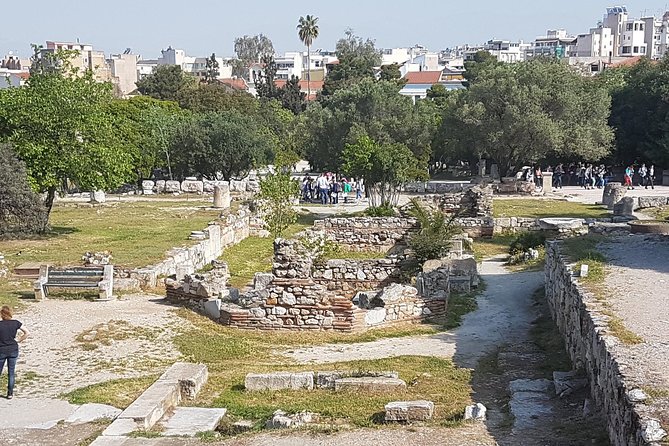
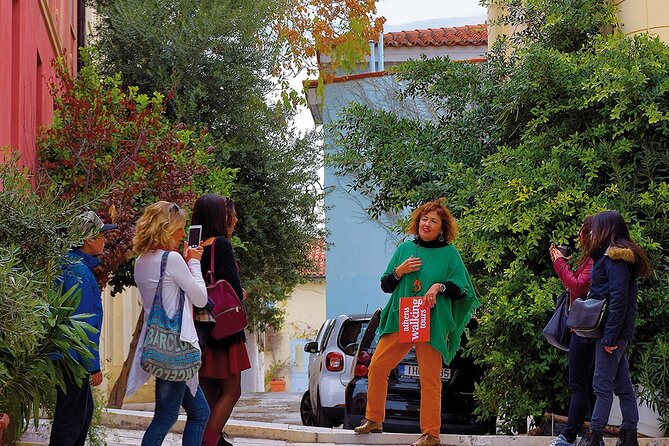
From Monastiraki you head into Plaka, which is basically Athens Old Town—paved lanes, tight corners, and views that change every few minutes. Here’s the value of going by guide: you don’t have to guess what’s important in the maze. Your guide points out the specifics as you go.
In Plaka, you’ll see the Doorway of the Medrese, the entrance to a former Turkish theological school. That doorway matters because it’s one of the clearest physical reminders that Ottoman Athens included more than just architecture—it was also education and religious life.
You’ll also get photos of the remaining columns of Hadrian’s Library, built by Emperor Hadrian in 132 AD. Even in ruins, it’s one of those spots where Athens feels incredibly “real.” You’re not looking at a model. You’re looking at a fragment that survived.
One small drawback: Plaka’s streets can look equally photogenic from far away. The guide’s job here is to keep you from spending your energy snapping everything while missing the points that make the place memorable.
Into the Ancient Agora: where commerce meets politics
Now you get to the heavy hitter: the Ancient Agora of Athens. This is the commercial, political, and social heart of ancient Athens, and the guide uses the site to explain how it developed in the 6th century BC. You’ll also hear the connection between the marketplace and civic decision-making—the idea of democracy forming from public discussion as much as from laws.
The key advantage on a private route is pacing. You can pause for questions and you’re not competing with a crowd trying to squeeze through the same doorway at the same second. It also means you can focus on the details that help the site click.
Two Ancient Agora anchors you’ll encounter:
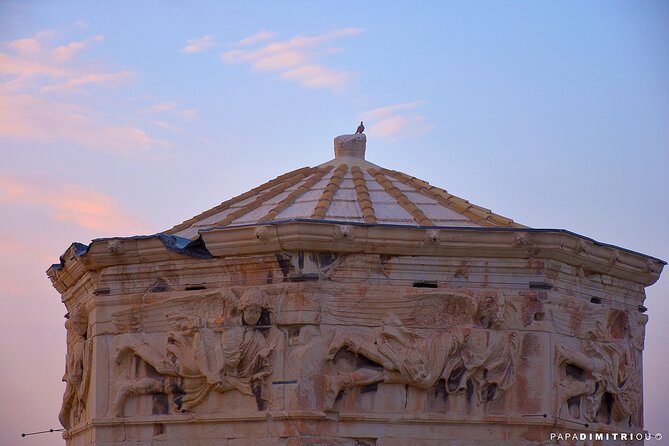
- The Tower of the Winds, which served as the forum’s timepiece
- The archaeological museum in the Stoa of Attalos, the reconstructed ancient shopping hall
The Stoa of Attalos museum visit is a strong payoff because it’s not just ruins. It’s everyday life translated into objects. You’ll see a selection of artifacts used in daily life of the Athenians, which makes the surrounding stones feel less abstract.
Timing is important here. The Agora stop is around 1 hour and the Stoa museum is about 45 minutes. That’s enough time to absorb the site without feeling rushed into the next landmark before you’re done.
Temple of Hephaestus: a classic ruin on the way through
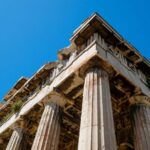
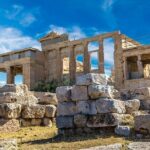
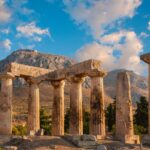
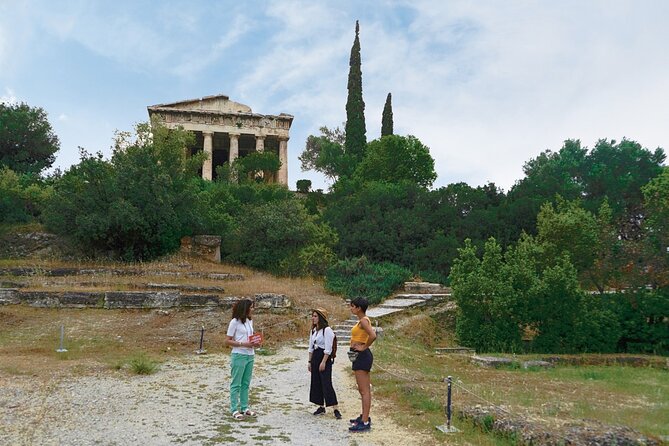
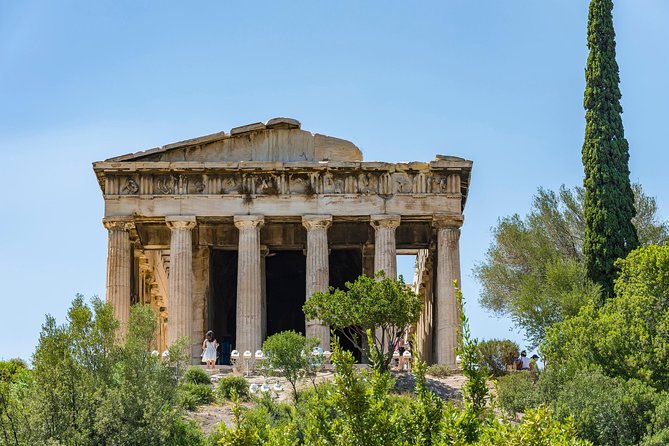
On the itinerary, the route includes the Temple of Hephaestus. This is the kind of stop that works as a “visual reset” from street-level Ottoman and Plaka textures. A temple ruin gives you scale and geometry, and it’s easier to read from a few angles.
Why it’s worth including: you’re not spending the whole 3 hours inside museum walls. You’re balancing architecture and artifacts—stones you can study in the open, then museum objects that explain what those stones meant.
If you’re sensitive to walking heat, remember this portion is outdoors. Plan your day with water and sun protection, especially in warmer months.
You can also read our reviews of more private tours in Athens
The Agora-to-markets transition: Avyssinias and Athinas Street
After the archaeological museum and Stoa area, the tour doesn’t end abruptly in an empty place. You make your way through Avyssinias Square and toward Athinas Street, where you’ll pick up the aromas and color of food and spice markets.
This is one of the most enjoyable parts for people who like their travel sensory. You’re finishing with something Athens still does today—shopping, tasting, browsing, and chatting. It also helps the day feel less like a checklist and more like a neighborhood story with an ending you can keep living after the tour ends.
Your guide finishes here after the museum of Attalos, and then you’re free to explore the old city further on your own.
Price and value: what $319.39 per person really means
At $319.39 per person for about 3 hours, you’re paying for a private format and a guide who walks you through tightly connected areas. This price can feel steep if you’re comparing it to group tours. But the value logic is simple: you’re buying time, context, and control.
A few things that justify the cost for the right traveler:
- You’re getting a route that links Roman-era remains, Ottoman-era monuments, and Ancient Agora landmarks in one flow.
- You’re doing it at a pace that supports questions and pauses, not a fast line through highlights.
- It’s a private tour, meaning only your group participates, and you get personalized attention rather than “headcount herding.”
Entrance fees can add up, though. Since the Ancient Agora entrance fee (€20 per person) isn’t included, pencil that in if you want a true all-in number.
Also note: the tour mentions group discounts. If you’re traveling with friends or family, this is one of the easiest ways to make the math feel more comfortable.
Who this tour suits best (and who might want a different route)
This private walking tour is ideal if you:
- Want a structured walk across Syntagma, Monastiraki, Plaka, and the Ancient Agora without constantly re-reading maps
- Like history explained in plain language and connected to what you can see nearby
- Prefer a guide you can talk to, including for families and mixed ages
One of the best advantages from guide feedback in general is adaptability. In group settings, kids and teens often struggle with long explanations. On a private format, the guide can adjust explanations for different ages in the group, which makes the day more enjoyable for everyone.
On the other hand, if you only want “top 10 landmarks” with no context, you might find a shorter, self-guided route more efficient. But if you want the city to make sense, this is built for that.
Should you book this private walking tour?
If your goal is to understand Athens instead of just touring it, I’d say this is a good booking. The start at Syntagma’s museum, the Ottoman landmark stops in Monastiraki, the Plaka details like the Doorway of the Medrese and Hadrian’s Library columns, and then the Ancient Agora core with the Tower of the Winds and Stoa of Attalos creates a logical day with multiple rewards.
Book it if you want value from time: one guide, one route, and enough attention at each stop to learn something you’ll remember. Skip it if you’re mainly sightseeing for your own photos and you’re comfortable mapping and reading everything on your own.
Either way, bring comfortable shoes, expect some outdoor walking, and plan to finish your day with the markets by Avyssinias and Athinas Street.
FAQ
Where does the tour start?
The tour starts near Syntagma Metro station in central Athens, at Pl. Sintagmatos, Athina 105 63, Greece.
Where does the tour end?
The tour ends at the Ancient Agora of Athens, Athens 105 55, Greece.
How long is the tour?
The duration is about 3 hours (approx.).
Is this tour private?
Yes. It’s a private tour/activity, and only your group participates.
What language is the tour offered in?
The tour is offered in English.
What’s included in the price?
The tour includes a local guide and a private tour.
What is not included?
Entrance fees for the Ancient Agora are not included (Ancient Agora ticket €20.00 per person). Food and drinks are not included unless specified, and hotel pickup and drop off are also not included.
Do I need to pay an entrance fee for the Ancient Agora?
Yes. The Ancient Agora entrance fee is listed as €20.00 per person and is not included.
Is there a food stop during the tour?
Yes. You’ll pass by Avyssinias Square and Athinas Street, where you can enjoy the food and spice markets. Food and drinks themselves are not included unless specified.
What’s the cancellation policy?
You can cancel for a full refund up to 24 hours in advance of the experience start time. If you cancel less than 24 hours before, the amount you paid will not be refunded.