REVIEW · KATHMANDU
Nepal Discovery Tour: Heritage Sites & Scenic Hill Easy Hike
Book on Viator →Operated by Prime Himalayas · Bookable on Viator
Kathmandu has a way of grabbing you fast. This tour mixes UNESCO temples with an easy, scenic hike that ends in Himalayan sunrise views.
I especially love the combo of guided World Heritage Sites (Swoyambhunath, Pashupatinath, and Boudhanath) with forest walking through Shivapuri National Park. You also get a small group setup, with a maximum of 10 travelers, which keeps the day feeling manageable instead of chaotic.
The main thing to consider: entrance fees for the heritage sites and your Kathmandu meals/drinks aren’t included, and the hill hike depends on good weather (especially the sunrise portion).
In This Review
- Key things I’d circle before you go
- Kathmandu first: why this tour works as a “starter” Nepal trip
- World Heritage Sites with a guide: Swoyambhunath, Pashupatinath, Boudhanath
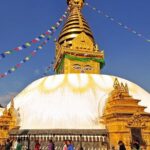
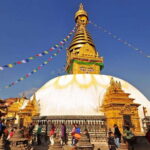
- Swoyambhunath (Monkey Temple)
- Pashupatinath Temple
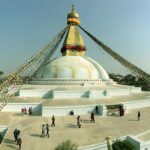
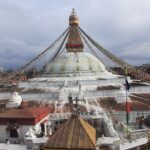
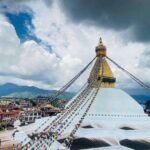
- Boudhanath Stupa
- From Sundarijal to Chisapani: the easy-into-nature trek day
- Practical tip for this day
- Nagarkot: sunset views without the hard part
- Sunset expectations, honestly
- Sunrise and Changunarayan Temple: the final hiking payoff
- Price and logistics: what your $375 covers (and what to budget)
- What to pack and how to mentally prepare for an easy trek
- Who should book this tour (and who should skip it)
- Should you book Prime Himalayas: Heritage Sites & Scenic Hill Easy Hike?
- FAQ
- Where does the tour start, and what time?
- How many days is the trip, and what’s the hiking portion like?
- What World Heritage Sites are included in Kathmandu?
- Is accommodation in Kathmandu included?
- What meals are included during the trek?
- Are drinks or bottled water included?
- What’s the group size limit?
- What happens if the weather is poor for the sunrise/hike?
Key things I’d circle before you go
- UNESCO in one day, with real guidance: Swoyambhunath, Pashupatinath, and Boudhanath are handled as a focused, guided block.
- A true “easy hike” rhythm: 2.5 days of moderate walking through forests and villages, with lodge stays during the trek.
- Shivapuri National Park trek day: You’ll start from Sundarijal and move through park trails toward Chisapani.
- Nagarkot for sunset and Himalayan views: A classic hilltop payoff without a brutal climb.
- Sunrise + Changunarayan Temple: Early morning views, then a hike to an ancient temple before returning to Kathmandu.
- Service that’s hands-on: Prime Himalayas is led by Prakash, and their operation is known for quality control and last-minute flexibility.
Kathmandu first: why this tour works as a “starter” Nepal trip
If you’re new to Nepal, Kathmandu can feel like sensory overload in the best way. This tour gives you a plan so you’re not just wandering and hoping you picked the right temple for your mood. Your first day is deliberately simple: you arrive, you settle into Kathmandu (your hotel is not included), and the team meets you for a briefing so you know what’s coming next.
Then the schedule smartly shifts to guided culture before you start hiking. Day 2 covers three major UNESCO sites in about six hours. That matters because it sets your context: you learn the spiritual logic behind what you’re seeing, instead of treating temples like photo backdrops.
The trekking portion is also paced like a practical on-ramp. You’re not pushed into high-altitude suffering. The walking is described as moderate and designed for easy trekking, with lodge accommodation during the trek and a hotel night in Nagarkot.
You can also read our reviews of more historical tours in Kathmandu
World Heritage Sites with a guide: Swoyambhunath, Pashupatinath, Boudhanath
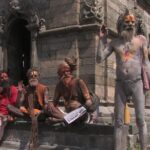
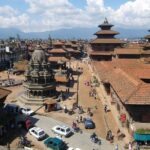
Day 2 is the centerpiece for anyone who wants Nepal’s big cultural landmarks without losing time. You’ll spend roughly six hours with an expert English-speaking guide visiting:
Swoyambhunath (Monkey Temple)
This is the temple-and-hillside vibe you expect from Kathmandu, with a lot going on around you as you climb and look out. What I like here is that Swoyambhunath isn’t just about one building—it’s about viewpoints, the feel of place, and how people use the space throughout the day. Your guide helps you understand what you’re seeing as you move.
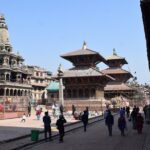
Pashupatinath Temple
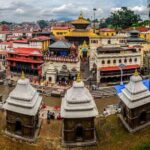
Pashupatinath brings a very different mood. It’s a major Hindu pilgrimage site, and it tends to make people quiet in that involuntary way. The benefit of having a guide is etiquette and context—so you know where to stand, how to behave, and what rituals and symbolism are tied to the site.
Boudhanath Stupa
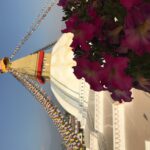
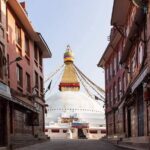
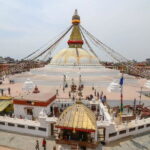
Boudhanath is the slow, steady counterbalance to the heavier feeling you might get at Pashupatinath. It’s known for its stupa atmosphere, and it’s a place where you can watch daily religious life without feeling like you need to rush. Again, the guide’s role matters because the more you understand the purpose of what you’re seeing, the more it lands.
Important cost note: entrance fees for these heritage sites are not included in the tour price. I’d budget for that upfront so you’re not doing math in a temple courtyard.
From Sundarijal to Chisapani: the easy-into-nature trek day
On Day 3, the trip pivots from city heritage to park trails. After breakfast, you drive to Sundarijal, then begin hiking through Shivapuri National Park to Chisapani.
This is where the tour earns its easy-trek label. The route is described as forest trails with village scenery. That usually translates to a walking day that feels like progress without constant strain. You get the “Nepal walk” experience—fresh air, shade, and the sense that you’re moving through real local spaces.
You’ll end the day with lodge accommodation at Chisapani. Lodges are not luxury spas, but that’s not the goal. The goal is convenience and comfort after a day on your feet. You’re also walking in a way that keeps you social with your small group—because you’re not hiking so fast that everyone disappears.
Practical tip for this day
Start thinking about your layers. Even in “easy” Nepal hiking days, mornings and shaded forest sections can feel cooler than Kathmandu. I’d pack a light rain layer too, since weather can change quickly and the park environment doesn’t care about your schedule.
Nagarkot: sunset views without the hard part
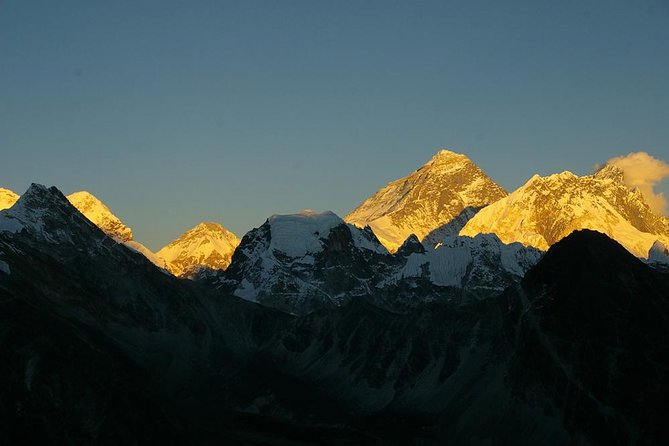
Day 4 is a short leap in time and a big payoff in views. You hike to Nagarkot, a scenic hilltop known for Himalayan sightlines and a beautiful sunset. If you’re the type who likes a clear reward at the end of effort, Nagarkot delivers.
This is one of the best parts of an easy trek because the difficulty level stays manageable, while the “wow” factor is high. You’re not required to be a summit person. Instead, you get the hilltop perspective that makes Nepal feel huge.
You’ll overnight at a hotel in Nagarkot. That’s a relief after lodge nights because you’re more likely to get the comfort you need—real rest, a warm drink, and a chance to reset your legs for the next morning.
Sunset expectations, honestly
Sunset views depend on weather and cloud cover, the same way they do anywhere with big mountains. The tour itself notes that good weather is required, so don’t plan your day like the sky is guaranteed. Still, when it works, Nagarkot is the kind of place you remember later.
Sunrise and Changunarayan Temple: the final hiking payoff
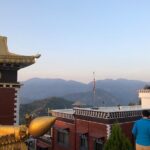
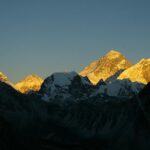
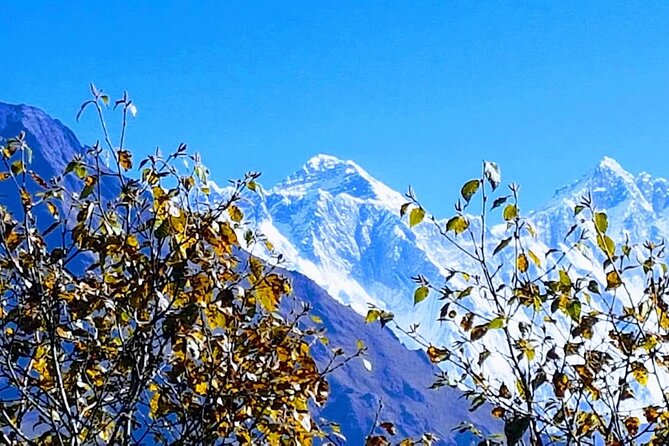
Day 5 begins early with sunrise over the Himalayas. This is the emotional closer for the trip, because you’ll see why people wake up before they’re ready. Even if you’re not a morning person, sunrise is one of those rare moments where the whole landscape feels different.
Then you’ll hike to Changunarayan Temple. This isn’t just a walk to stretch your legs. Changunarayan is an ancient temple, and the point of the final hike is to combine the mountain moment with cultural meaning. You end up with a day that feels like two kinds of Nepal: sky and stone, sunrise and spirituality.
After the hike, you drive back to Kathmandu. The tour ends back at the meeting point, so you’re not stuck planning your own last transfer.
Price and logistics: what your $375 covers (and what to budget)
At $375 per person for about five days, this is positioned as a value-friendly Nepal introduction—especially because the tour includes the biggest moving parts:
Included highlights:
- Private transportation
- Expert English-speaking guide
- Lodge accommodation during trekking (plus accommodation at Nagarkot per the itinerary)
- Breakfast, lunch, and dinner during the trek
- Transport from Thamel to Sundarijal
- Shivapuri National Park permit (the trek-related permit is listed as included)
- Government taxes and VAT
Not included (the stuff that can quietly add up):
- Entrance fees for heritage sites in Kathmandu
- Bottled water, and any drinks during the whole trip
- Lunch/dinner in Kathmandu
- Gratuities
- Nepal entry visa fee
- International flights
- Kathmandu accommodation (you book your own hotel)
Here’s how I think about the value: you’re paying for guided culture, private transfers, and organized trekking meals and sleeping. What you supply is your Kathmandu hotel life, your personal drinks, and the extra entrance fees. For many first-time visitors, those missing costs are normal, but it helps to plan them so you’re not surprised.
Also, the tour starts at 9:15 am and meets you around Thamel Marg in Kathmandu. Thamel is practical because it’s near public transportation, so you’re not stuck with isolated logistics.
One more note: the group is capped at 10 travelers. Small groups are one of those “cost vs. comfort” levers, and here it works in your favor.
What to pack and how to mentally prepare for an easy trek
This tour is called easy for a reason, but you’ll still be walking a few days in a row. The big win is that the difficulty stays realistic, so you can focus on sights instead of survival.
What I recommend you bring, given what’s not included:
- A refillable water strategy (bottled water isn’t included)
- A light rain layer (because the itinerary depends on good weather)
- Layering clothes (morning sunrise and shaded forest sections can feel cooler)
- Comfortable day hiking shoes you already trust
Food-wise, you’ll have breakfast, lunch, and dinner during the trek, so you’re not hunting meals on the trail. In Kathmandu, though, lunch/dinner isn’t included—plan for that.
Who should book this tour (and who should skip it)
This Nepal Discovery Tour fits best if you want:
- A first Nepal trip that mixes culture and nature without too much pressure
- Easy-to-moderate walking (2.5 days) and a gentle step into trekking routines
- A guided approach to major sites so you understand more than the surface
You might want a different style of trip if:
- You’re allergic to early mornings (the sunrise day starts early)
- You want everything fully included, including drinks and heritage entrance fees
- You’re traveling at a time when clouds and rain are frequent and you really can’t be flexible (the tour requires good weather for the sunrise/hike plan)
Should you book Prime Himalayas: Heritage Sites & Scenic Hill Easy Hike?
I’d book it if you want a balanced Nepal sample platter that still feels like you actually went somewhere. The combination of UNESCO temples, a guided city day, and an organized easy trek makes this a smart way to build confidence—especially if you’re considering longer trekking routes later.
Just do two things before you say yes:
- Budget for Kathmandu entrance fees and your drinks/water, because those are not covered.
- Be ready for the weather reality of sunrise and hilltop views. When skies cooperate, this trip feels like it pays you back in full.
If that sounds like your kind of adventure, this is a solid, well-structured choice.
FAQ
Where does the tour start, and what time?
The tour starts at Thamel Marg, Kathmandu 44600, Nepal, with a start time of 9:15 am.
How many days is the trip, and what’s the hiking portion like?
It’s approximately 5 days. You get around 2.5 days of moderate hiking, described as an easy trek.
What World Heritage Sites are included in Kathmandu?
The Kathmandu sightseeing includes Swoyambhunath (Monkey Temple), Pashupatinath Temple, and Boudhanath Stupa.
Is accommodation in Kathmandu included?
No. Accommodation at Kathmandu is not included. Lodging during the trekking part is included.
What meals are included during the trek?
During the trekking days, breakfast, lunch, and dinner are included.
Are drinks or bottled water included?
No. Bottled water and any drinks are not included during the whole trip.
What’s the group size limit?
The tour has a maximum of 10 travelers.
What happens if the weather is poor for the sunrise/hike?
This experience requires good weather. If it’s canceled due to poor weather, you’ll be offered a different date or a full refund.