REVIEW · KATHMANDU
4 UNSECO Heritage Sites Private Tour
Book on Viator →Operated by Himalayan Adventure Treks and Tours Pvt Ltd · Bookable on Viator
Four UNESCO sites in half a day. This 4- to 6-hour Kathmandu excursion packs in UNESCO World Heritage stops with hotel pickup, plus an experienced guide who keeps the day logical and easy to follow. You skip the chaotic in-between travel and focus on what matters.
I love the included chance to see the Kumari, a living Hindu goddess, during the Durbar Square visit. One possible consideration: entrance fees and lunch aren’t included, so you’ll want a bit of extra cash and a plan for food.
In This Review
- Key things to know before you go
- Four UNESCO sites in one morning: smart use of limited time
- Thamel pickup and private A/C car: less stress, more looking
- Pashupatinath: a Hindu crematory place you see with context
- Boudhanath Stupa: one massive landmark for Buddhist Kathmandu
- Kathmandu Durbar Square and the Kumari: where the culture feels alive
- Swayambhunath (Monkey Temple): temple views with a different vibe
- The guide factor: why the explanation changes everything
- Price and value: is $80 fair for a half-day like this?
- What to bring and how to plan your day
- Who this UNESCO Kathmandu tour suits best
- Should you book this Kathmandu UNESCO day tour?
- FAQ
- What’s the duration of this 4 UNESCO sites tour?
- Where does pickup happen?
- What time does the tour start?
- What’s included in the price?
- What isn’t included?
- Is this tour private?
Key things to know before you go
- Four UNESCO World Heritage sites in one half-day so you don’t waste hours zigzagging across Kathmandu
- Kumari viewing in Kathmandu Durbar Square adds a living, cultural moment to the temple sightseeing
- Hotel/port pickup and drop-off near Thamel keeps the start simple
- Private air-conditioned car means less hassle than tuk-tuks for this kind of route
- Mobile ticket + private group helps you stay organized and keeps the pace to your group
Four UNESCO sites in one morning: smart use of limited time
If you only have a limited window in Kathmandu, this kind of tour is a practical way to get your bearings fast. The day is built around four UNESCO World Heritage sites in Kathmandu’s valley area: Pashupatinath, Boudhanath Stupa, Kathmandu Durbar Square, and Swayambhunath (the Monkey Temple). That’s a lot of “big-name” Kathmandu in one go, and it’s exactly the sort of plan that makes sense when you’re trying to avoid turning sightseeing into a full-time job.
What makes this route feel good is the flow. Instead of picking one site and spending the day stuck in traffic, you move site-to-site with private transportation and a guide who can explain what you’re seeing as you go. For a first day in town, that can save you from wandering around later without a sense of what came first and why it matters.
The overall pacing is also realistic. With a 9:15am start and about 4 to 6 hours total, you’re not signing up for a multi-day commitment. You should still expect a busy morning, but the structure is meant to keep it manageable.
You can also read our reviews of more private tours in Kathmandu

Thamel pickup and private A/C car: less stress, more looking
This tour is designed around comfort and time-saving. You’ll get hotel/port pickup and drop-off in the Thamel area (or only near Thamel), which matters more than people think. Kathmandu can be energetic and sometimes unpredictable, so starting from a familiar neighborhood reduces the chance of losing time before you’ve even begun.
Next, you’re traveling by a private air-conditioned car. That’s a big deal on a day that includes multiple stops. The car isn’t just comfort—it’s also the buffer that keeps the schedule on track. You’re not negotiating multiple transport changes, and you’re not playing traffic roulette between distant corners of the city.
You’ll also get a mobile ticket, which helps if you prefer to keep things digital while you’re out and about. And since it’s a private tour, only your group participates, so you’re not stuck waiting for the slowest person in a mixed group.
Pashupatinath: a Hindu crematory place you see with context
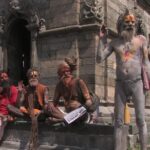
Pashupatinath is listed as a crematory place of Hindus, and that description sets the tone right away. This stop isn’t just architecture sightseeing—it’s about seeing a place that’s tied to ongoing religious practice and ceremony. Even if you’re not there for ritual, it helps to understand what kind of site it is before you start taking photos.
What I like about including Pashupatinath in a short UNESCO day is that it adds meaning beyond scenery. Many sightseeing days in major cities feel like they repeat the same visual pattern—temples, streets, views. Here, the cremation-ground association tells you the site operates in a different category: spiritual, active, and deeply connected to life and death traditions.
A practical consideration: this is the kind of location where you’ll want to stay respectful and observant. If you’re the type who gets impatient at slower, solemn moments, you might want to mentally shift your expectations. The payoff is that you’re witnessing a major cultural landmark with a guide who can help you interpret what you’re looking at instead of just staring at details.
Boudhanath Stupa: one massive landmark for Buddhist Kathmandu
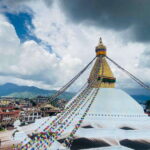
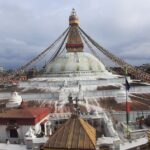
Boudhanath Stupa is described as the largest Buddhist stupa of Asia, and that scale is exactly why it belongs on a tight itinerary. When you see a site this large, it tends to reset your sense of what you’re looking at. Instead of a small cluster of buildings, you’re facing a landmark that functions as a centerpiece for devotion and community life.
I like that this stop is straightforward in value: one major landmark, big visual impact, and enough time to absorb it without turning your day into nonstop sprinting. A good guide helps here, because with a place like Boudhanath, the explanation can make the difference between seeing a structure and understanding why so many people consider it central.
One note to plan for: this is a UNESCO stop, so expect it to be popular. That doesn’t ruin it, but it can affect how long you’ll want to spend in the area around the stupa. If you’re the type who wants quiet photo time, you’ll probably appreciate going early in the day while the crowds are less thick than later.
Kathmandu Durbar Square and the Kumari: where the culture feels alive
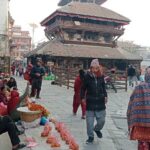
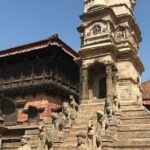
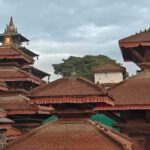
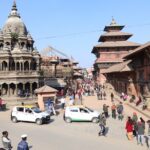
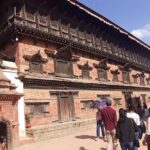
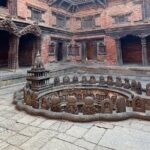
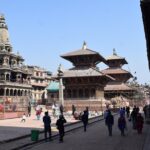
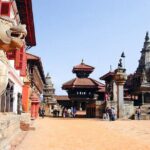
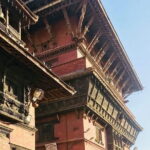
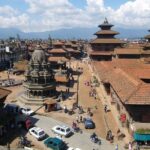
Kathmandu Durbar Square is described as a historical and ancient palace, and it’s also where the tour brings in the standout living moment: the Kumari, a living Hindu goddess. This is the part of the day that can feel less like museum-style touring and more like watching a living tradition in motion.
For me, the best value here is the combination. You’re not only getting stone and history—you’re getting a connection to a current cultural role. Seeing the Kumari makes the Durbar Square visit feel distinct from the other UNESCO sites, which are mostly about sacred architecture and heritage structures.
A practical tip: because this is a living tradition, your experience depends on timing. The tour’s structure helps because you’re visiting as part of a scheduled route starting at 9:15am. Still, it’s smart to keep your expectations flexible and remember that you’re observing a tradition with its own rhythms.
If you care about culture that’s practiced today, not just preserved, this is the highlight. It also makes the 4–6 hour format feel worth it, because it’s one thing you can’t get by simply reading about Kathmandu later.
You can also read our reviews of more historical tours in Kathmandu
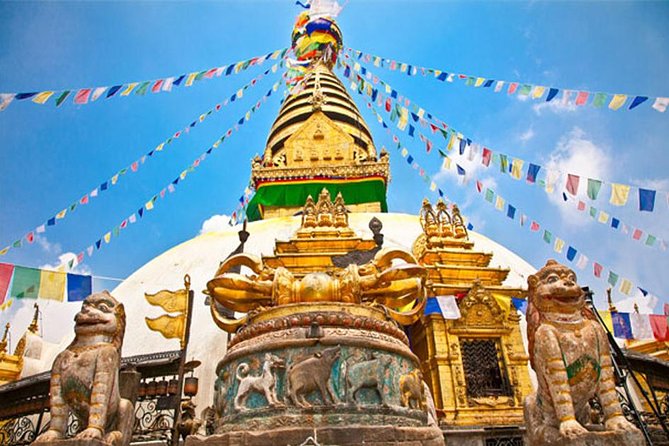
Swayambhunath (Monkey Temple): temple views with a different vibe
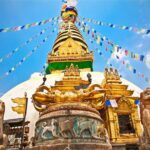
Swayambhunath is known as the Monkey Temple, and it rounds out the day with a different mood than the other three sites. While the other stops lean heavily into large landmark scale and solemn religious association, this one tends to feel more like a temple complex where you notice more everyday movement around you.
Even without getting too specific about the details on the ground, the “Monkey Temple” name gives you a clue about what kind of atmosphere you’ll likely encounter. Expect to see the temple area as an active place, not just a quiet monument. That difference can be a relief after the seriousness of Pashupatinath and the ceremonial meaning of the Durbar Square Kumari moment.
I also like that Swayambhunath is part of the same Kathmandu UNESCO set. It helps you compare sites without changing cities, and it gives you variety in one day: sacred grounds, a monumental stupa, a historical palace area with a living role, and finally a temple complex with its own character.
The guide factor: why the explanation changes everything
This tour includes an experienced guide, and in short days like this, the guide is the difference between ticking boxes and actually understanding what you’re seeing. One of the strongest signals from the provided feedback is that guides can be both friendly and engaging, with people like Badri and Kapil specifically noted for guiding in a fun, interest-sparking way. Another staff member, Bhagwat, has also been mentioned in connection with warm welcomes and smooth start-of-trip coordination.
That matters because these UNESCO sites each come with their own layers. Without context, you might get stuck “looking at things” but not understanding why they’re famous. With a good guide, you get a framework: what each place is, what it means, and how it fits into Kathmandu’s spiritual and cultural world.
If you want maximum value, treat the guide like your translator. Ask quick questions as you move—what you’re seeing, what you should pay attention to next, and how the places connect. In a 4–6 hour day, that turns explanations into real understanding.
Price and value: is $80 fair for a half-day like this?
At $80.00 per person for a 4- to 6-hour private tour, the key value isn’t the sites—it’s the structure. You’re paying for end-to-end transportation (hotel/port pickup and drop-off), a private air-conditioned car, and an experienced guide. For many visitors, paying for this kind of organization is worth it because Kathmandu traffic and navigation can turn a simple plan into a messy one.
Also, this is a private tour, not a shared bus situation. That means the guide can keep the pace aligned with your group instead of forcing everyone to wait for one set schedule.
Now the part to be honest about: entrance fees and lunch are not included. That means your all-in cost will be higher than the headline price. Still, if you were planning to do even a couple of major sites on your own, you’d still spend money on transport, time, and coordination. Paying $80 for a planned route can feel efficient when you only have a limited window.
In other words: the base price is reasonable for what’s included, as long as you budget for entrance fees and food.
What to bring and how to plan your day
Because entrance fees and lunch aren’t included, I suggest planning your practical basics ahead of time. Here’s what will help you keep the day smooth:
- Bring cash (or whatever payment method you’ve been told works locally) for entrance fees
- Plan for lunch on your own since it’s not included
- Wear comfortable shoes and be ready to move between sites
- If you have dietary requirements, share them at booking since the operator asks for that information
If you’re the type who likes to take lots of photos, build in some patience around popular areas like Boudhanath. If you’re more focused on meaning than pictures, you’ll likely enjoy the day more because the stops are designed to be interpreted, not just captured.
Who this UNESCO Kathmandu tour suits best
This tour fits well if you:
- Want multiple UNESCO World Heritage sites without spending a full day coordinating transport
- Prefer private, end-to-end convenience with pickup in/near Thamel
- Care about cultural context, especially the living aspect connected to the Kumari
- Like having an experienced guide keep the day moving and understandable
It may be less ideal if you:
- Hate any additional costs during the day (since entrance fees and lunch are on you)
- Need a slow, unstructured sightseeing pace rather than a set route and time frame
Should you book this Kathmandu UNESCO day tour?
If you’re in Kathmandu for a short stay and you want the biggest UNESCO names in one clean package, I think this is a strong choice. The combination of major heritage sites plus the Kumari moment makes the half-day feel more than just a list.
Book it if you value organization, private transportation, and a guide who can explain what you’re seeing. Skip it only if you strongly dislike planning around extra on-the-spot costs like entrances and meals, or if you’d rather take a slower, site-by-site approach.
FAQ
What’s the duration of this 4 UNESCO sites tour?
The tour runs about 4 to 6 hours.
Where does pickup happen?
Pickup is offered from hotels/ports in Thamel, or only near Thamel.
What time does the tour start?
The start time is 9:15am.
What’s included in the price?
Hotel/port pickup and drop-off, private air-conditioned car transportation, and an experienced tour guide.
What isn’t included?
Lunch, any personal expenses, and entrance fees are not included.
Is this tour private?
Yes. It’s a private tour/activity, so only your group will participate.