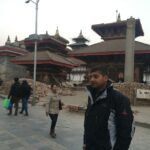
Bhaktapur is a real-life museum. In just about 5 hours, you’ll go from Kathmandu into a part of Nepal where medieval squares, temples, and Newar crafts still feel very much alive. I like that this tour keeps things practical with hotel pickup/drop-off and a private vehicle, and I also like how the guide turns the architecture into stories you can actually remember.
The main thing to plan for: there are entrance fees that are not included (listed as USD $13 per person), so your final cost is slightly higher than the headline price.
If you want your Nepal trip to include more than photos, this is a strong half-day option. You’ll walk, you’ll look up, and you’ll get a sense of how the Newar community shaped the city’s look and daily life.
In This Review
- Key Highlights at a Glance
- Bhaktapur’s UNESCO World Heritage Feel on a Half-Day Trip
- Getting From Kathmandu: Quick Transfer, Less Stress
- Bhaktapur Durbar Square: Where the City’s Story Starts
- Nyatapola and Temple Views: When You Look Up
- Newar Craft Culture in Real Space: Woodcarving and Pottery
- Juju Dhau and Local Newar Cuisine: The Flavor Stop People Talk About
- What the Guide Adds: Stories, Legends, and Meaning
- Price and Logistics: Is $40 a Good Deal?
- Pace and Comfort: Plan for Walking in a Heritage City
- Who This Tour Fits Best
- Should You Book the Kathmandu to Bhaktapur Heritage City Tour?
- FAQ
- How long is the Kathmandu: Bhaktapur Heritage City Tour?
- What’s the price per person?
- Are hotel pickup and drop-off included?
- Is the entrance fee included in the tour price?
- Do I need to buy a ticket in advance?
- Is this tour private?
- What transport is provided?
- What is the cancellation policy?
Key Highlights at a Glance
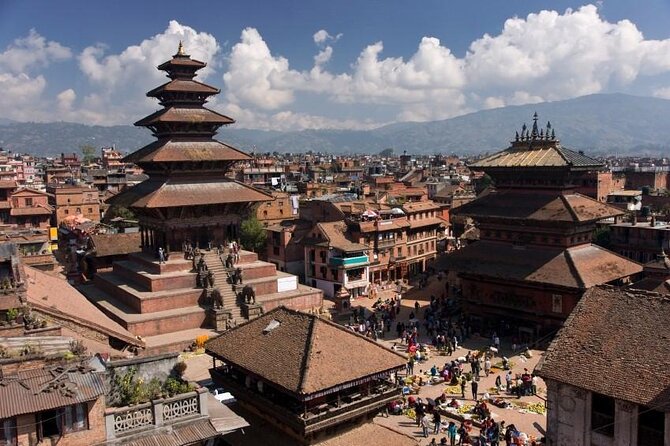
- UNESCO World Heritage setting: Bhaktapur’s medieval core is preserved and clearly readable on foot.
- Bhaktapur Durbar Square focus: temples, palaces, and historic squares give you a “center of gravity” for the city.
- English-speaking guide: stories and historical context help you make sense of the details.
- Newar culture in plain view: woodcarving, pottery, and everyday traditions show up as part of the scene.
- Time to try local Newar food: juju dhau (traditional yogurt) is a common favorite.
- Hotel pickup and drop-off: less hassle, more time looking at stonework and street life.
Bhaktapur’s UNESCO World Heritage Feel on a Half-Day Trip
Bhaktapur can feel like someone pressed pause on a medieval city. The streets and squares are still laid out for people to move through, trade, work, pray, and linger. That matters because Bhaktapur isn’t just buildings from far away—it’s a lived-in heritage site, so you’ll notice small rhythms as you walk.
What makes this tour work is that it’s short enough to stay energetic, but not so rushed that everything becomes a blur. The typical flow is a focused visit rather than a long day of bus windows. And because it’s private, your group sets the pace with the guide.
You’re also stepping into a UNESCO World Heritage setting, which comes with an extra layer of responsibility. You’ll see why the city’s architecture and historic squares were recognized, and you’ll likely understand which features are there for a reason—not just decoration.
You can also read our reviews of more city tours in Kathmandu
Getting From Kathmandu: Quick Transfer, Less Stress
The ride from Kathmandu to Bhaktapur is about 30 minutes, depending on traffic. That’s the kind of travel time I prefer on a day trip: long enough to switch contexts, short enough that you still have daylight and patience.
Because hotel pickup and drop-off are included, you don’t have to negotiate taxis or guess timing. It’s also a relief in a city like Kathmandu, where getting “one simple thing done” can quickly turn into two hours of logistics. Here, the private vehicle does the job and keeps the day on track.
One small consideration: traffic can stretch the drive. It’s not usually dramatic, but since the tour is only about five hours, it’s smart to keep the schedule calm and not stack extra plans right after.
Bhaktapur Durbar Square: Where the City’s Story Starts
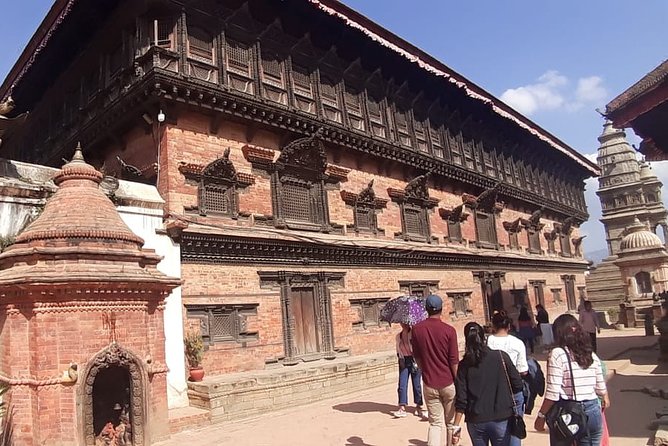
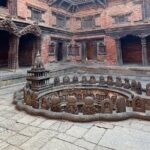
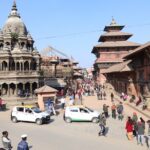
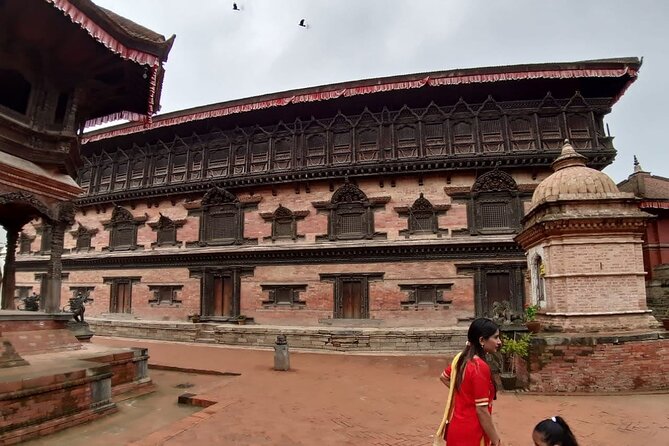
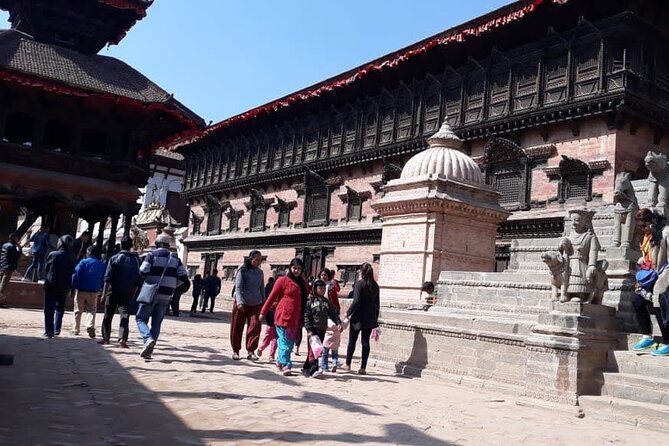
Most people find Bhaktapur the moment they hit Durbar Square. This is the city’s historic center—an area packed with temples, palaces, and architectural details that don’t feel repetitive because the layout keeps changing as you move.
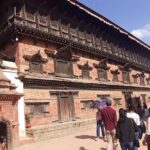
The best part of starting here is that it gives you orientation. You learn where the power sat, where people gathered, and how the city’s religious and civic life intertwined. A good guide helps you notice things you’d otherwise miss, like how carvings, roof shapes, and door details often reflect the culture behind the stonework.
I also like that Durbar Square is a place where the city’s craft culture shows up in context. Newar art isn’t treated like a distant museum topic. It’s right in the neighborhood—so when your guide explains the meaning of a feature, it doesn’t feel abstract.
Practical note: Durbar Square means walking on uneven ground. Wear shoes you trust, not footwear that looks great but begs for ankle trouble.
Nyatapola and Temple Views: When You Look Up
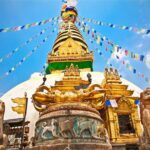
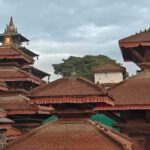
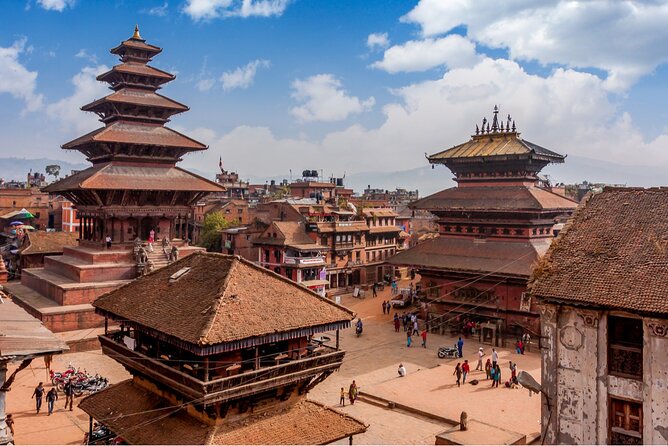
Bhaktapur’s temples tend to reward upward attention. Nyatapola is one of the landmarks that people remember, and it’s easy to see why. Tall temple silhouettes shape the city’s skyline, and from different corners you get different angles—so the experience changes as you reposition.
If you’ve seen temple architecture in other places, Bhaktapur will still feel distinct because the Newar style has its own rhythm. Roof tiers, sculpted forms, and the overall “layered” look make the city feel crafted rather than built. That’s the sort of detail that becomes more meaningful when a guide connects it to local tradition and history.
A possible drawback: temples and squares can get crowded at peak hours, and you may spend some time moving slowly through bottlenecks. If you’re someone who hates crowds, keep your expectations realistic and focus on the parts you can control—your pace, your viewpoints, and your time with the guide.
Newar Craft Culture in Real Space: Woodcarving and Pottery
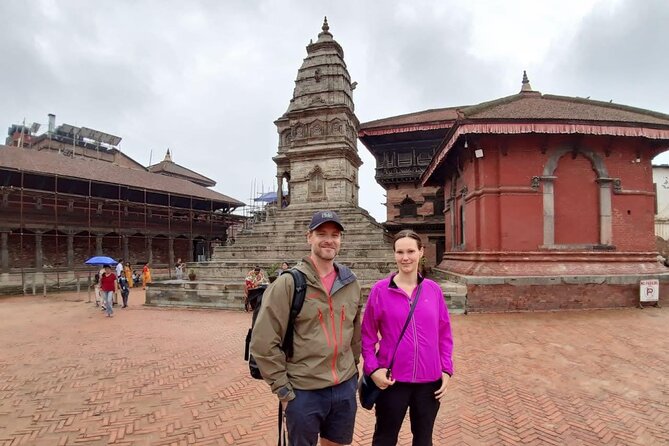
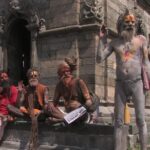
Bhaktapur is known for its Newar heritage, and you’ll see signs of that beyond the major monuments. The city’s reputation for woodcarving and pottery shows up as part of the everyday environment, not just as a souvenir theme.
This is where having a guide helps. Instead of treating crafts like decorations, you’ll get explanations that make the artistry feel purposeful. You may also notice how crafts connect to religion and daily life—how items and techniques are part of a community identity, not a random pastime.
If you like hands-on culture, this part of the tour is your payoff. Even if you don’t buy anything, you’ll come away with sharper eyes. You’ll look at a carved panel or a painted detail and have a better guess at what it represents.
You can also read our reviews of more historical tours in Kathmandu

Juju Dhau and Local Newar Cuisine: The Flavor Stop People Talk About
One of the most repeated favorites from this kind of Bhaktapur visit is juju dhau, a traditional Newar yogurt. It’s thick, tangy, and different from many modern yogurts you might be used to. People tend to remember it because it’s a clear taste of local life, not a generic snack stop.
This tour typically gives you time to experience local Newar cuisine during the city visit. The exact amount of time can vary with the group pace, but the theme is there: food is part of the city experience, not an afterthought.
My practical advice: if you’re planning to try juju dhau, treat it like a mini meal. Plan your other snacks accordingly so you don’t end up overbuying and feeling gross during the walking parts.
What the Guide Adds: Stories, Legends, and Meaning
A big part of why this tour is worth it is the guide’s role. Bhaktapur’s architecture can look impressive without explanation, but meaning doesn’t automatically transfer through sight alone. A good English-speaking guide helps you connect the physical details to local stories, legends, and historic facts.
In places like Bhaktapur, the guide’s tone matters. When the tour feels friendly and the guide can answer questions calmly, the city starts to make sense fast. You can ask about symbols on temples, why certain squares matter, or how the Newar community shaped the city’s way of life.
If you enjoy travel where you’re learning, this tour format is a good match: you get guided time in the most important places, plus enough freedom to enjoy the streets.
Price and Logistics: Is $40 a Good Deal?
At USD $40 per person, this tour can be a strong value if you factor in what’s included. You’re getting hotel pickup and drop-off, round-trip transfer by private vehicle, an English-speaking guide, and a private trip.
What’s not included is the entrance fee, listed as USD $13 per person. That’s the main extra cost you should budget for. Once you add it, you’re in the typical range for a guided heritage visit that includes real transport and local interpretation.
Here’s the way I’d think about value: you’re paying for time-saving logistics and for the guide’s ability to make Bhaktapur readable. If you tried to do it on your own without a plan, you’d likely spend that money anyway—on transport, entrance confusion, and time spent figuring out what’s important.
Also note: the operator lists a mobile ticket and group discounts. That can help if you’re traveling with friends, but even without that, the included pickup and private vehicle are the key savings.
Pace and Comfort: Plan for Walking in a Heritage City
This is a 5-hour experience, so it moves at a “heritage pace,” not a sit-and-watch pace. You’ll likely spend time in and around Durbar Square and nearby temple areas, which means steady walking and frequent looking up.
Pack the normal essentials: water, sun protection, and comfortable shoes. If you tend to get tired walking on old stone streets, bring a slightly slower pace for yourself. Even with a guide, your body drives the schedule more than the calendar does.
If you’re someone who likes photos, you’ll have time, but it’s not a studio shoot. The day is designed for understanding and observation, so give yourself space for pauses. One or two good viewpoints can be better than ten rushed snapshots.
Who This Tour Fits Best
This tour is ideal if you want a clean, focused way to experience Bhaktapur’s medieval character without turning the day into a transportation puzzle. It also suits you if you enjoy culture that’s still connected to daily life—temples, crafts, and food you can actually taste.
You’ll probably enjoy it most if you:
- like architecture with explanations, not just big scenery
- want a guided introduction to the Newar community’s heritage in Bhaktapur
- prefer private comfort with a local guide over crowded group herding
It’s also a good option for people with limited time in the Kathmandu area who still want something meaningfully different from the usual city highlights.
Should You Book the Kathmandu to Bhaktapur Heritage City Tour?
If your goal is a half-day dose of UNESCO-listed heritage with real context, I’d say yes. The included pickup/drop-off and private transport reduce stress. The guide-focused format helps you see Bhaktapur beyond the obvious monuments, and the chance to try local Newar flavors like juju dhau adds a memorable touch.
I’d skip it only if you’re very sensitive to entrance fees on top of the base price, or if you strongly prefer fully independent exploring with zero structure. Otherwise, this is a smart way to spend a day: you get the city’s key landmarks, craft culture context, and enough time to actually enjoy the streets.
FAQ
How long is the Kathmandu: Bhaktapur Heritage City Tour?
The tour lasts about 5 hours.
What’s the price per person?
It’s priced at USD $40.00 per person.
Are hotel pickup and drop-off included?
Yes. Hotel pickup and drop-off are included.
Is the entrance fee included in the tour price?
No. Entrance fees are listed as USD $13 per person and are not included.
Do I need to buy a ticket in advance?
A mobile ticket is mentioned, and confirmation is received at the time of booking.
Is this tour private?
Yes. It’s a private trip, and only your group participates.
What transport is provided?
The tour includes a round trip transfer by private vehicle.
What is the cancellation policy?
You can cancel for free up to 24 hours in advance for a full refund. If you cancel within 24 hours, the amount paid is not refunded.
If you tell me your travel dates and whether you’re staying near a specific Kathmandu area, I can suggest a simple timing plan so you don’t feel rushed on the drive back.