REVIEW · KATHMANDU
Pick 2-Wonders of Kathmandu: A 3-Hour Heritage Hop
Book on GetYourGuide →Operated by Cordial Trek Pvt. Ltd. · Bookable on GetYourGuide
Two UNESCO sites in three hours sounds like a sprint, but it works. I like the private pickup and drop-off that saves time, and I especially like the chance to see Kumari, the living goddess, or catch the 360-degree views from Swayambhunath.
The main thing to consider is time. Three hours is plenty for highlights, but it’s not for long, slow wandering or deep museum-style pacing.
In This Review
- What You’ll Love Most (Key Points)
- A 3-Hour Heritage Hop That Still Feels Well-Planned
- The Two-Wonders Choice: Pick the Pair That Matches Your Mood
- How to think about the pairing
- Option 1: Kathmandu Durbar Square and Swayambhunath (Monkey Temple)
- Kathmandu Durbar Square: royal power and the Kumari tradition
- Swayambhunath: a stupa on a hill with serious 360-degree views
- Option 2: Pashupatinath Temple and Boudhanath Stupa
- Pashupatinath: Hinduism at a major riverside holy site
- Boudhanath: the huge stupa and the peace of scale
- Option 3: Patan Durbar Square and Kathmandu Durbar Square
- Patan Durbar Square: Newari architecture in red-brick form
- Kathmandu Durbar Square: same UNESCO idea, new perspective
- Option 4: Bhaktapur Durbar Square and the Nyatapola Moment
- Bhaktapur Durbar Square: smaller district, big Durbar energy
- Nyatapola Temple: the tallest landmark
- What the 3 Hours Actually Feels Like on the Ground
- Price and Value: Is $38 Worth It for Two UNESCO Sites?
- Who This Tour Best Fits
- Should You Book This Kathmandu Heritage Hop?
- FAQ
- What does the Two-Wonders Kathmandu tour include?
- Where does the tour pick me up and drop me off?
- How long is the tour?
- Are monument entrance fees included?
- What languages is the tour guide available in?
- Is the tour suitable for wheelchair users?
What You’ll Love Most (Key Points)
- Kumari sighting option: If you choose Kathmandu Durbar Square, you get a rare window into the living goddess tradition.
- 360-degree Kathmandu views: Swayambhunath’s hilltop stupa gives you panorama over the Valley.
- Pick 2 from 6 World Heritage sites: You control the mix—Hindu temples, Buddhist stupas, or royal squares.
- Newari architecture in the Durbar Squares: Expect detailed stonework, palaces, and temple clusters tied to the Malla and Shah eras.
- Private transport + skip the ticket line: You lose less time to logistics and more time at the sights.
A 3-Hour Heritage Hop That Still Feels Well-Planned
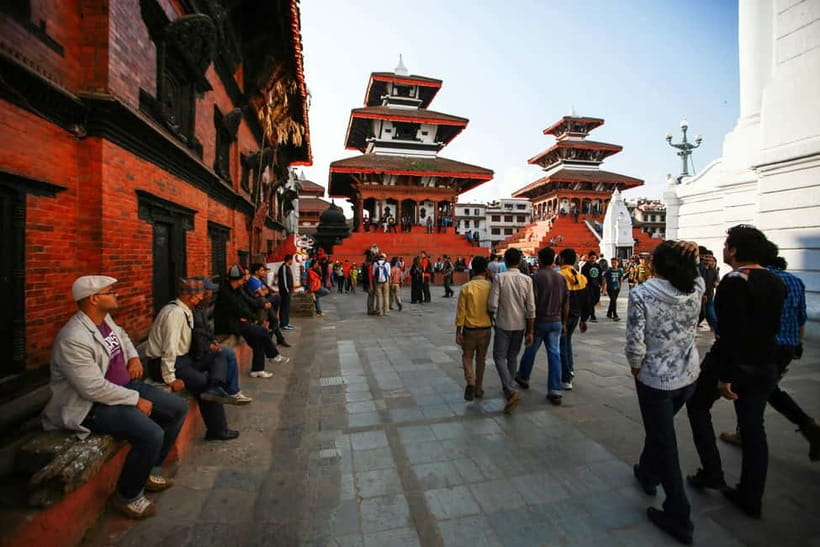
This tour is built for one clear goal: see the best-known UNESCO heritage sites in Kathmandu Valley without burning your whole day on travel between them. You’re in an air-conditioned private vehicle, and you get pickup and drop that keeps your schedule tight and your stress low.
The time format matters. You have 3 hours total, so the guide’s job is essentially triage—hit the most meaningful parts of each site and give you enough context to understand what you’re looking at. It’s the difference between walking around confused and walking around informed.
You also get bottled water, and the tour includes a live guide in English or Hindi. That combination helps a lot in places where signage can be limited and the traditions are the real story.
You can also read our reviews of more historical tours in Kathmandu
The Two-Wonders Choice: Pick the Pair That Matches Your Mood
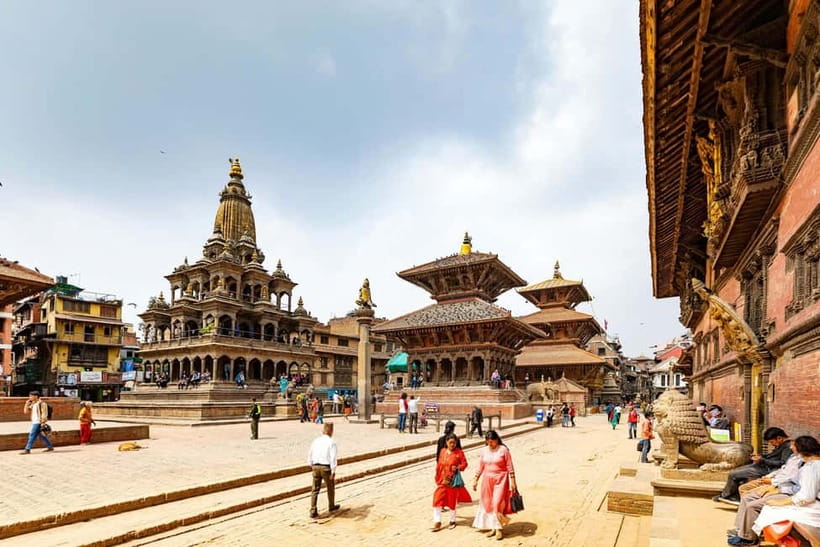
You select two wonders from a menu of World Heritage options. The pairing is the whole strategy. Choose based on the feeling you want in 3 hours: royal squares and old-city palaces, Hindu ceremonies and major temples, or Buddhist worship focused on a huge stupa.
Here are the four options, and how each one plays for your time:
How to think about the pairing
- If you want royal Kathmandu and craft details, you’ll probably gravitate toward Durbar Squares.
- If you want big spiritual contrasts, mixing Pashupatinath with Boudhanath is a strong combo.
- If you want views, Swayambhunath is the built-in reward.
Option 1: Kathmandu Durbar Square and Swayambhunath (Monkey Temple)
If I were choosing for a first-time Kathmandu visit, this is the combo that often gives the fastest understanding of the Valley.
Kathmandu Durbar Square: royal power and the Kumari tradition
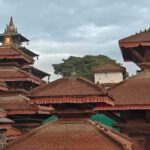
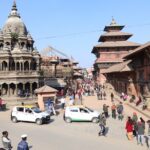
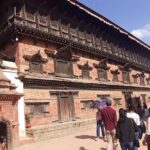
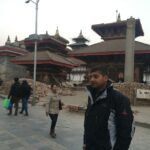
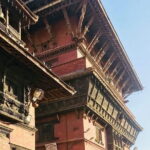
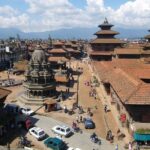
Kathmandu Durbar Square is the old-city heart for palaces tied to the Malla and Shah dynasties. You’ll see palace spaces including the nine-storied Nautale Durbar, which is exactly the kind of architectural detail that’s hard to appreciate unless someone explains what you’re looking at.
The big standout here is the Kumari, the living goddess. The tradition is unique: a young girl is revered as a living embodiment of the goddess in her temple. Even if you’ve read about it, seeing how it’s woven into the square’s life is what makes it memorable.
One practical consideration: this stop is intense on purpose—more “see the essentials” than “linger forever.” In 3 hours, you’ll want to be ready to move at a good walking pace.

Swayambhunath: a stupa on a hill with serious 360-degree views
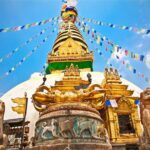
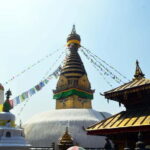
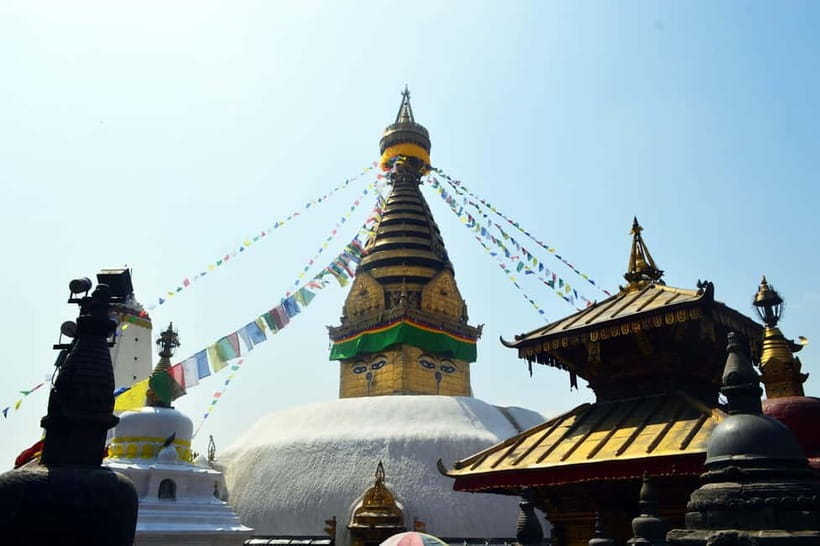
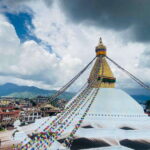
Then you head to Swayambhunath, the hilltop Monkey Temple, another UNESCO World Heritage site. The climb is part of the experience. At the top, you get the reward: panorama over the Kathmandu Valley—proper 360-degree views.
You’ll also see the Mahachaitya, and you’ll likely notice the playful monkeys in and around the area. This is one of those sites where you’re looking up and around at once, so the guide’s context matters. It’s not just a viewpoint. It’s a living religious space with a layered visual language.
Option 2: Pashupatinath Temple and Boudhanath Stupa
This pairing is for you if you want a clear contrast: Hindu spirituality on the Bagmati River versus Buddhist worship centered on a monumental stupa.
Pashupatinath: Hinduism at a major riverside holy site
Pashupatinath Temple is dedicated to Lord Shiva and sits by the sacred Bagmati River. One detail to be aware of: you may witness traditional cremation rituals along the banks. That can be profound—and not everyone feels comfortable with it on a short trip—so it’s worth knowing ahead of time that this stop isn’t just decorative sightseeing.
Still, this is one of the most important pilgrimage landscapes in the region, and seeing it with a guide helps you understand what the rituals mean and why people come here.
Boudhanath: the huge stupa and the peace of scale
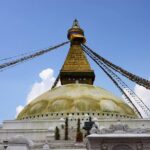
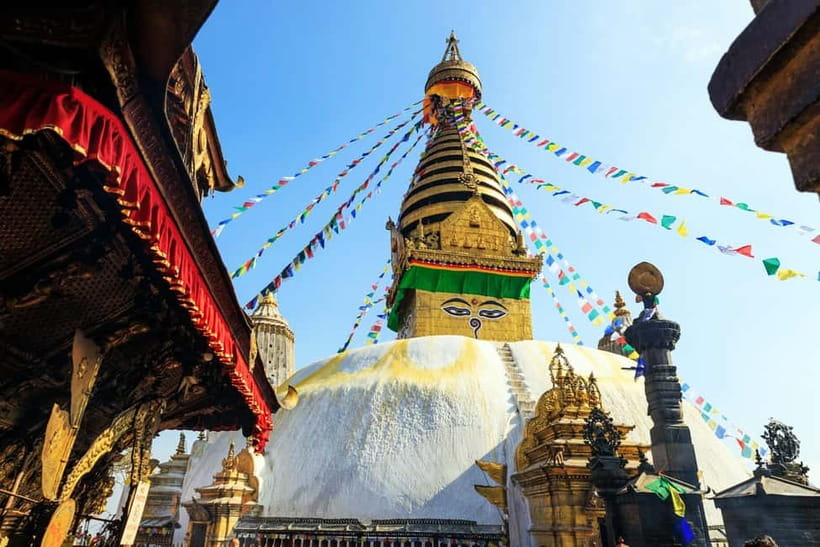
Then you move to Boudhanath Stupa, described as the largest mandala in Nepal and a UNESCO World Heritage site. This is the calmer counterweight in the pair.
Boudhanath’s setting also carries historical importance: it was once a vital stop on the ancient trade route to Tibet. That trade history matters because it explains how this place became such a central node for Buddhist communities and ideas.
In just 3 hours, this option can give you a strong sense of how Kathmandu can feel both intensely ceremonial and quietly reflective—often within the same day.
Option 3: Patan Durbar Square and Kathmandu Durbar Square
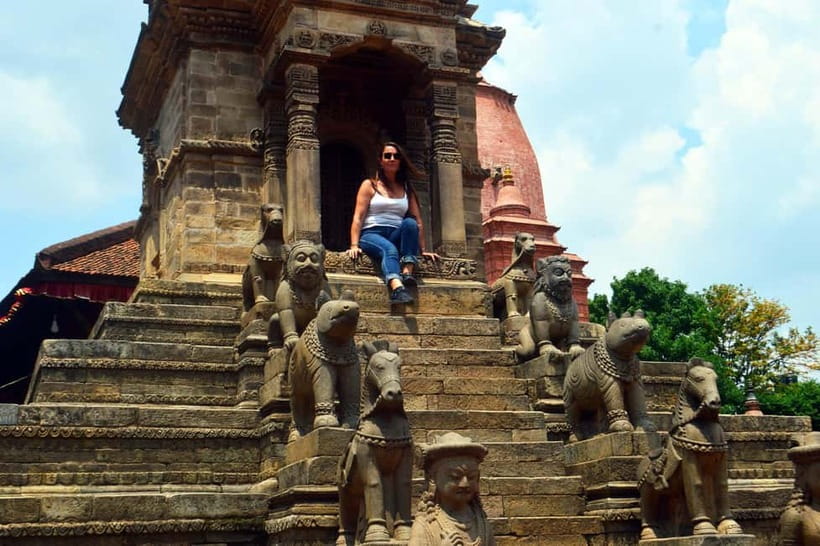
If you’re a details person, Option 3 is your choice. You’re essentially comparing two royal-city power centers and looking for the differences in craft, layout, and feel.
Patan Durbar Square: Newari architecture in red-brick form
Patan Durbar Square is in Lalitpur and is often described as the artistic heart of the area. Here you get Newari architecture and a concentration of temples and statues in the square.
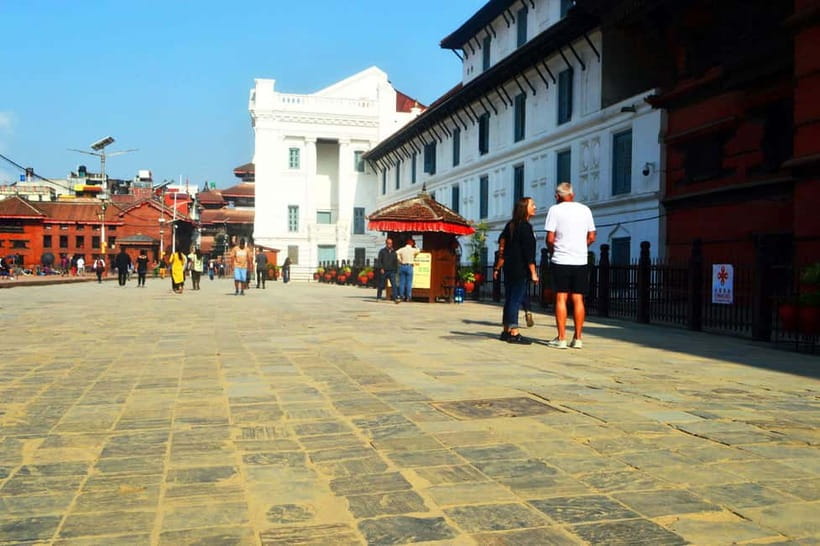
One specific visual detail you’ll likely appreciate: the red brick pavement across the square. It makes the whole place feel like a carefully built stage for the palaces and religious structures around it.
Kathmandu Durbar Square: same UNESCO idea, new perspective
After Patan, you return to Kathmandu Durbar Square. Since it’s also a UNESCO World Heritage site, the guide can help you connect themes: royal palaces, temple clusters, and the way dynasties shaped what you see today.
Because both stops are Durbar Squares, this option can feel like a focused study rather than a patchwork of unrelated places. The tradeoff is variety. If you want temple-vs-stupa contrasts, Option 2 will feel broader.
Option 4: Bhaktapur Durbar Square and the Nyatapola Moment
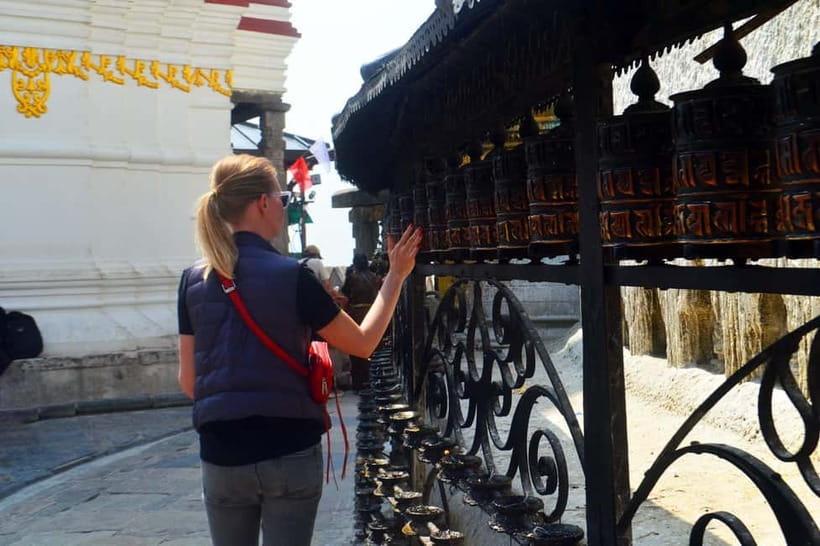
Bhaktapur is the slower-feeling option, even inside a fast tour, because the Durbar Square is tied to a cluster of spaces rather than a single viewpoint.
Bhaktapur Durbar Square: smaller district, big Durbar energy
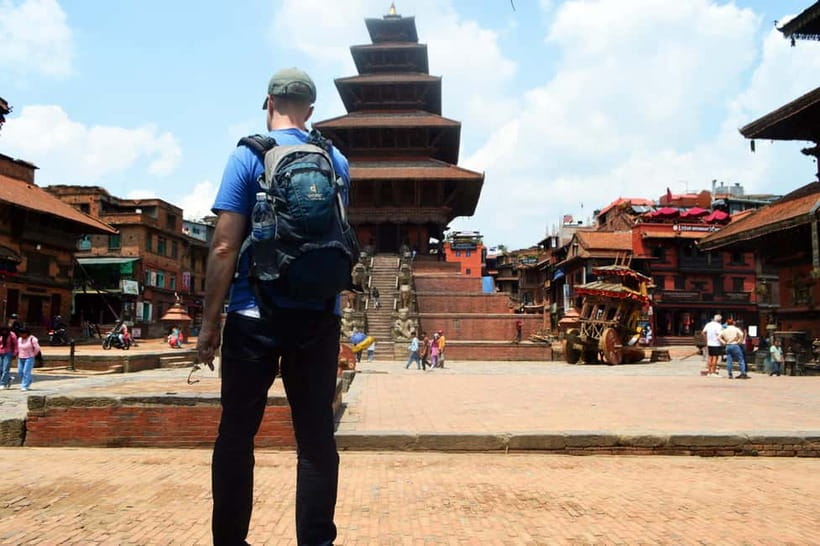
This is UNESCO-listed and described as the smallest district with the largest Durbar Square in Nepal. It includes four smaller squares, which matters because you can move through different “rooms” of the historic complex without leaving the overall heritage zone.
Nyatapola Temple: the tallest landmark
A highlight you shouldn’t miss is the five-storied Nyatapola Temple, described as Nepal’s tallest. That gives you a clean visual anchor for the square. Even if you only have a short time, the tower makes it easy to orient yourself and remember the architecture.
What the 3 Hours Actually Feels Like on the Ground
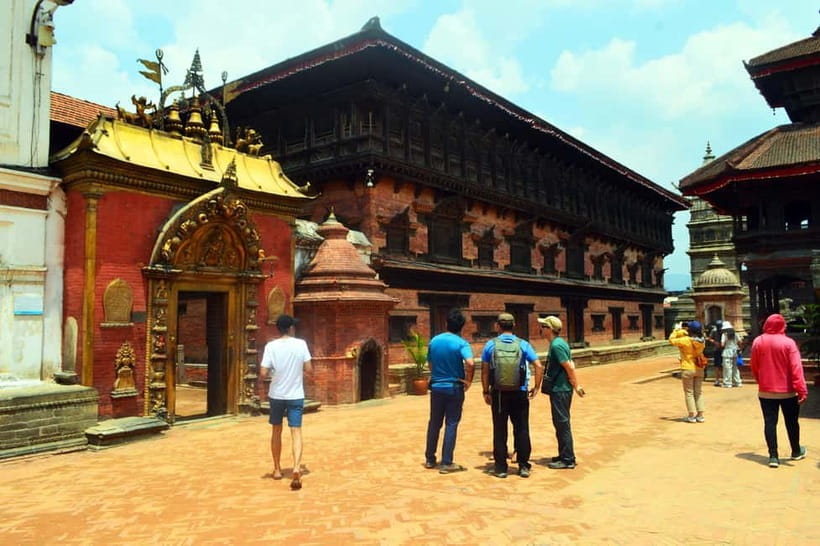
A 3-hour format can go two ways: either you rush past everything, or you hit the right points with enough context to make each stop click. This tour is designed for the second outcome.
You’ll typically spend time inside or at the edges of each heritage site, then move in your private vehicle to the next location. You also get bottled water, which helps when you’re walking and climbing in Kathmandu’s heat.
One small planning tip based on the rules: no large bags or luggage are allowed. If you’re carrying extra stuff, you’ll want to sort it out before you go so the start of the tour doesn’t turn into a hassle.
Price and Value: Is $38 Worth It for Two UNESCO Sites?
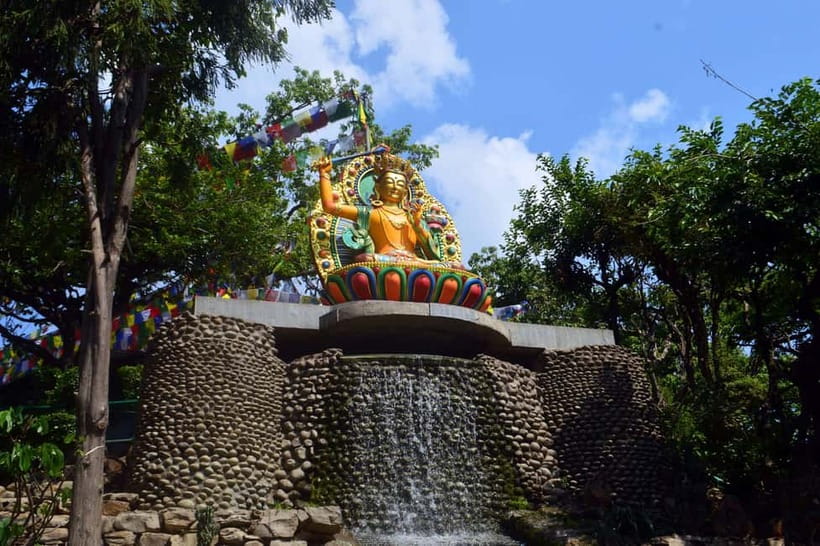
At $38 per person, the headline value is clear: you’re paying for a guided route to two UNESCO heritage sites with pickup/drop, private air-conditioned transport, and skip the ticket line.
Here’s the realistic value equation:
- The tour includes your guide, vehicle, bottled water, and ticket-line bypass.
- It does not include monuments entrance fees, so your total cost may rise once you add those tickets.
- Because it’s private and short, you’re less likely to lose hours to waiting, pooling, and wrong-turn wandering.
If you want maximum time efficiency in Kathmandu Valley—especially if you’re staying around Thamel—this pricing can be a good deal. If you prefer to roam slowly, you’ll likely feel boxed in. Three hours is best for “see it, understand it, remember it,” not “stay until sunset.”
Who This Tour Best Fits
This heritage hop is a smart match if you:
- Want two World Heritage sites without spending a whole day
- Like having a guide connect what you’re seeing to the cultural meaning
- Prefer private pickup so you’re not guessing routes and timing
It’s less ideal if:
- You need wheelchair access (the tour is listed as not suitable for wheelchair users)
- You’re traveling with very young infants (not suitable for babies under 1 year)
- You’re relying on a very slow walking pace (3 hours means steady movement)
Should You Book This Kathmandu Heritage Hop?
Book it if you want a time-efficient introduction to Kathmandu Valley’s UNESCO core. You’re getting private logistics, a live English/Hindi guide, and a guided route to the kinds of places that normally take planning (especially if you want choices like Kumari or Swayambhunath’s panoramic views).
Pass if you’re the type who wants to linger for hours per site, or if you’d rather piece together destinations on your own with no structure. In 3 hours, this tour is meant to make your first impression count.
FAQ
What does the Two-Wonders Kathmandu tour include?
It includes pickup and drop from your hotel, an experienced tour guide, a tour to any two of the 6 World Heritage sites, an air-conditioned private vehicle, and bottled drinking water. Skip-the-ticket-line access is also included.
Where does the tour pick me up and drop me off?
Pickup starts from Thamel, and the tour returns you back to Thamel. You’ll also have hotel pickup included, with instructions to wait in the hotel lobby or at your apartment entrance 05–10 minutes before pickup.
How long is the tour?
The total duration is 3 hours. Starting times depend on availability.
Are monument entrance fees included?
No. Monument entrance fees are not included in the price.
What languages is the tour guide available in?
The guide speaks English and Hindi.
Is the tour suitable for wheelchair users?
No, the tour is listed as not suitable for wheelchair users.