REVIEW · KATHMANDU
Kathmandu: UNESCO Heritage Site Private & Guided Tour
Book on GetYourGuide →Operated by Nepal Adventure Guide · Bookable on GetYourGuide
Seven UNESCO stops can feel like chaos—this is the fix. It strings together Kathmandu’s major UNESCO landmarks into one guided route, so you don’t waste time guessing what matters. I especially like the way you get expert local guiding at each site, with named guides such as Pranav, Sajan, and Nabin praised for making details click. One thing to watch: the price does not include entrance fees for the UNESCO sites, so your total spend will be higher than $59.
You also get hotel pickup and drop-off within the Kathmandu Valley, plus comfortable transportation between stops. That’s a real advantage in a city where traffic and short distances can still eat up daylight. The one obvious consideration: it’s not set up for wheelchair users, because this is temple-and-stairs country.
In This Review
- Key Highlights Worth Your Attention
- Why This 7-Site Kathmandu UNESCO Route Works
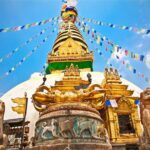
- Getting Oriented: Swayambhunath Stupa and the Valley Views
- Pashupatinath by the Bagmati River: Temple Etiquette Matters
- Boudhanath Stupa: Tibetan Culture in a Big, Peaceful Space
- Patan Durbar Square and Newari Craft
- Bhaktapur Durbar Square: Royal Heritage That Stays Intact
- Kathmandu Durbar Square, Hanuman Dhoka, and the Kumari Ghar
- Changunarayan Temple: An Older Feeling You Can Actually Enjoy
- Price and What You Should Budget For
- Comfort, Transport, and Guide Power
- Who This Tour Fits Best
- Should You Book This Kathmandu UNESCO Heritage Tour?
- FAQ
- What UNESCO World Heritage Sites are covered on this tour?
- Is the $59 price inclusive of entrance fees?
- Do you get hotel pick-up and drop-off?
- What languages will the guide speak?
- Is this tour wheelchair accessible?
- Are drinks or alcohol allowed in the vehicle?
- Are meals included?
- Can I reserve and pay later?
- Can I cancel for a full refund?
Key Highlights Worth Your Attention
- Swayambhunath hilltop views that help you get your bearings fast
- Pashupatinath by the Bagmati River, where Hindu pilgrimage rhythms set the tone
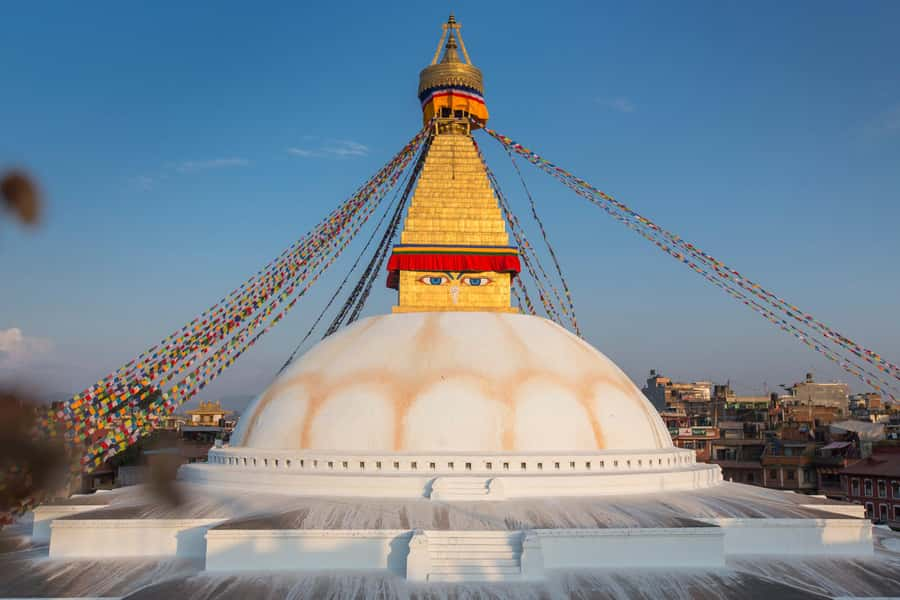
- Boudhanath’s giant stupa and the calm, Tibetan cultural center feeling
- Newari craftsmanship at Patan Durbar Square and Bhaktapur Durbar Square
- Kathmandu Durbar Square’s monarchy sites, including Hanuman Dhoka Palace and the Kumari Ghar
- Changunarayan Temple as a slower, older-feeling stop
Why This 7-Site Kathmandu UNESCO Route Works
Kathmandu can overwhelm you in a hurry. You’ll see temples, carvings, statues, and doorway after doorway. But without context, you end up collecting images instead of understanding place.
This tour is built to solve that problem by linking seven UNESCO World Heritage Sites into a single flow. You start with Swayambhunath to orient yourself over the valley, then move through the spiritual spine of the city (Pashupatinath and Boudhanath), and finish by exploring royal squares and older temples (Patan, Bhaktapur, Kathmandu Durbar Square, and Changunarayan). For you, that matters because the “what” and “why” get explained as you go, not after you’re already tired and lost.
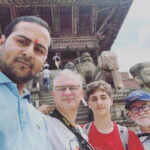
The best part is the guiding approach. The guides named in feedback—Pranav, Sajan, and Nabin—are repeatedly called out for clear, detailed explanations and a kind, helpful manner. That’s not fluff. In UNESCO sites, small details are the difference between a quick glance and real understanding.
You can also read our reviews of more guided tours in Kathmandu
Getting Oriented: Swayambhunath Stupa and the Valley Views
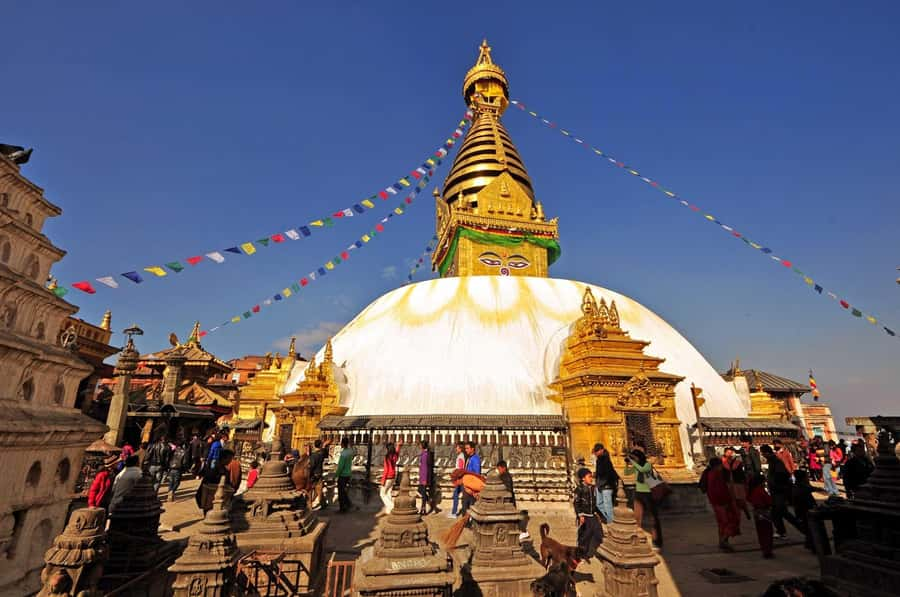
Swayambhunath, also called the Monkey Temple, is the smart first stop. It’s on a hill, so the payoff is immediate: you get panoramic views over the Kathmandu Valley, and suddenly the rest of the city makes more sense. Even if you’re not a “views guy,” this helps you map where the major areas sit.
What you’ll enjoy here is the contrast between the sacred site and the busy city energy below. The stupa complex is visually dense: prayer areas, small shrines, and the iconic stupa shape that you’ll recognize quickly once you’re there. A guide also helps you understand why this place is a destination, not just a landmark.
Possible consideration: if you’re sensitive to crowds or you prefer easy walking, hilltop temple areas can feel busy and require effort. You might also encounter playful monkeys around the approach. Keep your belongings secure and follow any local guidance on behavior.
Pashupatinath by the Bagmati River: Temple Etiquette Matters
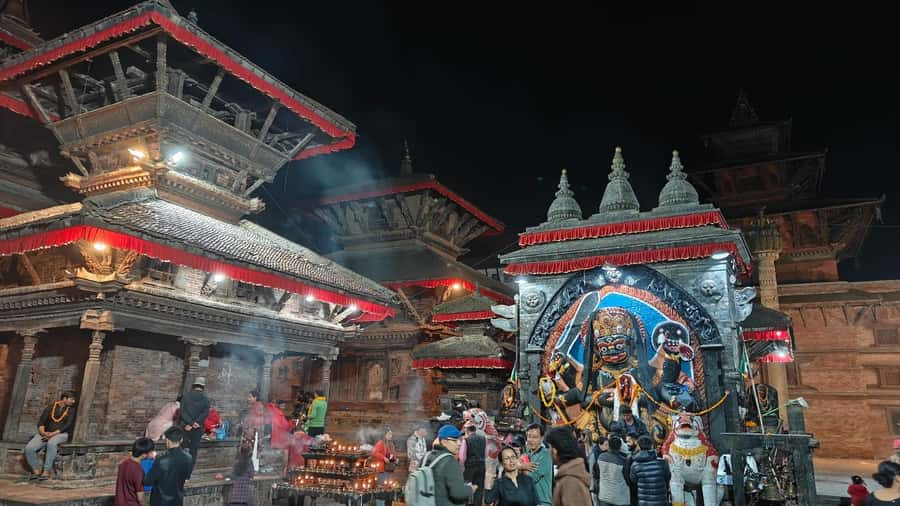
Pashupatinath is one of the most important Hindu pilgrimage sites in the valley, and the Bagmati River is part of the story. This stop works because it’s not just architecture—it’s a lived religious setting. You’ll feel the religious purpose in how people move through the space.
A great guide makes a difference at Pashupatinath. You want to know what to respect, when to observe, and how the river setting fits into Hindu belief and practice. This matters especially at major Hindu sites, where visitors sometimes wander without realizing what the space is asking of them.
Possible consideration: this is a sacred environment with active religious activity. You’ll want to keep your behavior calm and respectful, and dress appropriately. If you’re visiting during peak times, expect more people around the main areas, which can affect how long you can pause for photos.
Boudhanath Stupa: Tibetan Culture in a Big, Peaceful Space
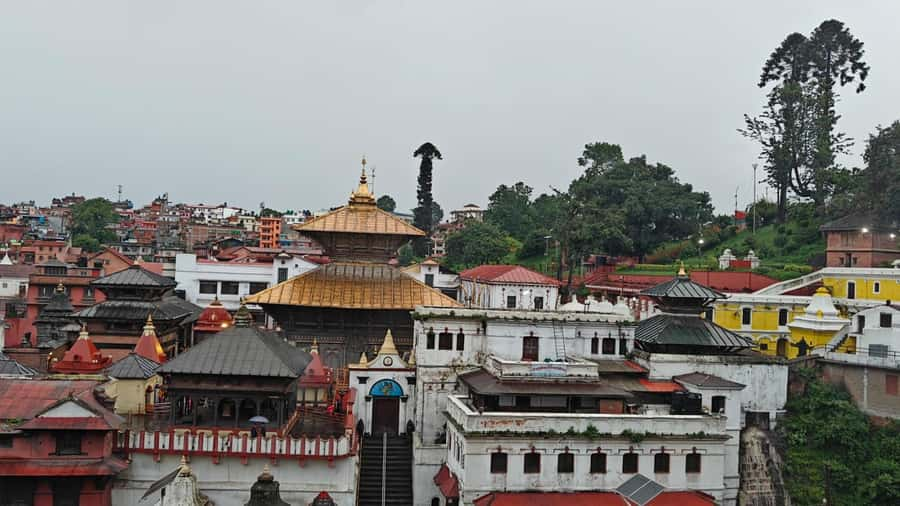
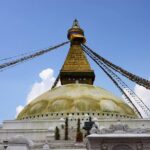
Boudhanath is massive, and the scale changes how you experience it. Instead of feeling like you’re “touring” a monument, you feel like you’re stepping into a center of Tibetan culture. The stupa’s size holds your attention, but what really sticks is the atmosphere: quiet, devotional, and steady.
Why a guided stop helps here: Tibetan Buddhist sites have their own rhythm—prayer, movement around the stupa, and symbols you might not recognize on your own. A good guide translates those visual cues so you’re not just watching strangers perform something you can’t interpret.
Possible consideration: because it’s a spiritual hub, you might find the pace slower than other stops. If you’re trying to cram this day in like a race, you’ll feel friction. Better approach: slow down, watch how people pray, and let the guide explain what you’re seeing.
Patan Durbar Square and Newari Craft
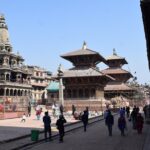
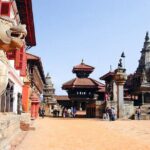
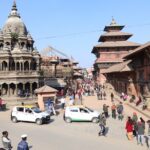
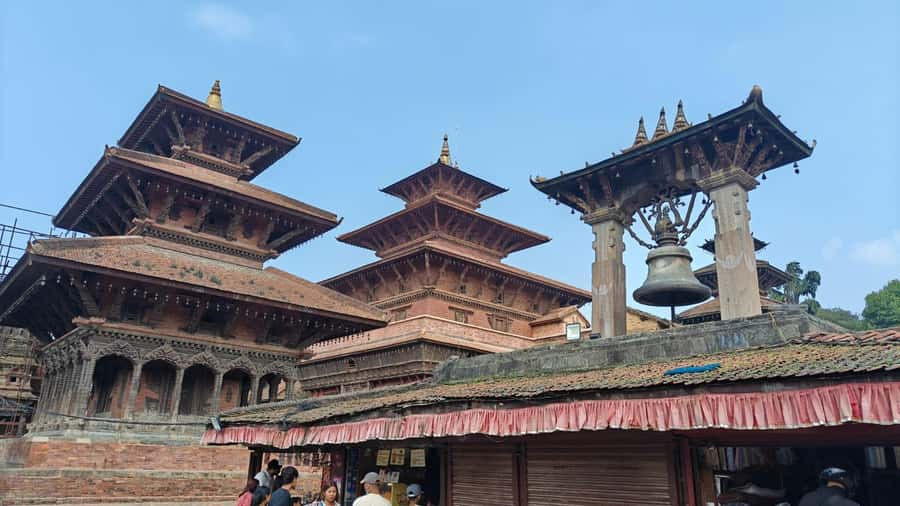
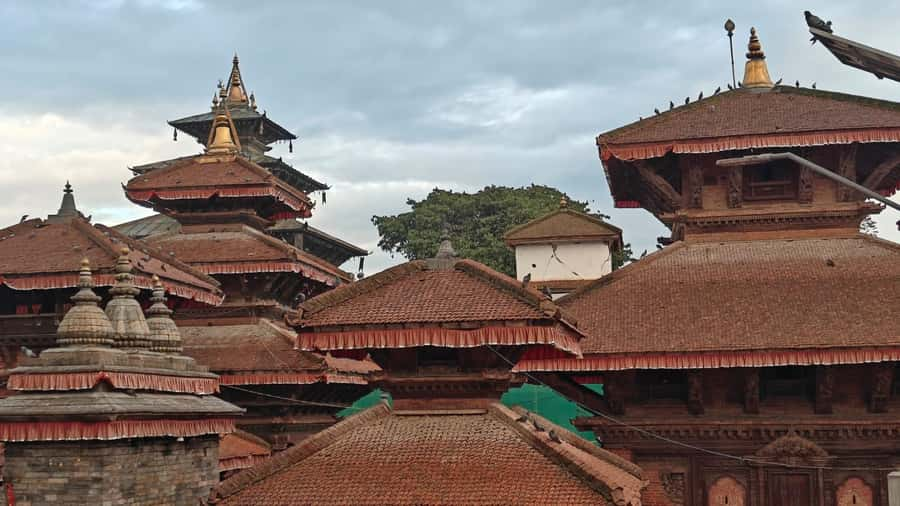
Patan Durbar Square is where you see Newari art and architecture up close. This is not just a collection of old buildings. It’s a royal square environment full of carved details, temple forms, and courtyards that show how skilled local craftsmen shaped Kathmandu Valley heritage.
A strong guide helps you “read” the square. You’ll learn why certain carvings matter, what the layout tells you, and how the art style connects to the region’s history. That’s the kind of context that makes UNESCO sites feel personal instead of distant.
Possible consideration: durbar squares are often uneven and full of corners to explore. If you like structure—clear pathways and minimal walking—you might need to pace yourself. Wear comfortable shoes because you’ll likely want to move around to see key details from different angles.
You can also read our reviews of more private tours in Kathmandu

Bhaktapur Durbar Square: Royal Heritage That Stays Intact
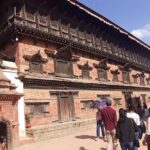
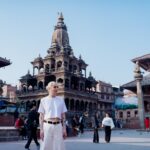
Bhaktapur Durbar Square is another royal showcase, and it’s known for being preserved in a way that lets you absorb the medieval feel of the area. When you get here, you’re not just looking at isolated temples—you’re seeing a whole civic setting tied to royal heritage.
What I like about pairing Patan and Bhaktapur in the same route is how they compare. Both highlight Newari craftsmanship, but they feel different in mood and layout. A guide’s explanations help you catch those differences instead of treating them as the same “type” of place.
Possible consideration: if you’ve been walking since earlier stops, Bhaktapur can feel like an extra dose. Keep an eye on energy. This is a day where you’ll get the most out of it if you treat the squares as experiences, not checkpoints.
Kathmandu Durbar Square, Hanuman Dhoka, and the Kumari Ghar
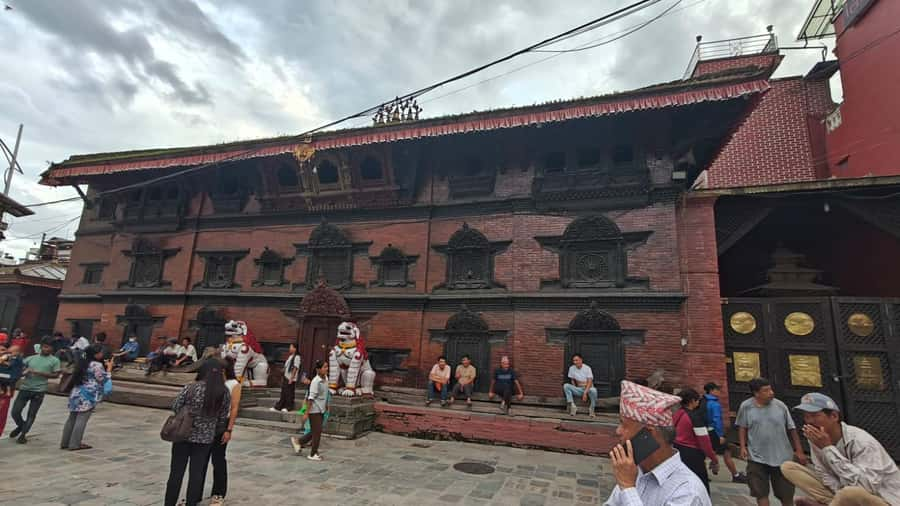
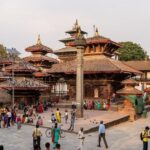
Kathmandu Durbar Square connects the city to its monarchy story. Two highlights you’ll want to make time for are Hanuman Dhoka Palace and the Kumari Ghar, the residence of the living goddess.
This is a big deal because it shifts the experience from art appreciation to living cultural tradition. The goddess aspect can be confusing if you haven’t been told the basics. That’s exactly where an expert guide earns their fee—explaining what the Kumari represents and how visitors should behave in relation to the space.
You’ll also want to slow down for the palace area details. Even if you’re not a “palace person,” the combination of architecture and symbolic meaning makes this stop feel central to Kathmandu’s identity.
Possible consideration: durbar squares can draw crowds and you may have to adjust your photo plan. If you want the cleanest views, don’t fight for the perfect angle—let your guide guide you to the best vantage points within how people are flowing.
Changunarayan Temple: An Older Feeling You Can Actually Enjoy
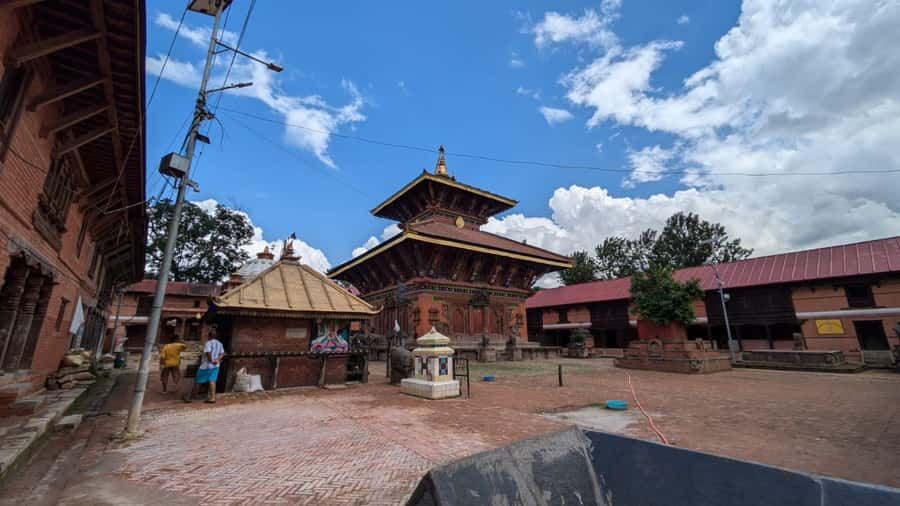
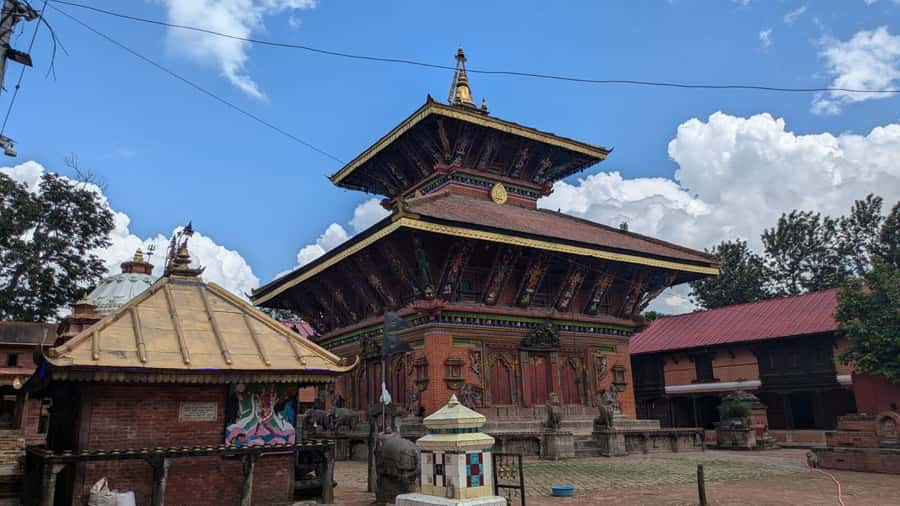
Changunarayan Temple is often treated like the quieter cousin of the bigger names, and that’s part of why it’s worth including. It’s described as a serene stop and one of the oldest Hindu temples in the valley. That age shows in the atmosphere—less about spectacle, more about the feeling of continuity.
You’ll appreciate it most if you like context. With a guide, this becomes more than a stop for photos. You start noticing how old temple traditions influence design and how that style fits into the Kathmandu Valley’s long cultural timeline.
Possible consideration: because it’s not as famous as the biggest headline sites, you might be tempted to rush it. Don’t. Treat it as your chance to breathe and reset before the day ends.
Price and What You Should Budget For
The tour is listed at $59 per person, which is a fair starting point for a guided, multi-site day with pickup and transportation within Kathmandu Valley. But the key budget detail is straightforward: entrance fees for all 7 UNESCO sites are not included.
So how do you judge value? You’re paying for organization and interpretation: a guide at major heritage stops, plus transport to reduce hassle and time wasted navigating the valley yourself. For a first-time visitor, that “less stress, more understanding” factor often matters more than the lowest possible ticket price.
Also keep in mind the tour doesn’t include meals, travel insurance, personal expenses, or international airfare/visa fees. If you want lunch with confidence, plan to budget separately.
My practical advice: treat the $59 as the “guided logistics” cost, then budget extra for entry fees and whatever you want to eat along the way.
Comfort, Transport, and Guide Power
Included in the package are comfortable transportation between sites and hotel pickup/drop-off within Kathmandu Valley. That matters because Kathmandu’s traffic and short distances can still add up. Less time in transit stress means more energy for standing, walking, and soaking up details at each UNESCO spot.
The guide factor is the standout from the feedback you provided. Pranav, Sajan, and Nabin all come up for a reason: they’re praised for detailed explanations that make history, culture, and architecture easier to understand. That kind of “tell me what I’m looking at and why” guidance is exactly what turns UNESCO into something you remember.
There are also clear vehicle rules: no drinks in the vehicle and no alcoholic drinks. It sounds strict, but it’s often about keeping the ride comfortable and aligned with group norms.
One more practical note: you can expect English (and Hindi) guidance. If you’re more comfortable in English, you’re covered.
Who This Tour Fits Best
This is a strong fit if you want a guided, structured day across Kathmandu Valley UNESCO sites without piecing together directions and explanations yourself. It also suits you if you like spiritual and historical variety: Hindu pilgrimage at Pashupatinath, Tibetan Buddhist culture at Boudhanath, Newari craftsmanship at Patan and Bhaktapur, and monarchy-linked context at Kathmandu Durbar Square.
It may not be ideal if you’re limited on mobility. The tour is explicitly noted as not suitable for wheelchair users, and temple areas often involve uneven ground and stairs.
If you prefer a slow, solitary experience, you might feel the pace of seeing seven major sites. But if you’re the type who loves a full day of meaningful stops with a guide talking through the why, this one likely matches your travel style.
Should You Book This Kathmandu UNESCO Heritage Tour?
If you want maximum value from a short stay, I think you should book this. The big reason: it’s not just a list of famous places. It’s a guided path that helps you understand what you’re looking at—from Swayambhunath’s valley orientation to Durbar Square monarchy sites and Changunarayan’s older temple feeling.
Book it if:
- you want seven UNESCO highlights handled in an organized way
- you appreciate strong local guiding (and you’re happy to ask questions)
- you’re okay paying entrance fees separately
Skip it (or plan carefully) if:
- you need wheelchair-friendly access
- you want a very relaxed pace with no schedule pressure
- you’re trying to fit in without any extra budgeting for entry fees
Overall, this is the kind of tour that helps Kathmandu click. You’ll leave seeing more than monuments—you’ll understand how the spiritual, royal, and craft traditions connect across the valley.
FAQ
What UNESCO World Heritage Sites are covered on this tour?
The tour covers seven Kathmandu Valley UNESCO heritage landmarks: Swayambhunath Stupa, Pashupatinath Temple, Boudhanath Stupa, Patan Durbar Square, Bhaktapur Durbar Square, Kathmandu Durbar Square (including Hanuman Dhoka Palace and Kumari Ghar), and Changunarayan Temple.
Is the $59 price inclusive of entrance fees?
No. Entrance fees to all 7 UNESCO World Heritage Sites are not included in the $59 per person price.
Do you get hotel pick-up and drop-off?
Yes. Hotel pick-up and drop-off within Kathmandu Valley are included.
What languages will the guide speak?
The tour information states guides are available in English and Hindi.
Is this tour wheelchair accessible?
No. The tour is not suitable for wheelchair users.
Are drinks or alcohol allowed in the vehicle?
No. Drinks in the vehicle are not allowed, and alcoholic drinks in the vehicle are also not allowed.
Are meals included?
Meals are not specified as included, so you should plan on paying for meals separately.
Can I reserve and pay later?
Yes. It offers Reserve & Pay Later, letting you book your spot and pay nothing today.
Can I cancel for a full refund?
Cancellation is allowed up to 24 hours in advance for a full refund.