REVIEW · KATHMANDU
Kathmandu Guided Day Tour: Explore Top 4 UNESCO Heritage Sites
Book on Viator →Operated by Best Treks and Adventure · Bookable on Viator
UNESCO four-pack in one Kathmandu day. This guided loop is a smart way to see Swayambhunath, Patan Durbar Square, Pashupatinath, and Boudhanath without spending your whole day figuring out timing, entry, and logistics. I like that you get a government license holder guide and extra cultural stops like a Thanka painting school visit, not just check-the-box monuments.
One thing to plan for: UNESCO entrance fees and lunch are listed as not included, so your real day-budget is a bit more than the $55 headline price. Also, the Pashupatinath cremation ceremonies along the Bagmati River are spiritually important, but they can feel intense if you’re sensitive to that kind of ritual.
In This Review
- Key Highlights You’ll Feel Right Away
- Why This Kathmandu UNESCO Day Tour Works So Well
- Price and What You Truly Get For $55
- Pickup, Mobile Ticket, and the Comfort Stuff That Saves the Day
- Stop 1: Swayambhunath (Monkey Temple) and That 360° View
- Stop 2: Patan Durbar Square and Craft-Centered Monuments
- Stop 3: Pashupatinath Temple and Bagmati River Cremation Ceremonies
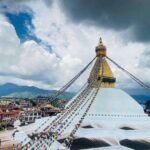
- Stop 4: Boudhanath Stupa, Giant Dome Scale, and the Kora Walk
- The Two Cultural Add-Ons: Thanka Painting School and Healing Bowl Demo
- Time on the Ground: How to Think About a 5–7 Hour Day
- Who This Tour Suits Best (and Who Should Rethink It)
- Should You Book This Kathmandu UNESCO Day Tour?
- FAQ
- How long is the Kathmandu guided day tour?
- What UNESCO sites are included in this day tour?
- Is pickup included?
- What’s included in the price?
- Are entrance fees included?
- Is lunch included?
- Is this tour private or group-based?
- Can most people join this tour?
- What is the cancellation policy?
Key Highlights You’ll Feel Right Away
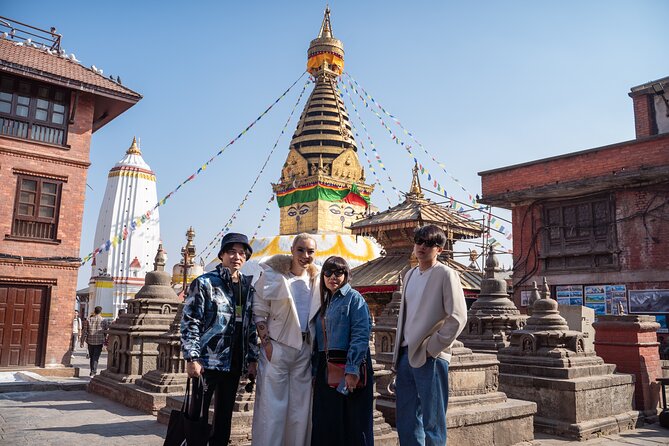
- A licensed guide, often spotlighting Prakash: One guide name that shows up often is Prakash, described as very attentive and supported by a Masters degree.
- Four UNESCO sites in one day: You’ll cover major Hindu and Buddhist landmarks with minimal backtracking.
- Swayambhunath’s hilltop views and monkeys: The Monkey Temple area gives you a 360° feel over the Kathmandu Valley.
- Pashupatinath’s cremation ceremonies: Sacred Hindu rituals at the Bagmati River make this stop more than sightseeing.
- Boudhanath’s Kora ritual walk: You’ll experience the meditative pattern people follow around the giant stupa.
- Two cultural add-ons: A Thanka (traditional art) school stop and a healing bowl demonstration center visit add depth.
Why This Kathmandu UNESCO Day Tour Works So Well
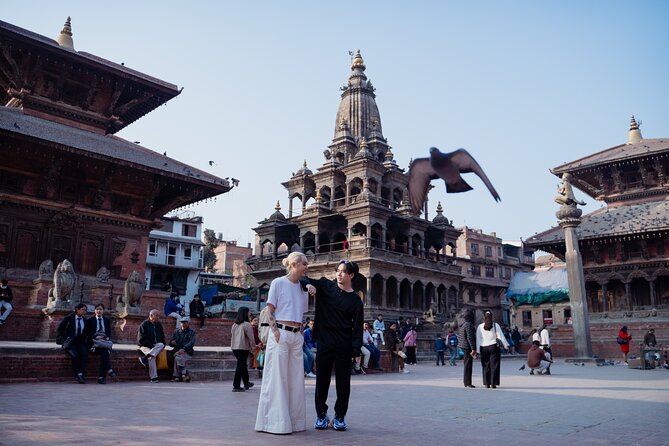
Kathmandu can be a visual overload in the best way. The payoff here is that the route is designed around the Valley’s biggest UNESCO heavy-hitters, in a single 5 to 7 hour window, so you don’t have to choose between “monuments” and “actually seeing stuff.”
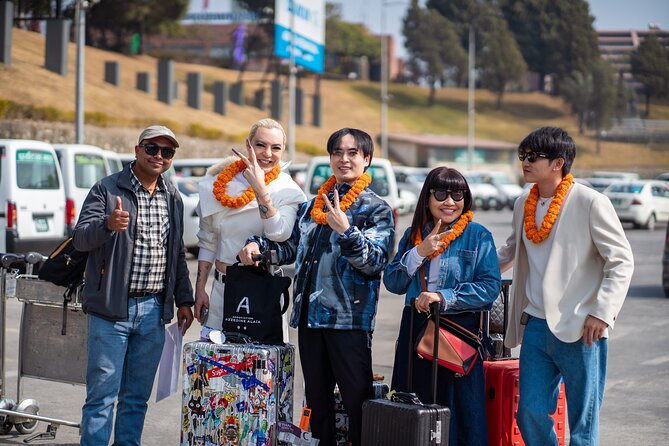
I also like that it’s private for your group, so you’re not stuck waiting on strangers to finish photos. You’ll still travel by air-conditioned vehicle, which matters when your day includes a few uphill and downhill hops.
The strongest part is balance: you get Hindu sites, Buddhist sites, and the space in between—so the city’s mixed traditions make more sense.
You can also read our reviews of more guided tours in Kathmandu
Price and What You Truly Get For $55
At $55 per person, this tour sits in the “good value if you want a guided day” category. The guide support is built into the price, and that’s not a small thing in Kathmandu where context helps you read what you’re looking at.
Just remember the costs that can quietly add up:
- Lunch is not included.
- Tips for your guide and driver are expected.
- UNESCO World Heritage site entrance fees are listed as not included, at USD 20 or NPR 2600 per person.
One tricky detail: the stop descriptions note admission tickets as included at each location, but the overall pricing section also says UNESCO entrance fees are not included. I’d treat this as a “confirm at booking” item, and I’d budget for the UNESCO fee so you don’t get surprised mid-day.
Pickup, Mobile Ticket, and the Comfort Stuff That Saves the Day
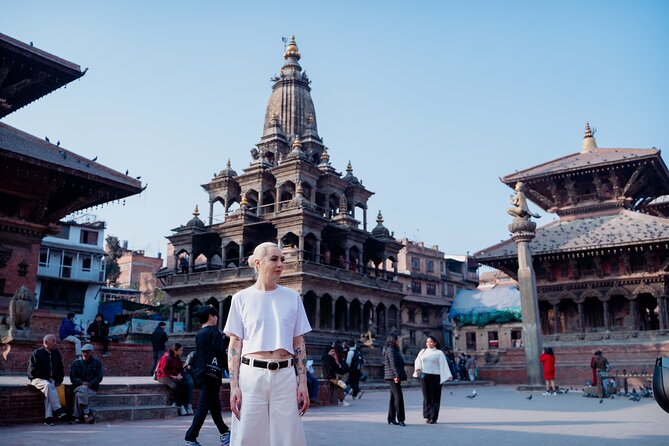
This tour is built for an efficient day. You can get pickup, you’ll ride in an air-conditioned vehicle, and you’ll have a mobile ticket. The operator also includes bottled water—1000 ml per person—so you don’t have to hunt for drinks between stops.
Your guide is listed as a government license holder, which you can feel in how smoothly the day runs. In the same theme, the driver is repeatedly described as careful, and that matters for Kathmandu traffic when your day is packed.
These “in-between” details are what keep the experience fun instead of stressful.
Stop 1: Swayambhunath (Monkey Temple) and That 360° View
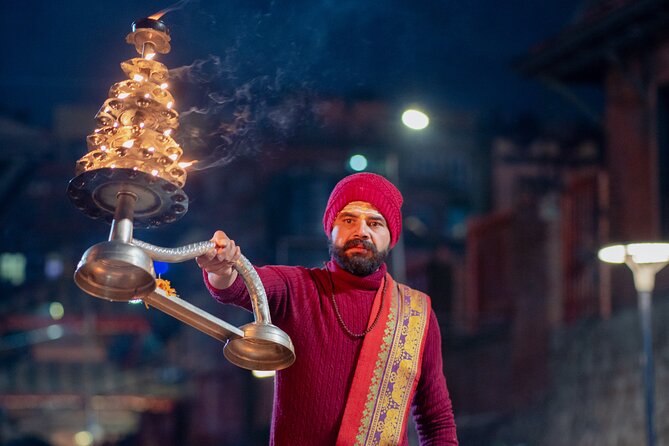
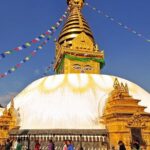
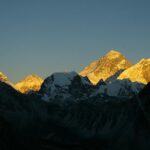
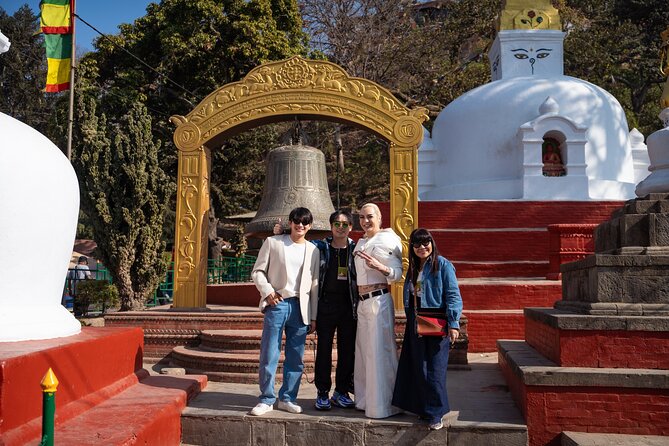
Swayambhunath sits on a hill, so you’ll feel the climb as soon as you arrive. The reward is the view: it’s famous for a 360° perspective over Kathmandu Valley, with the kind of skyline spread you can’t easily get from street level.
This is also where the temple’s personality shows up. You’ll see playful monkeys and prayer wheels, and the whole area feels like a working spiritual space rather than a museum set.
Why this stop is worth your time: it acts like orientation for the day. Once you’ve seen the Valley from up high, the later UNESCO sites feel connected instead of random dots on a map.
A practical consideration: expect company—monkeys and other visitors are part of the experience here, and you’ll want to keep your belongings secure and follow staff guidance on where to stand.
Stop 2: Patan Durbar Square and Craft-Centered Monuments
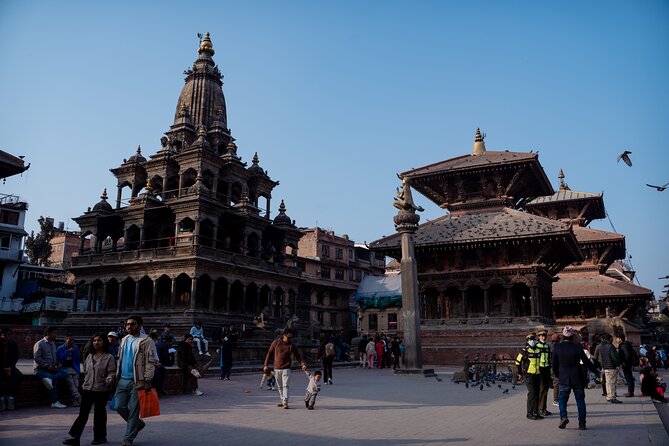
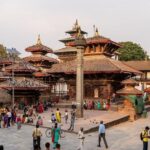
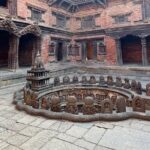
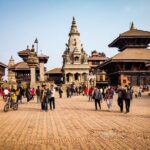
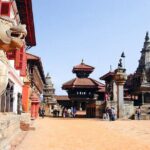
Patan Durbar Square is where Kathmandu’s craftsmanship becomes the main attraction. This is the former palace area—Durbar meaning royal court—filled with temples and monuments that reflect centuries of skilled work.
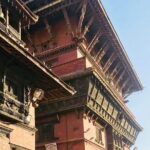
You’ll spend time around the Krishna Temple area, and it’s the kind of site where you’ll get more out of it if you pause. Metalwork and wood carving aren’t just decoration; they’re how the city displays devotion and identity.
Why this stop matters: the Hindu-Buddhist mix is still there, but Patan’s emphasis is more about heritage and the “maker’s eye.” It’s a good mid-day contrast to the more spectacle-driven vibe of hilltop temples and riverside rituals later on.
Possible drawback: this stop is visually dense. If you rush, you might miss the fine details. Build in time to look slowly, even if it feels like you’re standing still while everyone else moves.
You can also read our reviews of more historical tours in Kathmandu
Stop 3: Pashupatinath Temple and Bagmati River Cremation Ceremonies
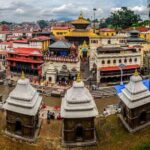
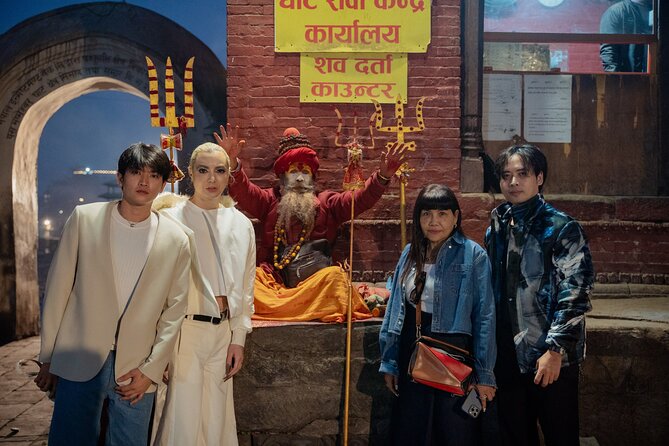
Pashupatinath is one of the most important Hindu temples for people across the world. It’s also one of the most emotionally direct stops you’ll make on the route.
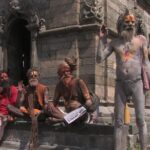
The core experience is the sacred Hindu cremation ceremonies along the Bagmati River. That means the atmosphere can feel heavy and ceremonial, not touristy. You’ll be witnessing a ritual that has deep religious meaning for the community.
Why this stop is unforgettable (and not just for photos): it shows you how faith operates in real time—how ritual, water, space, and tradition link together. A good guide helps here, because they can explain what you’re seeing and why it matters.
A practical consideration: if you know you’re sensitive to funerary rituals, keep that in mind before booking. Even with cultural context, this stop can be intense.
Stop 4: Boudhanath Stupa, Giant Dome Scale, and the Kora Walk
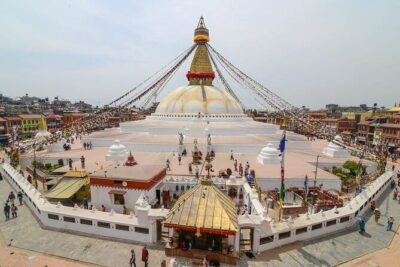
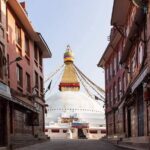
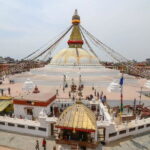
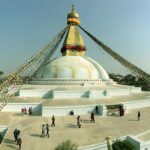
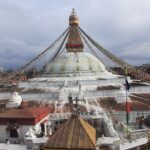
Boudhanath is built for scale and meditation. It’s described as the biggest Buddhist temple in Nepal and the second biggest Buddhist stupa in the world, and you feel that size when you approach the massive dome.
The spiritual “move” here is the Kora ritual walk. You’ll see devotees walking around the stupa in a pattern that’s meant for reflection and focus, not sightseeing.
Why this stop balances the day: after Pashupatinath’s solemn rituals, Boudhanath offers a different kind of spiritual energy—repetitive, steady, and meditative.
Practical tip: bring patience for crowds and slow movement. The Kora is meant to happen, so timing is less about getting a perfect photo and more about being present for the ritual rhythm.
The Two Cultural Add-Ons: Thanka Painting School and Healing Bowl Demo
This tour adds two stops that go beyond the big UNESCO names.
First, you’ll visit a Thanka (traditional art) painting school. Even if you’re not an art person, you’ll likely appreciate how technique and tradition show up in religious imagery. It’s also a change of pace from temple yards and stupa walls.
Second, you’ll visit a healing bowl demonstration center. This gives you a calmer, more hands-on moment—something you can use to reset after walking through dense religious spaces.
If you like cultural context that feels practical and human (how people make, practice, and explain), these add-ons are a big reason this tour is worth considering.
Time on the Ground: How to Think About a 5–7 Hour Day
A 5 to 7 hour day sounds simple, but it’s a lot of sacred ground in one stretch. The value of the format is that your guide is handling the sequencing and keeping the day moving.
Your best move is to plan your energy like you would for a mini-hike. Wear comfortable shoes and be ready for stairs or uneven temple surfaces, especially with Swayambhunath on a hill.
Also, keep your expectations realistic: this isn’t a slow, multi-day deep study of each UNESCO site. It’s a “see it, understand it, and then decide what you want to return to” kind of day.
Who This Tour Suits Best (and Who Should Rethink It)
This tour fits you if:
- you want a guided introduction to Kathmandu Valley’s UNESCO sites in one day
- you like historical and cultural explanations that help you read what you’re seeing
- you value comfort (air-conditioned vehicle, bottled water) with minimal fuss
It might be a rough fit if:
- you strongly dislike funeral-related rituals, since Pashupatinath involves cremation ceremonies
- you’re the type who needs long quiet time at one site; this route moves through four major locations
Should You Book This Kathmandu UNESCO Day Tour?
If you’re short on time in Kathmandu but you want the “greatest hits” with actual context, I’d say yes. This is the kind of day tour where the guide quality matters, and the operator’s inclusion of a government license holder guide (often spotlighting Prakash) makes the sites easier to understand.
Just go in with two smart expectations: budget for UNESCO entrance fees and meals, and prepare yourself for the emotional weight of Pashupatinath. If that works for you, you’ll come away with a clearer picture of how Hindu and Buddhist traditions shape Kathmandu Valley—one stop at a time.
FAQ
How long is the Kathmandu guided day tour?
The tour runs about 5 to 7 hours.
What UNESCO sites are included in this day tour?
You’ll visit Swayambhunath, Patan Durbar Square, Pashupatinath Temple, and Boudhanath Stupa.
Is pickup included?
Yes, pickup is offered.
What’s included in the price?
Included items are an air-conditioned vehicle, a government license holder tour guide, a Thanka painting school visit, a healing bowl demonstration center visit, and bottled water (1000 ml per person).
Are entrance fees included?
Entrance fees for UNESCO World Heritage Sites are listed as not included. The additional cost is listed as USD 20 or NPR 2600 per person, so it’s worth confirming what your booking covers.
Is lunch included?
No, lunch is not included.
Is this tour private or group-based?
It’s a private tour/activity, meaning only your group will participate.
Can most people join this tour?
Most travelers can participate.
What is the cancellation policy?
Free cancellation is available if you cancel up to 24 hours in advance for a full refund.