REVIEW · KATHMANDU
Kathmandu Top 4 or 2 UNESCO World Heritage Sites Day Tour
Book on Viator →Operated by Attractive Travels and Tours Pvt. Ltd. · Bookable on Viator
If you like your sightseeing with a plan, this one’s for you. You’ll hit major Kathmandu Valley UNESCO sites by car, then add hands-on culture with a thangka painting school and a singing bowl demonstration.
I especially love the hotel pickup and drop-off setup. It saves you from the usual Kathmandu problem of hunting down transport, figuring out routes, and losing precious daylight.
Two other things I like: you’ll see Pashupatinath, Boudhanath, Swayambhunath, and Patan Durbar Square in the same day, and you get a real guide—often named Prakash Aryal in reports—who can explain what you’re looking at instead of handing you a map and hoping for the best. The main drawback to weigh is time: even with a tight schedule, it’s still a day of moving around, and some stops involve stairs (not ideal if mobility is a concern).
In This Review
- Key things that make this day tour worth it
- Price and what you’re really paying for
- How the day works: timing that avoids travel-day stress
- Stop 1: Pashupatinath Temple on the Bagmati River
- Stop 2: Boudhanath Stupa and its Tibetan influence
- Stop 3: Swayambhunath Monkey Temple and the stair climb
- Stop 4: Patan Durbar Square and Newar architecture
- The craft stops: thangka painting school and singing bowls
- Thangka painting school
- Singing bowl demonstration center
- Private tour style and why the guide matters
- Logistics that affect your comfort (the stuff people forget)
- Who this tour suits best
- Should you book this Kathmandu UNESCO day tour?
- FAQ
- FAQ
- Which UNESCO World Heritage Sites are included?
- How long does the tour take?
- Is hotel pickup and drop-off included?
- What’s included besides transportation and a guide?
- Are entrance fees included for the UNESCO sites?
- Is food included?
- Can the tour be customized?
- Is this a group tour or private?
Key things that make this day tour worth it
- Door-to-door pickup means you lose less time to logistics.
- Four UNESCO stops cover Hindu, Buddhist, and Newar heritage in one loop.
- Craft-focused extras include a thangka painting school visit and a singing bowl demonstration center.
- You can ask questions at a calm pace, not just pose-for-a-photo pace.
- Admission fees are separate, so budget for UNESCO site entry.
Price and what you’re really paying for
At $40 per person, this tour is built around one main value: less hassle, fewer gaps in your understanding, and faster movement between sites. You’re paying for transportation, a professional guide, and scheduled stops so you’re not spending your day negotiating streets and timing.
One catch: the tour price does not include the UNESCO World Heritage site entrance fees. The listed estimate is $20 per person for four sites, or $10 per person if visiting only two sites. That means the all-in cost depends on how many UNESCO sites your day includes and how entry is handled.
You also get a bottle of water per person, and you’ll receive a mobile ticket. Those small logistics details matter more than they sound, especially when your plan includes multiple religious and heritage areas where timing and entry lines can add up.
If you’re traveling as a private group, this can feel even better value. You’re not paying to share a large group experience with strangers—you get the guide and driver attention as your day unfolds.
You can also read our reviews of more historical tours in Kathmandu
How the day works: timing that avoids travel-day stress
The tour runs about 5 to 7 hours. That’s long enough to feel like you did something meaningful, but short enough that you’re not wrecked when it’s time for dinner.
You’ll generally be picked up from your hotel and dropped back afterward. For many first-time visitors, that’s the difference between a smooth day and a day full of “Wait, where are we?” moments.
The route is structured so you visit the big-hitters in a logical order. Here’s what that looks like, and what to watch for at each stop.
Stop 1: Pashupatinath Temple on the Bagmati River
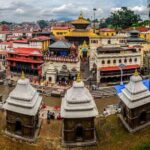
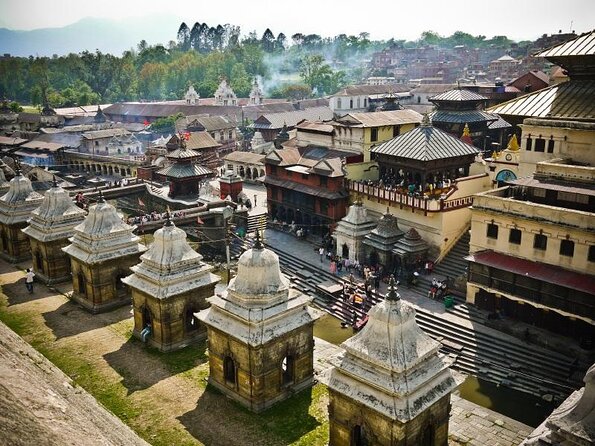
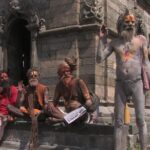
Pashupatinath Temple is a Hindu shrine devoted to Lord Shiva, located on the bank of the Bagmati River in the eastern part of Kathmandu Valley. It’s one of Nepal’s most important sacred sites, and it’s also known for the riverbank cremation ceremonies that take place there.
In a short visit, the goal is not to see everything. The goal is to understand what the temple complex represents and why people treat this place as spiritually central. With a guide, you’re more likely to notice the symbolism you’d otherwise miss—how the space is laid out, how visitors move through it, and what the site means in lived religious practice.
You’ll spend about 2 hours here, which is a good window. Long enough for your guide to explain context, and for you to step back and observe without constantly feeling rushed.
Possible consideration: this is an active religious place. You’ll want to move with respect, keep your viewing mindful, and accept that your experience may include moments you find emotionally intense, especially around cremation activities.
Stop 2: Boudhanath Stupa and its Tibetan influence
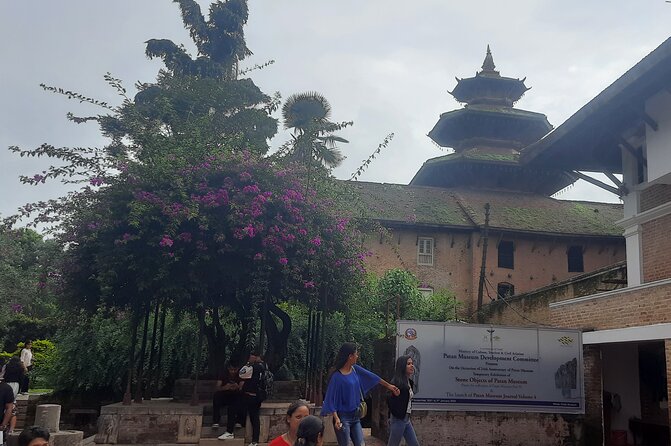
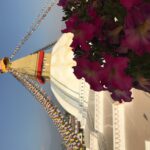
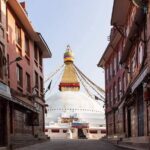
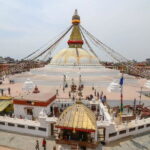
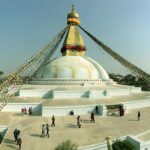
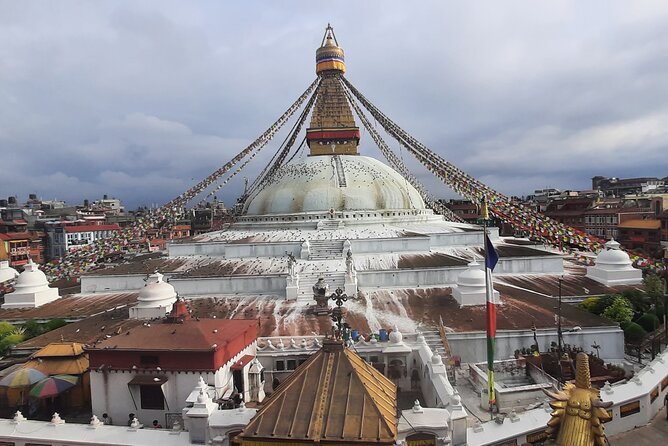
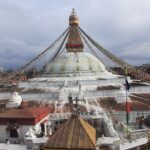
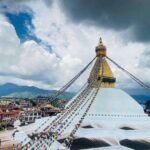
Next comes Boudhanath Stupa, a major Buddhist monument surrounded by monasteries with a strong Tibetan cultural influence. This stop is about atmosphere as much as architecture.
Boudhanath is the kind of place where you can feel how a pilgrimage site works. People gather, move around the stupa, and keep returning to the same sacred geography. The stupa itself is the anchor, and the surrounding monasteries create a layered feeling—like you’re seeing both the center and the community around it.
You’ll have about 1 hour here. That’s tight, but enough to get a clear first impression and to see what makes the stupa area so distinctive.
What I’d watch for during your hour: don’t rush your eyes. Take a minute to look around the perimeter and then back at the stupa again. That quick reset often helps your brain stop treating it like a single monument photo and start seeing it as a working spiritual space.
Stop 3: Swayambhunath Monkey Temple and the stair climb
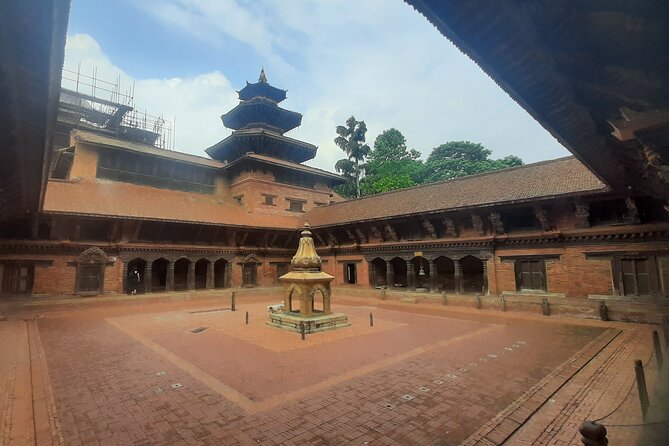
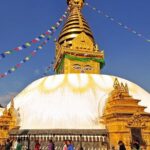
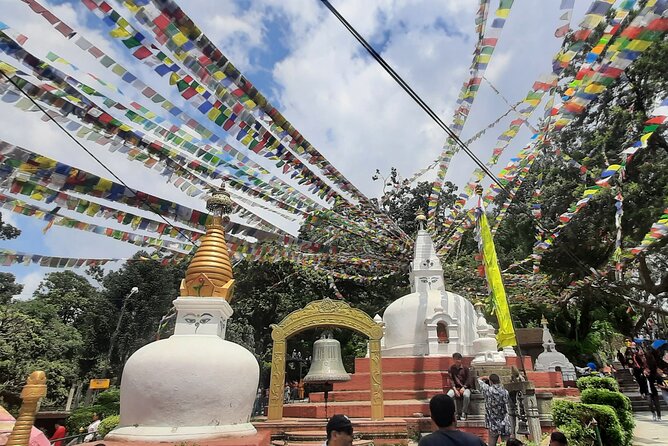
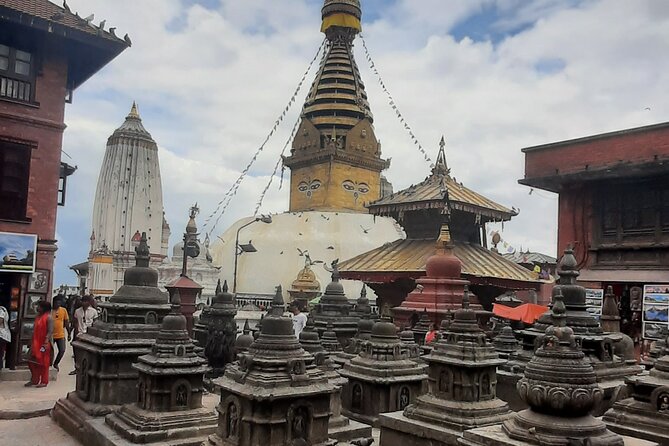
Swayambhunath, also called the Monkey Temple, sits atop a hill. The main approach involves climbing stairs, so plan on it as part of the experience, not just a route issue.
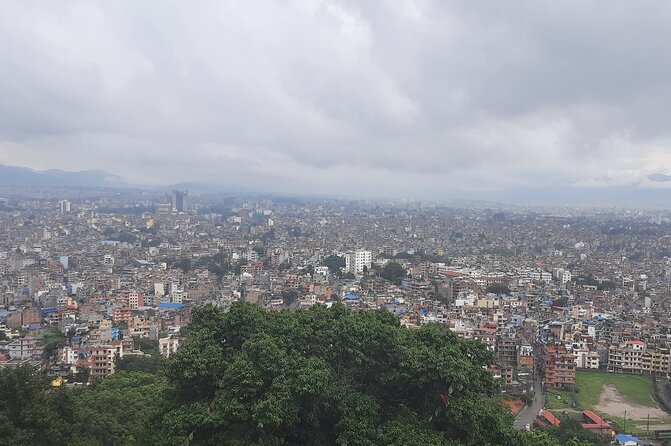
This is where your day gets more energetic. From street level, the climb can feel like a lot. But once you’re near the top, Swayambhunath rewards you with big views and a very recognizable stupa setting.
You’ll spend about 2 hours here, which helps because the hilltop area rewards lingering. You can watch how people approach, pause near viewpoints, and let your guide connect the visible details to the meaning behind them.
Possible consideration: if stairs are a problem for you, Swayambhunath may be uncomfortable. The tour is timed for a typical visitor day, so it may not match everyone’s pace.
Stop 4: Patan Durbar Square and Newar architecture
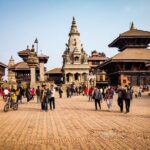
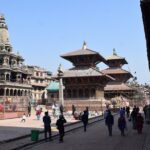
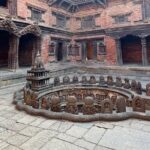
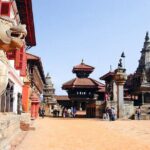
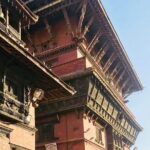
Finally, you’ll head to Patan Durbar Square, one of the core stages of Newar architecture. This site reflects a peak period during the reign of Malla kings, when the city’s architecture and patronage of the arts were at high point.
Durbar Square is often best understood in pieces: palace areas, courtyards, and the way the layout gives the buildings a shared story. With a guide, you can connect what you’re seeing to the broader Newar aesthetic and why this square feels different from the temple-and-stupa sites you saw earlier.
You’ll have about 1 hour here. That’s enough to appreciate the big visual elements, browse the surrounding heritage areas briefly, and still keep the day from running late.
If you like contrast, this is a great ending. Your day goes from major Hindu worship and cremation context, to Buddhist pilgrimage space, to hilltop religious views, and then to palace-era Newar architecture.
The craft stops: thangka painting school and singing bowls
One reason this tour feels more complete than a basic UNESCO checklist is the craft component. You visit a thangka painting school, plus a healing and singing bowl demonstration center.
Thangka painting school
Thangka painting is devotional art, not just a decorative hobby. Even without being an artist, you can usually understand the discipline and focus required: careful preparation, patience, and an artwork-making process linked to spiritual meaning.
This stop is valuable because it shifts you from passive looking to active cultural understanding. You’re not only seeing where people worship—you’re seeing how religious art is made and taught.
Singing bowl demonstration center
The singing bowl portion adds another layer: sound as tradition. The demonstration is framed as healing, and the main value for you is that it turns abstract interest into something you can experience in the moment.
Practical tip: if you’re sensitive to sound, arrive with that in mind. Otherwise, use this stop to notice how people listen and how the setting supports the experience.
Both craft elements also give your day balance. After temple and stupa intensity, you get a calmer, more instructional setting.
Private tour style and why the guide matters
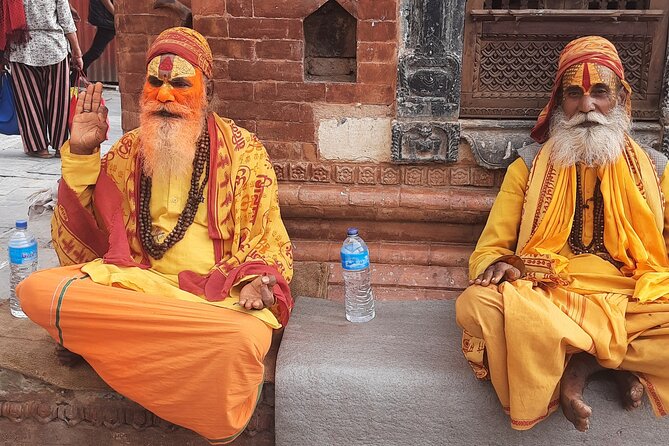
This is a private tour/activity, so it’s just your group. That matters because it makes the schedule feel less like a factory line and more like a conversation.
In multiple accounts, Prakash (often listed as Prakash Aryal) is mentioned as the guiding force. People highlight that he’s accommodating and able to tailor the day to interests, including giving enough time to ask questions rather than rushing through facts.
That tailoring is a real advantage. Kathmandu can be overwhelming fast. A good guide helps you decide what to look at first, how to interpret what you’re seeing, and where to slow down for meaning.
Also note: a driver meets you at your hotel door. If you’ve ever tried to “just figure it out” in Kathmandu, you’ll appreciate how much energy this saves.
Logistics that affect your comfort (the stuff people forget)
A few details can make or break your day:
- Limited time between stops: You’ll cover a lot. If you like long sits and slow wandering, you’ll need to be selective about where you pause hardest.
- Entrance fees are separate: Budget for UNESCO site entry on top of the tour price.
- Crowds and sacred spaces: Religious sites are working spaces. Be ready for lines, respectful behavior expectations, and changes in flow.
- Stair climbing at Swayambhunath: Comfortable shoes help. If you have mobility limitations, ask in advance whether your route can be adjusted.
On the flip side, you get bottled water, which is a simple but important win on a moving day. You also get group discounts and a mobile ticket, which can reduce friction at entry points.
Who this tour suits best
This is a smart fit if you:
- Want big UNESCO hits without dealing with transport and timing on your own
- Like having context explained—especially for religious and architectural sites
- Want one day that mixes heritage sightseeing with hands-on culture (thangka and singing bowls)
- Prefer a private experience where you can ask questions and move at your pace
It’s also a solid choice if you’re visiting for a short window and want your day to feel efficient rather than chaotic.
If you hate stairs, need lots of rest breaks, or want to spend half a day in one place, you may find the pace a bit tight. In that case, consider asking for a reduced number of UNESCO stops (since the entrance pricing mentions two-site options).
Should you book this Kathmandu UNESCO day tour?
I think this is a book-worthy choice if your priority is a smooth, structured day. The hotel pickup plus a guide who can explain what you’re seeing is the heart of the value. Add the thangka painting school and singing bowl demonstration, and you get more than a standard “look and move on” sightseeing day.
Book it if you:
- Want 4 UNESCO sites in one outing
- Appreciate craft and cultural context, not just photos
- Are okay with a time-pressed but guided schedule
I’d hesitate if you:
- Can’t do stairs (Swayambhunath)
- Strongly prefer deep, slow exploration at a single site
- Don’t want to pay additional UNESCO entrance fees on top of the $40
If you’re flexible and ready for a day that balances sacred architecture with learning, you’ll likely come away feeling like Kathmandu Valley made sense—not just like you collected four stamps.
FAQ
FAQ
Which UNESCO World Heritage Sites are included?
The day tour includes Pashupatinath Temple, Boudhanath Stupa, Swayambhunath, and Patan Durbar Square.
How long does the tour take?
Plan on about 5 to 7 hours total.
Is hotel pickup and drop-off included?
Yes. Hotel pickup and drop-off are part of the experience.
What’s included besides transportation and a guide?
You get visits to a thangka painting school and a healing and singing bowl demonstration center, plus bottled water (one bottle per person).
Are entrance fees included for the UNESCO sites?
No. UNESCO World Heritage entrance fees are not included. The listed estimate is $20 per person for four sites or $10 per person if visiting only two sites.
Is food included?
No. Food is not included.
Can the tour be customized?
Yes. The tour is private, and you can customize your itinerary and ask questions during the day.
Is this a group tour or private?
It’s private. Only your group participates.