REVIEW · KATHMANDU
Nagarkot Sunrise & Bhaktapur Durbar Square UNESCO Heritage Tour
Book on Viator →Operated by Best Treks and Adventure · Bookable on Viator
Nagarkot at dawn hits different. You’ll ride out early to chase Himalayan sunrise views, then spend the rest of the morning walking through Bhaktapur Durbar Square, a UNESCO site packed with temples, palaces, and stonework. I particularly like how the schedule mixes big scenery with hands-on culture, and I also like the fact that the day is guided by an English-speaking, government-licensed tour leader. The main drawback to plan for is simple: the sunrise depends on weather, and Nagarkot can be chilly, especially in winter.
What makes this day feel good is the pacing: sunrise first, then a structured heritage route through Bhaktapur’s key stops. You’ll also get a visit to a Thanka painting school, plus a clay-crafts moment at Pottery Square, so it’s not only sightseeing from the outside. And yes, the tour is private, so it’s just your group in the van.
One practical note: breakfast is not included, so you’ll want to bring or buy something small before you head out—especially if you’re joining the pickup early. Otherwise you’ll be running on cold air, coffee hopes, and good timing.
In This Review
- Key Things to Know Before You Go
- Nagarkot Sunrise: Why the Pre-Dawn Drive Is Worth It
- Nagarkot View Tower: How to Make the Most of the Light
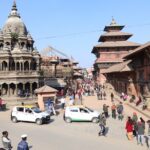
- Bhaktapur Durbar Square UNESCO: Temples, Palaces, and the 55-Window Palace
- Nyatapola Temple and Crafts Stops: Where Bhaktapur Gets Real
- Thanka Painting School: Buddhist Mandalas With a Human Pace
- Timing and Pacing: What a 6–7 Hour Day Feels Like
- Price Breakdown: What Your $55 Covers (and What You Should Budget)
- Who This Tour Suits Best (and Who Might Want Something Else)
- Final Verdict: Should You Book This Nagarkot + Bhaktapur Day?
- FAQ
- How long is the Nagarkot Sunrise & Bhaktapur Durbar Square tour?
- Is pickup available for this tour?
- What is included in the $55 per person price?
- Is breakfast included?
- Are entrance fees included for Bhaktapur UNESCO Durbar Square?
- Can I cancel for a full refund?
Key Things to Know Before You Go
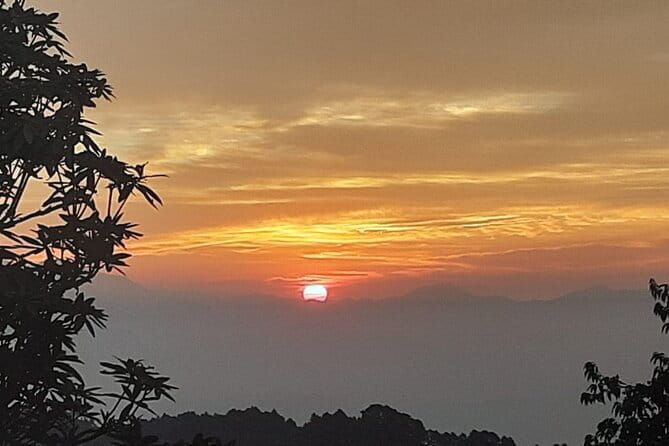
- Pre-dawn Nagarkot sunrise gives you the best odds of clear views of Everest and nearby peaks, but clouds can steal the show.
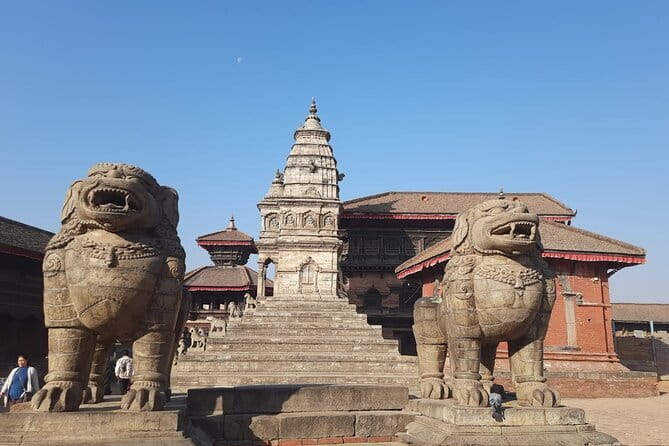
- Bhaktapur Durbar Square UNESCO keeps the focus on temples, royal palaces, and intricate carving work.
- 55-Window Palace is a must-see Malla Dynasty highlight in Bhaktapur.
- Nyatapola Temple is a five-tier pagoda tied to Goddess Siddhi Laxmi (wealth).
- Thanka painting school visit shows Buddhist mandalas and symbolic artwork being made.
- Your biggest “extra” cost is the Bhaktapur UNESCO entrance fee, listed as not included.
Nagarkot Sunrise: Why the Pre-Dawn Drive Is Worth It
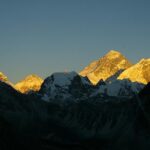
Nagarkot is famous for a reason: it sits high enough that, on a clear morning, the Himalayas can look almost close. The tour begins before dawn so you’re in position while the sky is still transitioning from night to day. That timing matters. If you go later, you may still see mountains, but the magic moment—when light starts catching peaks—often fades.
You’re not only hoping for any view either. The tour route specifically aims for panoramic Himalayan sightlines, with a chance to spot Mount Everest when conditions are right, plus other ranges like Langtang, Ganesh Himal, and Manaslu. Even when Everest stays hidden behind haze, the early light over the ridgelines can still be a real payoff.
The value of this “sunrise first” approach is that it gives you something emotionally rare in Kathmandu Valley: a morning that feels like it belongs to the mountains, not the city. It’s also a good way to start fresh after travel, because it turns your first hours into a focused mission—rather than a slow wander with lots of waiting.
You can also read our reviews of more historical tours in Kathmandu
Nagarkot View Tower: How to Make the Most of the Light
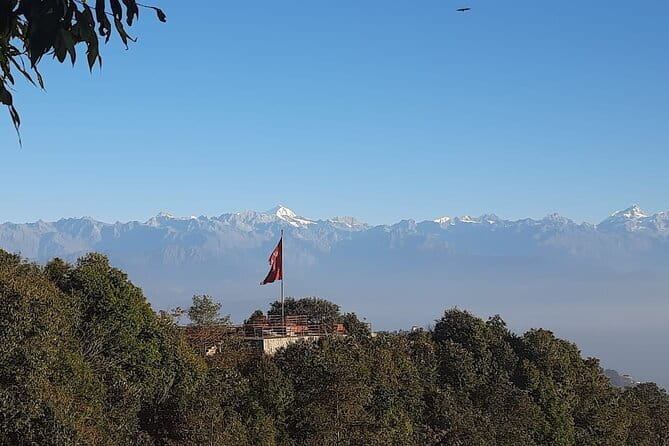
Your first stop is the Nagarkot View Tower, where you’ll gather for the sunrise moment. Since the whole point is visibility, the best advice is boring in the best way: dress for cold and keep your layers accessible.
Early mornings at hill stations can feel sharp in your hands and face, even if daytime in Kathmandu is warm. The tour info specifically flags the need to dress in layers because temperatures at Nagarkot can be chilly, especially in winter. I’d treat this as non-negotiable gear advice. Warm hat, gloves if you run cold, and a jacket you can zip when the wind rises.
If you’re thinking about photos, remember the real enemy isn’t just darkness—it’s condensation and shifting cloud. You can’t control the sky, but you can control your patience. Give the tower time as the light changes. Peaks often appear and disappear depending on cloud thickness and how the air clears.
Also, since the tour includes pickup and private transportation, you’re not piecing together rides while tired. That’s part of the value here: the day is built to get you to a decent viewing point early, without you managing logistics at 4 or 5 in the morning.
Bhaktapur Durbar Square UNESCO: Temples, Palaces, and the 55-Window Palace
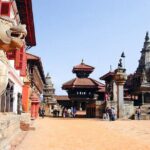
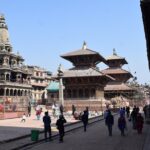
After the mountains, the day swings into Kathmandu Valley heritage—and Bhaktapur is one of the best places to do that. You’ll visit Bhaktapur Durbar Square, a UNESCO World Heritage Site known for its old-town character and artistic craftsmanship. This part of the day is guided, and that matters. Bhaktapur’s details—how temples relate to each other, what the carvings symbolize, how power and religion overlapped—make more sense when someone explains what you’re looking at.
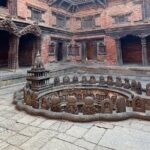
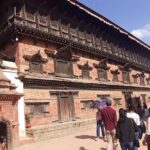
Don’t rush the center. Bhaktapur rewards slow looking: stone thresholds, carved doorways, and the way buildings are layered around courtyards. The tour highlights historic temples and royal palaces, and it also calls out the 55-Window Palace, a standout symbol of the Malla Dynasty’s architectural brilliance.
The 55 windows are worth noting because they’re more than a trivia fact. They represent a design tradition where architecture served as status display. When you see the palace form, you’ll understand why Bhaktapur feels so carefully composed. It’s not just old stuff—it’s old stuff with rules, patterns, and meaning.
If you’re the type who likes explanations more than just walking, this is where the guide earns their keep. A good licensed guide can connect the dots between what you see today and the stories behind the temples and arts.
Nyatapola Temple and Crafts Stops: Where Bhaktapur Gets Real
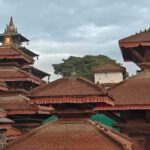
Next you’ll head to Nyatapola Temple, one of Bhaktapur’s big attractions. The tour describes it as a five-tier pagoda dedicated to Goddess Siddhi Laxmi, the goddess of wealth. This temple is a perfect example of why Bhaktapur feels different from Kathmandu’s larger, more mixed city energy. The scale is focused, and the design steps upward in a way that makes the structure easy to read even if you’re not an architecture nerd.
After the temple, you’ll shift to a more everyday, working-city feel at Pottery Square. This is where you stop being an observer and start seeing craft in motion. The tour info notes traditional clay craftsmanship and even the chance to try pottery making. Even if you just watch for a few minutes, it’s a useful contrast to the grand temples: same city, different tempo.
One caution: this portion is brief—about 15 minutes at Pottery Square. That’s enough to see what’s happening, but not enough to become a master potter. If you want more time to experiment, you’d need an extended craft-focused plan. For this tour, it’s a taste, not a workshop day.
Thanka Painting School: Buddhist Mandalas With a Human Pace
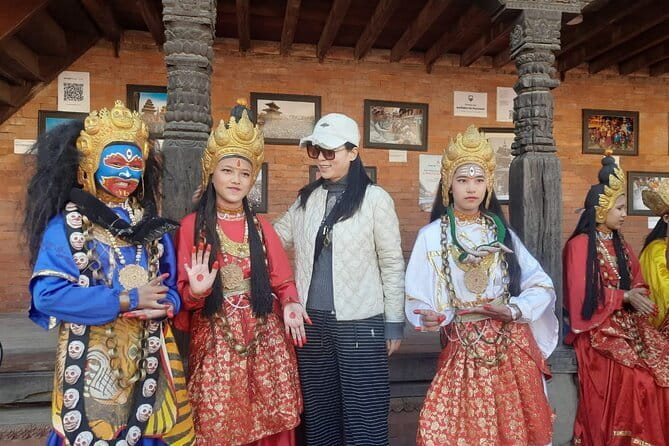
The day ends with a visit to a Thanka painting school. Thanka are Buddhist symbolic paintings, and this stop is all about process—seeing how intricate mandalas are created rather than only looking at finished work behind glass.
The tour specifically notes the creation of intricate Buddhist mandalas and symbolic paintings. That’s the key difference between a quick stop in a shop and a school visit. At a school, you can usually ask basic questions about materials and meaning, and you tend to get a calmer, more grounded feel than a standard retail stop.
This is also a great place for travelers who like art but don’t want a “museum-only” day. Bhaktapur gives you the architectural symbols. The Thanka school gives you visual symbolism with human hands in motion.
One more thing: this stop is included as part of the tour package, which is good value because it saves you from having to decide what to pay for separately once you’re already in Bhaktapur.
A few more Kathmandu tours and experiences worth a look
Timing and Pacing: What a 6–7 Hour Day Feels Like
This tour runs about 6 to 7 hours, which is a sweet spot for a heritage day. Long enough to do sunrise properly and hit multiple Bhaktapur sites. Short enough that you’re not spending your whole day in transit.
The pacing works like this: you start with the sunrise window, then you move through Bhaktapur in a logical order. The heritage sites are grouped so you’re not crossing the city again and again. You’re also not dealing with long museum-style waiting. Each stop is designed to be readable on-site—big view, then temples, then crafts, then art.
If you’re sensitive to early starts, plan for tiredness after. The hardest part is usually the wake-up time, not the walking. Once you’re in Bhaktapur, the day settles into a comfortable rhythm.
And since it’s private—your group only—you’re not stuck matching someone else’s pace. That can matter for families, couples, or anyone who hates the “speed-run tourist” feeling.
Price Breakdown: What Your $55 Covers (and What You Should Budget)
At $55 per person, this is positioned as a value-packed day rather than a luxury bespoke outing. You get private transportation, a government license holder English-speaking tour guide, bottled water (one bottle per person), and the Thanka art school visit.
You also get included admissions depending on the stop:
- Nagarkot View Tower is listed with free admission.
- Nyatapola Temple is listed as admission included.
- Pottery Square is listed as free.
- Lama Thanka Painting School is listed as part of the visit.
The one extra cost you should budget for is the Bhaktapur UNESCO entrance fee. The tour info lists the Bhaktapur Durbar Square UNESCO entrance fee as not included, at 15 USD (or 2000 NPR) per person.
So, your realistic “all-in” cost is usually around $70 per person if you’re paying that UNESCO entrance fee. Considering you’re getting sunrise time, a licensed guide, private transport, and multiple included cultural stops, that cost can make sense for people who don’t want to piece together transport and tickets alone.
If you’re traveling solo, verify whether there are group discounts and how they apply to your booking, but the package is clearly designed to keep the structure simple.
Who This Tour Suits Best (and Who Might Want Something Else)
I think this tour is a strong fit if you want a single day that blends two different kinds of Nepal:
- early-morning mountain drama at Nagarkot
- daytime heritage and art in Bhaktapur
It also suits travelers who appreciate clear guidance. The tour is run with an English-speaking, government-licensed guide, and feedback tied to the experience highlights guides like Prakash Aryal and Ramesh as being friendly and able to explain history, culture, and religion in a way that lands.
It’s also a good option for travelers who like the idea of trying local food, since the overview points to Juju Dhau, often called king yogurt. The tour info doesn’t list it as a formal included meal, but Bhaktapur is the kind of place where that kind of local treat is easy to work into a free moment.
Who might want to skip or adjust? If you hate early mornings, the sunrise start is your biggest conflict. Also, if you only want one theme—either temples only or scenery only—this tour’s mix could feel like a sampler.
Final Verdict: Should You Book This Nagarkot + Bhaktapur Day?
If you’re visiting Kathmandu and you want one high-impact day that includes a real sunrise mission plus UNESCO heritage, this is a smart booking. The package covers the hard parts for you: early transport, a licensed English-speaking guide, and multiple structured stops in Bhaktapur that go beyond a quick photo run.
Book it if:
- you want a chance at clear Himalayan sunrise views
- you care about understanding what you see at Bhaktapur’s temples and palaces
- you want crafts and art stops like Pottery Square and the Thanka painting school
Consider a different plan if:
- you’re very sensitive to cold and early starts
- you’re only interested in indoor museum-style experiences (this day is very much outdoors and on-site)
Bottom line: for $55, you’re buying convenience and direction, not just ticketed attractions. If the sky cooperates, the morning is unforgettable—and even if it doesn’t, Bhaktapur still delivers a strong cultural hit.
FAQ
How long is the Nagarkot Sunrise & Bhaktapur Durbar Square tour?
It runs about 6 to 7 hours.
Is pickup available for this tour?
Yes, pickup is offered.
What is included in the $55 per person price?
The package includes private transportation, bottled water (one bottle per person), a government license holder English-speaking tour guide, and the Thanka art school visit. Admission is listed as free for the Nagarkot View Tower and Pottery Square, and included for Nyatapola Temple.
Is breakfast included?
No. Breakfast is not included (and tea/coffee are also not included).
Are entrance fees included for Bhaktapur UNESCO Durbar Square?
The Bhaktapur UNESCO World Heritage Site entrance fee is listed as not included, at 15 USD or 2000 NPR per person.
Can I cancel for a full refund?
Yes. Free cancellation is available up to 24 hours in advance for a full refund.