REVIEW · KATHMANDU
Private Kathmandu Day Tour – UNESCO World Heritage Sites
Book on Viator →Operated by Rising Adventure Pvt. Ltd. · Bookable on Viator
Kathmandu packs four UNESCO-style sights in a day. I love the way this tour links Buddhist and Hindu landmarks into one smooth circuit, and I also like the practical hotel pickup that keeps your time focused on the sites. The main catch: monument entrance fees and food aren’t included, so you’ll want a bit of cash and a plan for meals.
This is a true private setup for your group, with an air-conditioned vehicle and a licensed guide who can explain what you’re looking at as you go. You’ll also get a mobile ticket, plus the option of group discounts if you’re traveling with a few friends.
Expect walking around temple courtyards and stairs on hilltop areas, plus crowds in peak visiting hours. If you’re okay with that, you’ll end up with a strong Kathmandu Valley “greatest hits” day, without the stress of figuring out routes and timing.
In This Review
- Key highlights at a glance
- A 6-Hour Kathmandu Valley Loop: What You’ll See and Why It Works
- Price and Logistics: Budgeting the $45 Day with Entrance Fees
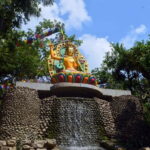
- Swayambhunath Monkey Temple: Prayer Wheels, Stupas, and a Hilltop View
- Pashupatinath Temple Complex: Shiva Pagoda Doors and Shivalaya Shrines
- Boudhanath Stupa: UNESCO Status and the Post-2015 Renovation Story
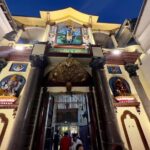
- Kathmandu Durbar Square: Hanuman Front Steps and Royal-Era Craft
- How the Private Driver and Guide Make the Day Easier
- What to Pack and How to Behave at Sacred Sites
- Who This UNESCO Day Tour Fits Best
- Should You Book This Private Kathmandu Day Tour?
- FAQ
- What’s included in the tour price?
- Is the monument entrance fee included?
- How long is the Kathmandu day tour?
- Do I get hotel pickup and drop-off?
- Is this a private tour?
- Does the tour use a mobile ticket?
- Are food and drinks included?
- Are there group discounts?
- Can I cancel for a full refund?
- Who can join this tour?
Key highlights at a glance
- Private, group-only day with hotel pickup and drop-off
- Four major Kathmandu Valley UNESCO World Heritage sites in one 6-hour route
- Air-conditioned vehicle to reduce time lost to traffic and waiting
- Buddhist and Hindu contrast: Swayambhunath, Pashupatinath, Boudhanath, and Durbar Square
- Mobile ticket for easier access on the day
- Licensed guide support, including navigation and on-the-ground explanations
A 6-Hour Kathmandu Valley Loop: What You’ll See and Why It Works
This day tour is built for people who want big, recognizable monuments without over-planning. You’ll drive through Kathmandu Valley with a guide who can tie together the religious themes—Buddhist pilgrimage and Tibetan culture on one side, Shiva worship and royal-era heritage on the other.
The timing is the real trick. You get enough time at each stop to look closely, take photos, and still move on before fatigue sets in. It’s also the kind of itinerary that helps you understand the layout of the valley—where hills, rivers, and the city core shape what people built and worshiped.
And because it’s private, you can set a steady pace. If your group wants more time to watch monks, photographers, or artisans, you’ll usually be able to adjust slightly within the day.
You can also read our reviews of more private tours in Kathmandu

Price and Logistics: Budgeting the $45 Day with Entrance Fees
The price is $45 per person for the tour itself, and what you’re paying for is more than just a ride. You’re getting air-conditioned transportation, hotel pickup and drop-off, and a licensed guide who can help you interpret what you see at each site.
What’s not included is important for budgeting: monument entrance fees are listed at NPR 2600 (about USD 21) per person, and food and drink aren’t included. So the true “all-in” cost is closer to the tour price plus that entrance fee.
Plan meals separately. Even if you’re not spending much time in restaurants, you’ll want water and something simple between sites, because temple days can easily stretch your energy.
Swayambhunath Monkey Temple: Prayer Wheels, Stupas, and a Hilltop View
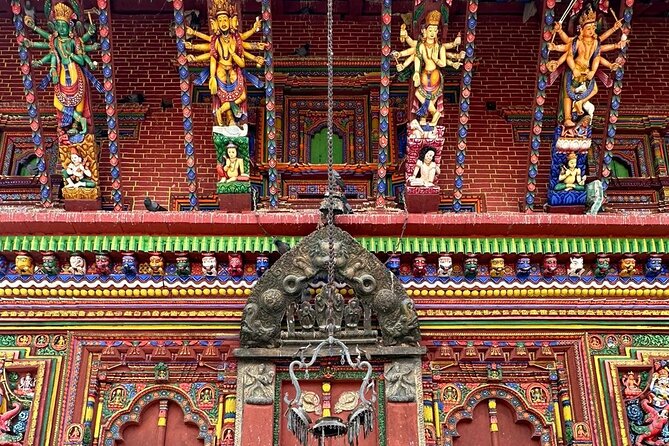
Swayambhunath is the hilltop start that sets the mood fast. You’ll head to the northwest side of Kathmandu Valley and visit a site known for its Swayambhunath Monkey Temple and the dense cluster of stupas.
What I like most here is the visual storytelling across the complex. The base of the Swayambhunath stupa area is surrounded by prayer wheels, and there’s a long line of religious structures up the hill. As you move upward, you’ll notice statues, Buddhist shrines, chaityas, and even some Hindu deities arranged from lower levels toward the top.
Look for the Shakyamuni Buddha image too. The site description notes the largest image of Shakyamuni Buddha is on the western pedestal side. If you’re thinking about what to photograph, this is one of those places where the angle matters—so give yourself a little time to reposition.
There’s also a small pond included within the site setting. Even if you only catch it briefly, it helps the whole area feel like a working religious space rather than only a monument.
Practical note: this is on a hill. Expect uneven ground and stairs, so wear grippy footwear and keep water handy.
Pashupatinath Temple Complex: Shiva Pagoda Doors and Shivalaya Shrines
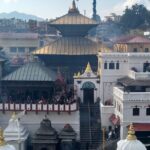
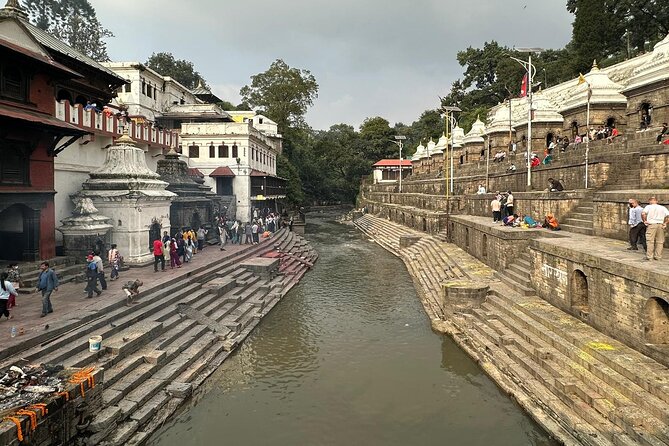
Next comes Pashupatinath, and it’s an intense contrast to Swayambhunath. This is Nepal’s greatest Hindu temple devoted to Lord Shiva—and Shiva is presented here as a powerful deity connected to destruction and transformation.
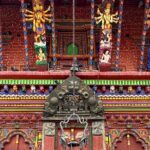
Architecturally, it’s worth paying attention before you even step into the busiest zones. The complex is built in pagoda style, with four silver doors and a golden roof, and the wood carving is described as superb. Even if you’re not a sculpture buff, the materials and details give you something real to focus on.
Pashupatinath is also surrounded by many smaller Shiva shrines. The description highlights almost 15 shrines of Lord Shiva called Shivalaya, plus 452 temples, 12 phallic shrines meaning jyotirlinga, and additional Buddhist deities in the wider area. That detail matters because it changes how you experience the site: it’s not just one temple building, it’s a religious network.
A small but meaningful side stop is the Guheswori Temple, mentioned in the same area. It’s described as the temple of Lord Shiva’s consort. If you’re curious how Hindu worship is expressed through multiple temples in one compound, this is a good place to notice the variety.
This temple area can be emotionally heavy in places and very active in others, because Hindu religious life is happening around you. I recommend approaching with a calm pace—watch what people do, follow your guide’s cues, and keep your behavior respectful.
Boudhanath Stupa: UNESCO Status and the Post-2015 Renovation Story
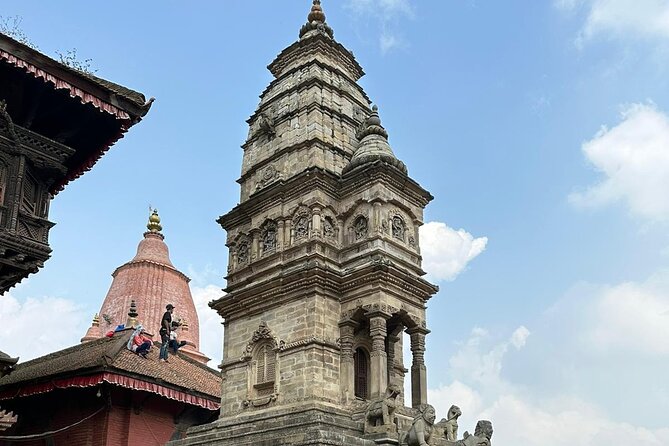
Boudhanath Stupa is the Tibetan culture center many people come to Kathmandu for. The stupa is described as spherical in shape and one of the largest Tibetan stupas in Nepal, with UNESCO World Heritage recognition as part of the Kathmandu Valley heritage framework.
One practical point: the site was devastated by the 2015 April earthquake, and the description notes that renovation is completed now. That detail is useful because it gives you context when you look at the structure today—you’re not just seeing an ancient monument, you’re seeing a repaired and renewed one.
You’ll also get a sense of geography here. The stupa sits in the northeastern outskirts of the valley, surrounded by Tibetan settlements. That matters because it explains why the area feels distinct from the more central Kathmandu city core.
Boudhanath is known as a hub for Thanka production as well, and the site is described as a key cultural center with lots of Buddhist visitors. So don’t treat it as only a photo stop. If you slow down, you’ll often notice the crafts, the daily rhythm, and the religious focus that make the stupa more than a landmark.
If your group likes observing daily life around major monuments, Boudhanath is where that really shows.
You can also read our reviews of more historical tours in Kathmandu
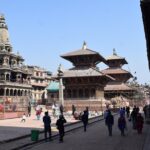
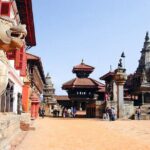
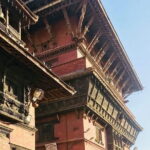
Kathmandu Durbar Square: Hanuman Front Steps and Royal-Era Craft
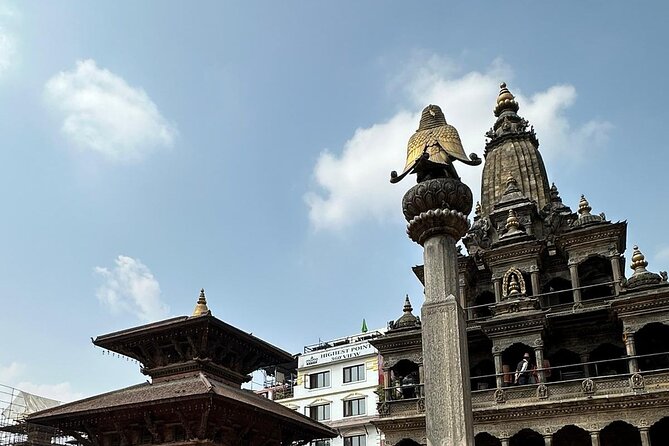
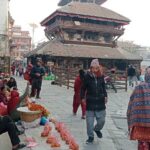
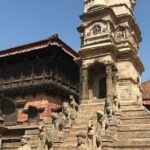
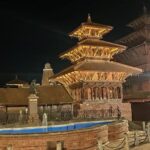
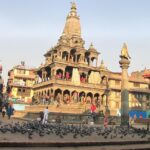
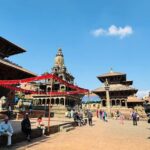
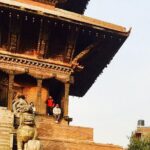
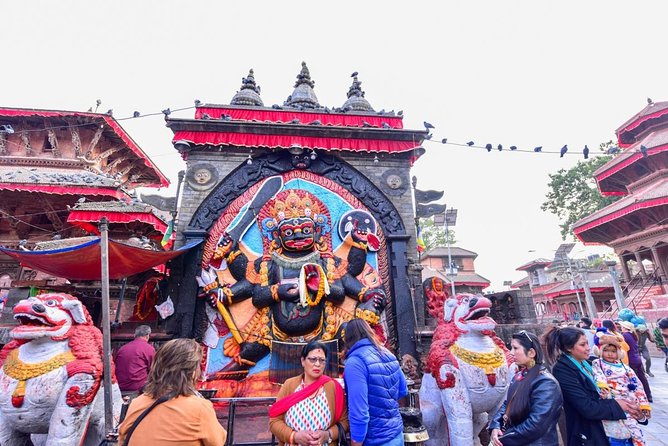
Finish in the Kathmandu city core at Kathmandu Durbar Square, described as the golden pride of the valley. This space served as the residence of the royal Nepalese family until the 19th century, when coronation of the Nepalese monarch took place.
What you’ll like here is how it functions like an open-air museum. The description calls it a living museum of temples, and it notes that many buildings, temples, art, and sculptures were made from the 15th to 18th centuries. So even when you’re just walking through the square, you’re seeing layers of craft and architecture from multiple centuries.
The location is also convenient for a day that starts elsewhere: it’s in the heart of Kathmandu City near Thamel. That means you can usually plan an easy next step after the tour, whether that’s dinner or wandering nearby streets.
There’s also a large Hanuman sculpture mentioned in front of the Durbar Square. If you’re trying to orient yourself quickly, that kind of landmark helps.
This stop is great for people who want Kathmandu heritage that feels close-up and human-scaled, not far off on a long drive. It’s the part of the day where the city energy becomes part of the experience.
How the Private Driver and Guide Make the Day Easier
I always appreciate when a UNESCO-heavy day doesn’t become a blur. The vehicle and pickup matter because Kathmandu traffic and distances can turn a “6-hour plan” into a much longer day if you’re relying on unplanned transport.
With this tour, you’ll have hotel pickup and drop-off, plus an air-conditioned vehicle to reset between stops. That’s especially useful if your hotel is outside the densest tourist area, because it reduces the time you spend coordinating with multiple steps of transport.
The guide component is equally important. The tour emphasizes a licensed, experienced guide, and that’s where you get the real value of the itinerary. Names and details (like the Shakyamuni Buddha’s placement at Swayambhunath, Shiva’s central role at Pashupatinath, and the Tibetan cultural context around Boudhanath) help you move from looking at buildings to understanding them.
The company running this tour has also been noted for coordinating well with guides—people have specifically mentioned staff like Kamil in the context of making UNESCO days work smoothly. That kind of coordination is what keeps the pace from becoming chaotic.
What to Pack and How to Behave at Sacred Sites
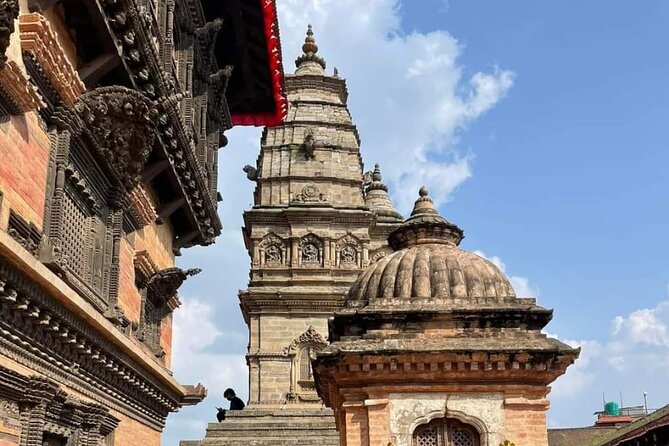
Temple and stupa visits have a simple rule: respect the space and make it easy for people around you. You’ll be on holy ground where religious practice continues, so dress and behavior matter.
Bring:
- Comfortable shoes for stairs and uneven surfaces
- A light layer (temple areas can be breezy even when the city feels warm)
- Water, since food isn’t included
- Cash for the entrance fee if you prefer to handle it immediately on arrival
For behavior, follow your guide’s cues, especially at Pashupatinath. Keep your camera use respectful, avoid blocking movement, and remember that these are active sites, not only scenic stops.
At Swayambhunath, you’ll also likely notice the monkey reputation. Don’t feed animals, and keep valuables secure so you don’t spend your time managing preventable distractions.
Who This UNESCO Day Tour Fits Best
This is a strong match if you want a classic Kathmandu Valley overview with minimal stress. It’s also ideal when you’re short on time but still want the kind of variety that Kathmandu delivers: hilltop Buddhist stupas, major Hindu pilgrimage space, Tibetan culture center, and royal-era heritage in the city.
It’s especially good for:
- First-time visitors who want the key UNESCO sites
- Groups that want their own pace but still want expert interpretation
- People staying near Thamel or who prefer pickup convenience
If you’re the type who enjoys spending half a day in just one monument, you might feel a little rushed. But for most people, the mix of four major sites in a single loop is the right balance of depth and efficiency.
Should You Book This Private Kathmandu Day Tour?
I’d book it if you want a well-structured UNESCO day with pickup, a guide, and clear priorities—Swayambhunath, Pashupatinath, Boudhanath, and Kathmandu Durbar Square. The $45 base price is reasonable for transportation plus guide service, and the itinerary covers the big icons that people look for in Kathmandu Valley.
Before you commit, do the simple math in your head: add the monument entrance fee (NPR 2600 / about USD 21) and plan for food. If you’re good with that, you’ll likely feel like you got your money’s worth in one efficient 6-hour window.
FAQ
What’s included in the tour price?
The tour includes an air-conditioned vehicle, hotel pickup and drop-off, and a licensed, experienced tour guide.
Is the monument entrance fee included?
No. The monument entrance fee is listed as NPR 2600 (about USD 21) and is not included in the tour price.
How long is the Kathmandu day tour?
It runs for about 6 hours.
Do I get hotel pickup and drop-off?
Yes, hotel pickup and drop-off are included.
Is this a private tour?
Yes. It’s private, meaning only your group participates.
Does the tour use a mobile ticket?
Yes, the tour includes a mobile ticket.
Are food and drinks included?
No. Food and drink are not included.
Are there group discounts?
Group discounts are available.
Can I cancel for a full refund?
Yes. You can cancel up to 24 hours in advance for a full refund.
Who can join this tour?
The information says most people can participate, and the meeting area is near public transportation.