REVIEW · KATHMANDU
Kathmandu’s 7 UNESCO Heritage Gems: Private Full-Day Tour
Book on GetYourGuide →Operated by Kashyap Raj Pandit · Bookable on GetYourGuide
Seven UNESCO stops in one full day sounds intense. I like the way this route strings together Swayambhunath to Pashupatinath with an expert English guide, and I also love the included local snacks like momo and hog plum candies. The main drawback is simple: monument entrance fees add up, so don’t assume $40 covers everything.
You also get a private group feel, with English or Hindi interpretation, plus optional pickup. That matters in Kathmandu, where traffic can turn timing into a guess.
If you end up with Kashyap Raj Pandit as your guide, the day tends to flow smoothly. The trade-off: it’s a long, active 8 hours with lots of moving between sites, so pace and stamina matter.
In This Review
- Key things to know before you go
- A one-day route through Kathmandu’s UNESCO core
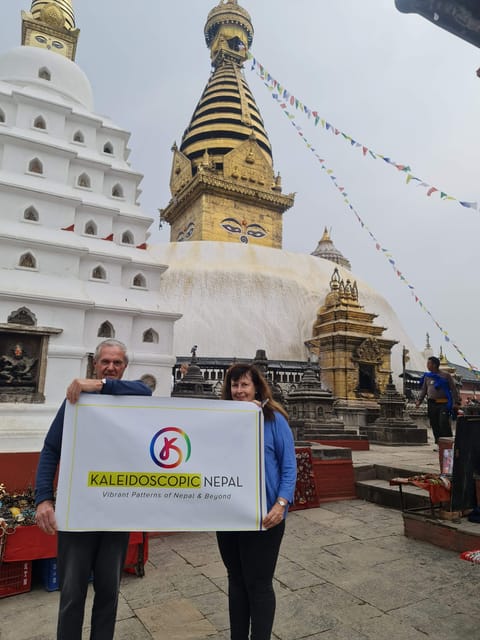
- Swayambhunath Temple: Monkey Temple views and guided wandering
- Kathmandu Durbar Square: temples, courtyards, and the Kumari Ghar
- Bhaktapur Durbar Square and a real lunch break
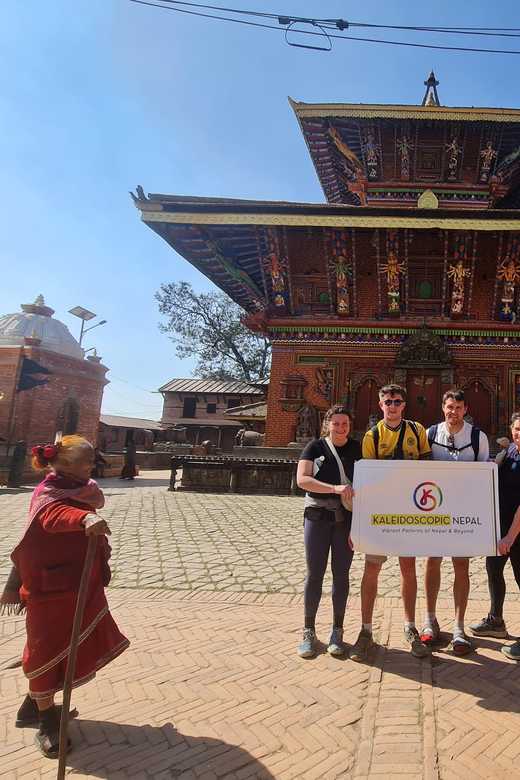
- Changunarayan Temple: ancient carvings that reward attention
- Patan Durbar Square and the Golden Temple moment
- Boudhanath Stupa: one of Nepal’s largest and a calmer pace
- Pashupatinath Temple and the Bagmati River evening aarti
- Price and logistics: what the $40 actually buys
- The guide factor: when Kashyap Raj Pandit matters
- Who should book this tour, and who should skip it
- Should you book Kathmandu’s 7 UNESCO World Heritage Sites tour?
- FAQ
- What sites are included in the Kathmandu 7 UNESCO Heritage Gems tour?
- How long is the tour?
- Is this tour private or shared?
- Does the price include entrance fees to the monuments?
- Are ticket lines skipped?
- What food is included?
- Do I get transportation between sites?
- Where do I meet the guide?
- What languages are available for the guide?
Key things to know before you go
- Seven UNESCO World Heritage Sites in one day, including Swayambhunath, Boudhanath, and Pashupatinath.
- Guided walks and viewpoint time at Swayambhunath and again around Boudhanath.
- Included food tastings: momo (dumplings) and local hog plum candies.
- Aarti on the Bagmati River at the end of the day for a powerful closing moment.
- Skip the ticket line with your guide, but you still pay site entrance fees separately.
- Private group with a professional English-speaking guide (English and Hindi available).
A one-day route through Kathmandu’s UNESCO core
This tour is built for people who only have a short window in Kathmandu and want the big cultural hits without doing a bunch of separate bookings. At 8 hours and 7 UNESCO World Heritage Sites, it’s efficient in the best way: you’re not just ticking boxes, you’re seeing how Kathmandu’s religious life and historic city layout connect across centuries.
The tour is priced at $40 per person, which feels fair for a private-group day with a professional guide and included snacks. The catch is that the entrance fees are not included. Add those up, and you’ll see why it’s worth thinking of $40 as the guide + routing + included tastings, not a full all-in ticket.
You’ll also have options for how you travel between stops. If you choose the transportation option, you get transport included. If not, you’ll use public transport for at least one segment (there’s a 45-minute public transport stretch listed). Either way, the day is structured so you still end up seeing everything, just with different comfort levels.
You can also read our reviews of more private tours in Kathmandu

Swayambhunath Temple: Monkey Temple views and guided wandering
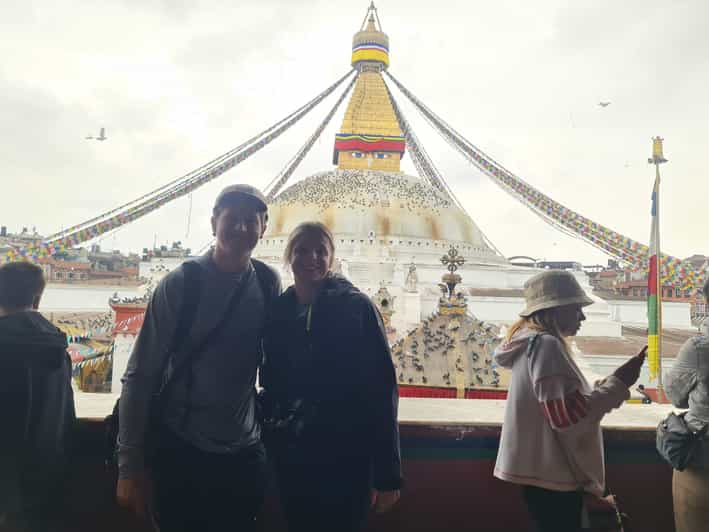
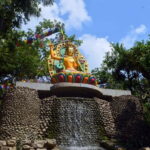
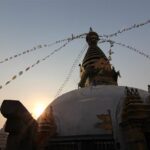
Most people know Swayambhunath (often called the Monkey Temple), but what makes it work on this kind of itinerary is the combination of views and context. You start your day with a guided visit and a walk, plus scenic viewpoints on the way. That gives you a quick sense of Kathmandu’s bowl-shaped valley before you get lost in details.
On top of the stupa itself, you’ll also explore the surrounding monastery area. The guide’s job here is more than pointing at things. You’ll get help noticing what you’re seeing: why this site matters in the larger spiritual geography of the Kathmandu Valley, and how the stupa fits into daily religious life.
Practical note: because this stop involves walking and a viewpoint approach, bring something comfortable for hills and steps. Also plan to arrive ready to look up, because Swayambhunath rewards observation more than speed.
Kathmandu Durbar Square: temples, courtyards, and the Kumari Ghar
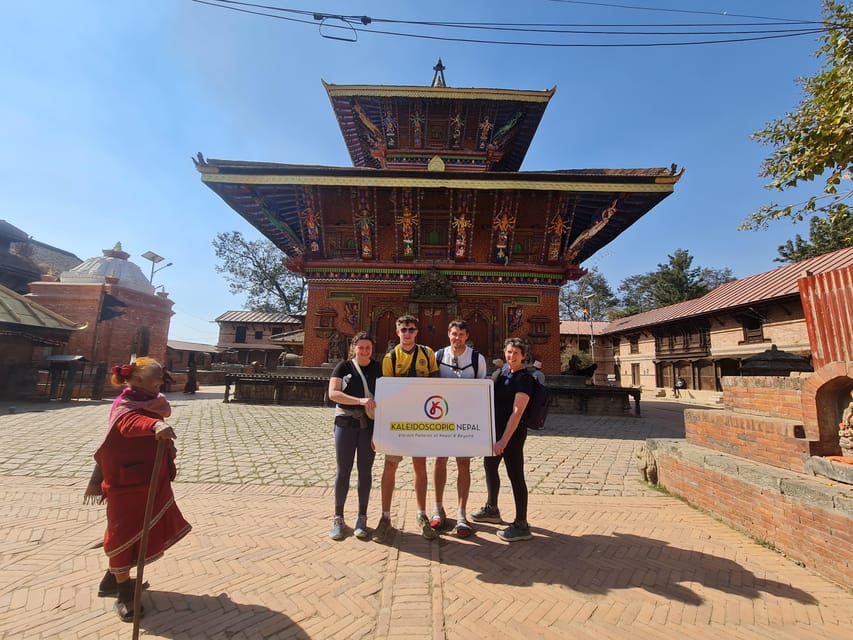
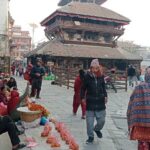
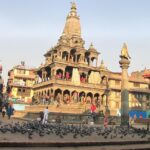
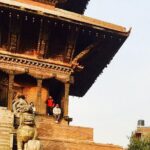
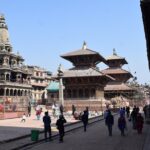
From Swayambhunath, you move into Kathmandu’s historic heart at Kathmandu Durbar Square. This is one of those places where the layout matters. It’s not a single building you can breeze through—it’s a historic square with temples and courtyards, and the guide can help you read the space like a map.
One highlight here is the Kumari Ghar, the residence associated with the Living Goddess tradition. Even if you don’t know the details ahead of time, having a guide means you’re not just photographing a facade. You’re learning what role this kind of sacred residence plays in a city where religion is part of everyday rhythms.
This is also a good moment to slow down inside the square. The tour keeps moving, but the Durbar Square setting is where you can start to connect earlier themes from Swayambhunath: reverence in architecture, and faith built into the urban layout.
Bhaktapur Durbar Square and a real lunch break
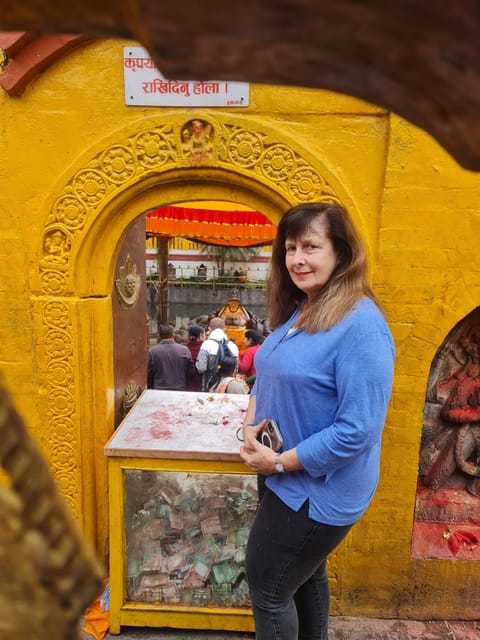
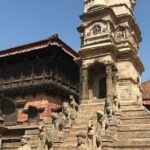
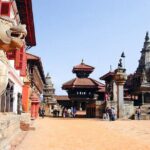
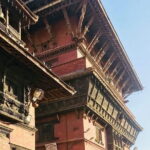
Next comes Bhaktapur Durbar Square, another major UNESCO site and one of the best places in the valley to see royal-era power expressed through stone, towers, and craftsmanship. The tour includes key stops within the area: the royal palace complex, Nyatapola Temple, and the 55-Window Palace.
What I like about including Bhaktapur in this one-day plan is that it shifts the vibe. You’re still in the UNESCO “big leagues,” but the atmosphere feels more grounded, more about city-scale heritage than a single landmark. Nyatapola and the palace complex also give you strong visual anchors, so the day doesn’t blur into a string of similar “temple stops.”
Lunch here is built in. You’ll have time for a leisurely lunch at a local restaurant in Bhaktapur. That’s not just a comfort perk; it’s a smart way to break up the day and reset your energy before the next heritage clusters.
Changunarayan Temple: ancient carvings that reward attention
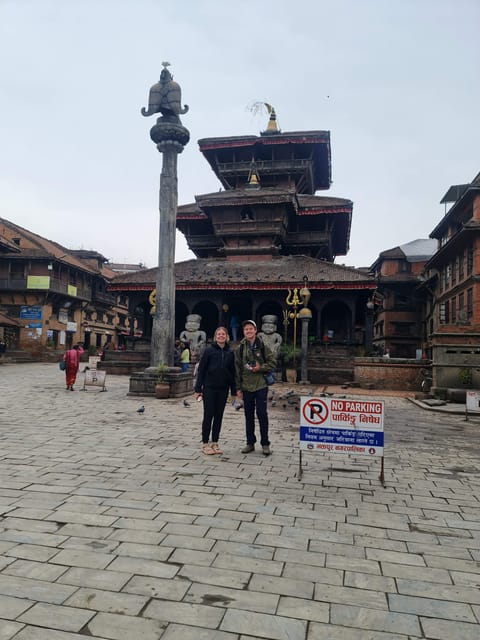
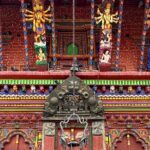
After Bhaktapur, the tour takes you to Changunarayan Temple, a UNESCO site known for ancient Hindu architecture and intricate carvings. This stop is different in feel from the Durbar Squares. Instead of a sprawling complex, you’re focused on architecture and detail.
This is where a guide really pays off. Carvings can look like decoration if you don’t know what to look for. With guidance, you can better notice themes in the craftsmanship and understand why this temple is singled out for preservation.
If you’re the kind of visitor who likes to stop and look for long moments, this is a good place to slow down. If you’re more of a move-fast photographer, the guide can still help you get the “why” quickly so you don’t miss the point.
You can also read our reviews of more historical tours in Kathmandu

Patan Durbar Square and the Golden Temple moment
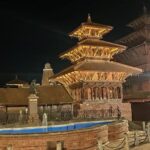
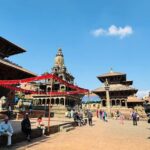
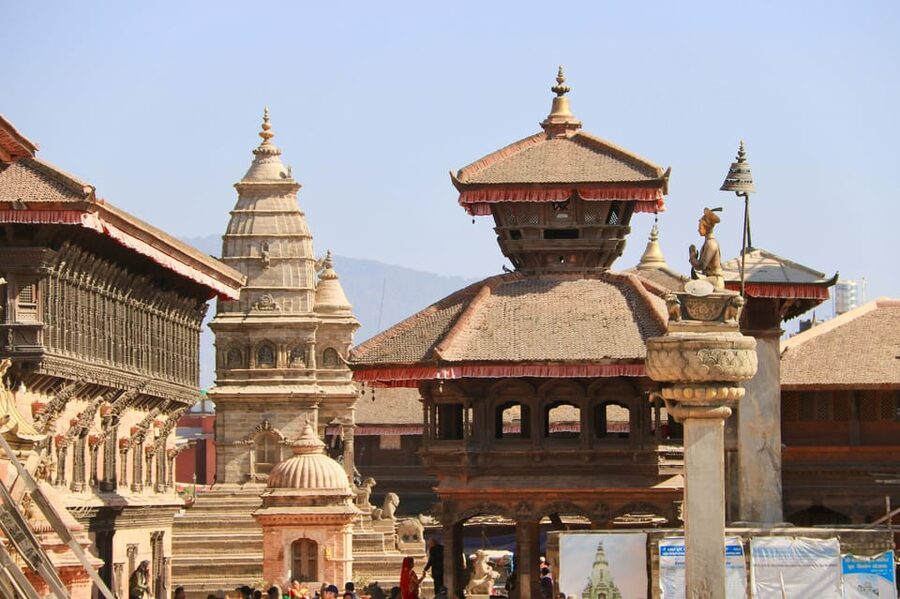
Next up is Patan Durbar Square. Like Kathmandu’s Durbar Square, it’s a historic complex with temples and palaces, but Patan’s identity shows through the details and layout. The tour highlights palaces and temples, plus the famous Golden Temple visit.
This part of the day is where you start comparing cities within the valley. Even within a short time window, you can feel differences in emphasis and style. With a guide, that comparison becomes more than a feeling—you’ll understand what you’re seeing.
Also, this stop fits nicely after Changunarayan. You’ve just been training your attention on fine carvings, and now you can appreciate how the palace-and-temple world expresses the same devotion at a bigger scale.
Boudhanath Stupa: one of Nepal’s largest and a calmer pace
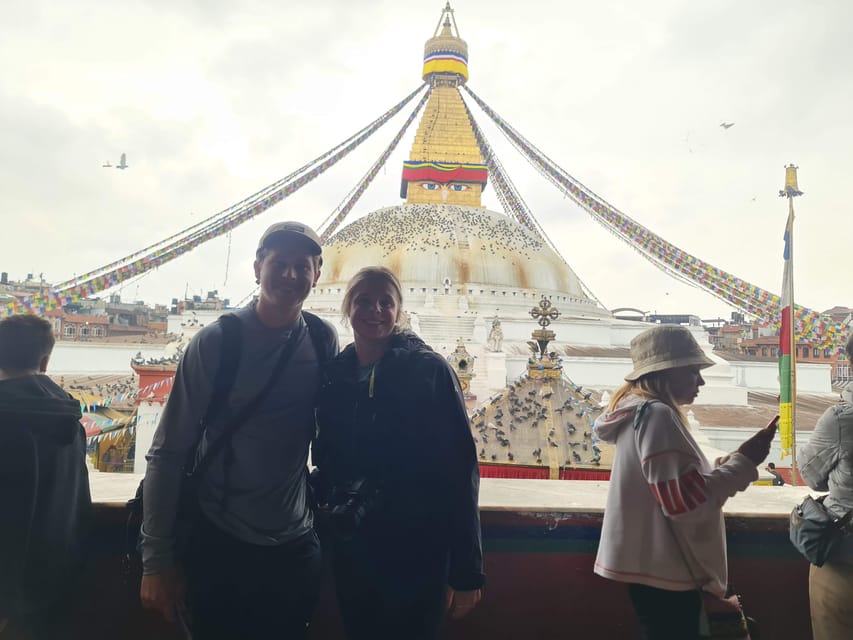
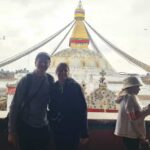
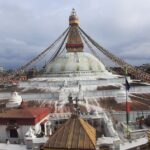
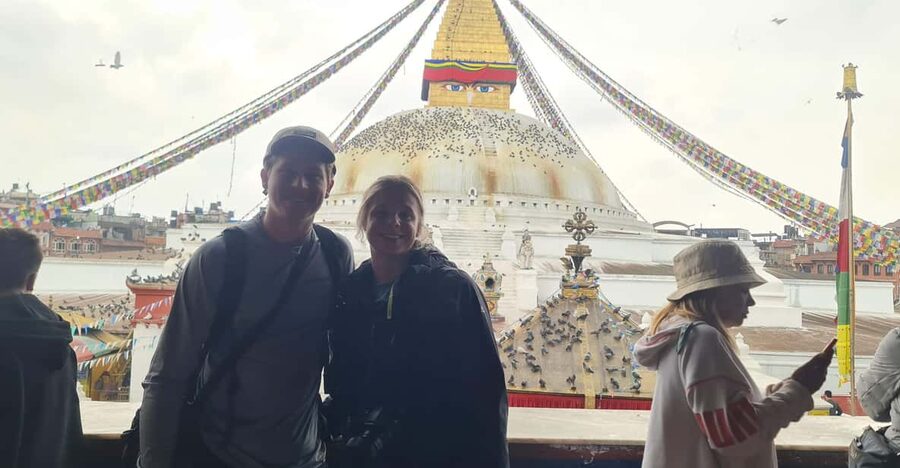
Later, you’ll reach Boudhanath Stupa in Kathmandu. It’s listed as one of the largest stupas in Nepal, and the tour includes a guided visit with sightseeing and a walk (plus scenic viewpoint time on the way). This is a welcome tempo shift after the more urban complexity of Durbar Squares.
Boudhanath is also known for its serene atmosphere. In a day this packed, that quiet matters. It helps you absorb the feeling of a major Buddhist site without rushing through it like a checklist.
One practical thing: you’ll likely be on foot around the stupa area, so comfortable shoes are not optional. And if you’re sensitive to crowds, the morning-to-late-day pacing can influence how you experience this space—so use the guide’s timing recommendations when they’re offered.
Pashupatinath Temple and the Bagmati River evening aarti
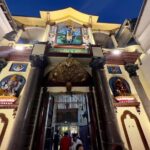
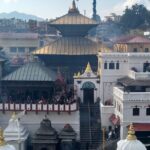
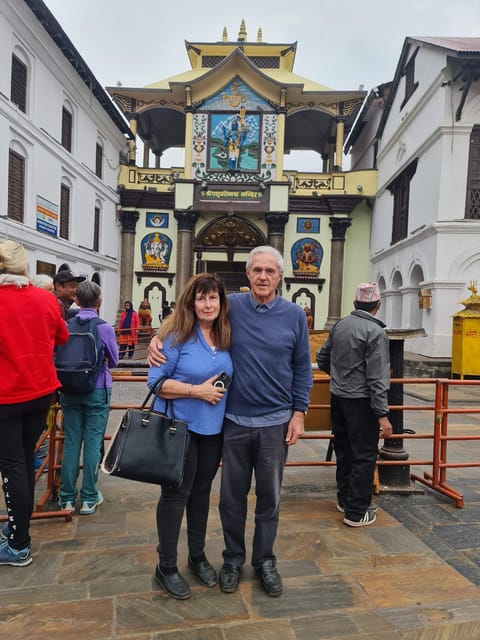
To close the day, the itinerary brings you to Pashupatinath Temple, a sacred Hindu site on the banks of the Bagmati River. The tour includes time for sightseeing and then an evening aarti ritual on the riverbanks.
This is the emotional payoff of the route. Earlier stops focused on monuments and historic forms. Pashupatinath adds the living part: ritual in action. The guide helps frame what you’re seeing so the moment lands more than just as a visual scene.
At the end, you get drop-off at Pashupatinath Temple, Sorhakhutte, or Thamel. That’s useful because it keeps you from having to solve your transport puzzle right after a long day.
Price and logistics: what the $40 actually buys
Let’s talk value, because this tour is one of those deals that can feel either amazing or confusing depending on expectations.
You pay $40 per person for a private group experience with:
- A professional English-speaking guide
- Bottle of water
- Local food tasting (momo and hog plum candies)
- Transportation only if you choose the transportation option
Then you pay entrance fees separately for each monument. Those fees are listed in NRs:
- Swayambhunath: 200
- Kathmandu Durbar Square: 1000
- Bhaktapur Durbar Square: 1800
- Changunarayan Temple: 400
- Patan Durbar Square: 1000
- Boudhanath Stupa: 400
- Pashupatinath Temple: 1000
That’s a total of 5800 NRs in entrance fees across the day, plus any personal expenses. Since the tour also includes skip the ticket line, you’ll save time, but you still need to budget for the fees.
Is it worth it? For most short-stay visitors, yes—because the alternative is juggling multiple guides, timing, and transport between scattered UNESCO sites. If you’re traveling with someone who wants a smooth day, the guide-led routing is doing real work.
Transport is the other lever. If you choose transport, the day is easier physically. If you don’t, you should expect at least one stretch using public transport, and you’ll be more exposed to Kathmandu’s schedule quirks.
The guide factor: when Kashyap Raj Pandit matters
This tour is only as good as the person interpreting it, and the guiding gets strong emphasis in the feedback. Kashyap Raj Pandit is described as friendly and experienced, and there’s also a clear theme of flexibility—adjusting the plan slightly when needed.
That flexibility isn’t a small perk. In a city like Kathmandu, traffic and timing can mess with a tight route. If your guide can shift routes to keep you on track, you spend more time at the sites and less time stuck watching the clock.
The tour also lists English and Hindi support, which can be a real advantage if you want deeper explanations beyond basic sight-seeing.
Who should book this tour, and who should skip it
This tour is a great fit if:
- You have limited time in Kathmandu and want all the big UNESCO highlights in a single day.
- You like structured itineraries with a guide who can explain sites as you go.
- You want included local snacks and a guided day rather than solo planning.
It might not be ideal if:
- You hate long walking days or quick stopovers. This is a full day with multiple heritage complexes.
- You don’t want to manage extra costs on arrival. Entrance fees are clearly separate.
- You prefer slow travel where you linger for hours at one place.
If you’re the kind of traveler who enjoys seeing the connections between monuments, Durbar Squares, and river rituals, this route will click.
Should you book Kathmandu’s 7 UNESCO World Heritage Sites tour?
If you’re trying to make the most of a short Kathmandu visit, I’d lean toward booking this. The combination of seven UNESCO sites, a guide-led plan, skip-the-line help, and included tastings makes it a practical way to see the cultural spine of the valley in one day.
Just go in with two realistic expectations: the day is active, and you need to plan for monument entrance fees (5800 NRs total across the listed sites). If that math works for you, this is one of the most efficient ways to experience Kathmandu’s heritage without spending your limited time on logistics.
FAQ
What sites are included in the Kathmandu 7 UNESCO Heritage Gems tour?
The tour visits Swayambhunath Stupa, Kathmandu Durbar Square, Bhaktapur Durbar Square, Changunarayan Temple, Patan Durbar Square, Boudhanath Stupa, and Pashupatinath Temple, plus an evening aarti ritual on the Bagmati River.
How long is the tour?
The duration is 8 hours.
Is this tour private or shared?
It’s a private group tour.
Does the price include entrance fees to the monuments?
No. Entrance fees are not included. The listed fees include: Swayambhunath (200 Nrs), Kathmandu Durbar Square (1000 Nrs), Bhaktapur Durbar Square (1800 Nrs), Changunarayan (400 Nrs), Patan Durbar Square (1000 Nrs), Boudhanath (400 Nrs), and Pashupatinath (1000 Nrs).
Are ticket lines skipped?
Yes. The tour includes skip the ticket line.
What food is included?
The tour includes a local food tasting: momo (dumplings) and local Hog Plum candies.
Do I get transportation between sites?
Transportation depends on the option you choose. The tour notes transportation is included only when you opt for the tour with Transportation; otherwise public transport is used for at least one segment.
Where do I meet the guide?
The meeting point is the ticket counter at Swayambhunath. Pickup is also listed as optional from your hotel.
What languages are available for the guide?
The guide is available in English and Hindi.