REVIEW · KATHMANDU
Kathmandu: Explore Entire Kathmandu (World Heritage Sites) with Guide
Book on Viator →Operated by AM Travels and Tours · Bookable on Viator
Five stops, one day to remember. This Kathmandu Valley circuit strings together World Heritage sites in a logical order, bouncing between Hindu and Buddhist landmarks plus a palace turned museum, all with a live English-speaking guide to explain what you’re actually seeing.
I especially like the on-the-ground help: a good guide makes temple crowds and sacred rituals feel understandable, not just overwhelming. In one account, people singled out guide Mr. Govinda for attentive care and clear explanations, and the ride quality was also praised with driver Mr. Chetan handling transfers smoothly.
One catch to plan for: monument fees and meals are not included, so you’ll want some extra cash and a simple plan for lunch or snacks during the day.
In This Review
- Key takeaways before you go
- A fast, efficient loop of Kathmandu Valley World Heritage sites
- Price and what you actually get for the money
- Getting around smoothly: pickup, private vehicle, and a guide who keeps it organized
- Stop 1: Pashupatinath Temple and the burning ghats atmosphere
- Stop 2: Boudhanath Stupa and Buddhist devotional focus
- Stop 3: Swayambhu (Swoyambhunath) hilltop views that depend on the sky
- Stop 4: Kathmandu Durbar Square—palace spaces and an antique museum stop
- Stop 5: Narayanhiti Palace Museum and Nepal’s monarchy turned to memory
- What your guide really contributes (and why Mr. Govinda was praised)
- Practical tips to make the day feel easy
- Should you book this Kathmandu World Heritage tour?
- FAQ
- Which World Heritage sites are included in this tour?
- How long does the Kathmandu Valley World Heritage tour take?
- Is hotel pickup and drop-off included?
- Are monument entrance fees included in the price?
- Is an English-speaking guide included?
- Is this a shared group tour or private?
- Are meals included?
- Do you get water during the tour?
- Is free cancellation available?
Key takeaways before you go
- A tight World Heritage route across Kathmandu Valley in about half a day
- Hotel pickup and drop-off with round-trip private vehicle transfer
- Stops that explain themselves with a guide at every major site
- Entrance fees not included, so budget separately for monuments
- Great viewpoint potential from Swayambhunath when the weather is clear
- Private for your group, so the pace can be set with your guide
A fast, efficient loop of Kathmandu Valley World Heritage sites
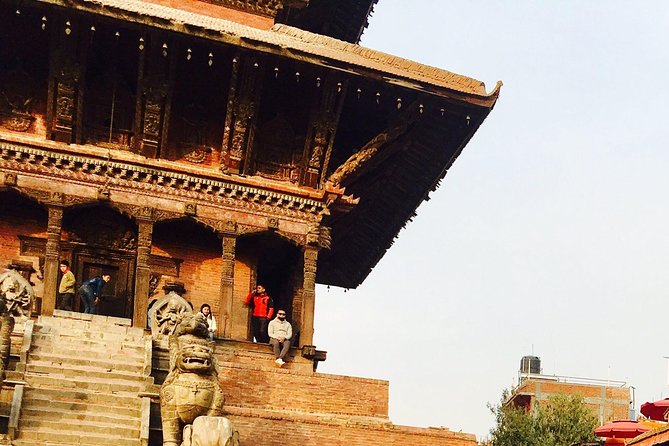
Kathmandu can feel huge on a map, but this itinerary keeps your day structured. You’ll start at Pashupatinath Temple, move through major Buddhist landmarks like Boudhanath and Swayambhunath, then sweep into the city’s historic heart at Kathmandu Durbar Square. The final stop at Narayanhiti Palace Museum ties the story of Nepal’s monarchy to the modern city.
What I like about this kind of route is that it saves you from decision fatigue. Instead of bouncing around town trying to figure out what’s near what, you follow a sensible “south-to-west-to-hilltop” style flow. That means more time looking closely, less time negotiating transport.
This is also a good day for contrasts. You’ll see sacred spaces used in very different ways—Hindu temple life, Buddhist devotional rituals, then the curated atmosphere of a palace museum. It’s not just sightseeing. It’s a snapshot of how Kathmandu layers religion and history in one compact day.
You can also read our reviews of more guided tours in Kathmandu
Price and what you actually get for the money
At $85.34 per person for about 5-6 hours, the headline price looks very approachable—especially because the tour includes hotel pickup/drop-off, an English-speaking guide, and private vehicle transfers. That’s the big value piece: transport in Kathmandu isn’t trivial, and getting it bundled saves time and stress.
Your included baseline:
- Hotel pickup and drop-off
- English-speaking tour guide
- Round-trip transfer by private vehicle
- Bottle of water for each participant
- A private trip (only your group)
What’s not included:
- Meals and drinks
- Monument/entrance fees
- Optional gratuity
So the math works best if you plan meals separately and budget for entrance tickets at each site. If you’re traveling with someone who also likes structured days—one plan, one guide, no guesswork—this fits nicely.
One more small note: the tour lists group discounts, but it’s still described as private for your group. That usually means the experience is designed to run just for you, with some pricing flexibility depending on how many people are in the booking.
Getting around smoothly: pickup, private vehicle, and a guide who keeps it organized
This is the kind of tour where logistics matter, because you’re covering five major stops with different vibes. The private vehicle transfer helps you avoid the time sink of hopping between sites yourself.
Hotel pickup and drop-off is also a quality-of-life upgrade. Kathmandu days can start and end with traffic and timing issues, so having pickup handled means you get to focus on the stops rather than coordinating transportation.
The guide role is the quiet hero here. In feedback shared from past bookings, people praised the guide’s experience and how well they were taken care of. That matters at temples because the meaningful details aren’t always obvious on first glance. A guide can point out what to look for, explain why certain spaces matter, and keep the day moving without feeling rushed.
Also, you get a bottle of water for each participant. It sounds small, but when your day involves walking and temple steps, hydration planning is smart.
Stop 1: Pashupatinath Temple and the burning ghats atmosphere
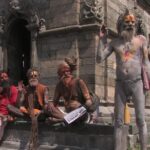
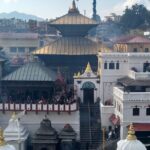
Pashupatinath is where Kathmandu starts to feel real. This is one of the world’s biggest Hindu temples dedicated to Lord Shiva, and it carries that “active sacred site” energy rather than an only-museum feel.
You’ll spend about an hour here, with time to explore the temple complex and the burning ghats area. The ghats are tied to Hindu mythology and cremation practices. If you’re sensitive, it’s worth knowing you may see the ritual context of cremations from designated viewing areas. Don’t treat it like a spectacle—come with a respectful mindset, keep your voice down, and follow your guide’s direction.
Why I think this stop is essential on a World Heritage tour:
- It’s not just architecture. It’s religion in motion.
- You’ll understand how the spiritual and the everyday overlap in Kathmandu.
- A guide helps you decode what you’re seeing so it doesn’t become a checklist.
Possible drawback to consider: Pashupatinath can be busy, and the day is only about 5-6 hours total. That means you might not have unlimited wandering time here. If you want extra time at Pashupatinath, consider booking a longer format or adding your own time buffer after the tour.
Stop 2: Boudhanath Stupa and Buddhist devotional focus
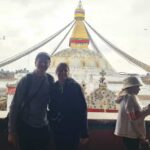
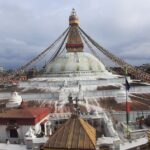
Next up is Boudhanath Stupa, one of the major Buddhist monuments in the Kathmandu Valley. The stupa area has a calming pull, and you’ll spend about 30 minutes here—enough time to orient yourself and get a feel for how people gather around the stupa for devotion.
Boudhanath works well as a contrast after Pashupatinath. Even if you’re not fluent in the religious language, the devotional rhythm is visible: people come with intention, and the stupa is the center of that attention.
What to do in your 30 minutes:
- Look at how visitors move around the stupa area rather than just standing still.
- Pay attention to the details your guide points out (those small elements are often why the place is important).
- Keep your pace steady; the goal is calm understanding, not sprinting photos.
Because entrance fees aren’t included, you’ll want to be ready for any site ticketing your guide may collect or discuss on arrival. Your guide can help you keep things organized so you’re not scrambling mid-day.
You can also read our reviews of more historical tours in Kathmandu
Stop 3: Swayambhu (Swoyambhunath) hilltop views that depend on the sky
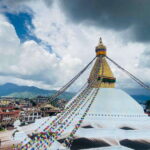
Swayambhunath—listed here as Swoyambhunath—is perched on a hilltop, and the payoff is both spiritual and scenic. You’ll have about an hour at this stop.
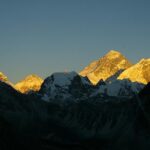
You’ll explore the stupa here, then you can enjoy the big-picture views of Kathmandu Valley and even the mountains if the weather is clear. That “if” matters. If clouds roll in, views can shrink. If the sky opens up, this is the kind of moment that makes the whole route feel worth it.
A practical way to experience Swayambhu:
- Start with the stupa area so you don’t feel rushed later.
- Save a little time for the viewpoints once you can see what the weather is doing.
- Wear comfortable shoes and plan for uneven surfaces. Hilltop sites often mean more walking than you expect.
Also, hilltop temples often attract crowds. Your guide’s timing choices can make a difference between a smooth visit and standing in a slow-moving line of people.
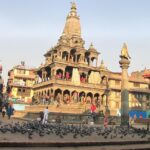
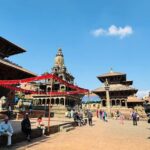
Stop 4: Kathmandu Durbar Square—palace spaces and an antique museum stop
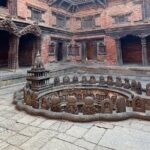
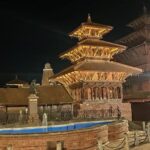
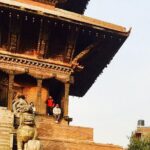
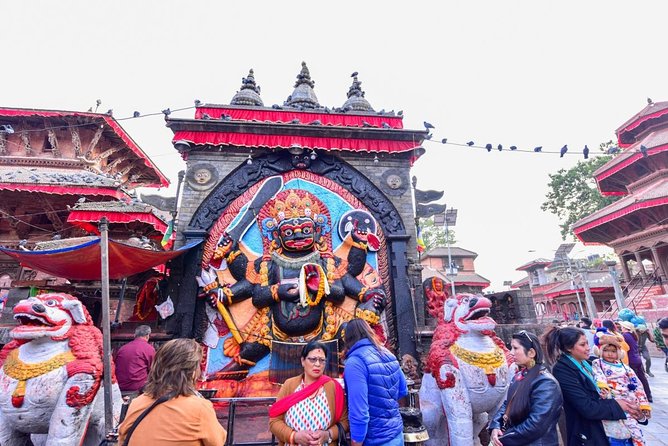
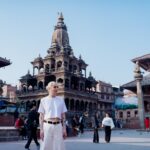
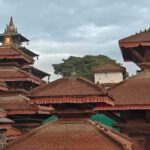
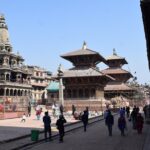
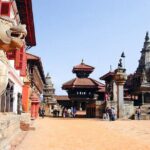
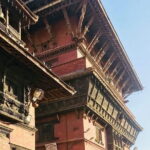
Kathmandu Durbar Square is where the city shows its historic spine. This part of the tour focuses on the ancient palace area of the kings of Nepal and an antique museum within the World Heritage listing.
You’ll spend about an hour here, which is usually a good balance: long enough to see the main palace-era spaces and understand what makes the square culturally significant, not so long that you burn the rest of the day.
What makes this stop meaningful:
- It connects political power to physical space—palace courtyards aren’t just decorative.
- The museum component gives context, so you’re not looking at ruins or artifacts without any guide-anchored background.
- It’s a good “people-watching” zone too, because the square is part of the living city, not sealed off.
One consideration: because this stop involves more open-area wandering, plan your attention. If you try to photo everything, you’ll miss the details that make Durbar Square feel distinct. Let your guide slow you down where it counts.
Stop 5: Narayanhiti Palace Museum and Nepal’s monarchy turned to memory
The final stop is Narayanhiti Palace Museum. This visit is centered on the palace of Nepal’s last king, later turned into a museum after the passing of his family.
You’ll spend about an hour exploring the palace museum. Even without deep prior knowledge, you’ll likely understand the emotional shift: the building is no longer a home of power, but a place where the story is presented with museum rules and calmer pacing.
Why this ending works:
- You finish with a curated perspective rather than only outdoor sacred spaces.
- It gives historical continuity after temple and stupa stops.
- It’s a change of tempo—use it to rest your feet a bit and refocus your mind.
If you like history, this museum stop helps you connect what you learned earlier about sacred traditions and heritage sites to Nepal’s broader social story.
What your guide really contributes (and why Mr. Govinda was praised)
The sites on this route are all major. What makes the day run well is the human factor: an English-speaking guide who can translate meaning into something you can actually use.
In feedback from past bookings, Mr. Govinda stood out for taking good care of visitors and providing what people needed. That shows up in small ways:
- Explaining what you’re seeing right now, not what you’ll see later
- Helping you understand sacred rules enough to feel comfortable
- Keeping the day moving without steamrolling your questions
- Coordinating the flow of stops so you don’t waste time
The driver experience also matters. When transfers are smooth, your focus stays on the day. One account praised driver Mr. Chetan as well, which fits what you want on a half-day heritage loop.
When you work with any guide on a tour like this, it helps to come with two or three questions. For example: which site is most important for understanding Hindu traditions? Which gives the best viewpoint when weather cooperates? A good guide can tailor the route tempo inside the fixed schedule.
Practical tips to make the day feel easy
Here’s how to set yourself up for a smooth Kathmandu World Heritage day, based on what this itinerary demands.
Plan for entrance fees and bring extra money
Monument fees are not included. That’s normal on heritage tours, but it’s the single most common “surprise” if you didn’t budget. I recommend bringing cash so you don’t run into a last-minute payment problem.
Eat before or during the gaps
Meals and drinks are not included, and the tour is only 5-6 hours. That means you should either eat before pickup or plan a simple lunch/snack option near your return. Water is provided, but your food plan is up to you.
Wear comfortable shoes
Temple sites and palace courtyards can mean uneven ground and frequent walking. You’ll feel better in shoes you can move in comfortably.
Use the weather window for Swayambhu views
Swayambhunath’s views depend on clear weather. If skies look uncertain, ask your guide when you’ll be able to see the valley best. That one decision can be the difference between great scenery and a gray view.
Respect the sacred spaces
Pashupatinath includes burning ghats areas tied to Hindu mythology. This is a real ritual setting. Dress respectfully, keep your voice down, and let your guide set the pace for photography and observation.
Should you book this Kathmandu World Heritage tour?
I’d book it if you want a well-structured Kathmandu day with a guide, and you’re trying to hit the Valley’s biggest heritage names without spending your trip time figuring out routes and transport. The included pickup/drop-off, private vehicle transfer, and English-speaking guidance make it feel like a true “do it efficiently” option.
Skip it or think twice if you hate being on a tight schedule. With about 5-6 hours to cover five major stops, there’s not much room for long, slow lingering. Also, if you’re on a strict budget, remember the entrance fees and meals aren’t included.
If you do book, show up with comfortable shoes, a little cash for tickets, and an open mind for the Hindu and Buddhist sacred rhythms. Done right, this route gives you a strong, understandable Kathmandu Valley snapshot in one day.
FAQ
Which World Heritage sites are included in this tour?
The tour covers Pashupatinath Temple, Boudhanath Stupa, Swoyambhunath (Swayambhu Mahachaitya), Kathmandu Durbar Square, and Narayanhiti Palace Museum.
How long does the Kathmandu Valley World Heritage tour take?
It runs for about 5 to 6 hours.
Is hotel pickup and drop-off included?
Yes. The tour includes hotel pickup and drop-off.
Are monument entrance fees included in the price?
No. Monument fees (entrance fees) are not included.
Is an English-speaking guide included?
Yes. The tour includes an English speaking tour guide.
Is this a shared group tour or private?
This is a private trip/activity. Only your group participates.
Are meals included?
No. Meals and drinks are not included, but they are available for purchase.
Do you get water during the tour?
Yes. Bottle of water is included for each participant.
Is free cancellation available?
Yes. Free cancellation is available, with a full refund if you cancel up to 24 hours in advance of the experience start time.