REVIEW · KATHMANDU
Seven World Heritage Day Tour in Kathmandu Nepal
Book on Viator →Operated by Himalayan Planet Adventures · Bookable on Viator
Seven UNESCO stops in one long day. This Kathmandu Valley tour is built for travelers who want the big icons plus the lesser-known details, all in one organized loop with a local guide and a private vehicle. I like that you get hotel pickup and drop-off and multiple morning start times, which makes the day feel manageable.
The only real catch is the pace: 10–12 hours means lots of walking and some stairs, plus entrance fees aren’t included. If you need slower movement, guides such as Pankaj are reported to adjust the plan and reduce stair climbing where possible, so it’s worth mentioning needs early—before you start stair climbing and before you budget for entrance tickets.
In This Review
- Quick hits before you go
- How this 10–12 hour Kathmandu Valley loop really works
- Swayambhunath and Amideva Buddha Park: views first, then quiet details
- Kathmandu Durbar Square and Kumari Chowk: where the city still lives
- Patan Durbar Square, Krishna Temple, and the Golden Temple in Hiranya Varna Mahavihar
- Patan Museum: the stop that helps the buildings make sense
- Bhaktapur Durbar Square: a longer visit with multiple must-sees
- Changu Narayan Temple: the quieter UNESCO stop
- Pashupatinath and Boudhanath: two major spiritual anchors
- Price and logistics: is $65 really good value?
- What makes the guide matter on a day like this
- Who should book this Seven World Heritage Day Tour
- Should you book this tour?
- FAQ
- How long is the Seven World Heritage Day Tour in Kathmandu?
- Where does the pickup and drop-off happen?
- What’s included in the tour price?
- What’s not included?
- How many UNESCO World Heritage Sites do you visit?
- Is the tour private?
- Do you get a ticket on your phone?
Quick hits before you go
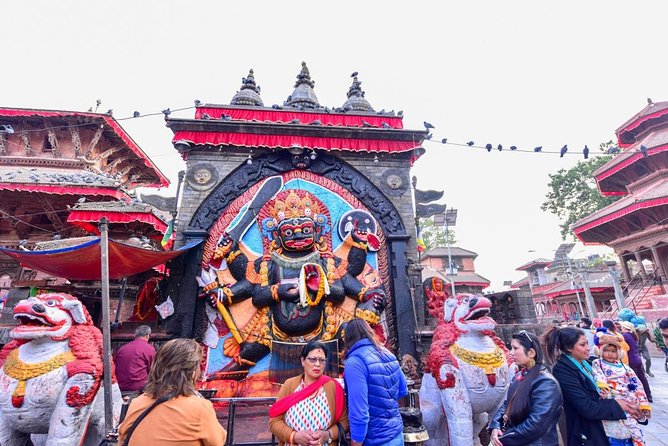
- Seven UNESCO World Heritage Sites in one day, covering Kathmandu, Patan, and Bhaktapur
- Private vehicle + hotel pickup/drop-off (inside the Ring road), so you’re not battling transit between stops
- Multiple morning departure times, letting you match the route to your schedule
- A guide who connects the sites, not just points and photos (Shanti Karki and Shanti are names that show up in feedback)
- A smart mix of major temples and smaller stops, including Changu Narayan and Amideva Buddha Park
How this 10–12 hour Kathmandu Valley loop really works
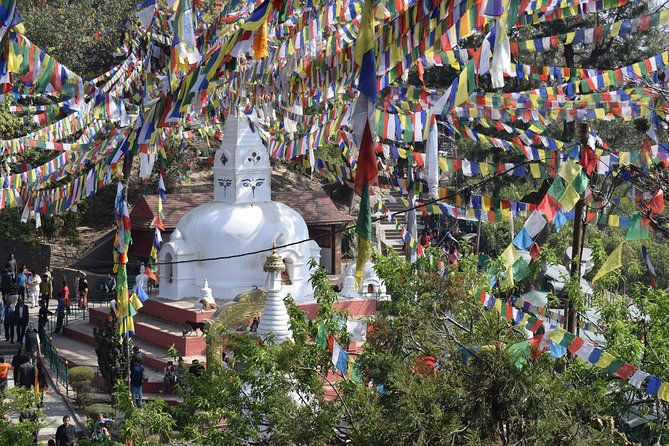
This is an action-packed “see a lot, still understand what you’re looking at” day. You’ll spend most of your time moving between sites in a private vehicle, then switching gears quickly at each location with a local guide. That matters because Kathmandu Valley sites are spread out, and hopping between them on your own can eat up your best hours.
Because it’s only your group, the route can feel more personal than a big shared bus tour. You also get a mobile ticket, which helps on a practical level: you’re not trying to chase down paperwork while standing in line. And since you can choose a morning start time, you can pick the departure that best fits your energy and any pre-planned sightseeing in Kathmandu.
You can also read our reviews of more historical tours in Kathmandu
Swayambhunath and Amideva Buddha Park: views first, then quiet details
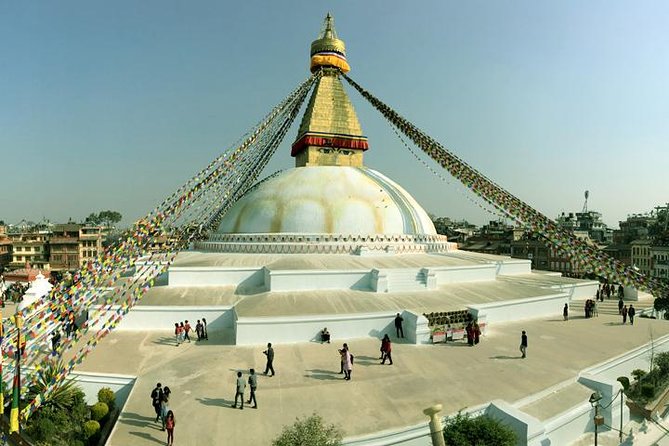
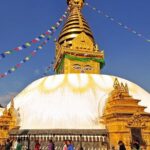
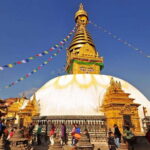
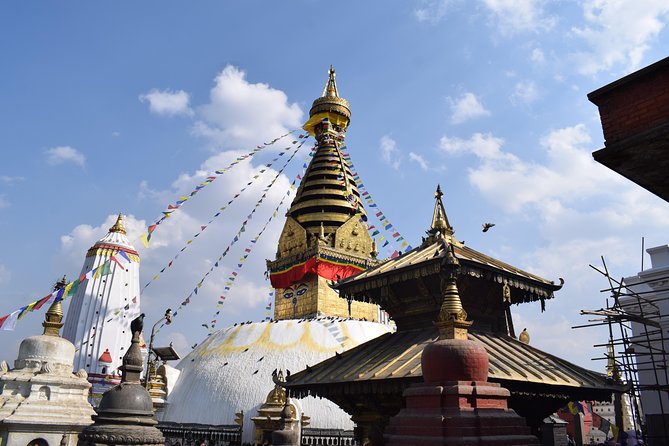
Swayambhunath sets the tone fast. This UNESCO-listed stupa is a Buddhist pilgrimage site, and you can reach it via two entrances—one includes an inclined walk to the top. The good news is that this gives you options. If you’d rather minimize steep steps, you can choose the entrance that fits your body and your comfort level.
After Swayambhunath, you’ll stop at Amideva Buddha Park for a short break. The highlight here isn’t one single landmark—it’s the scale of the statues, including large Shakyamuni Buddha figures plus smaller religious and architectural features. Admission here is free, so it’s a low-cost way to keep the day varied without adding more ticket complexity.
What to watch for: wear shoes that can handle uneven stone, and bring water. Even when the stops are short, Kathmandu Valley sites require steady feet.
Kathmandu Durbar Square and Kumari Chowk: where the city still lives
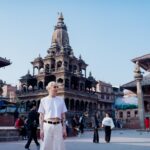
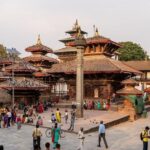
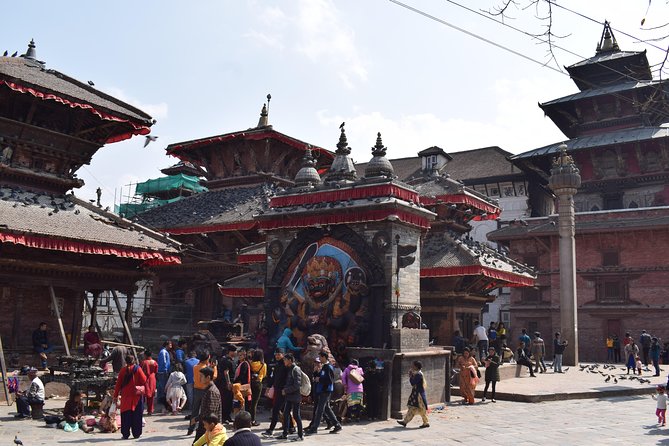
Kathmandu Durbar Square is one of the UNESCO World Heritage Sites, and it’s the kind of place where architecture does the talking. You’ll see historic buildings and courtyards—though part of the area can be under construction, which you should expect in this living heritage zone rather than treat as a reason to skip.
Then comes Kumari Chowk. This is quick—just a few minutes—but it’s meaningful. The courtyard is red-bricked and has a three-level structure tied to the living goddess tradition. Kumari is a Newari girl selected to be worshiped as a living goddess until puberty. Even if you don’t catch everything you want in a short window, this stop adds a human, cultural layer that temples alone can’t.
Practical tip: Kumari Chowk is short on time by design, so if it’s a must-see for you, keep your questions ready for the guide during the stop rather than expecting a long independent wander.
Patan Durbar Square, Krishna Temple, and the Golden Temple in Hiranya Varna Mahavihar
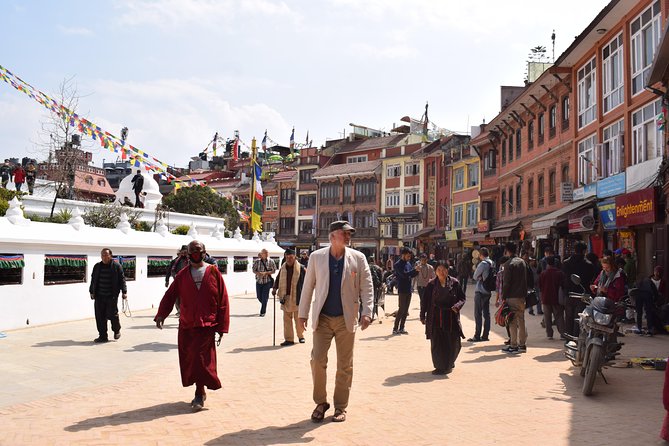
Patan Durbar Square is where the day starts shifting from “big names” to “architecture you can study.” This is the historic Malla palace courtyard area, and the Newari craftsmanship is a big part of the experience. You’ll see layered crimson-brick floorwork and dense architectural details that reward slowing down even for an hour.
From there, you’ll head to the Krishna temple area. One detail to look for: the temple has carvings connected to both the Ramayana and Mahabharata traditions, and there are described shrines—specifically, 21 shrines—linked to those carvings. Near the temple area, you’ll also spot a large bell, which makes the space easier to orient in your photos.
Next is the Golden Temple, also known as Hiranya Varna Mahavihar. This stop is brief, but it’s packed with visual cues: bronze statues and silver and gold decorations. If your brain gets tired from too many sacred spaces in a row, this quick contrast—moving from brick courtyards to gleaming temple art—can be a helpful reset.
Patan Museum: the stop that helps the buildings make sense
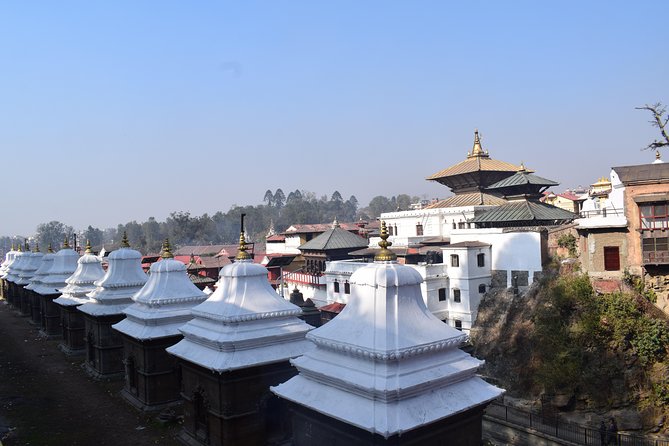
After the temples and squares, you’ll visit Patan Museum in Keshav Narayan Chowk. This is one of the better “value add” moments on a tight itinerary. The museum focuses on records of ancestors’ lifestyles and artifacts related to the area around Patan Durbar Square, which gives you context for what you’ve been seeing outside.
Even a half-hour museum stop can help you read the architecture with more confidence. Instead of treating each courtyard as a random collection of carvings, you start connecting them to everyday life and local traditions.

Bhaktapur Durbar Square: a longer visit with multiple must-sees
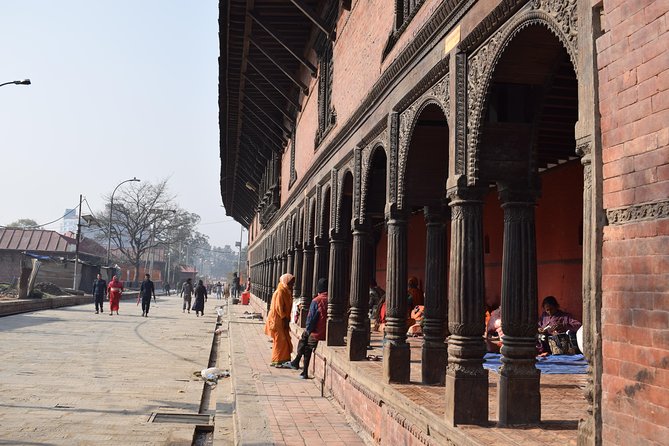
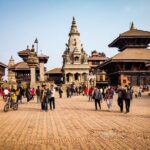
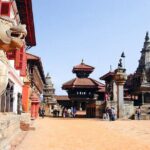
Bhaktapur Durbar Square is the marathon stop of the day, with about two hours allocated. This is where the “City of Devotees” feel comes through, and the Newari cultural identity is front and center. The place is famous for sculpted and carved structures, and you’ll notice how courtyards connect into a larger system rather than standing alone.
From there, you’ll branch out within Bhaktapur’s highlights:
- Nyatapola Temple: a five-leveled pagoda-style temple that’s described as over 30 meters tall. It’s one of the taller pagodas in the area, and it’s built for dramatic symmetry.
- Dattatraya Temple: located at Dattatreya Square. It’s said to be constructed using the stem of a single tree, which is the kind of origin story that makes the carvings feel more personal.
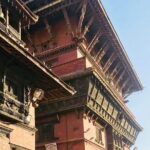
- 55 Window Palace: exactly 55 windows carved into a palace structure built across linked courtyards. It’s short, but it’s easy to stand and count, then realize how much work is hidden in that precision.
You’ll also spend time at Siddha Pokhari, a human-made pond that’s about 171 meters long and 3 meters deep. This is where the itinerary lets you exhale. It’s a local hangout area with ambiance, and that simple change—from temples and palaces to water and people—keeps the day from feeling like only stone.
Changu Narayan Temple: the quieter UNESCO stop
Changu Narayan Temple is described as the least visited UNESCO World Heritage Site among the seven, which often makes it feel more relaxed. It’s still a serious stop: you’ll see Newari craftsmen working on traditional carvings, and the site is tied to the surrounding village context.
This is one of the reasons the tour works well for first-timers. If you only see the most famous temple complexes, you can miss the skill and everyday craft that keeps heritage alive. Changu Narayan adds that ingredient without requiring a longer separate trip.
Pashupatinath and Boudhanath: two major spiritual anchors
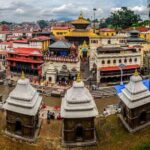
Pashupatinath Temple is the big Hindu spiritual complex of the day. It’s described as the greatest temple complex in Nepal, and the site area contains over 500 temples and shrines. Expect to spend about an hour here, and expect the space to feel vast even within that time.
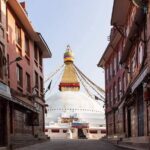
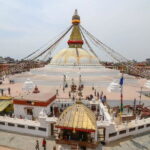
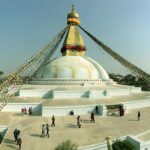
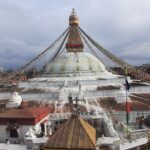
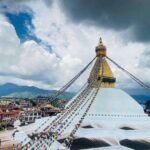
Then you’ll move to Boudhanath Stupa, one of the major Buddhist pilgrimage destinations in Nepal. The stupa is described as 36 meters tall, with over 50 gompas constructed around the vicinity. This stop often lands well late in the day because it offers a wide, calm visual focus: the mandala-like design and the ring of monasteries create a clear scene to take in slowly.
Timing reality check: these two stops are significant, but the tour still keeps them to set time windows. If you’re the type who could spend hours at one temple, you’ll want to treat these as “see it with your guide, then return later” rather than trying to experience everything in one pass.
Price and logistics: is $65 really good value?
At $65 per person, this tour’s value comes from what’s included: private vehicle transport, professional tour guide, and hotel pickup and drop-off (inside the Ring road). For a day that covers seven distant heritage sites, paying for transportation and a guide separately would quickly erase any savings.
Food and drinks are not included, and you’ll buy what you need at each site. Entrance fees for the heritage sites are also not included, and the total depends on what’s required for the specific sites that day and what entry options you choose. So the smart move is to plan a separate budget for tickets and snacks.
A practical way to think about it:
- You’re paying $65 for the structure: pickup, transport, route flow, and expert guidance.
- You’re paying separately for the variable costs: meals and site admissions.
If you’re the kind of traveler who hates wasting time figuring out routes, chasing ticket counters, or coordinating multiple taxis, this setup can feel like a bargain. If you’re mostly interested in just one or two places and want to linger, you might feel the pace instead.
What makes the guide matter on a day like this
This itinerary’s success depends on the person driving the day. The names that show up in feedback—Shanti Karki and Shanti, plus Pankaj—are tied to strong notes about detail and flexibility. And that matters because Kathmandu Valley heritage isn’t just postcard scenery. It’s layered: different eras, different communities, different religious functions.
A good guide helps you notice what’s easy to miss, like why a courtyard layout matters or what a temple carving is referencing. You’ll also benefit from flexibility if your group needs small adjustments. One piece of feedback specifically mentioned slowing down and minimizing stair climbing for comfort, which is exactly the kind of practical care that keeps a long day from becoming stressful.
Who should book this Seven World Heritage Day Tour
This fits you best if:
- You want to check off seven UNESCO World Heritage Sites in the Kathmandu Valley in one organized day
- You’re short on time and want a guided overview rather than piecing the day together yourself
- You prefer a private-group pace that keeps transit time from swallowing your sightseeing
Consider skipping (or shortening your ambitions) if:
- You hate long days. This is roughly 10–12 hours.
- You know you have trouble with stairs or extended walking and don’t want to manage that with your group and guide.
- You’re hoping for deep, slow museum-level time at every major complex. This route is designed for coverage.
Should you book this tour?
Yes, I’d book it if your priority is efficient UNESCO coverage with local context. The included pickup, private vehicle, and guide justify the $65 price for many travelers, especially when entrance fees and meals are handled with your own budget.
I’d hesitate only if you’re aiming for a relaxed, unhurried day. A route that hits Kathmandu, Patan, and Bhaktapur plus Pashupatinath and Boudhanath will keep you moving. If that sounds like your style—go for it, and use the guide to focus on the details that help the buildings and traditions make sense.
FAQ
How long is the Seven World Heritage Day Tour in Kathmandu?
The tour runs about 10 to 12 hours.
Where does the pickup and drop-off happen?
Pickup and drop-off are included inside the Ring road.
What’s included in the tour price?
Hotel pickup and drop-off (inside Ring road), private vehicle transport, and a professional tour guide.
What’s not included?
Food and drinks are not included, and entrance fees for the heritage sites are not included.
How many UNESCO World Heritage Sites do you visit?
The tour visits seven of the Kathmandu Valley UNESCO World Heritage Sites.
Is the tour private?
Yes. It’s a private tour/activity, so only your group participates.
Do you get a ticket on your phone?
Yes. The tour includes a mobile ticket.