REVIEW · KATHMANDU
“Explore Kathmandu Rich Heritage: City Highlights Bus Tour”
Book on GetYourGuide →Operated by Anjil Manjil Travels and Tours · Bookable on GetYourGuide
Kathmandu’s temples are best seen in a tight route. This shared bus tour strings together some of the best-known UNESCO World Heritage stops in the Kathmandu Valley—so you get variety without spending all day figuring out transport. What I like is that the day is built around big sights like Swayambhunath and Pashupatinath, plus two more major landmarks, all with a driver to keep things moving.
The second thing I like: it’s a budget-friendly way to get a first-time feel for Kathmandu. At about $11 per person for a roughly 6-hour circuit, you’re paying mostly for the ride and the route plan—not a long, expensive private guide setup. One thing to keep in mind, though: based on past feedback, the “talk” during the day may be limited, and the bus conditions may be basic.
In This Review
- Key highlights at a glance
- A 6-hour Kathmandu Valley hit for about $11: Is it good value?
- Thamel pickup at Hotel Malla: how the shared bus stays on schedule
- Swayambhunath Stupa: your first big “wow” stop on a hill
- Pashupatinath Temple: strong views and practical expectations
- Boudhanath Stupa: the other side of Kathmandu’s sacred center
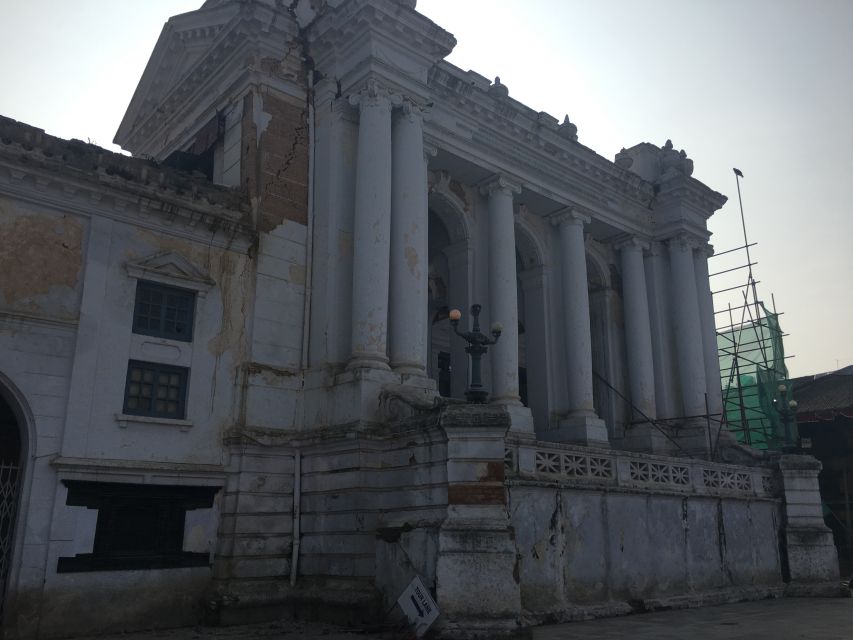
- Kathmandu Durbar Square: seeing how the city remembers itself
- Budhanilkantha: the fifth stop that finishes the circuit
- Guide style and bus comfort: what can affect your day
- Meals, timing, and staying flexible between stops
- Who should book this Kathmandu Rich Heritage bus tour?
- Should you book this bus tour?
- FAQ
- What does the tour include?
- How long is the tour?
- Where do I meet the group in Thamel?
- Which sites are visited?
- Are meals included?
- What languages can the driver speak?
- Is this tour only shared, or can I book private?
- Is the bus pickup and drop-off fixed?
- Can I get a refund if my plans change?
Key highlights at a glance
- Five major Kathmandu Valley sites packed into one day without multiple transfers
- Thamel-area pickup at/near Hotel Malla, with the bus collecting you and continuing on
- UNESCO World Heritage coverage, including Swayambhunath, Pashupatinath, and Boudhanath
- Views that anchor the day, especially around Swayambhunath and Pashupatinath
- Good price for first-time orientation, with food kept optional since meals aren’t included
A 6-hour Kathmandu Valley hit for about $11: Is it good value?
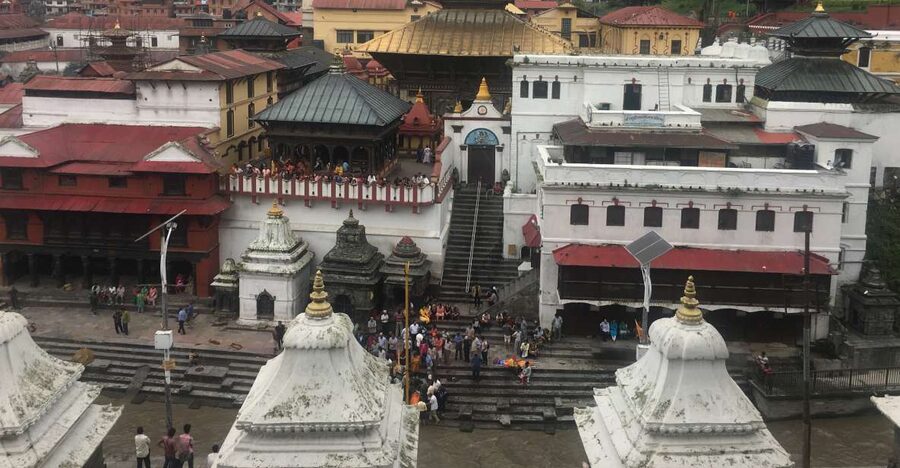
For roughly 6 hours, you’ll cover five big-name stops: Swayambhunath, Pashupatinath, Boudhanath Stupa, Kathmandu Durbar Square, and Budhanilkantha. That’s a lot of “see it once” power for a low single-ticket price, especially if you’re staying in Thamel and want one plan that actually runs.
The value is in two places. First, the tour includes round-trip transfer by a local sharing bus with a driver, so you’re not hunting taxis between sites all day. Second, the route is designed to hit major “anchor” landmarks that many itineraries in Kathmandu revolve around—so you come away with a clear sense of what the city is about, even if you only have a short window.
The catch: this is a shared local bus experience, not a private car with flexible pacing. If you want lots of time at each stop or deep narration, you may find you need to ask your questions yourself or go with your own reading.
You can also read our reviews of more city tours in Kathmandu
Thamel pickup at Hotel Malla: how the shared bus stays on schedule
Your day starts near the Hotel Malla area in Thamel. You’re asked to meet by the opposite side of the main entrance gate (across the road), and you should arrive early—around 9:50 to 10:20 am—so you’re ready when the bus collects people.
You’ll then join the group and head out. The key detail here is the pace: the bus doesn’t make long, wandering stops. It comes to pick you up and then continues on to the next sites, with parking restrictions meaning the driver can’t just linger. That keeps the itinerary tight, which is great when you’re doing a first pass at Kathmandu.
One smart tip from this setup: be ready at the meeting point, not ten minutes later. With a shared pickup model, a late arrival can mean you’re just waiting on the road instead of enjoying the first temple complex while the morning light is good.
Swayambhunath Stupa: your first big “wow” stop on a hill
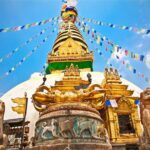
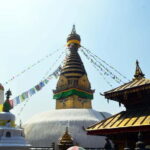
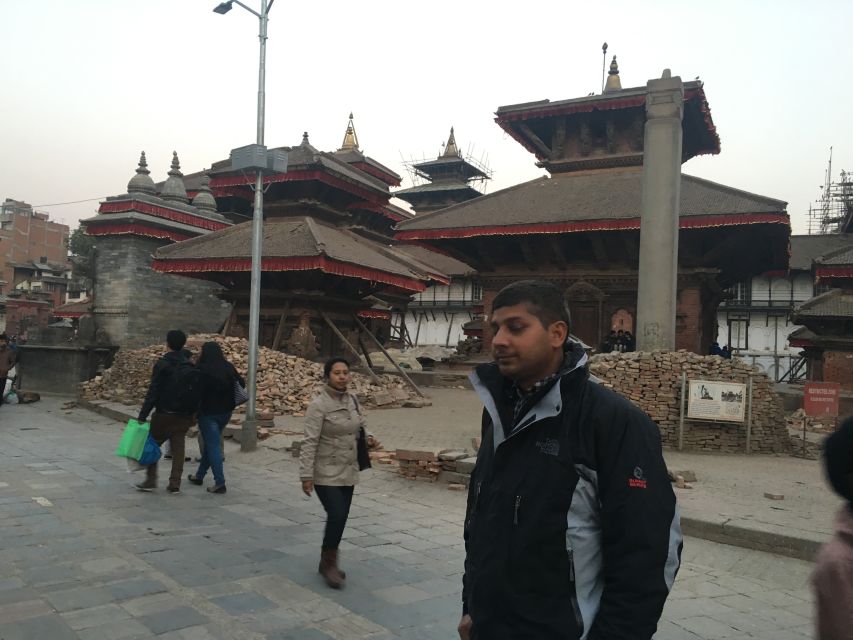
Swayambhunath is one of those places you’ll remember even if you’ve never studied Nepalese religion. It’s a UNESCO-listed stop and a major viewpoint spot, and the itinerary is built to give you that “arrival moment” early in the day.
On this tour, you’re there as part of a structured route, so you don’t have to figure out how to get from Thamel to a hilltop complex. What I like about making it Stop 1 on a route like this is simple: you’re more likely to see it with fresh energy. It also makes the rest of the day feel connected, since the itinerary keeps moving between landmarks that each show a different side of the Kathmandu Valley.
What to watch for: hilltop temple complexes can mean a lot of walking and stairs. Since this is a shared bus tour with no mention of long breaks, you’ll want to be comfortable moving steadily and taking in the place without expecting a slow, leisurely pace.
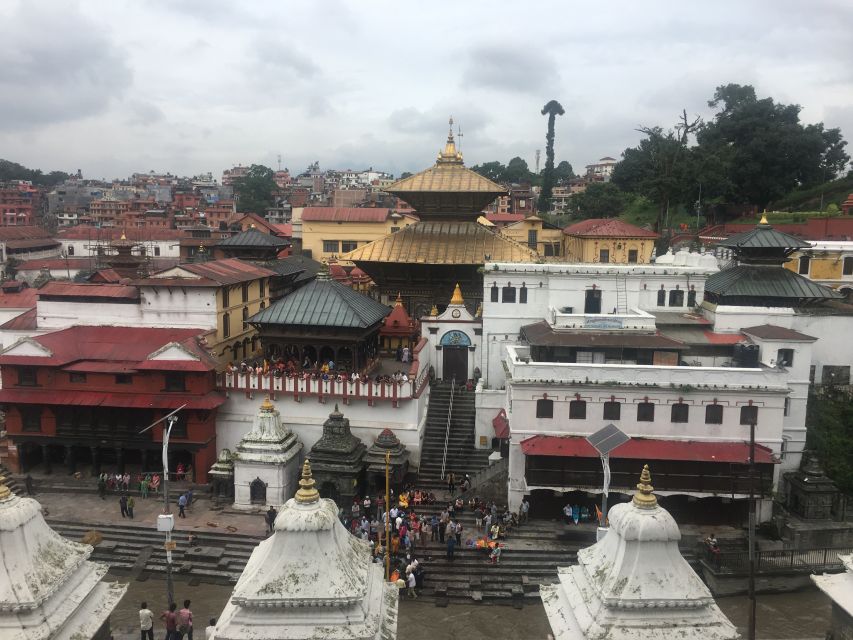
Pashupatinath Temple: strong views and practical expectations
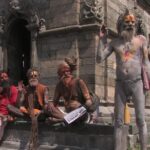
Next comes Pashupatinath Temple, another UNESCO World Heritage site and a major cultural landmark. The tour’s highlight wording focuses on views of Pashupatinath, and that’s often what people come for here—the sense that this is not just a monument, but a living religious center.
For you, the practical question is access. One participant noted they could enter two of the stops even as a non-Hindu. That doesn’t guarantee entry for everyone, and it can vary by site and rules at the time, but it’s useful to know that the tour includes places where some areas may be open to visitors.
Because this is a shared bus day, you also shouldn’t expect to spend endless time with a staff-led explanation. If you want background on what you’re seeing—architecture, layout, or why certain parts matter—plan to ask on the spot or use your own notes. The day still works well even if you only get short answers, because the visual impact does a lot of the job for you.
Boudhanath Stupa: the other side of Kathmandu’s sacred center
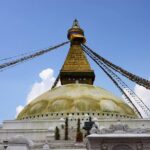
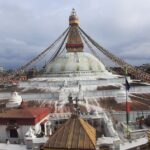
Then you head to Boudhanath Stupa, a UNESCO-listed stop that complements Swayambhunath and Pashupatinath. The pairing makes sense: you’re moving through Kathmandu Valley’s big spiritual landmarks, not random “one-off” sights.
What I like about including Boudhanath in this type of bus route is the variety of atmosphere it brings to the day. It’s not just another temple stop on a list—it changes the feel of the day with its stupa-focused design and the way visitors gather around it.
From a tour-planning perspective, Boudhanath also helps you stretch your understanding of Nepalese culture beyond what you see in the first site. When the route includes multiple major heritage locations, you start noticing patterns—how sacred spaces are expressed in architecture, and how visitors interact with them.
The possible drawback is time pressure. With a 6-hour total duration, you’ll likely get enough time to see what matters, but not enough to “study” everything. If you’re the type who wants to read every plaque and watch every small ritual, you might prefer a longer, slower day later in your trip.
You can also read our reviews of more historical tours in Kathmandu

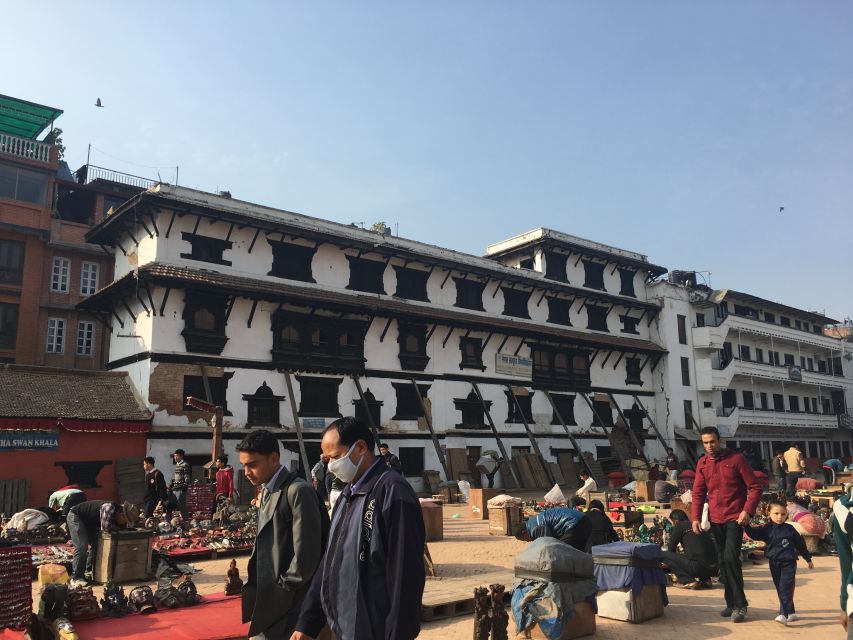
Kathmandu Durbar Square: seeing how the city remembers itself
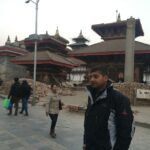
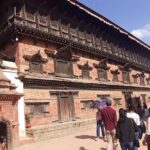
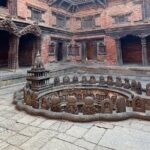
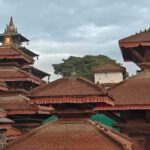
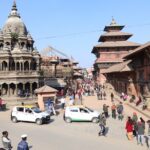
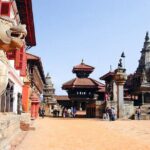
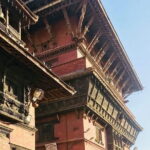
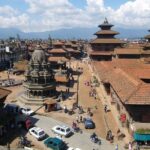
Your itinerary also includes Kathmandu Durbar Square, another major heritage stop. Durbar Square is different from the temple complexes on the route because it’s tied to the city’s historical center and built environment. It’s a good place to look at craftsmanship, stonework, and the way old power and culture show up in the street-level layout.
On a bus tour like this, Durbar Square is a useful “middle” stop: you’ve already had two major spiritual sites, and now you shift toward heritage that feels more civic and architectural. That shift helps keep the day from turning into five nearly identical experiences.
One practical thing: because this is a central, crowded kind of place, you’ll want to stay close to your group and meeting point. The bus model here relies on the driver collecting people and then moving on, so you don’t want to get separated and end up hunting for your way back.
If you’re a first-timer, Durbar Square is also where the city starts to feel real. It stops being just a set of monuments and starts feeling like a neighborhood with layers.
Budhanilkantha: the fifth stop that finishes the circuit
The last of the named stops is Budhanilkantha. It completes the “heritage route” by adding another major landmark outside the Kathmandu core temple pattern.
I like having this final stop on the itinerary because it gives the day a sense of completion. You’re not just circling the most famous religious centers; you’re also seeing a different site type that rounds out the Kathmandu Valley view.
As always with a shared bus itinerary, don’t expect unlimited time. Your goal on a 6-hour tour is not to master everything. It’s to see enough to build a map in your head: where the key heritage sites are, how they relate, and what you might want to return to later with more time.
Guide style and bus comfort: what can affect your day
This is where you should calibrate expectations. The bus is described as basic, and one piece of feedback flagged that the bus wasn’t clean. That doesn’t automatically mean your bus will match that exact condition, but it’s a reminder that you’re paying for a local sharing transport experience, not a premium vehicle.
You should also consider the “guide briefing” style. One reviewer said the guide didn’t brief the group about the significance of the places, and that’s a real concern for anyone who wants context—not just photos. The good news is that the day still has structure and a clear set of stops, so you’ll still see the key landmarks. The challenge is whether you’ll get background delivered for you.
If you want to make the day land better, come with 2-3 questions. For example: what makes each UNESCO site distinct in layout or purpose? When the driver speaks English and Hindi, you can use that time to ask quick, targeted questions rather than waiting for a full explanation.
Meals, timing, and staying flexible between stops
Meals aren’t included. That’s important because you’ll be out for around 6 hours, and you may get hungry. Plan to buy something along the way or at the end, so the day doesn’t turn into a last-minute scramble.
Timing is also something to respect. You’re joining a shared bus, and the route moves between major heritage sites. The pickup and drop-back model is built around collecting you and dropping you near the Thamel area again, so your schedule should stay predictable.
If you like knowing the shape of the day: you meet near Hotel Malla, the bus collects you, you tour five major sites, and then you return to the same Thamel area drop-off.
The simplest strategy: treat this as a “morning-to-afternoon orientation loop.” Use it to decide what you want to revisit later—because one day rarely gives you the slow, deep experience you might want.
Who should book this Kathmandu Rich Heritage bus tour?
This tour is a good fit if you:
- Want a first-time introduction to Kathmandu Valley’s standout heritage sites
- Care more about covering major landmarks efficiently than getting a long, scripted lecture
- Like shared, local-style transport and don’t mind basic comfort
- Are traveling solo or in a small group and want an easy plan from the Thamel area
It can also work well if you’re a non-Hindu visitor. One participant specifically mentioned being able to enter two of the stops. Access can vary, but the itinerary includes major sites that don’t only exist behind a total wall for non-adherents.
If you’re picky about bus cleanliness or you need detailed narration at every stop, consider a different format—or be ready to supplement with your own notes.
Should you book this bus tour?
I’d book it if you want the value of a single, low-cost day that hits multiple UNESCO heritage landmarks in Kathmandu Valley. The route logic is strong: it connects major sites in a way that keeps you moving without transfer chaos, and it brings you back near Thamel at the end.
I’d think twice if you expect a lot of guided interpretation. One past experience flagged limited briefing, and the bus was described as basic in comfort. If you’re the type who needs deep context delivered on a schedule, you might do better with a tour format that explicitly promises extended guiding time.
If you’re flexible, curious, and happy to let the sights do most of the work, this is an efficient way to get oriented fast.
FAQ
What does the tour include?
It includes round-trip transfer by a basic local sharing bus, plus a Kathmandu city tour with a driver as part of a shared local bus experience. Meals are not included.
How long is the tour?
The duration is listed as 6 hours (1 day). Starting times can vary, so you’ll want to check availability for the exact schedule.
Where do I meet the group in Thamel?
You’re instructed to come opposite of Hotel Malla’s main entrance gate across the road, and be there in the morning window (about 9:50–10:20 am).
Which sites are visited?
The tour visits Swayambhunath temple complex, Pashupatinath Temple, Boudhanath Stupa, Kathmandu Durbar Square, and Budhanilkantha.
Are meals included?
No. You can purchase meals during the day.
What languages can the driver speak?
The driver is listed as speaking English and Hindi.
Is this tour only shared, or can I book private?
Private group options are available.
Is the bus pickup and drop-off fixed?
Pickup and drop-off are based on specific locations. You start near the Thamel area by Hotel Malla (with other pickup options listed as well) and you’re dropped back at locations near Thamel.
Can I get a refund if my plans change?
Yes, it offers free cancellation up to 24 hours in advance for a full refund, and there is also a reserve now & pay later option.